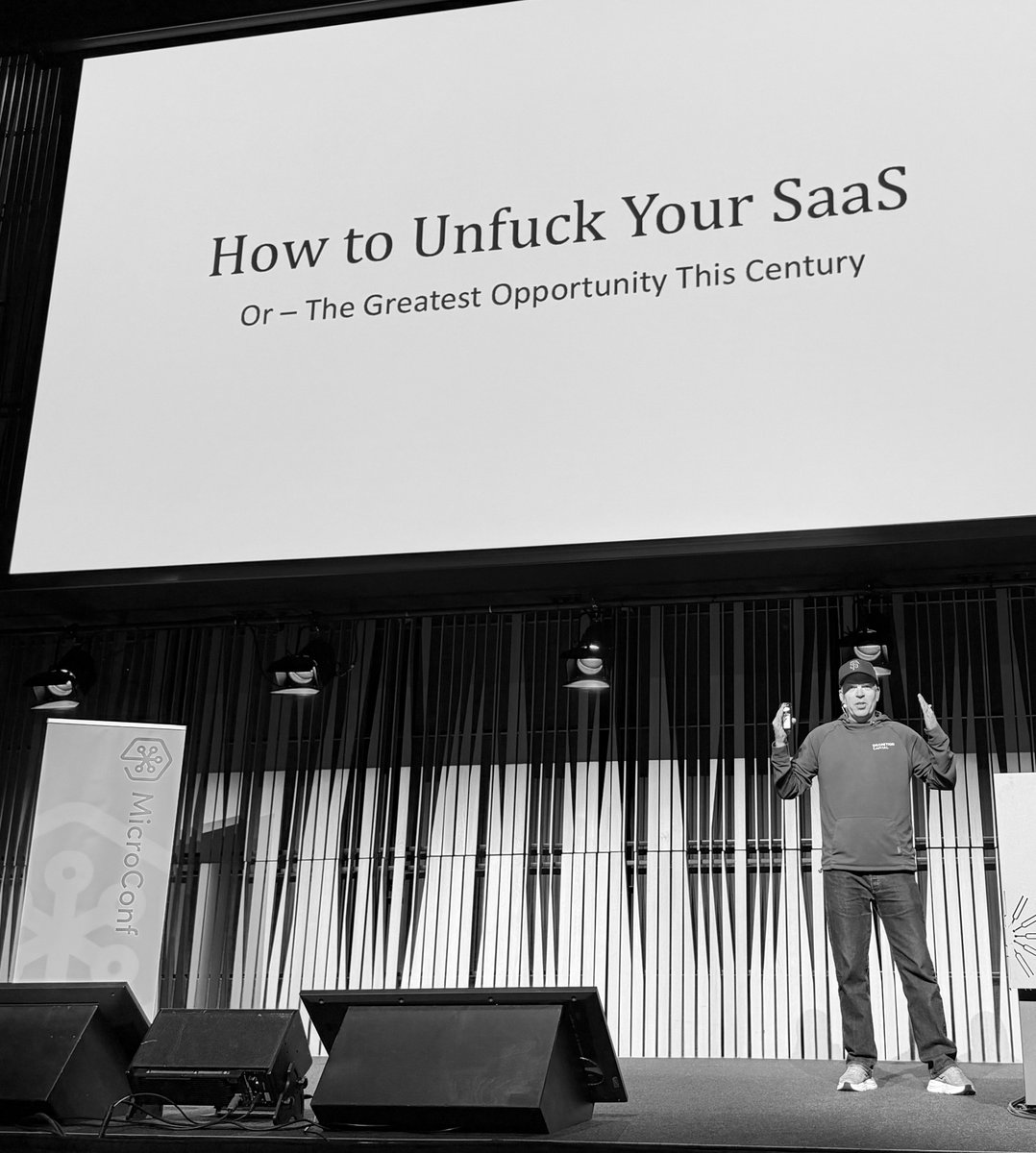
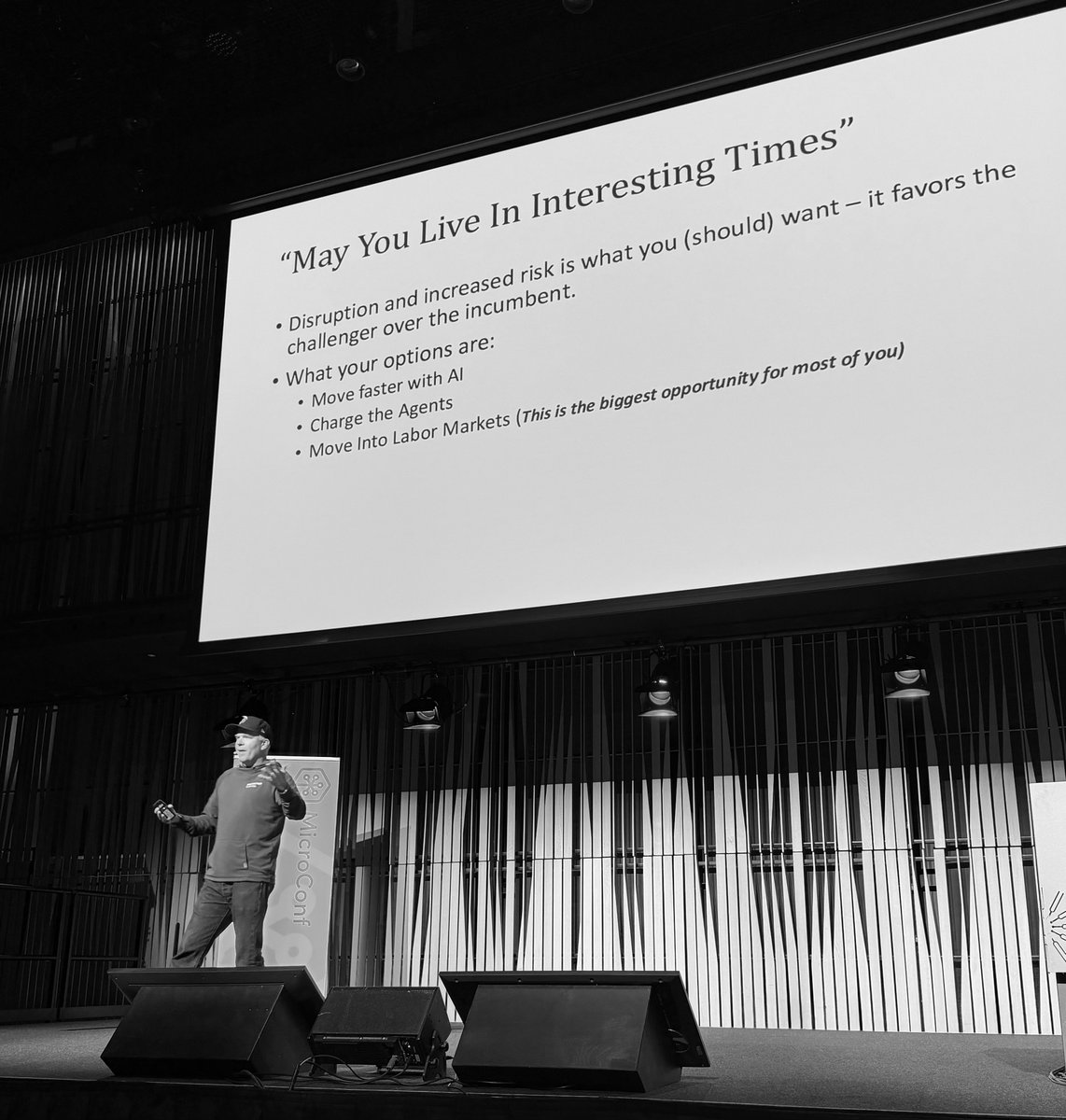
Ajelix made lots of listicles - they do convert. They’re human made, not #AI slop. “Every listicle tells AI who you are.” –Agnese Jaunošāne @microconf#microconf#reykjavik#SaaS#AI
Today we announce 1Password for Agents platform, building with companies @Muse, SpaceX Super Intelligence Grok @Bot, @AnthropicAI’s @Claudeai, @OpenAI, @TownAI, @Browserbase, @Browser_use, @heydana_ai, Instinct, @usekernel, @Perplexity_ai, @tryramp, @Tomo, and @wajo_ai, with more integrations on the way. 🎉
We've heard from so many of our customers who want to use these new personal AI agents to help them get more done, but want more control over what the agent can access with the same trust and ease of use they get when using 1Password directly.
1Password for Agents gives your agents access without giving up your passwords. When an agent reaches a sign-in form, it requests a credential from your vault. If you approve the request, 1Password directly auto-fills the credential in the destination site so the agent can’t see or take possession of the credentials.
The agent gets the task done, but it doesn’t get your passwords..
You stay in control. 1Password for Agents free and optional for personal and family accounts. Unless you opt-in to an agent connector, agents cannot touch your vault.
➡️Learn more: https://t.co/KxDcCum2iE
We’ve known about this for decades, and facility trends keep getting worse. When I first started as an intern at AMD, I had a big cube with 6’ walls. The trends always pushed for more noise and less privacy: lower walls, then no walls. Dropped ceilings with acoustic tiles, then exposed metal with just the corrugated metal underside of the floor above.
Remote work and real offices are simple ways to recruit people who get things done.
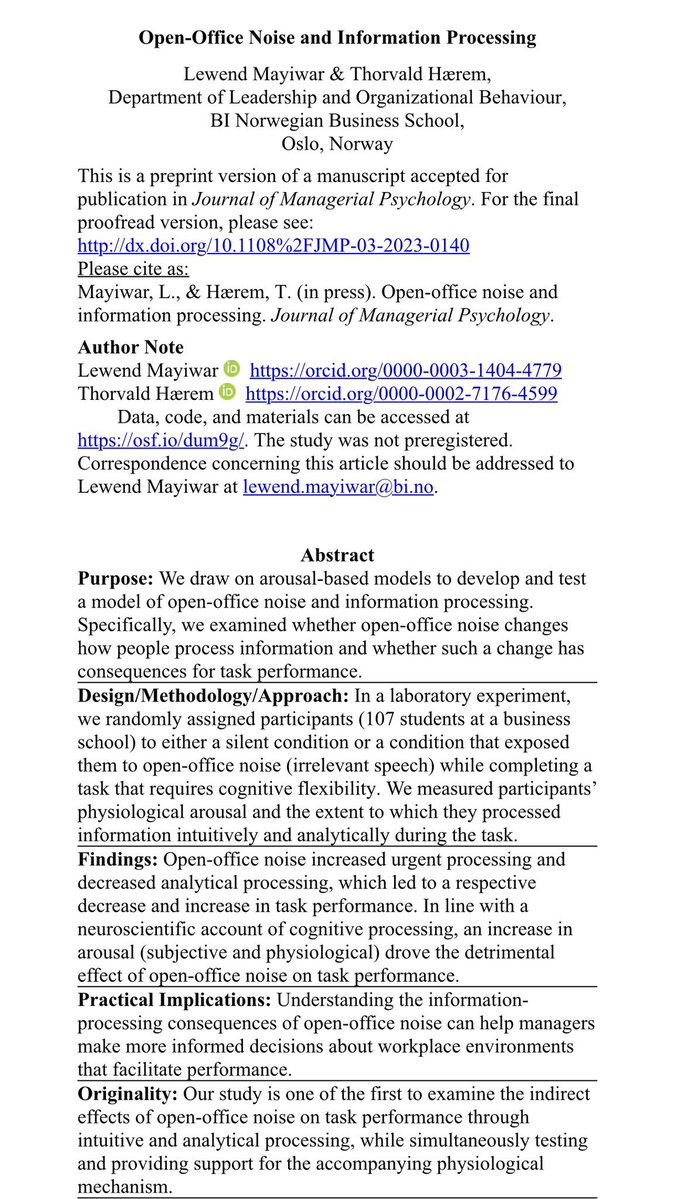
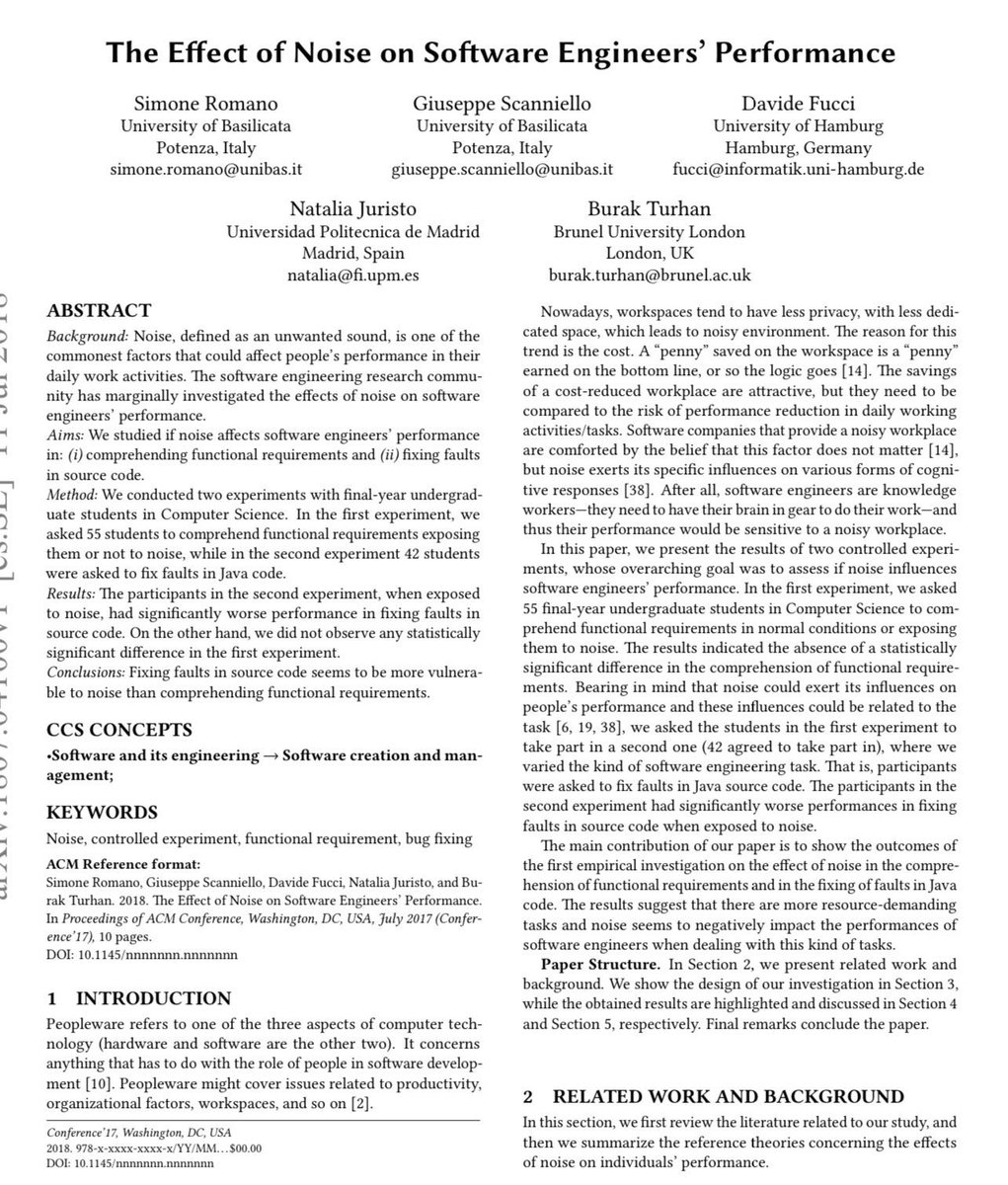
The background noise in open offices, in multiple experiments, decreases the ability to do analytical work, increase bugs in software, and decrease the ability to find bugs.
Open floor plans are just a bad idea for any solo work.
@asmartbear And don't forget: studies show that puppies score significantly higher on cuteness measures than vibe-coded software does. You're more likely to forgive them for eating your CRM.
Open source is free like a puppy is free.
(Vibe-coded software is worse.)
You pay for everything after it: the food, the vet, the walks in the rain, the chewed couch.
Free software -- or vibe-coded software -- works the same way. Your customer pays in setup time, in hours spent training the team, and in workarounds. When the tool breaks, nobody is there to fix it.
So when a prospect says a free tool does the same thing, your price isn't the problem. They haven't seen the bill for "free" yet.
Don't defend your price, and don't apologize with a discount. Turn the objection around:
"If you think I'm expensive, you should see how expensive 'free' is."
Then explain why: the onboarding, the training, the bugs-fixed, the new features, the integrations to ever-changing external systems, the zero-day security patches, and on and on -- things they would have to do themselves, not just for the cost of the tokens, but their time.
And at what hourly rate I wonder? Most people don't think their time is worth $1/hour, but that might be how they're acting.
This is just one of the insights from the newest Smart Bear Live. E10, out now:
https://t.co/TIwI5y9oNv
AI has really disrupted engineering, and the media (or lack thereof) isn’t helping. On one hand, AI makes the typical engineer much more productive. On the other hand, costs, tech debt, and emotional regulation are out of control. It’s really challenging to make reasoned decisions on AI.
Ah, for developers it’s a very different story. However, I think you still need to throttle the tech churn. You don’t want developers spending more time on AI ops than shipping code (unless this is your strategy, which is rare).
I also think engineers need to reflect a bit on what the tradeoffs are. You do lose something by working on an agnostic platform layer.
This “why not” thinking seems sensible until you consider the opportunity cost. Most CEOs should NOT spend any time worrying about $100 a month differences in AI spend. If your AI spend is $100k+ a month, ok, maybe you can justify hiring an AI ops person. Even in that case, I’d be shocked if this optimization has any impact on growth.
Now, if you found a way to add a hundred good new sales leads per month with AI, now that’s something possibly worth optimizing for performance.
At one of my AI roundtables at MicroConf Europe in Reykjavik last month, an operations team reported cutting customer onboarding time by 70%. The result showed up in their hiring plan: "we thought we would have to double our staff this next year, and now we don't."
The work was data migration, one Claude skill per step of a twelve-step process. Another operator explained why the margin moves too.
How they built it, and what the agent learned about their competitors along the way:
https://t.co/b37Xhtyj5h
#AI #SaaS #Operations #MicroConf
my advice is DONT KEEP UP WITH AI
if its fun for you, great
but if you're trying to get work done just pick codex or claudecode and stick with it, doesn't matter which
keep experimenting with all they can do and get shit done