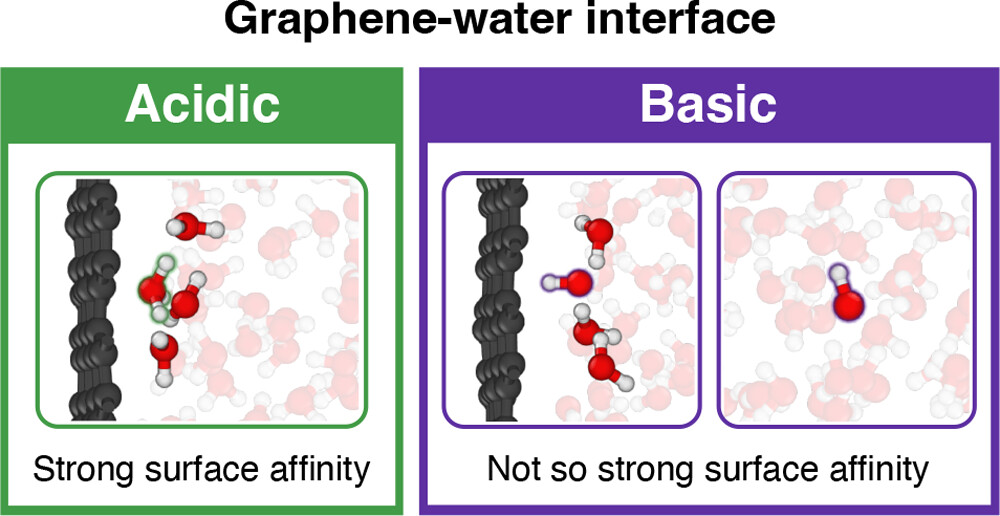
Protons accumulate at the graphene–water interface, with hydronium stabilized in the first contact layer, while hydroxide is partially excluded and distributed between surface and bulk regions.
Read it here 🔗 https://t.co/vbL1V9iBEZ
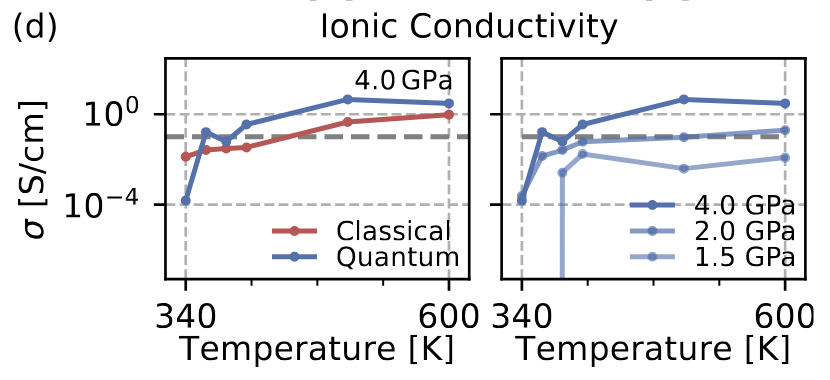
We study #quantum nuclear effects (NQEs) for proton disorder in nanoconfined water. @pavanravindra1 uses #MachineLearning potentials to show NQEs play a heightened role compared to bulk and induce superionic proton transport in other molecular water.
https://t.co/WXwLDSjF25
Super excited to share our latest work on hydrogen bonding in nanoconfined ice, now out in @NatureComms! We highlight fascinating behaviors emerging when water is trapped in confined environments. Check out @pavanravindra1's thread for details! ⚡️
How does hydrogen bonding change when water is confined to nanometer-scale pockets?
Our recent work in @NatureComms highlights several interesting hydrogen bonding behaviors in nanoconfined water (1/N): https://t.co/p2XJO3KLUh
@XavierAdvincula @ChristophSchran @venkatkapil24
A simple exp on finetuning foundational #ML potentials
@IlyesBatatia @icegroupcam for predicting molecular crystal stabilities! TLDR: Finetuning > training from scratch. 50 training points to quantitatively sample the NPT ensemble! Feedback welcome!
https://t.co/aEiXExhiHs
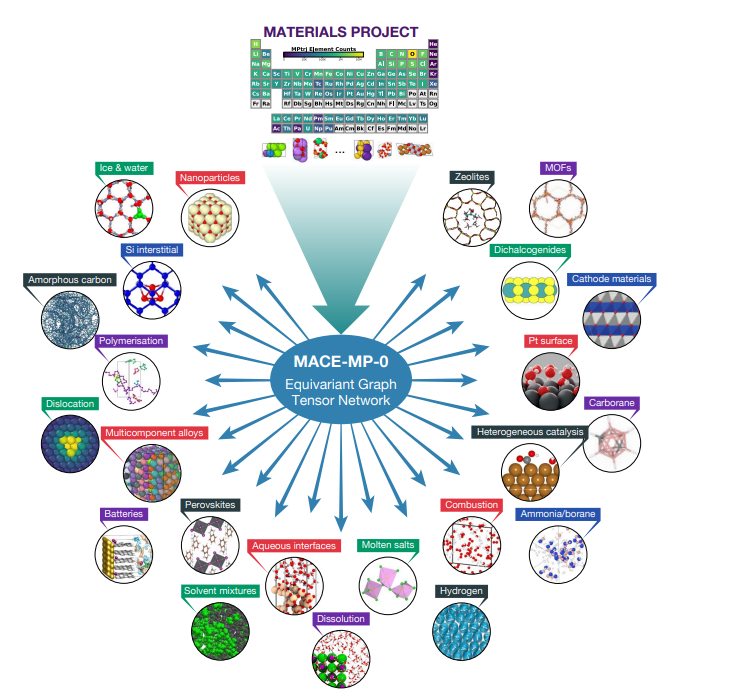
Our large collaborative effort shows the impressive range of applicability of foundational ML potentials, developed using only open-source data and software. More than 30 applications, including MOFs, catalysis, water, and more simulated with one model.
https://t.co/ARgZOWtsIC
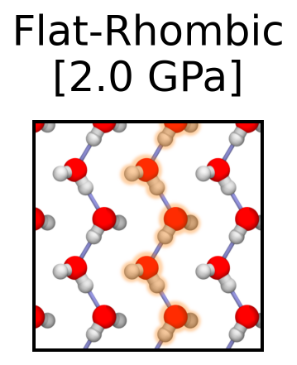
Is ice a primarily hydrogen bonded? @pavanravindra1@XavierAdvincula challenge this idea. In nanoscale confinement, it turns into a 1D hydrogen bonded material with vdW stabilized chains!
https://t.co/cUbNYF8R90
More coming from Pavan's MPhil @icegroupcam @ChemCambridge !
I am very happy to share my first First-Author publication, now published in @JCIM_JCTC :
https://t.co/xJzIjYYuvs
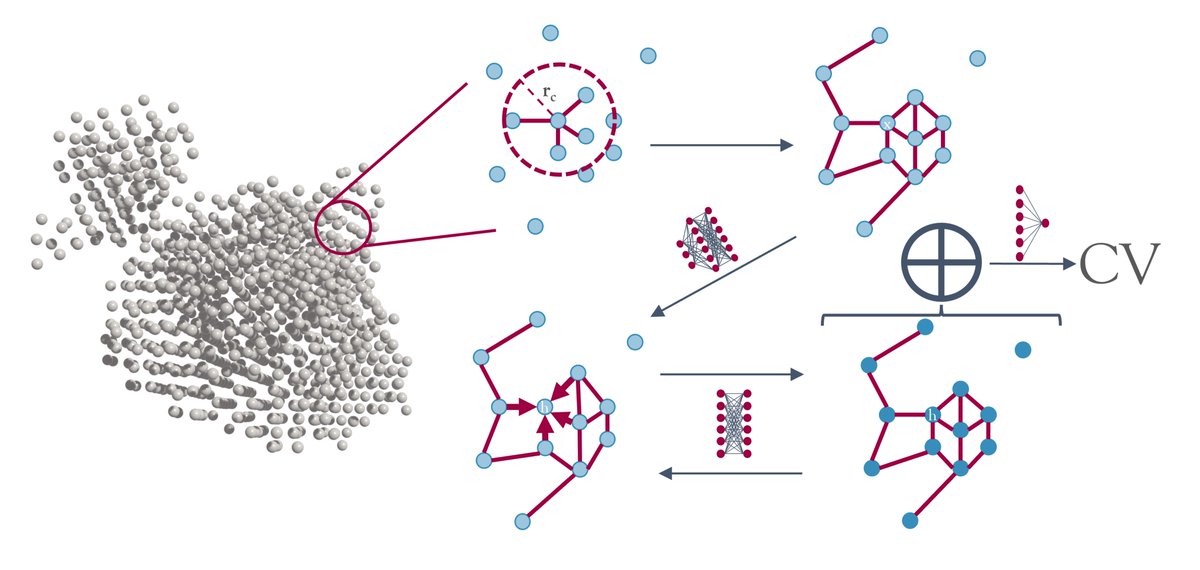
We present a method to construct approximations of expensive CVs, that can be used in enhanced sampling simulations and show how to recover the analytical FESs.
Computing collective variables to model nucleation is often an efficiency bottleneck in simulating self assembly processes. Here⬇️Florian developed a GNN model to efficiently approximate such CVs paving the way for applications to realistic systems: https://t.co/HN5omkI7iJ
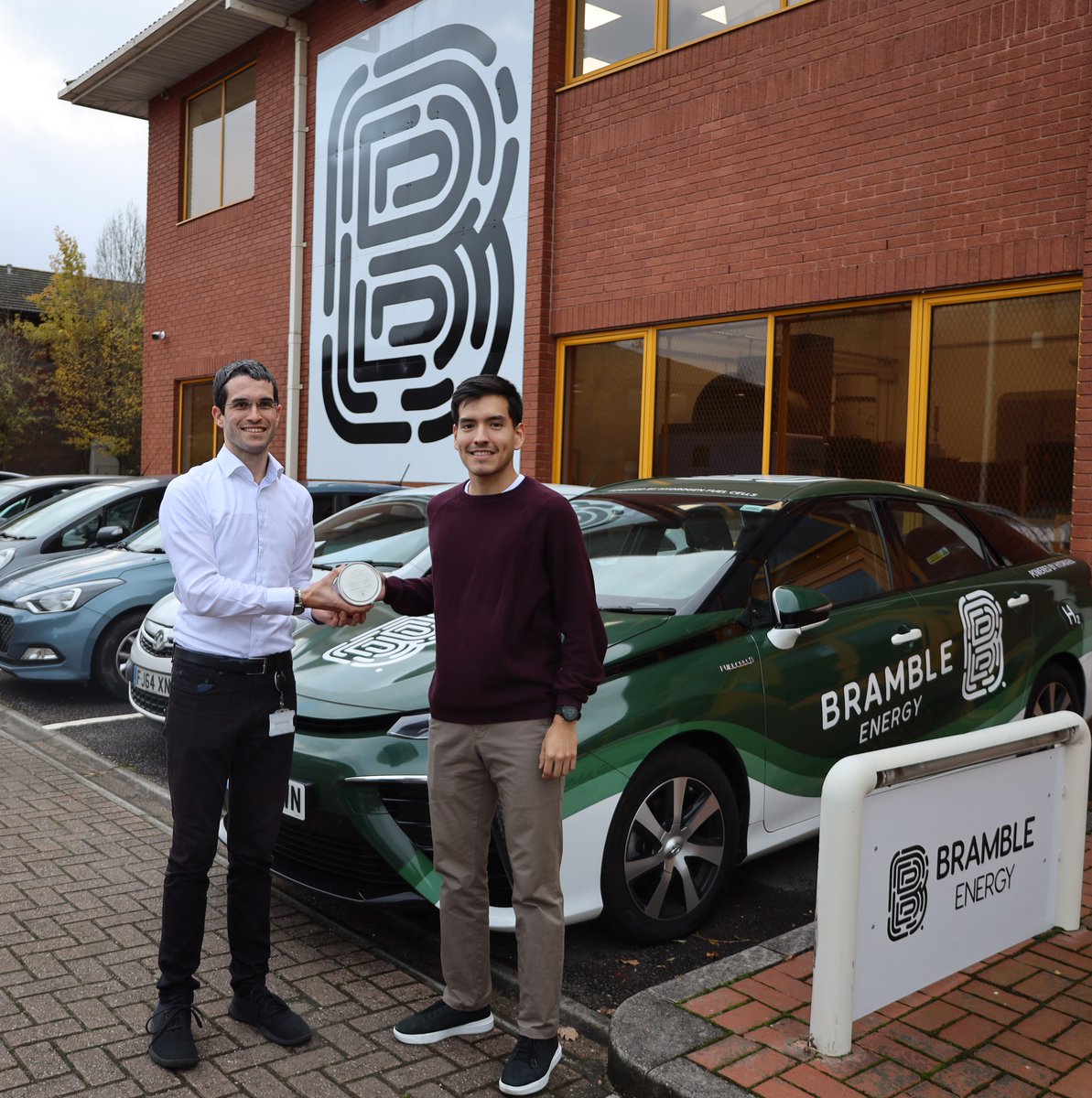
Congratulations to @uclchemeng@UCLAlumni graduate Xavier Rosas Advincula @XavierAdvincula who won the 2022 Best Research Student Project CENG0038. The award was sponsored for the first time by the @UCL spinout company @BrambleEnergy.
���️ Find out more: https://t.co/vXVAuVrYxx
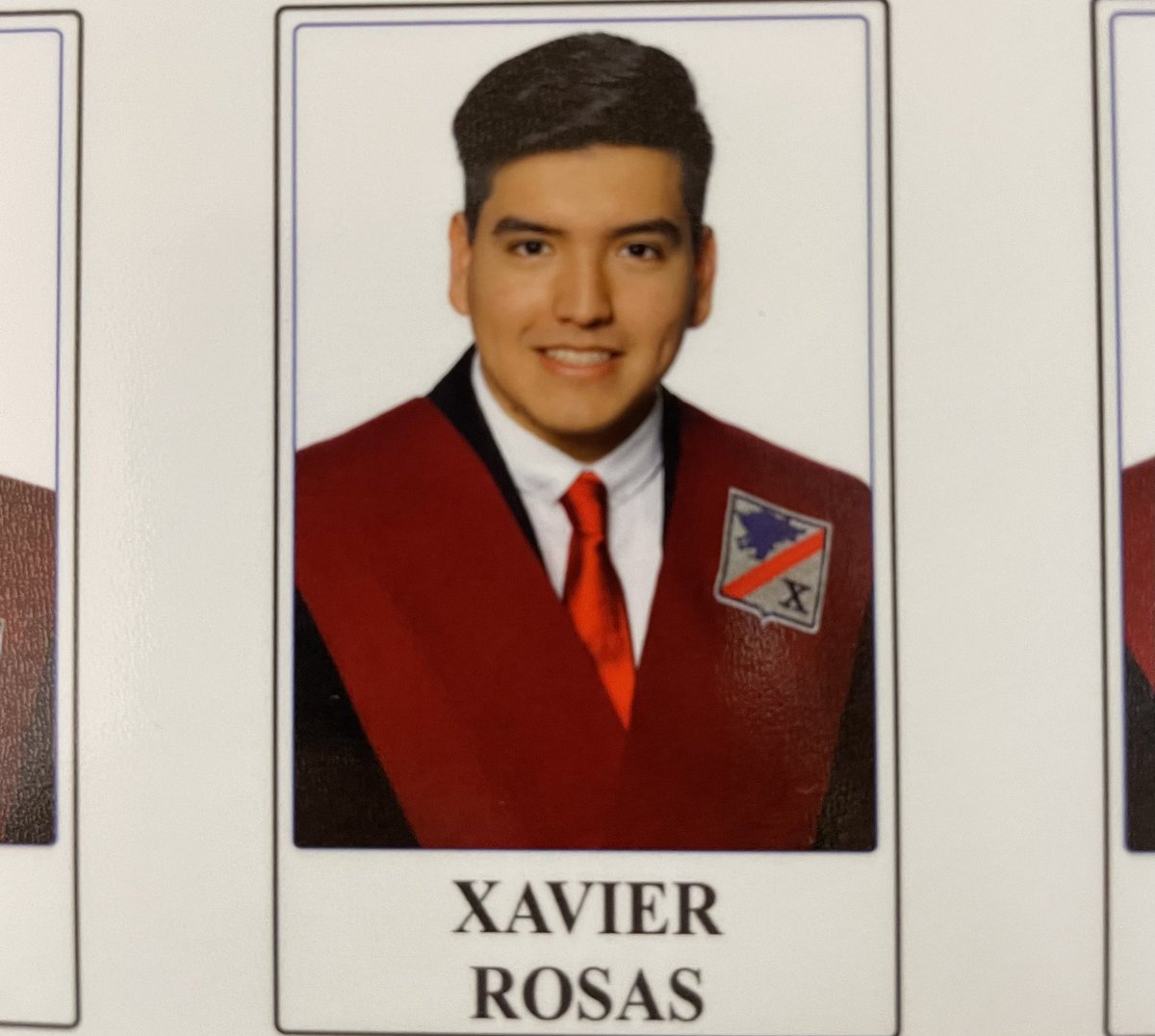
Xavier Rosas Advincula -promoción Saxum- fue galardonado con el Goldsmith Medal Award, el mayor honor que se concede a los alumnos de Ingeniería en la @ucl. “Es el mejor estudiante de Ingeniería de los últimos 25 años” según afirma Eva Sorensen
¡Muchas felicidades Xavier!
Really Proud of @XavierAdvincula who has been recognized for the amazing work done during his studies at @uclchemeng, including his MEng research in our group! Congratulations Xavier & all the best for your future steps @icegroupcam!