pT1 bladder cancer substaging: invasive extent and anatomical depth describe different features.
🔬 Bertz: focal vs extensive invasion by HPF.
📏 T1m/e: a single small invasive focus vs larger or multiple foci.
🧬 Anatomical substaging: invasion relative to the muscularis mucosae—definitions differ between two- and three-tier systems.
Asimakopoulos et al. found better PFS discrimination with m/e than a/b/c (C-index 0.700 vs 0.612). Yet Kläger et al. found anatomical substaging prognostic for progression, while m/e was not.
The m/e rule is conceptually simpler, but no method consistently outperforms the others. Substaging adds prognostic information; these studies do not establish benefit from choosing BCG or cystectomy on substage alone.
Prospective validation of either algorithm is lacking in standardized good clinical trials - so potential for decision making is unclear.
#BladderCancer #UroPath #NMIBC
How do we treat the very elderly with advanced bladder cancer in the era of EV + pembrolizumab, erdafitinib, and avelumab?
With so many new agents available, patient selection and individualized sequencing matter more than ever — especially in frail or very old patients often excluded from trials.
https://t.co/NIdPU9ZZLp
#BladderCancer @JCO_ASCO
Are advances in mHSPC treatment finally translating from clinical trials into real-world survival gains? 🇬🇧
https://t.co/kzCo4zlLiG
Improved survival in newly diagnosed metastatic prostate cancer: a National Prostate Cancer Audit study
Real-world outcomes for men newly diagnosed with metastatic hormone-sensitive #ProsatateCancer in England🇬🇧 improved substantially between 2015 and 2022.
➡️Among 45,339 men, 3-year all-cause mortality fell from 55.8% to 47.1%, while prostate cancer-specific mortality decreased from 44.6% to 35.1%.
➡️After adjustment for clinical and demographic factors, men diagnosed in 2022 had a 24% lower hazard of prostate cancer death than those diagnosed in 2015, highlighting population-level impact from evolving care.
@mparry7, @joannadodkins, @AggarwalOnc, @alison_tree, @NoelClarke@OncoAlert 🚨 #LPCCC27
@Silke_Gillessen@AOmlin@ProfKHerrmann@weoncologists
⚡️ KEYNOTE-427 final results (61 months follow-up) in @annalsofoncology: pembrolizumab monotherapy in first-line advanced ccRCC and nccRCC — ORR 36.4% and 26.7%, respectively.
PD-L1 CPS and T-cell-inflamed GEP associated with outcomes in both cohorts. Baseline ctDNA positivity linked to shorter OS (30.5 vs 53.7 months).
https://t.co/nwxsVwA0RQ
#KidneyCancer #Immunotherapy
Rectal spacing with hyaluronic acid spacer and the importance of apical distance. Varun Sundaram, MD @UrologyAustin joins @zklaassen_md@GACancerCenter to discuss the Barrigel™ apical spacing technique, drawing on data from the King secondary analysis of the Barrigel™ randomized trial. That analysis found apical spacing was the only factor on multivariate analysis, aside from pre-radiation bowel function, that predicted lower rectal side effects; one centimeter of apical separation reduced rectal dose across multiple radiation protocols. #WatchNow > https://t.co/NiohHZFLZ0
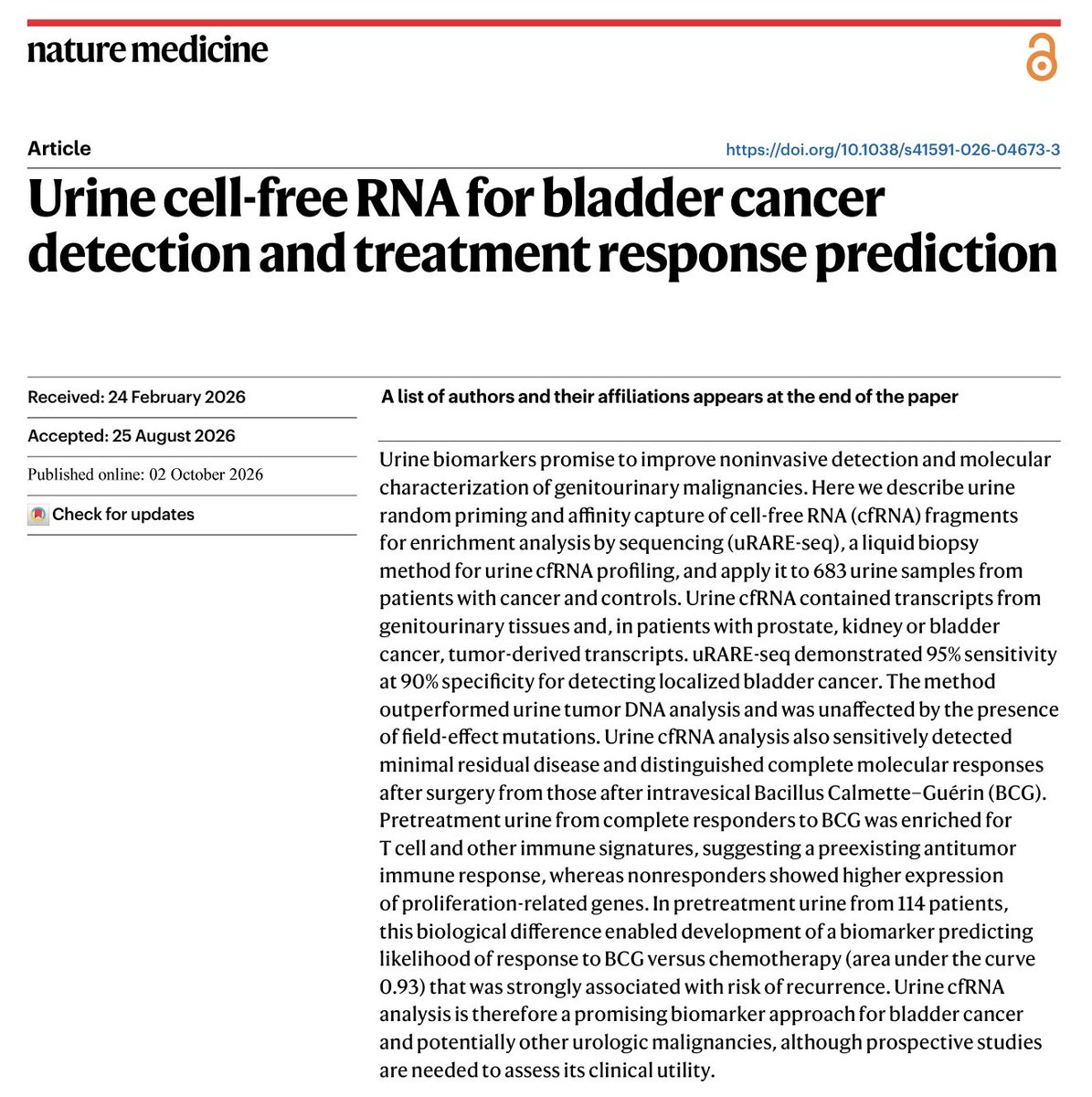
Urine cfRNA is emerging as a powerful bladder cancer biomarker: 95% sensitivity at 90% specificity, with potential for MRD detection and BCG-response prediction.
Prospective validation comes next. @NatureMedicine@OncoAlert@OpenMedicineHQ@isliquidbiopsy
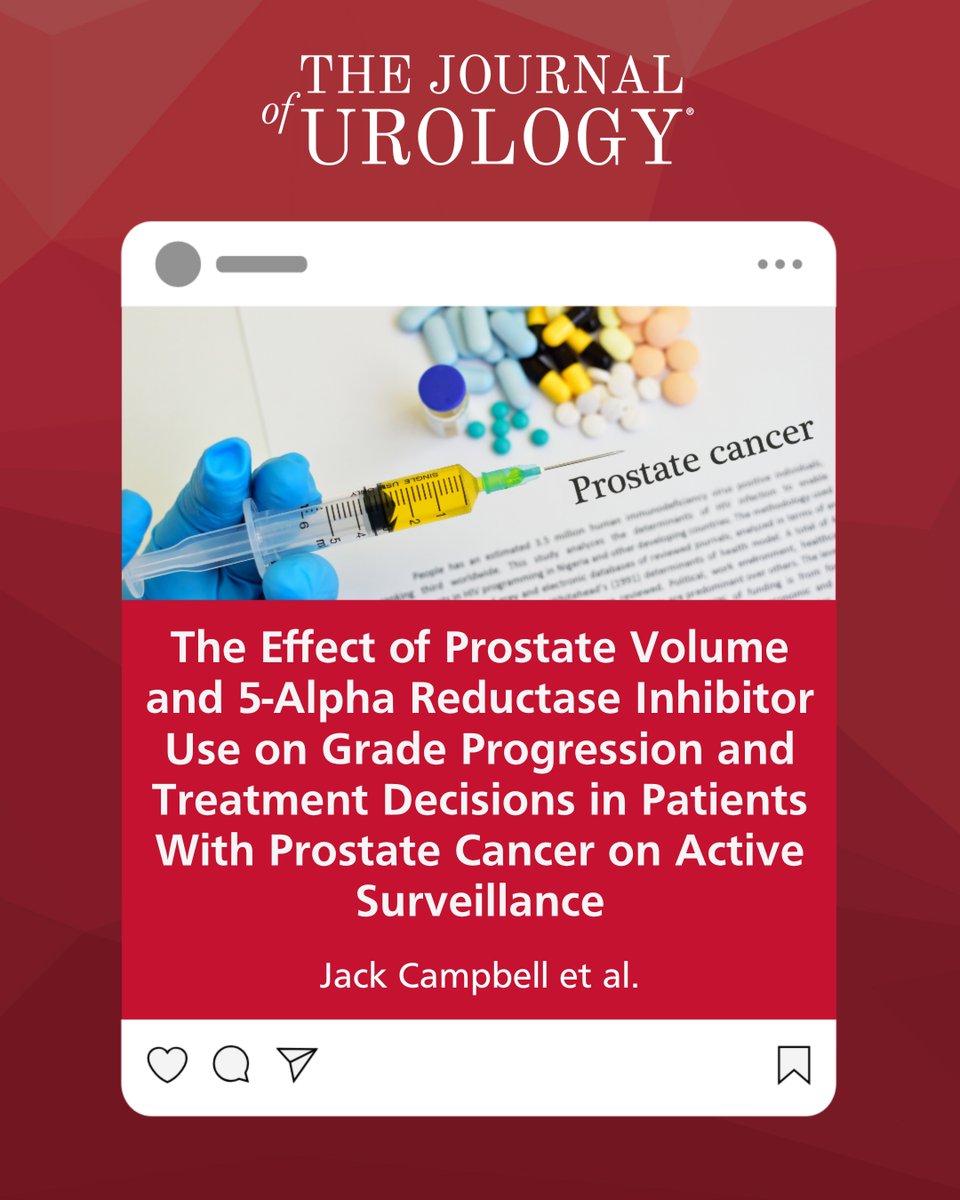
🔍 How Prostate Volume and Meds Affect Cancer Treatment
A study reveals how prostate volume and 5-ARI medication impact cancer progression and treatment decisions for prostate cancer on active surveillance.
🔬 Prostate Size - Larger prostates decrease cancer grade progression risks
💊 5-ARIs - Each extra year on 5-ARIs lowers cancer progression risks
🔧 Surgery - Men with large glands more likely to need bladder outlet procedures
#ProstateCancer #MedicalResearch #ActiveSurveillance
https://t.co/raStVfCkH2
⚡️ 3–5% of all renal cell carcinomas are hereditary — yet most patients are never tested.
While germline testing is standard in breast, ovarian and colorectal cancer, a significant gap remains in urological malignancies despite the actionability of hereditary RCC syndromes.
Time to close that gap.
https://t.co/ab11UNkGy9
@EuropeanUrology #KidneyCancer
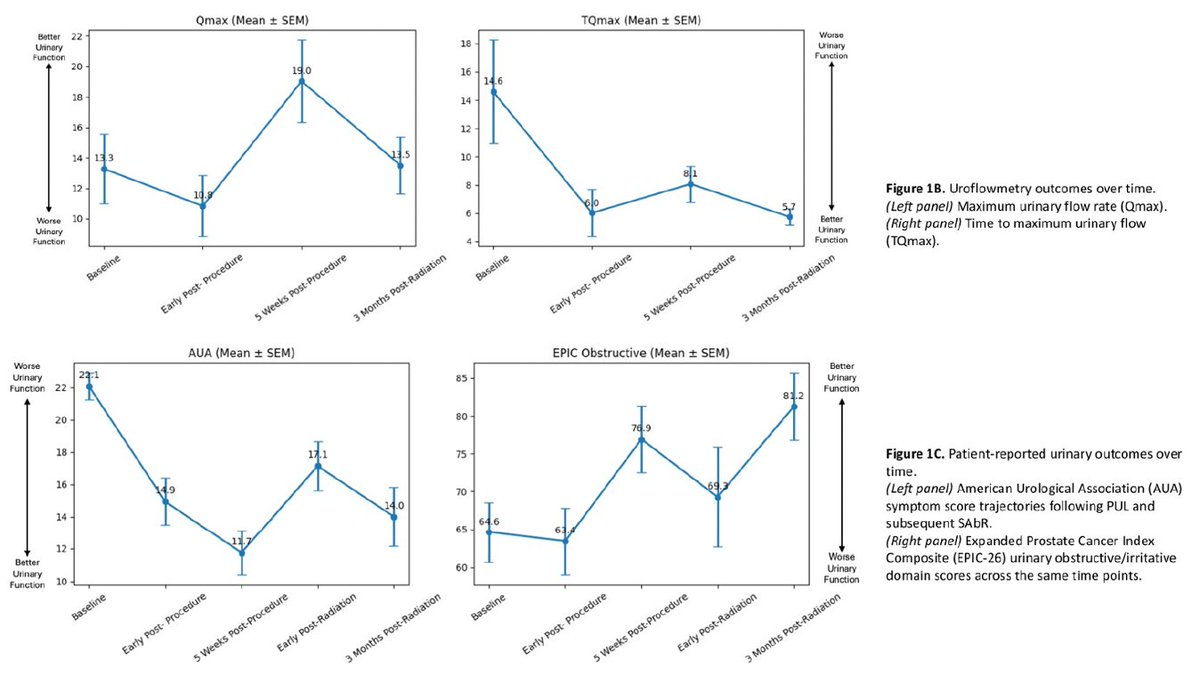
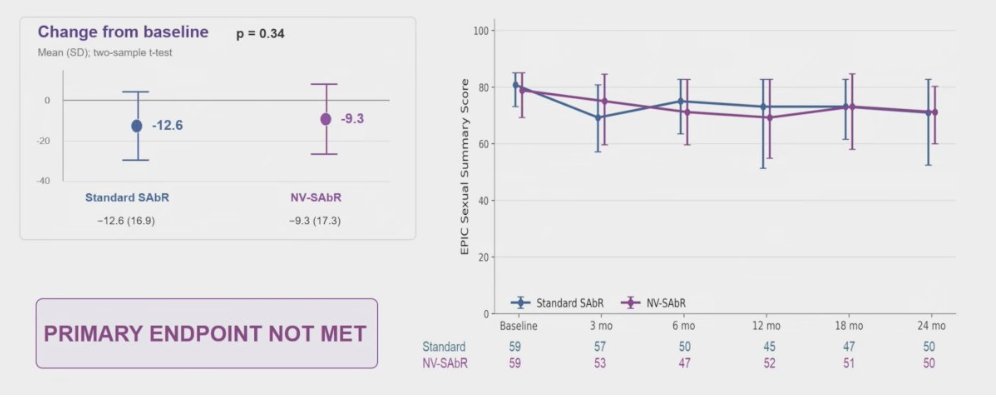
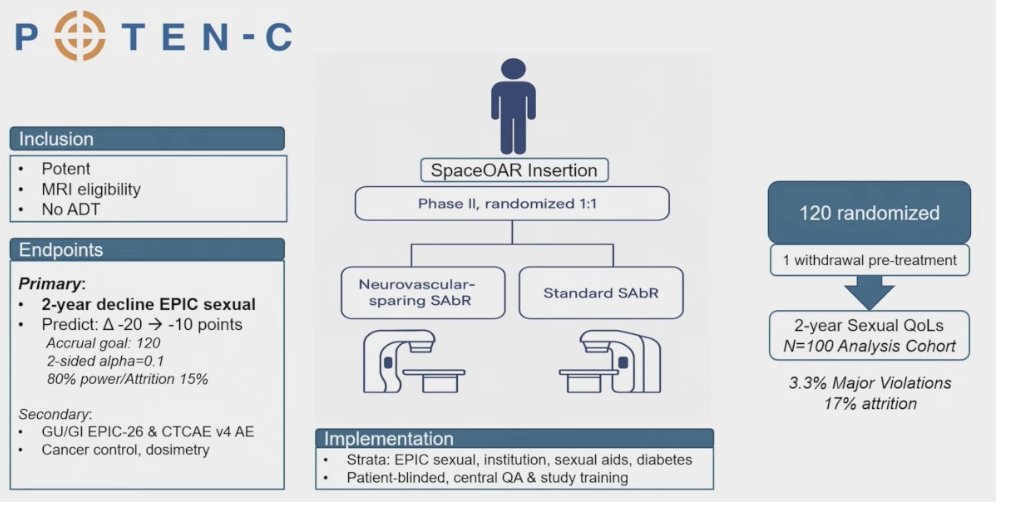
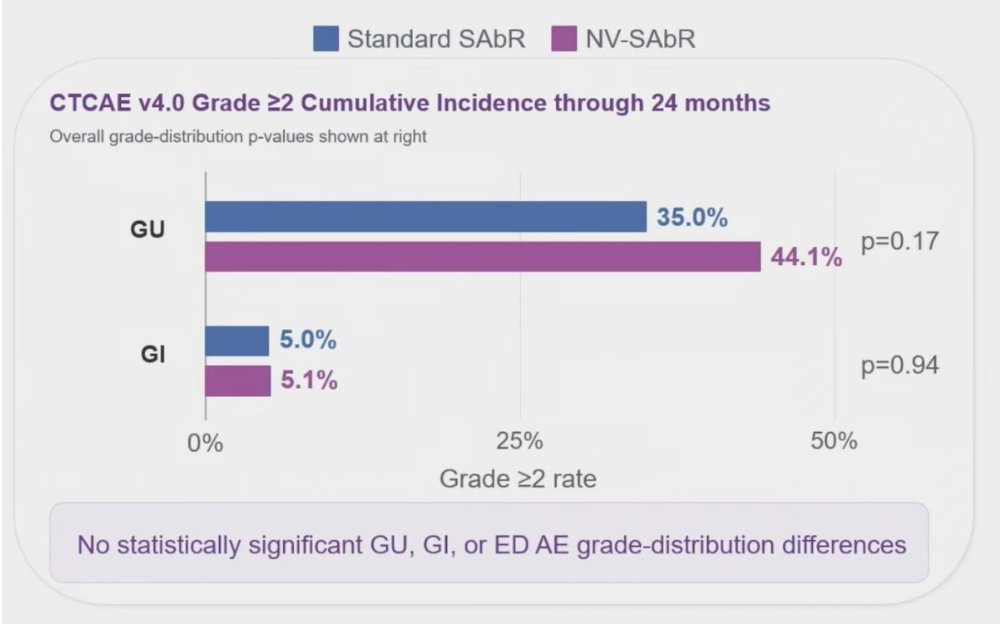
UroLift pre-SAbR (40 Gy in 5 fx) for PCa men w/ symptomatic BPH: updated phase I results (n=15)
🔹UroLift + spacer procedures: 100% technically successful; no intraoperative complications
🔹Acute toxicity limited to grade 1–2 GU events; no grade ≥3 toxicity or hospital admissions (median f/u: 15 mo)
🔹AUASS improved from 22.1 at baseline → 13.6 at 6 mo → 14.1 at 15 mo (p<0.001)
🔹EPIC-26 urinary obstructive/irritative score improved to 81.2 at 3 mo post-SAbR
📌UroLift pre-SAbR may provide durable LUTS improvement w/ a favorable safety profile Potentially broadening eligibility for ultrahypofractionated RT in men with concomitant BPH
@urotoday #ASTRO26
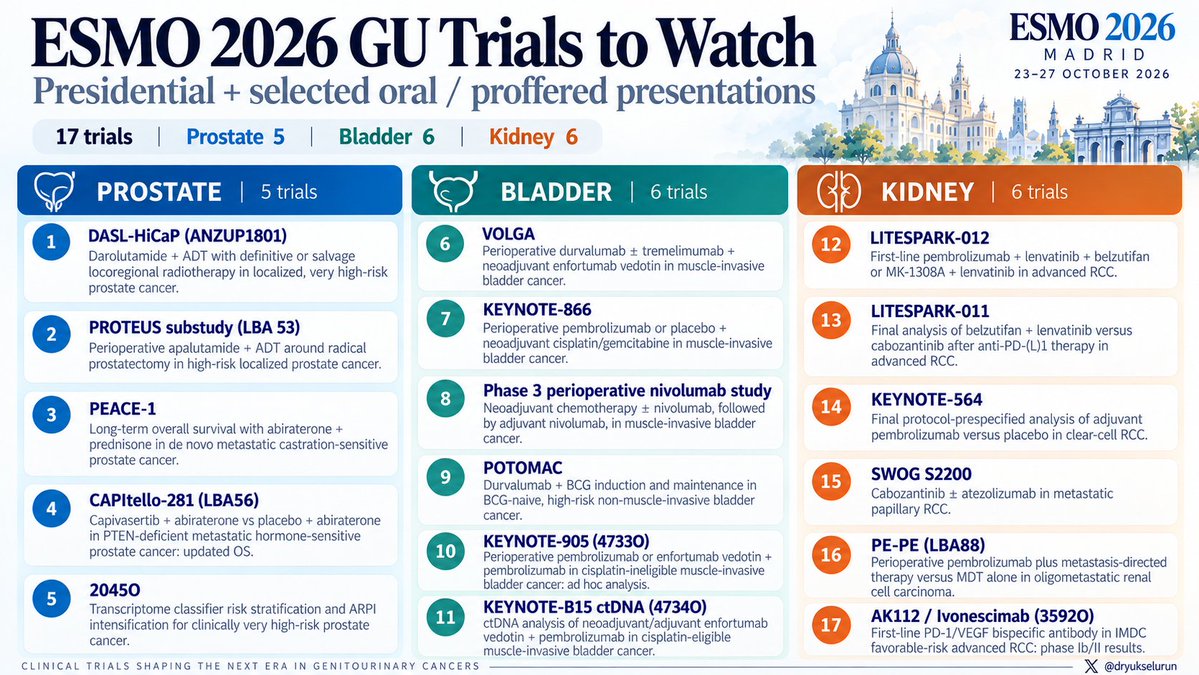
⚡️ FDA grants Priority Review to perioperative durvalumab + neoadjuvant enfortumab vedotin for cisplatin-ineligible MIBC.
Based on phase 3 VOLGA: significant improvements in EFS and OS vs cystectomy ± approved adjuvant treatment. PDUFA date: Q4 2026.
If approved, the first perioperative EV-based regimen given only before surgery.
https://t.co/IDWIsEsdkD
#BladderCancer @AstraZeneca @FDAOncology
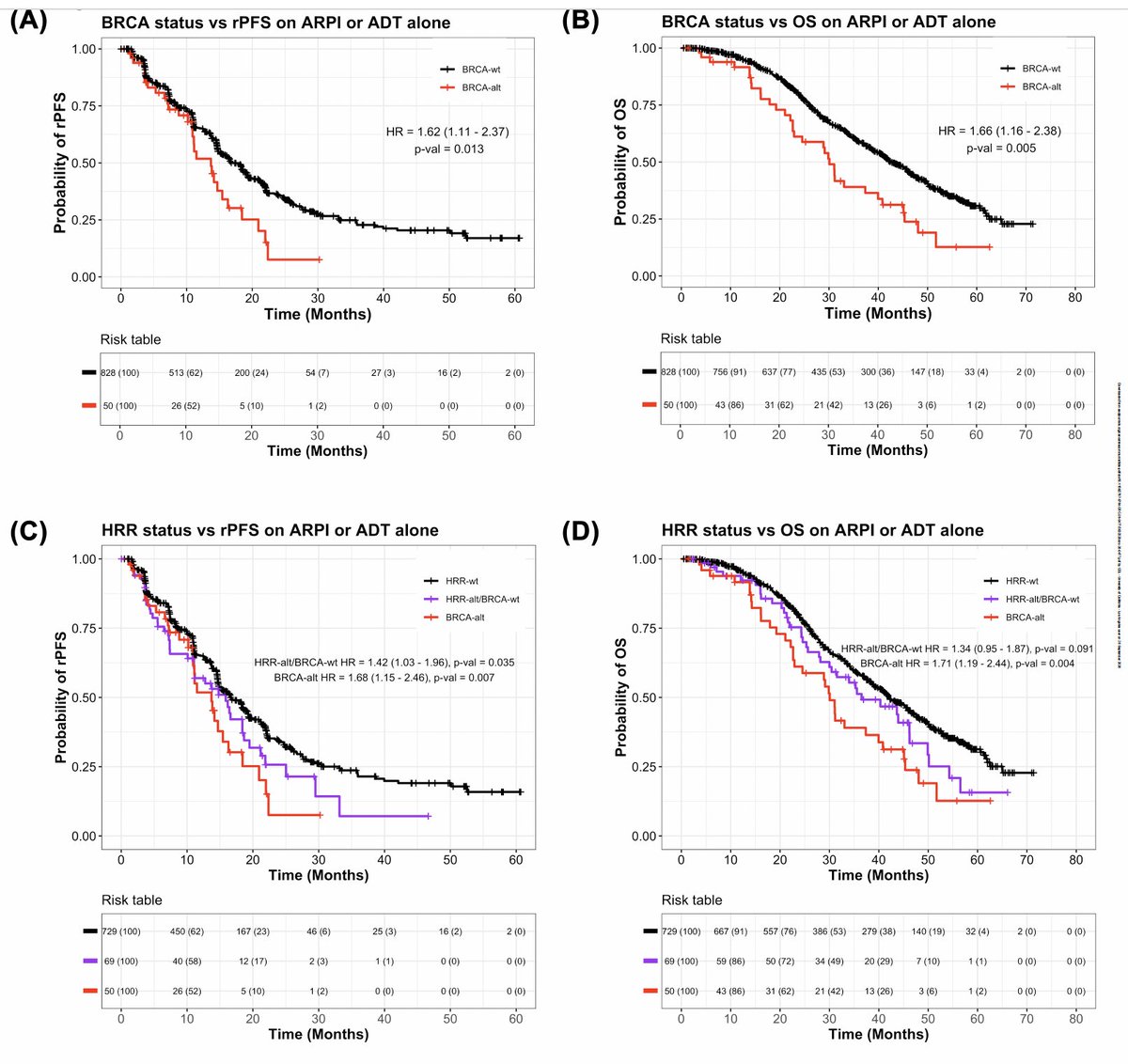
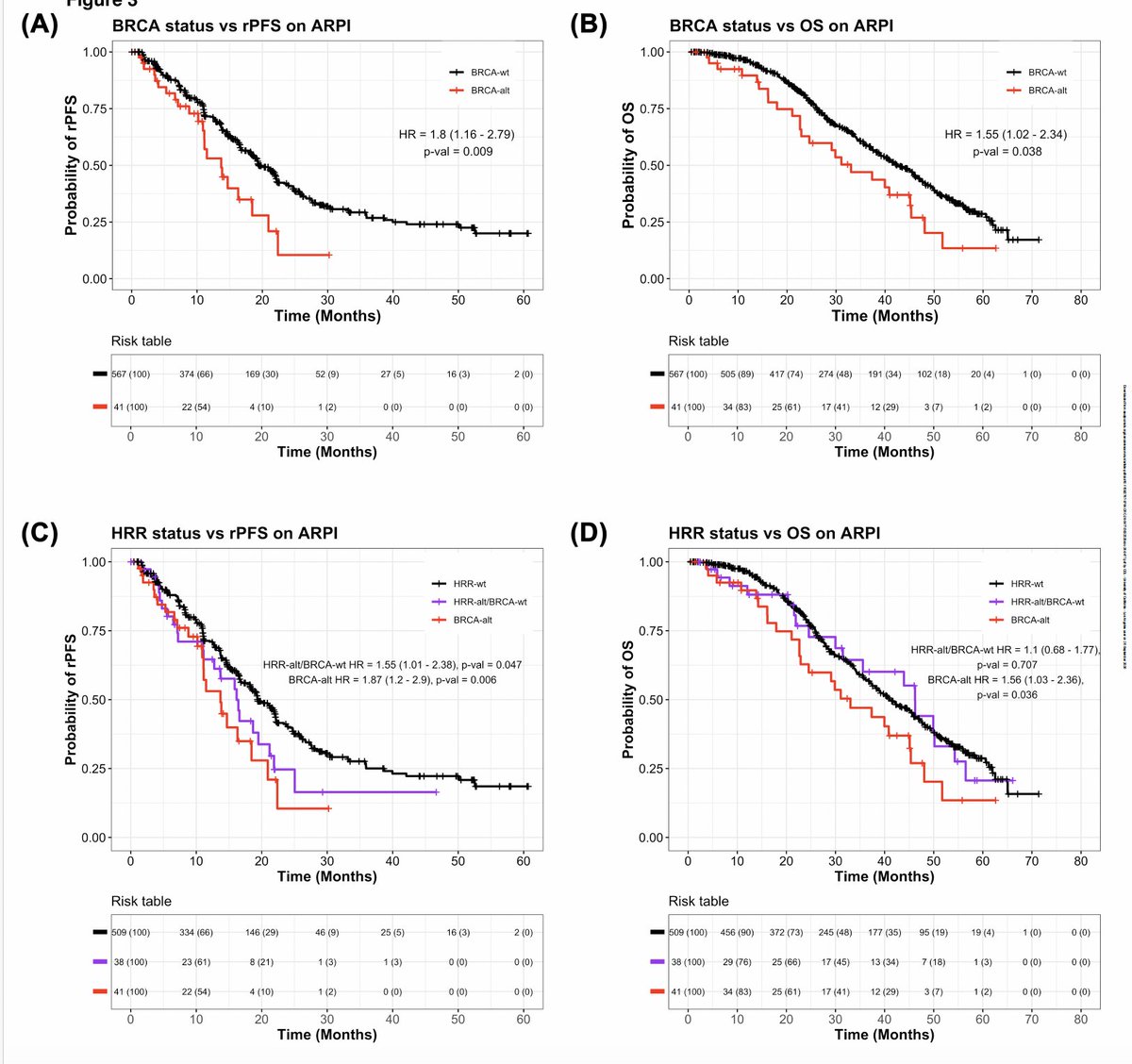
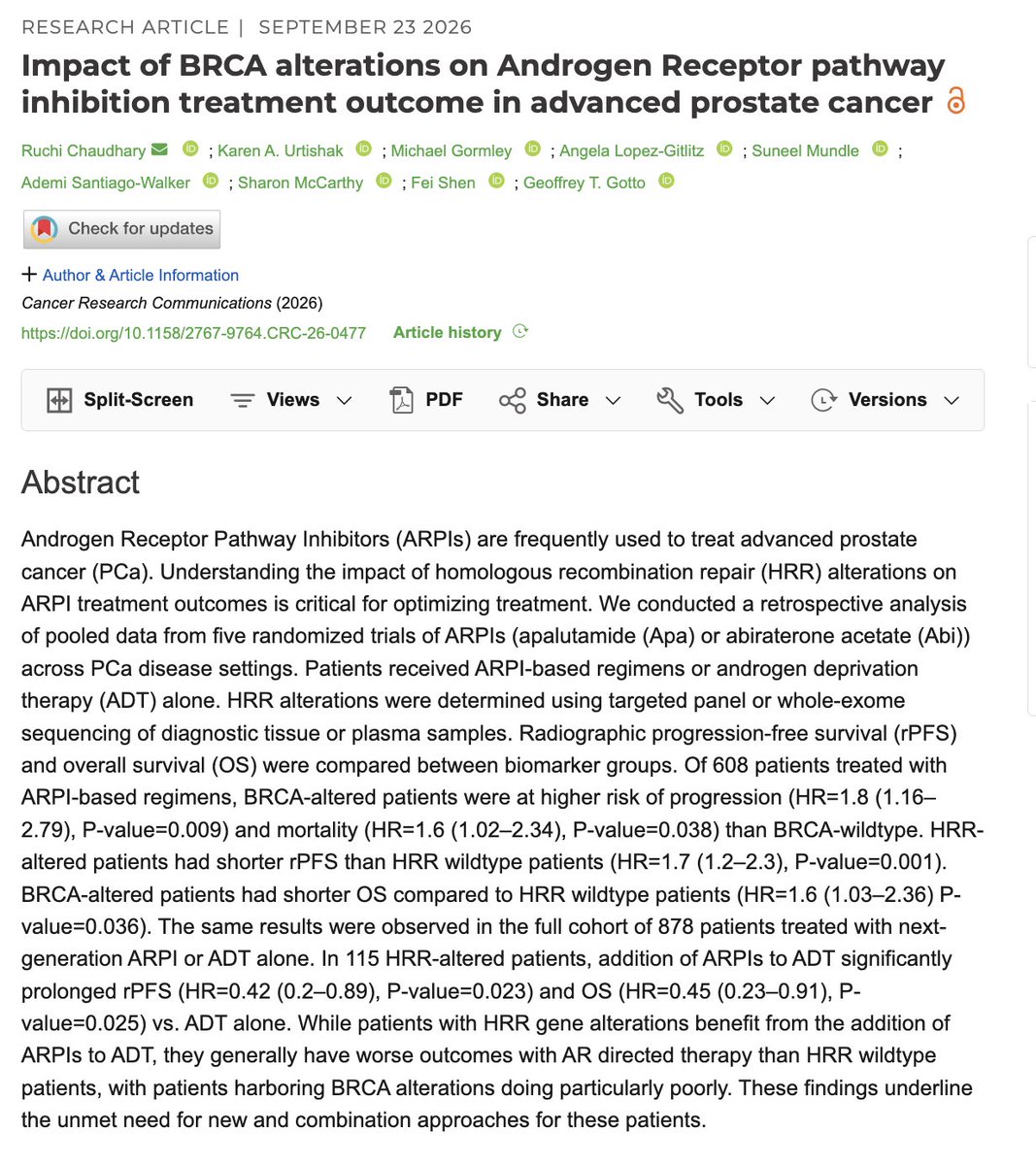
🚨 In advanced #ProstateCancer, BRCA status correlates with response to AR-directed therapy 🚨
@CRC_AACR@AACR, pooled analysis of 5 randomized ARPI trials (apalutamide or abiraterone):
👥 608 pts on ARPI-based regimens, HRR status by tissue or plasma sequencing
📊 Retrospective pooled biomarker analysis, endpoints rPFS and OS
✅ BRCA-altered pts did worse on ARPIs:
Progression HR 1.8 (1.16-2.79) p=0.009,
Mortality HR 1.6 (1.02-2.34) p=0.038
✅ HRR-altered (any) had shorter
rPFS, HR 1.7 (1.2-2.3), p=0.001
✅ HRR-altered men still benefit from intensifying: adding ARPI to ADT prolonged:
rPFS HR 0.42 (0.2-0.89)
OS HR 0.45 (0.23-0.91)
⚠️ Retrospective, ARPIs limited to Apa/Abi. Hypothesis-generating for combinations
🎯 HRR and especially BRCA alterations = aggressive biology, still, they benefit from ARPi benefits
🔗 https://t.co/k21SoVamn9
@UroOnc@PCFnews@PCF_Science@SUO_YUO@UrologyTimes@urotoday
🗣️ The updated @myESMO guidelines for advanced and metastatic #ProstateCancer are a pleasure to read.
🙏 Huge clarity to an increasingly complex field: elegant treatment algorithms, practical guidance for clinical decisions, and recommendations that are clear about the strength of the evidence. I particularly appreciate that the authors are willing to take a position where clinicians need one.
Congratulations and thanks to #KarimFizazi and the entire international, multidisciplinary author group. This is a valuable resource for all of us caring for patients with prostate cancer, wherever we practise.
I would love to hear what colleagues around the world find most useful in the new algorithms.
Advanced and metastatic prostate cancer: ESMO Clinical Practice Guideline for diagnosis, treatment and follow-up☆ - Annals of Oncology https://t.co/ERWFjRSEpn
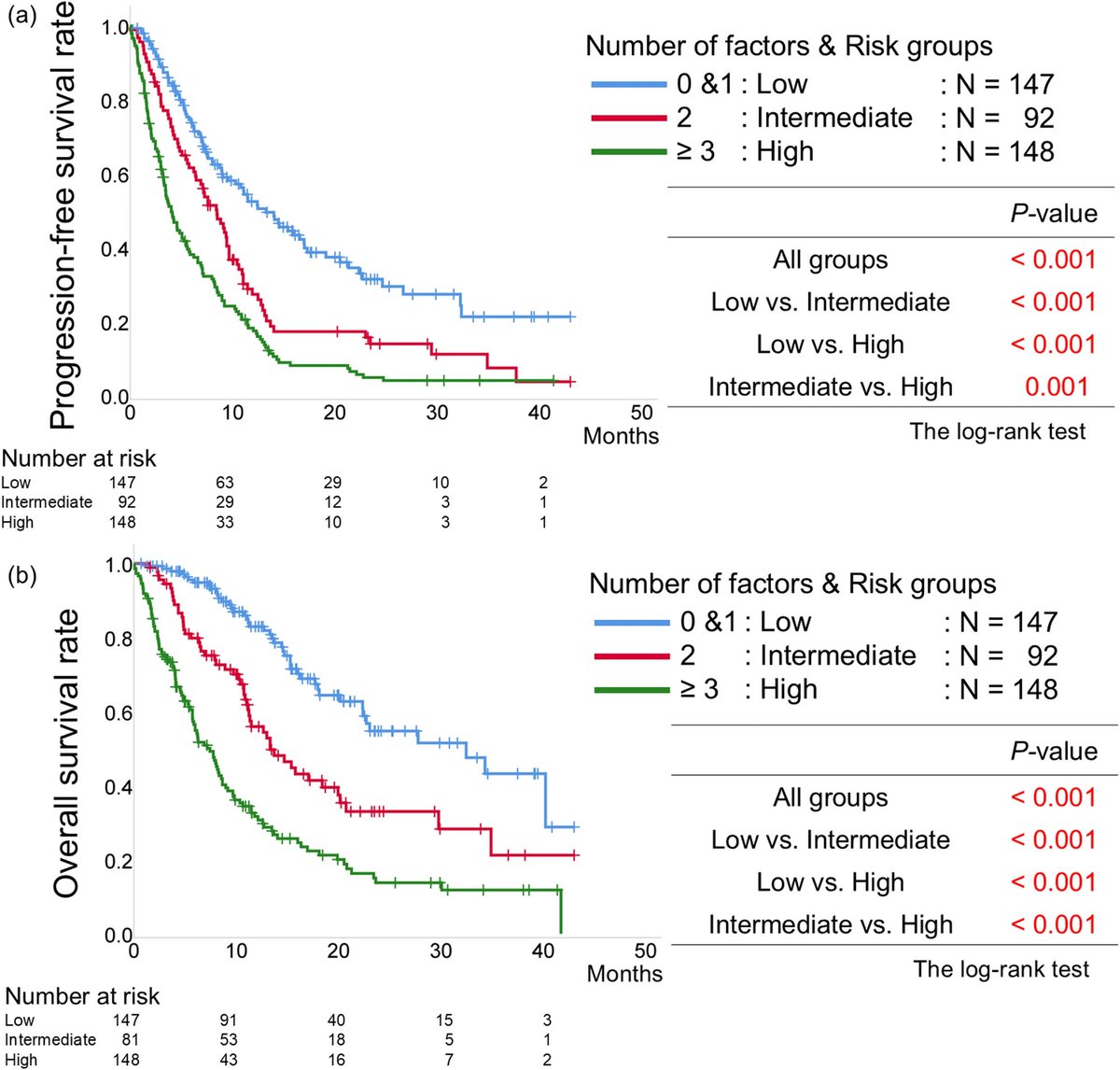
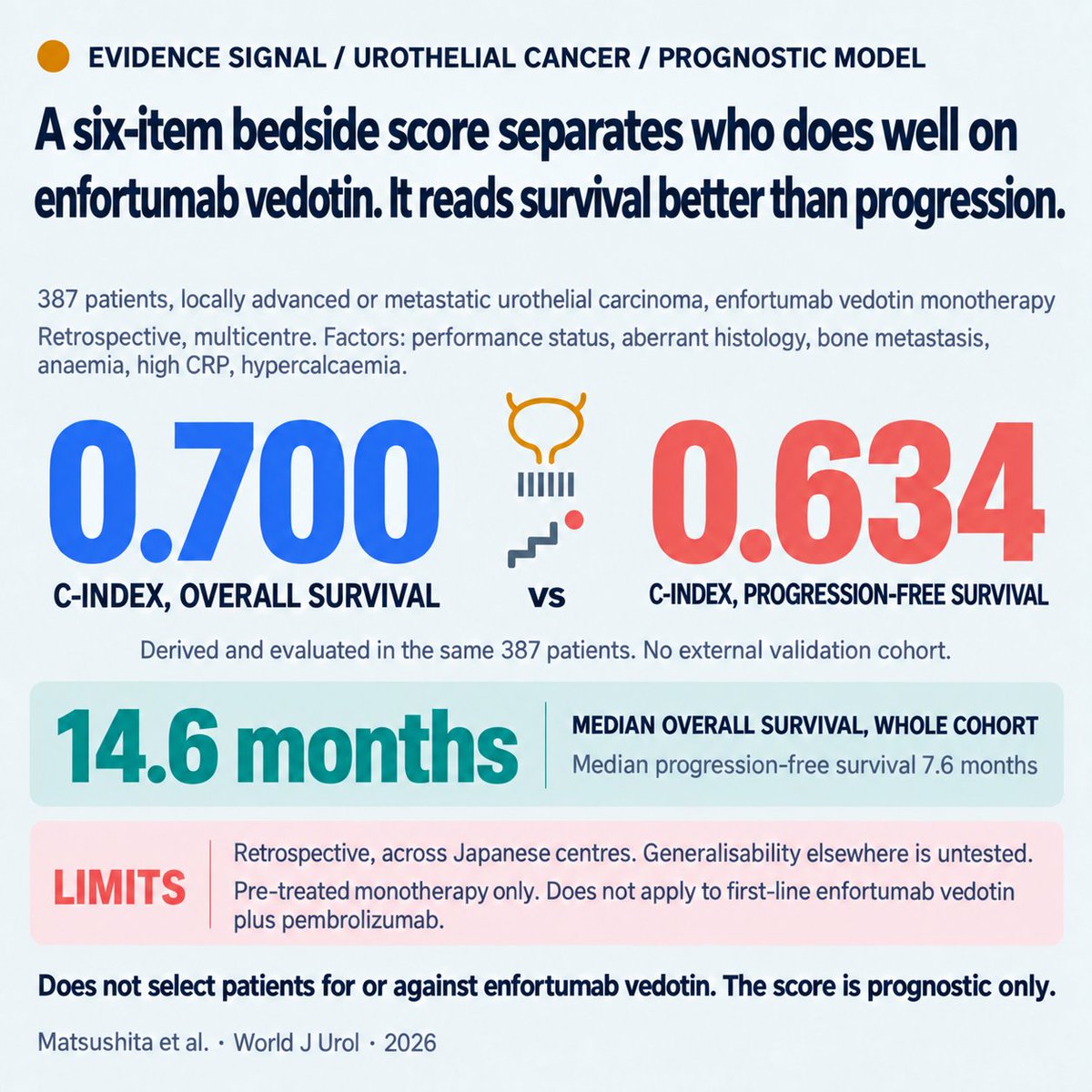
IMDC but for EV
Prognositication tool to help guide a patient starting enfortumab vedotin what the next year looks like is guesswork. Six routine variables: ECOG, aberrant histology, bone mets, hypercalcemia, anemia, and elevated CRP.
📈 C-index 0.700 for overall survival in 387 pre-treated patients, 0.634 for progression
⏳ Median overall survival 14.6 months, progression-free survival 7.6 months
🔍 Derived and evaluated in one cohort, Limitations retrospective and not validated in independent cohort
👉 https://t.co/G2vIOnbOXt
#BladderCancer #UrothelialCA #GUonc
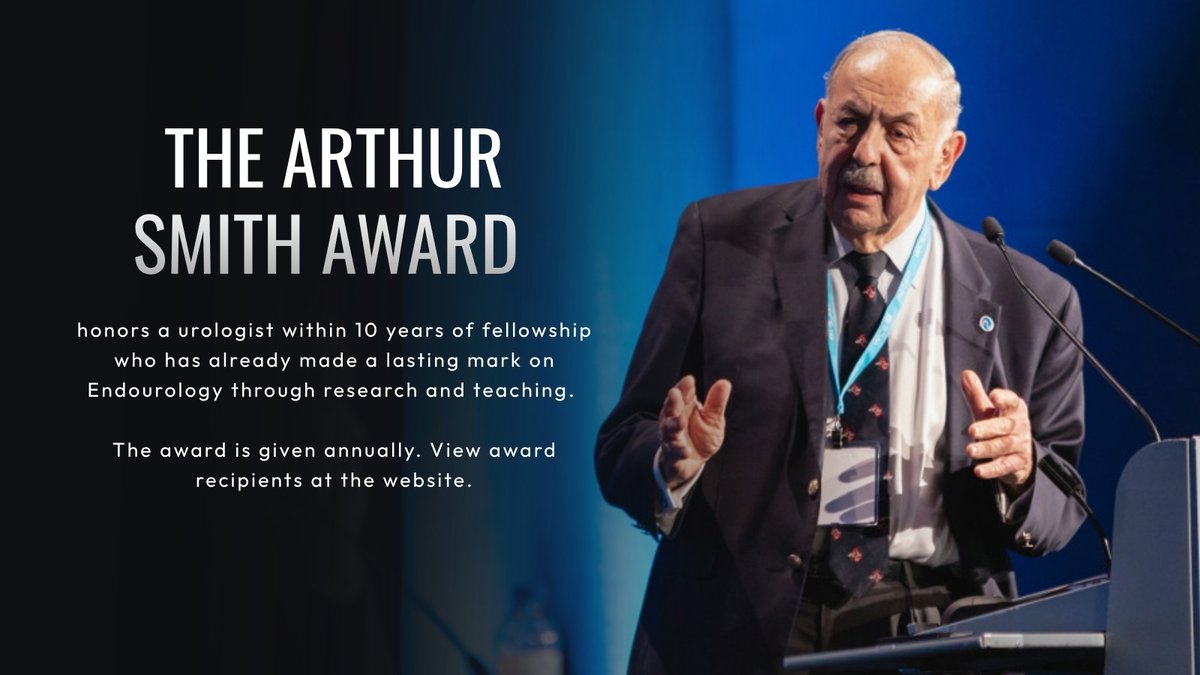
The Arthur Smith Award honors a urologist within 10 years of fellowship who has made a lasting mark on Endourology through research and teaching. View past recipients on our website. https://t.co/6uz13OXve0














![pcan_journal's tweet photo. Cribriform pattern and intraductal carcinoma predicted biochemical recurrence after radical prostatectomy (adjusted HR 2.59) in this meta-analysis. Standardized reporting may strengthen postoperative risk stratification.
🔗[https://t.co/voTVaJSihq] #ProstateCancer #Pathology https://t.co/TsN2InDTIq](https://pbs.twimg.com/media/HR3JtrDb0AA0Vsr.jpg)