Retreatment after BPH surgery: what the meta-analyses actually show.
Most studies report reoperation. Medical retreatment (restarting an alpha-blocker or 5-ARI after the procedure) is almost never meta-analyzed. A quick review of the evidence. @Endo_Society@AmerUrological
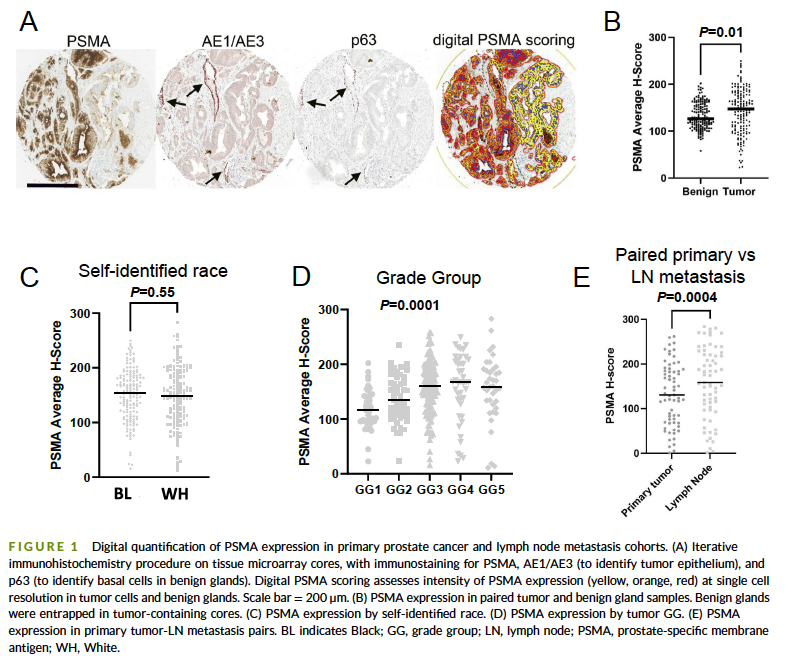
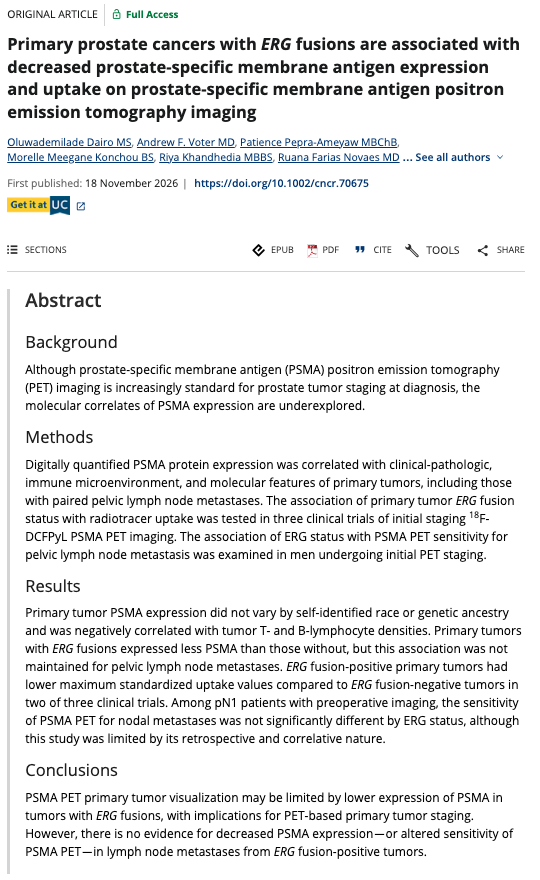
🚨 ERG-fusion #prostatecancer are less visible on PSMA PET 🚨
@JournalCancer
👥 327 primary tumors (222 ERG-neg, 105 ERG-pos), paired LN mets, + 3 PSMA PET trials (18F-DCFPyL)
📊 Retrospective, correlative: digital PSMA H-score + SUVmax by ERG fusion status (ERG+ in ~30%)
⏱️ Preop imaging, before ADT
✅ Primary tumor PSMA lower in ERG-pos: median H-score 127.5 vs 162.0 (p<.0001)
✅ SUVmax lower in ERG-pos in 2 of 3 trials: 4.9 vs 12.4 (p=.01) and 7.0 vs 19.8 (p=.04); no diff in the third (14.4 vs 9.8, p=.53)
✅ LN mets: no PSMA difference by ERG status (p=.67)
⚠️ Retrospective & correlative
🎯 ERG fusions primary-tumors are less visible on PSMA PET
🔗 https://t.co/eFNvSMY6FH
@UroOnc@urotoday@UrologyTimes@PCF_Science@LotanLab@brady_urology
🚨 Major shift: @AmericanCancer now directly recommends routine PSA screening for #prostatecancer, moving off pure shared decision-making 🚨
@CACancerJournal
📋 Average risk: PSA every 2 yrs, ages 50-69
📋 High risk (Black men; first-degree relative dx <65 or multiple at any age): annual PSA, ages 45-69
📋 Non-Black w/ one first-degree relative dx ≥65: every 2 yrs, ages 45-69
🔬 Age-adjusted elevated = PSA ≥3.0 (ages 45-69) or ≥6.5 (70-74); repeat in 2 wks to 3 mo, then MRI and/or validated biomarker before biopsy
🛑 70-74 individualized; not recommended ≥75 or if life expectancy <10 yrs
⚠️ Still requires informed consent on benefits, limits, and harms, and departs from USPSTF’s grade C for 55-69
🎯 ACS has moved from “discuss it” to “do it” for average-risk men 50-69 and high-risk men from 45, its biggest change since 2010
🔗 https://t.co/LJRpxycWE8
@UroOnc@urotoday@UrologyTimes@PCF_Science@AmerUrological
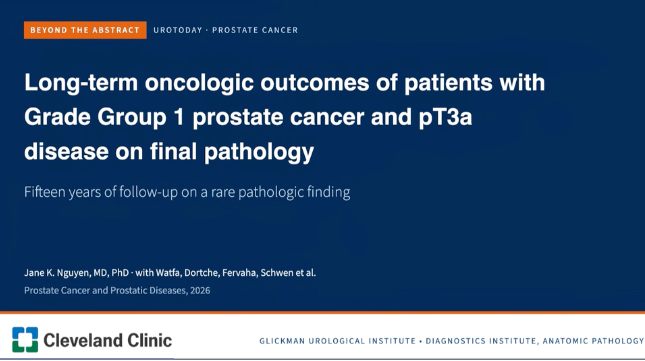
Long-term oncologic outcomes of patients with grade group 1 #ProstateCancer and pT3a disease on final pathology.
In 40 men with centrally confirmed Grade Group 1 prostate cancer and pT3a disease, none developed metastases or died of prostate cancer. Adverse histology, not stage alone, drives clinically meaningful risk. #AuthorCommentary on UroToday > https://t.co/i7sQHHLEvs @JaneNguyen44@ZSchwen@MWatfa26@CleClinicUro@pcan_journal
⚡️ Phase 2 trial in RCC with inferior vena cava tumor thrombus: neoadjuvant stereotactic ablative radiotherapy (SAbR) followed by surgery (n=23).
1-year recurrence-free survival: 71.4% — above the 55.7% historical benchmark. Thrombus downstaging in 22%.
A promising approach for one of the most challenging complications in kidney cancer.
#KidneyCancer #RCC @JAMAOnc
https://t.co/hxqFmaqXGe
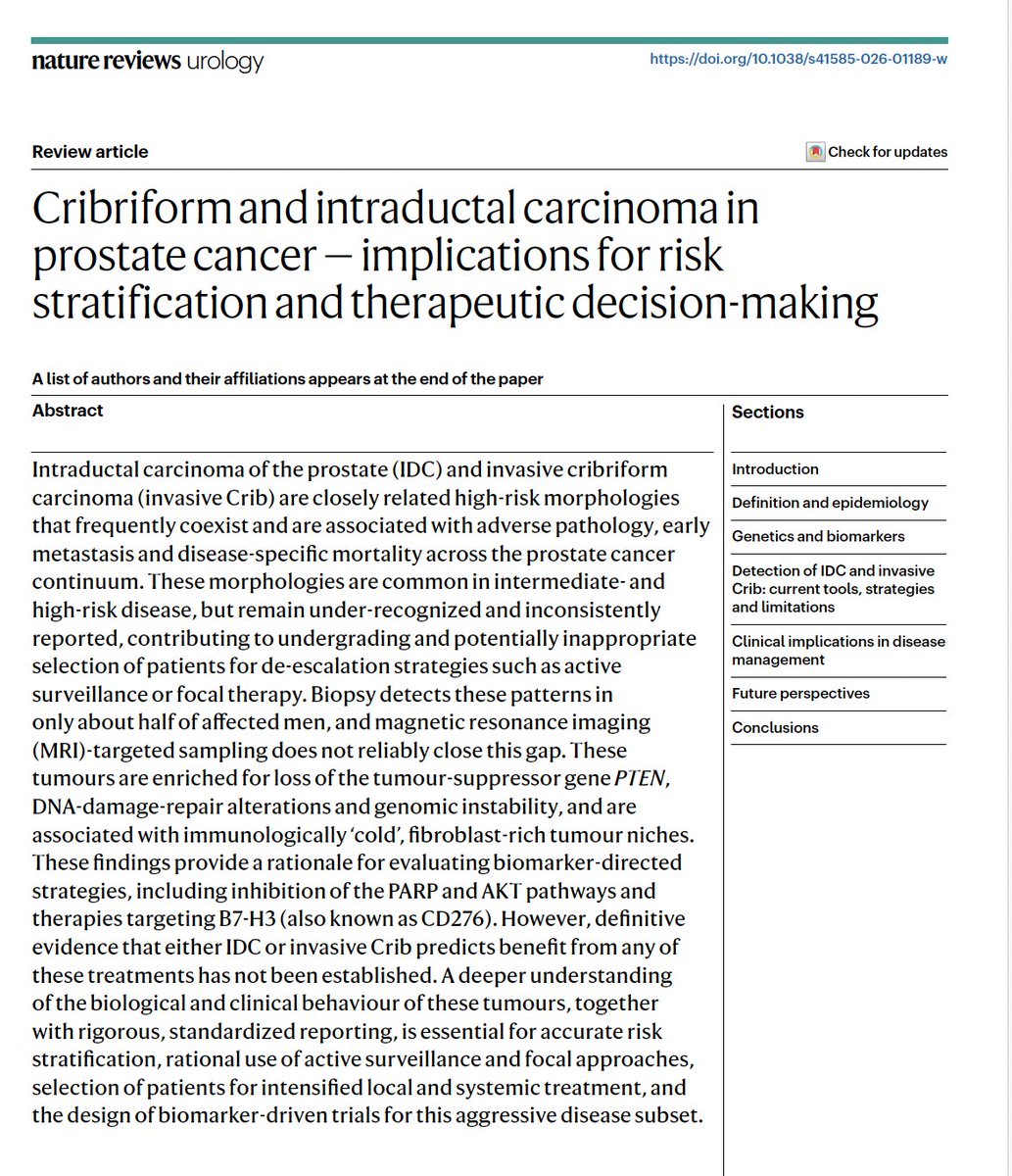
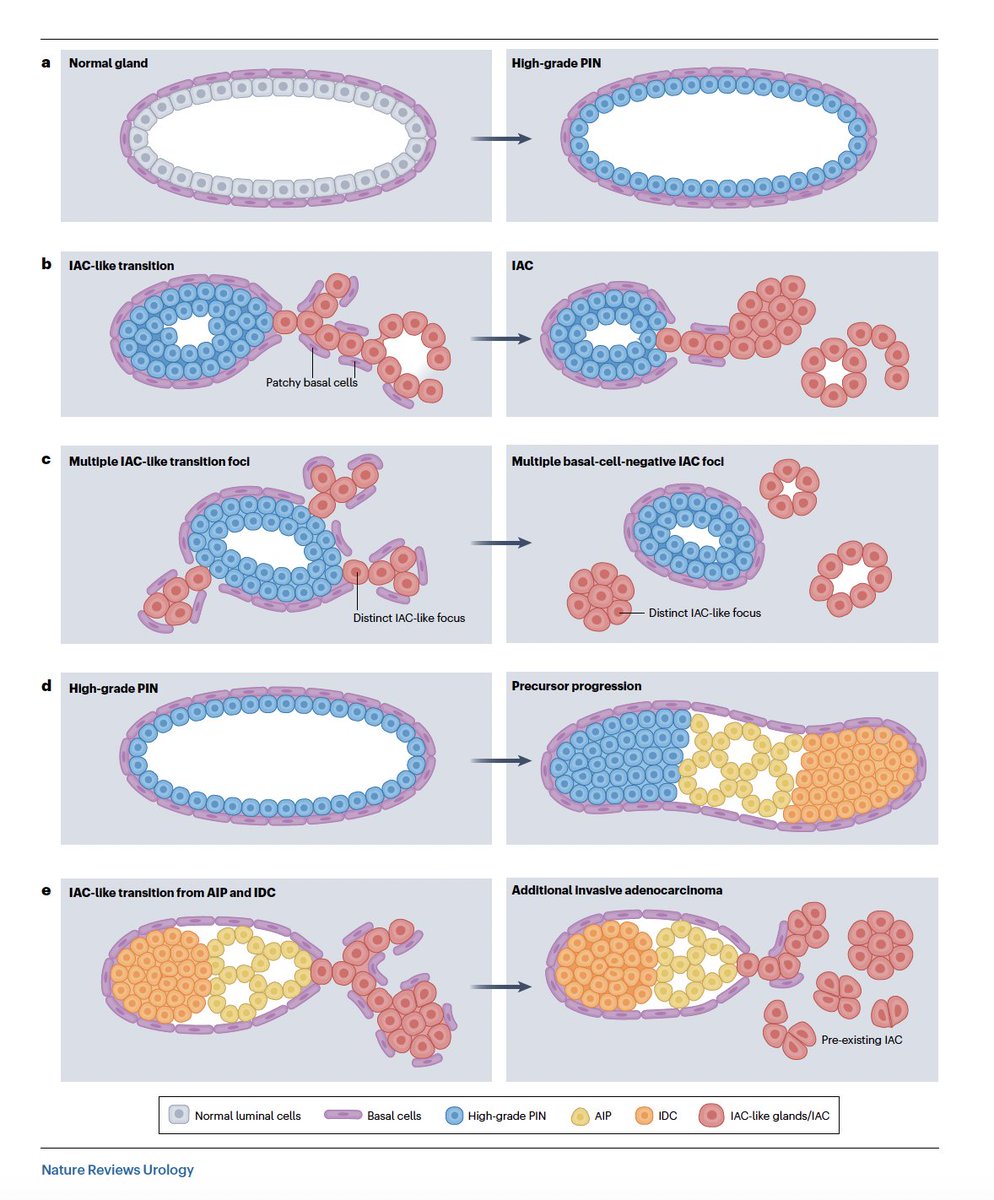
🚨 New review in @NatRevUrol 🚨
🔬Cribriform & intraductal carcinoma (IDC) of the prostate: the high-risk histology
@ruimmbernardino
🧬 IDC + invasive cribriform independently predict adverse path, mets & PCa death,
🔎 Biopsy catches them in only ~half of men who harbor them, and MRI targeting doesn't close the gap
📈 Prevalence climbs w/ risk: ~2% in low-risk to >50% in metastatic/recurrent
🧪 Enriched for PTEN loss, DDR alterations, genomic instability & an immune-cold, fibroblast-rich niche
🎯 Bottom line: It should be reported and more is to come on how it should factor into decision making
🔗 https://t.co/8v3V4jc4YY
@AmerUrological@UroOnc@urotoday@UrologyTimes@PCF_Science
🚀 Save the date for the Imperial Prostate Masterclass 2027! #ipmasterclass27
Join leading experts from around the world for cutting-edge lectures and hands-on training sessions! 🌍🔬
📅 Friday 16 April - Saturday 17 April 2027
🎟️ Register your interest: https://t.co/gxtLII1gSB
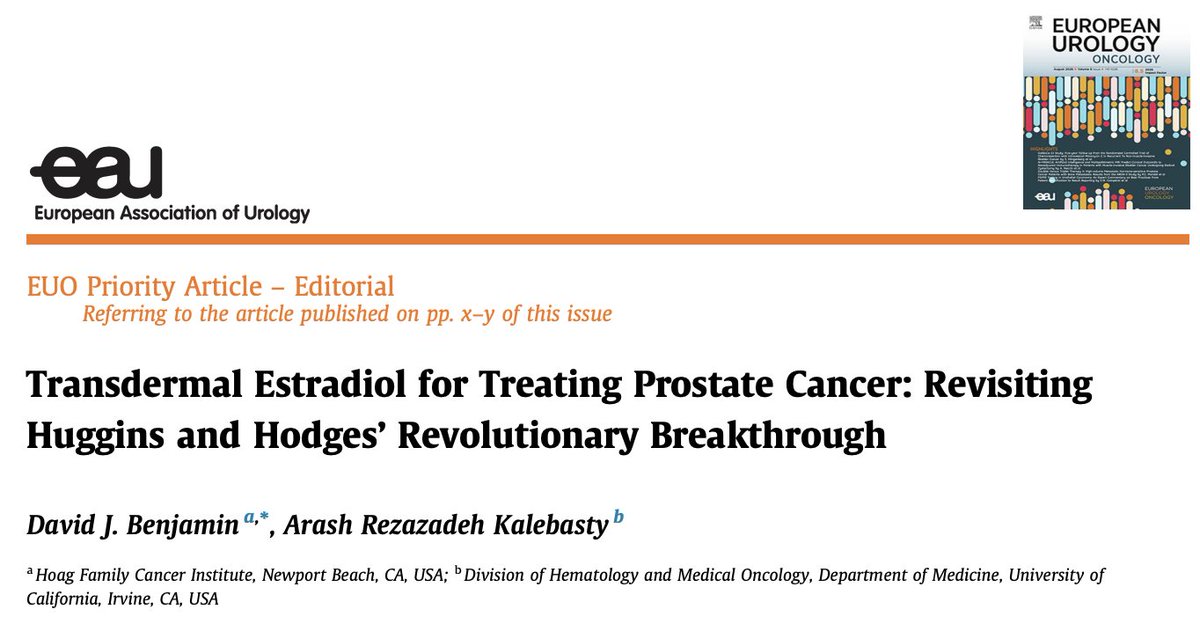
Can we improve androgen deprivation therapy for treating prostate cancer?
In @EurUrolOncol, @ArashRezazadeh6 and I discuss the data for transdermal estradiol (tE2) patch.
Despite a phase III study being published several months ago, tE2 remains absent from treatment guidelines.
There are several advantages to tE2 including less hot flashes, less negative effect on bone health, and less financial toxicity.
Link (free text): https://t.co/Dqe8hv7esY
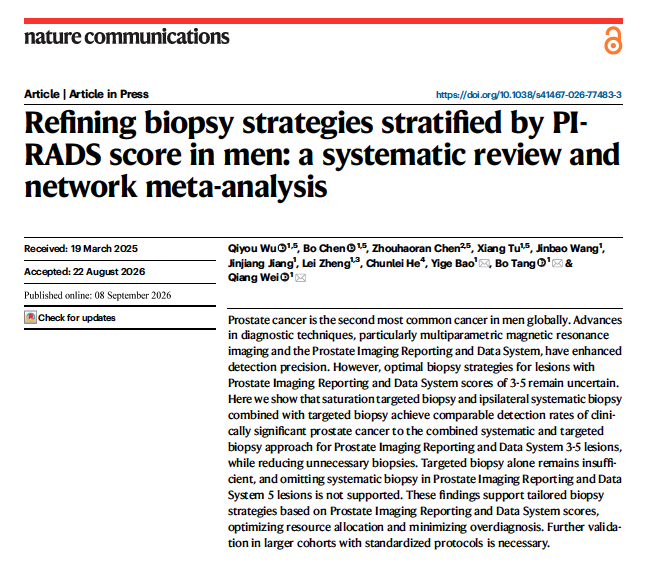
🚨 For pts w/ MRI-visible prostate lesions, you may not need to sample the whole gland to catch the #prostatecancer that matter 🚨
@NatureComms, Network meta-analysis:
👥 61 studies, ~26k men w/ PI-RADS 3-5 lesions
📊 Bayesian NMA of 8 biopsy schemes vs standard systematic + targeted biopsy (SB+TB)
✅ Saturation targeted biopsy & ipsilateral SB+TB matched full SB+TB for grade group (GG)≥2 detection across PI-RADS 3-5, w/ fewer cores
📉 PSA density (~0.1 to 0.12 cutoff) can flag which PI-RADS 3 men safely skip biopsy, ~30% fewer biopsies w/ few csPCa missed
⚠️ TB alone and SB alone missed GG≥2 in every subgroup.
⚠️ Meta-analytic, no direct prostatectomy-pathology validation
⚠️ Do those couple saved core matter clinically?
🎯 For MRI-positive men you can trade full whole-gland templating for regional sampling (saturation TB or ipsi SB+TB) without missing GG≥2
🔗 https://t.co/Ax92m9gC2K
@PCF_Science@PCFnews@UrologyTimes@urotoday@UroOnc@SUO_YUO@AmerUrological
We need to inform to you that there is no any strange about 25 years after offer a FT there is still no the completed RCT comparing it head-to-head with other modalities and with more than 10 years of follow-up
Technical advances have routinely preceded randomized evidence by a wide margin.
Let’s take some example in the RT
PT was used for prostate cancer for roughly 30 years before the first randomized comparison with photons. That trial,PARTIQoL had QoL at only 24 months as its primary endpoint.
Brachytherapy monotherapy has never been compared in a published RCT to other modelaity.
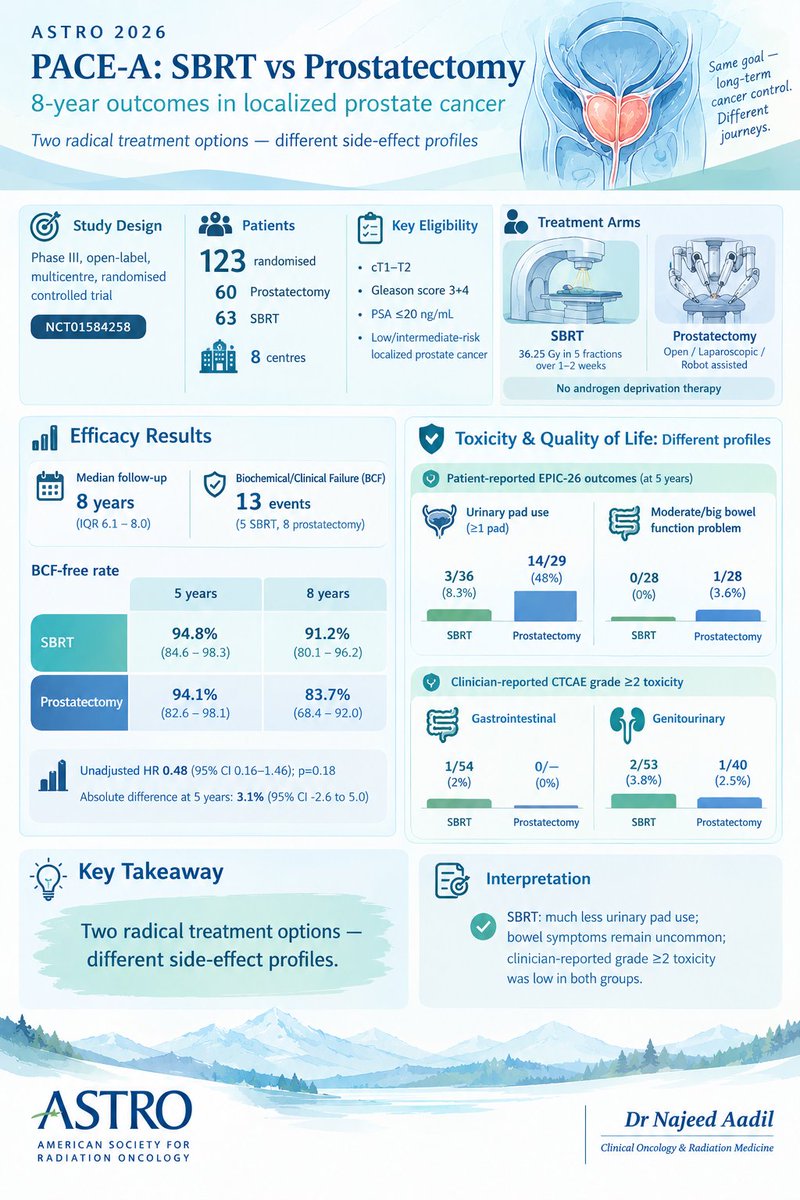
SBRT follows the same pattern. The only cross-modality randomized comparison with RT is PACE-A(the study thay you show) is slow accrual, a small sample, and a primary endpoint reduced to QoL f/u .at 2 years rather than long-term
To require that FT produce a cross-modality RCT with median f/u > 10 years before it can be discussed in clinical practice is a standard that was not applied to protons, brachytherapy, or SBRT
Testosterone therapy in men on active surveillance for prostate cancer is not associated with increased risk of disease progression https://t.co/r9rOuOonO5
A multidisciplinary team (MDT) meeting convenes urologist, radiologist, pathologist, & oncologist to review MRI, biopsy, and medical history in a single session. Under the Montgomery ruling (2015), the MDT should list all reasonable treatment options — including focal therapy — not just locally available treatments. Understanding how MDTs work helps patients advocate for comprehensive care https://t.co/H9G71Vb3Jp
📢@UrolOncol August issue! #ProstateCancer
Adverse pathology and low tumor volume in biopsy Gleason 3 + 4 prostate cancer: Toward safe expansion of active surveillance and focal therapy by Yu Ozawa and @vipulpatelmd et al.
🔗https://t.co/v3V9AFhjZg
Presumably SBRT for localised favourable intermediate PCa will be rolled back following this RCT of 698 patients randomised in 136 international centres; designed and powered a priori as superiority of cancer control for SBRT over MH-IMRT, but wasn’t?
https://t.co/GipkaM1C4A