Really interesting randomized data from #ASTRO26.
Wang et al. randomized 93 patients with solitary HCC ≤2 cm, all suitable for either treatment, to RFA vs SBRT 50 Gy/5 fx.
2-year LPFS:
• RFA: 87.0%
• SBRT: 91.5%
• Difference +4.5%, meeting noninferiority
2-year OS was ~98% in both arms, with similar acute toxicity.
Small, single-center interim trial with a wide CI, so I would not overinterpret it. But this is another prospective randomized data point supporting SBRT as a legitimate definitive ablative option for small HCC, not simply a fallback when RFA (or other invasive interventions) cannot be performed.
#OncTwitter @NiuSanford@KrishanJethwa@nbn426
We reject the RT omission dogma.The future of rectal cancer care lies in tailored RT and dose escalation,ensuring that we protect our pts not only from surgical mutilation but also from the systemic overtreatment that threatens their QoL and OS. https://t.co/w5HhZ4riWQ @JCO_ASCO
Really useful app for estimating OAR cumulative dose & dose reserve for re-irradiation planning by @jryckman3!
We are going to record a video going through some case examples.
Let us know if any specific qs.
https://t.co/YKMF3va71A
Learn about NRG-GI012, a Ph3 RCT of IO +/- SBRT in HCC w Macrovascular Invasion!
W the great Drs. @jen_wo_xrt (PI) & @ldawsonmd.
Please enroll on this pragmatic RCT to help define the role of SBRT in a pt population w significant unmet need.
Clips here, full video link below.
Definitive Radiotherapy to the Primary Tumor in Stage IV NSCLC: A Consensus Statement From the International Association for the Study of Lung Cancer Advanced Radiation Technology Subcommittee - Journal of Thoracic Oncology https://t.co/TcXhgMqRts
The entire @Sunnybrook spine #SBRT team has come together to share 17 years of research and clinical observations in this review for @NatRevClinOncol. We are a true multidisciplinary team that have had a singular focus to develop the technique and evidence https://t.co/IHALJ97ZCa
Is a CTV needed for SBRT non-spine/sacrum bone mets?
261 bone mets 30/3 SBRT
1 & 2Yr LC 85% & 77%
No diff LC w or w/o CTV although trend favored larger CTVs (2cm)
https://t.co/IFyEVpDqNq
If you're interested in SABR, check out this interview with 3 of the OG SABR pioneers in the @ijrobp special issue: Drs. Hiroshi Onishi, Suresh Senan, and Robert Timmerman.
https://t.co/y8zR2jssti
Pleased as punch to be invited onto the Deep Margin podcast, now a fixture in HN calendar.
Privilege to follow @DavidSherMD@DrUppaluri
Great fun chatting salvage surgery with @nearlobey@will_oncology Serious topic, yet an easy listen. Do tune in https://t.co/iztg4KsqUz
Among patients with head and neck #MerkelCellCarcinoma, sentinel lymph node biopsy identified occult nodal disease in more than half of cases but showed reduced accuracy compared to other sites. https://t.co/fGuqeHuWLR
#YAU_RenalCancerSpotlight No. 8
📌 Editorial comment: current evidence comparing SBRT and ablative therapies for localized RCC, highlighting strengths, limitations & unmet clinical needs
https://t.co/yHZWVdrd0L
📖 Available on @MUN_journal@TheLancetOncol@OncoAlert
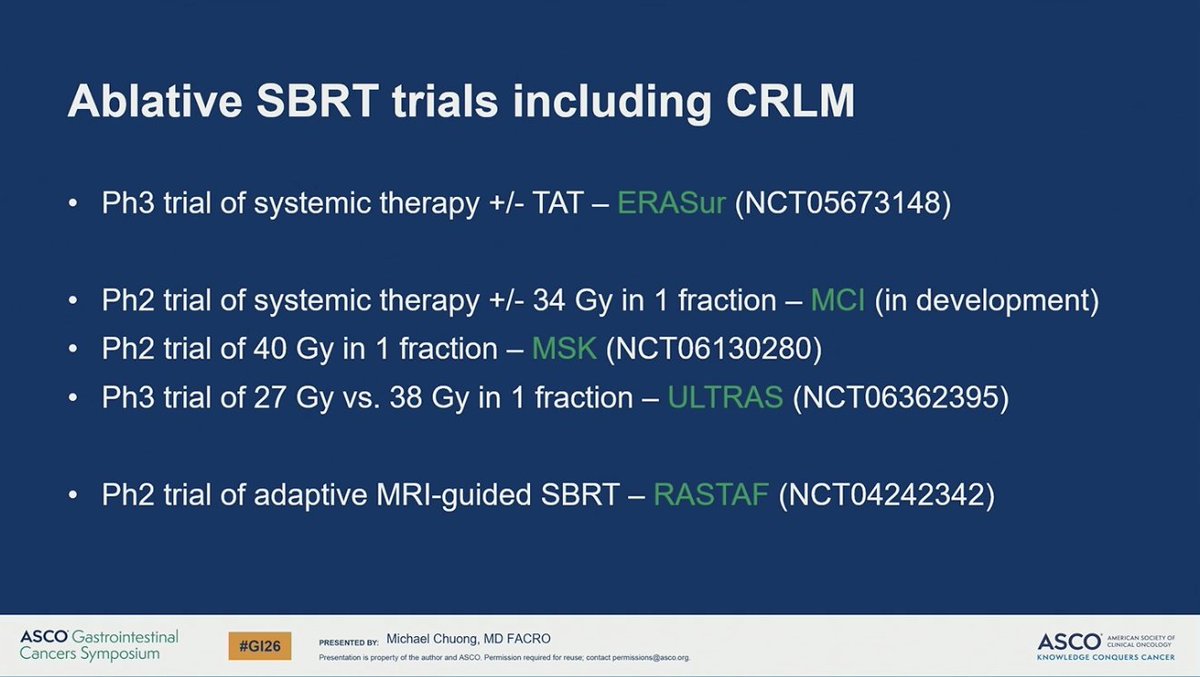
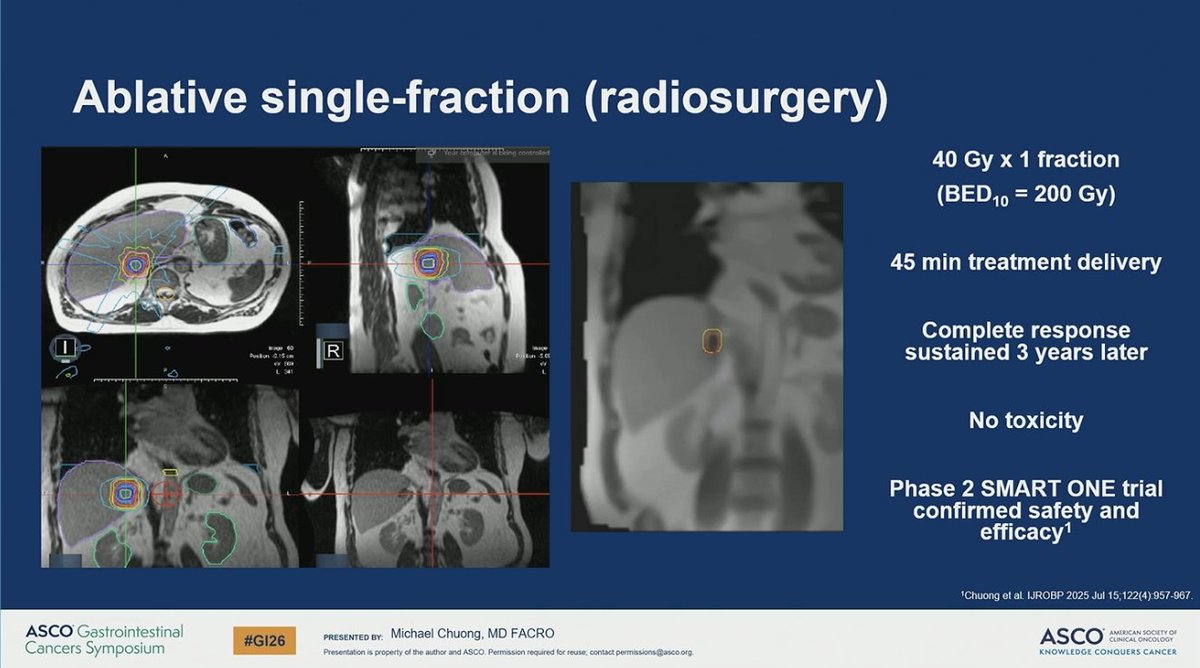
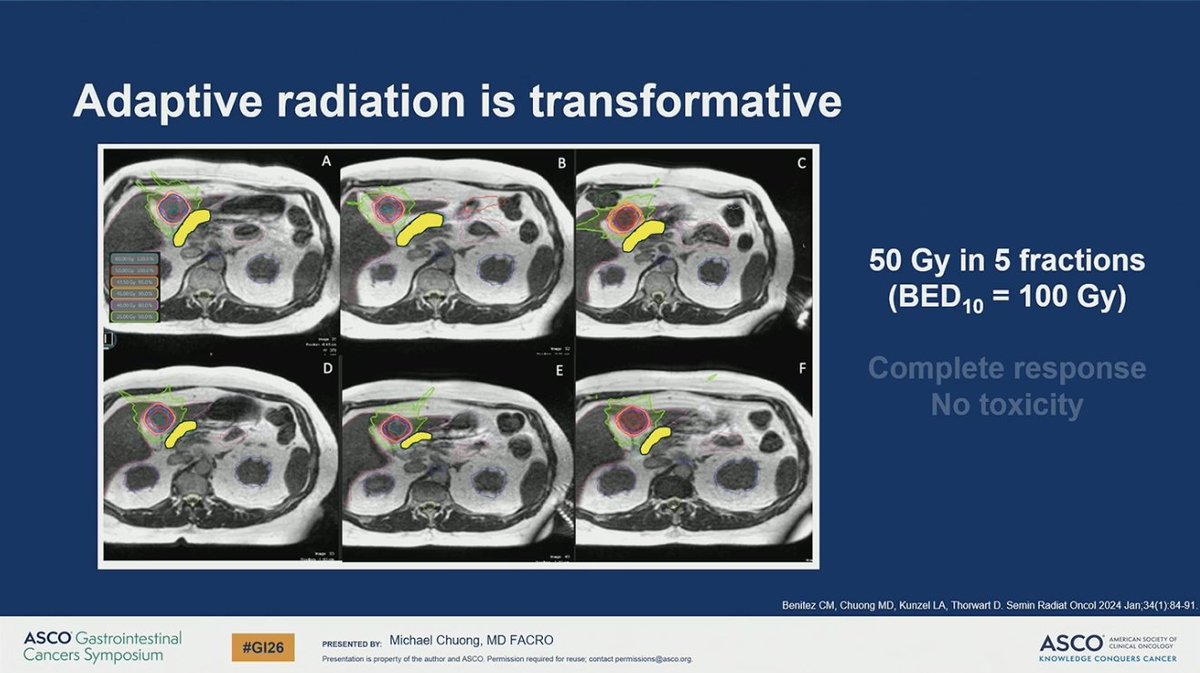
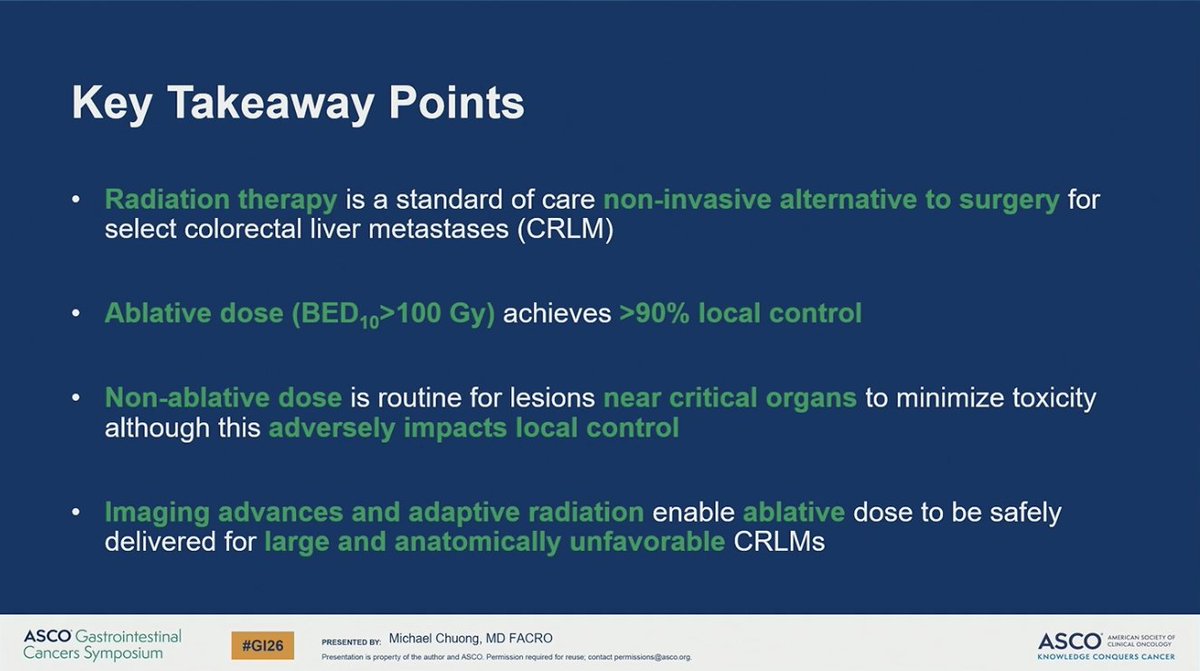
Great presentation on advancements in RT for liver metastases.
Ablative RT can be curative, non-invasive, & efficient.
No better person than @MikeChuongMD to highlight the evolution & potential of innovative RT technologies in this space. #GI26
Helpful #NasopharynxCancer review now available in @RedJournal! #RadOnc#NPC#hncsm
The latest on: 🔹 Treatment de-intensification 🔹 Immunotherapy intensification 🔹 Personalizing care with EBV DNA 🔹 Strategies for recurrent/metastatic disease
Free access: https://t.co/BvYW3c0as8
Includes great figures summarizing 2024/2025 consensus guidelines for primary and nodal radiation oncology target volume delineation. 👇
Jaw-dropping ctDNA data in rectal cancer thanks to the GALAXY study (the gift that keeps on giving)🤯🧬.
This prospective cohort from Japan looked at stage II–III rectal cancer treated with upfront surgery, no neoadjuvant therapy. It gives us one of the cleanest looks yet at postoperative ctDNA and who actually benefits from adjuvant chemo.
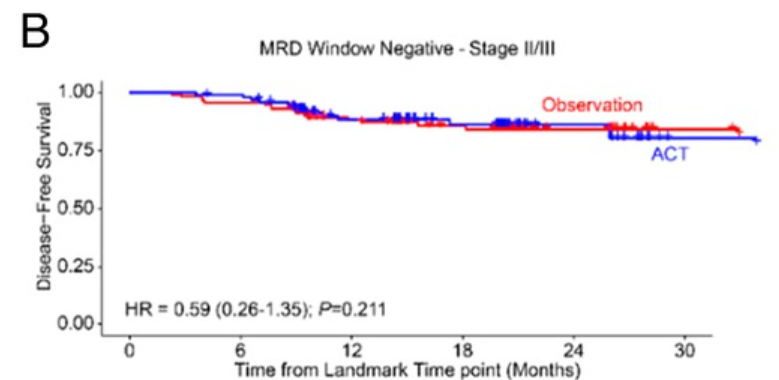
🩸 In the MRD window (2–10 weeks postop):
• 14% ctDNA positive → very high recurrence risk (HR ~10)
• 86% ctDNA negative → excellent outcomes with or without adjuvant therapy
💊 The key finding:
Among ctDNA-negative patients, adjuvant chemotherapy did not show a statistically significant DFS benefit (HR 0.59, p = 0.21), 2 year DFS 86.1% vs 84.2%. The direction favors treatment, but the study didn't demonstrate benefit with very wide confidence intervals due to low numbers of ctDNA + patients (35). The HR implies improvement, but the curves overlap...
In contrast, ctDNA-positive patients clearly benefited from adjuvant chemo (HR 0.28).
📈 Serial testing mattered. Patients who remained ctDNA negative did extremely well, while those who converted to positive had a sharp rise in recurrence risk.
Takeaway:
This strongly questions the value of adjuvant chemotherapy in ctDNA negative rectal patients after upfront surgery irrespective of stage.
Looking forward to discussing at #GI26 (and why ctDNA still isn't in NCCN CRC guidelines).
@OncoAlert@TheGutOncLab