The Banff 2024 meeting report is official! Link to the article (free access) is below- now get ready for the next Banff meeting, October 5-9, 2026, in beautiful Banff, Alberta, Canada!!
https://t.co/C0CkJ27vB3 @Renalpathsoc#renalpath
How many gene transcripts do you actually need to diagnose rejection phenotypes after kidney transplantation?
In our latest study in @KIReports, we found that the answer is surprisingly low!
https://t.co/eDgFZUlUAv
1/6
We now have a mass spectrometry test available for membranous nephropathy (MN) antigens.
Started in 2017 with no lab/funding (& still no lab/major funding)-one at a time-we were able to discover majority of MN antigens.
It was an idea that worked out.
https://t.co/RYozLKTxXp
Kidney-transplant microvascular inflammation has a varied clinical presentation. This study of more than 16,000 biopsy specimens supports the recognition of additional rejection phenotypes to standardize diagnostics. https://t.co/FzWH6RAY28
#KidneyWk
Dive into the #HORUS_CMV project with @hKminski, sharing insights on the team's efforts to understand #CMV's impact on transplant patients. Learn how they’re identifying signatures for personalised care to improve patient outcomes.
Watch the full video: https://t.co/BQEFJe2DWX
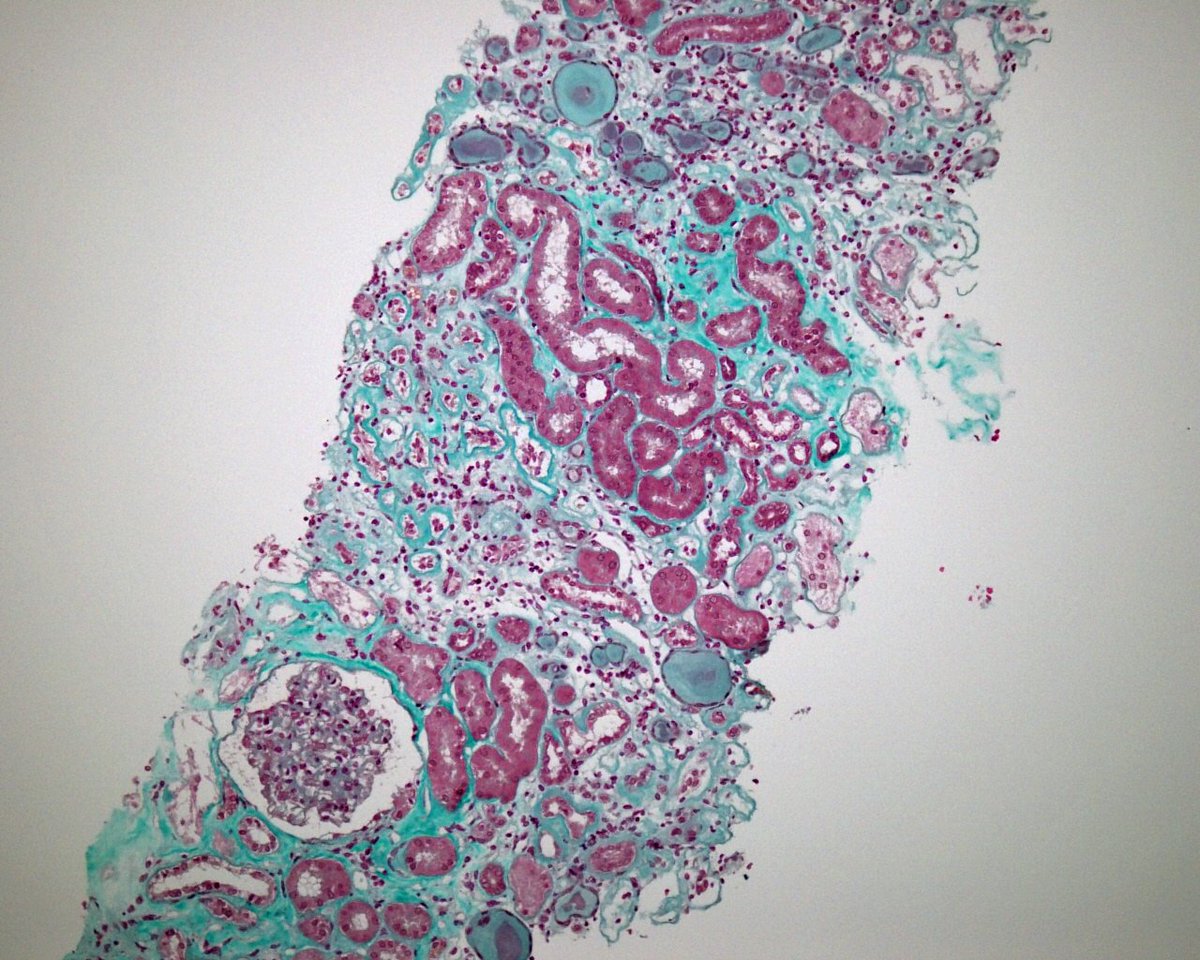
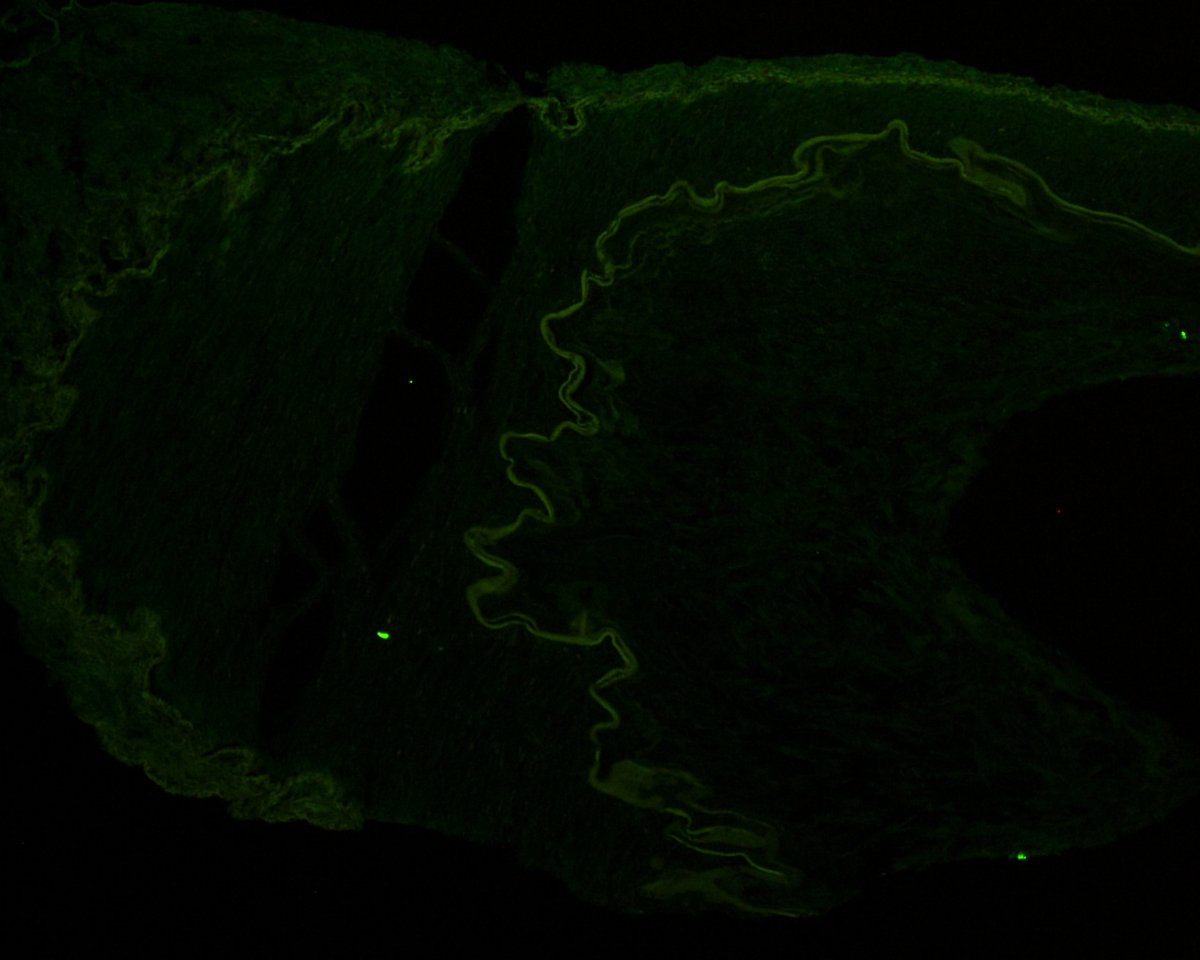
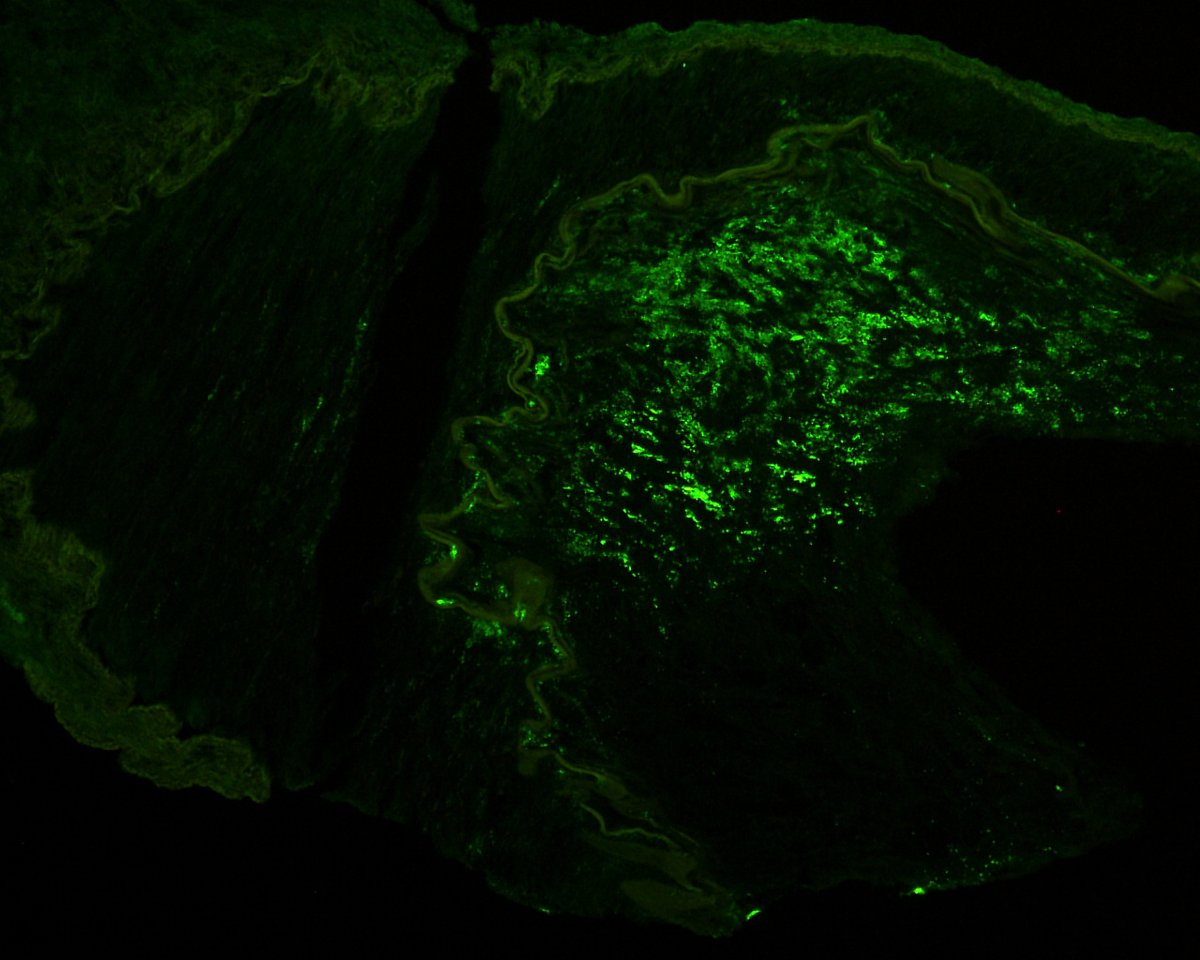
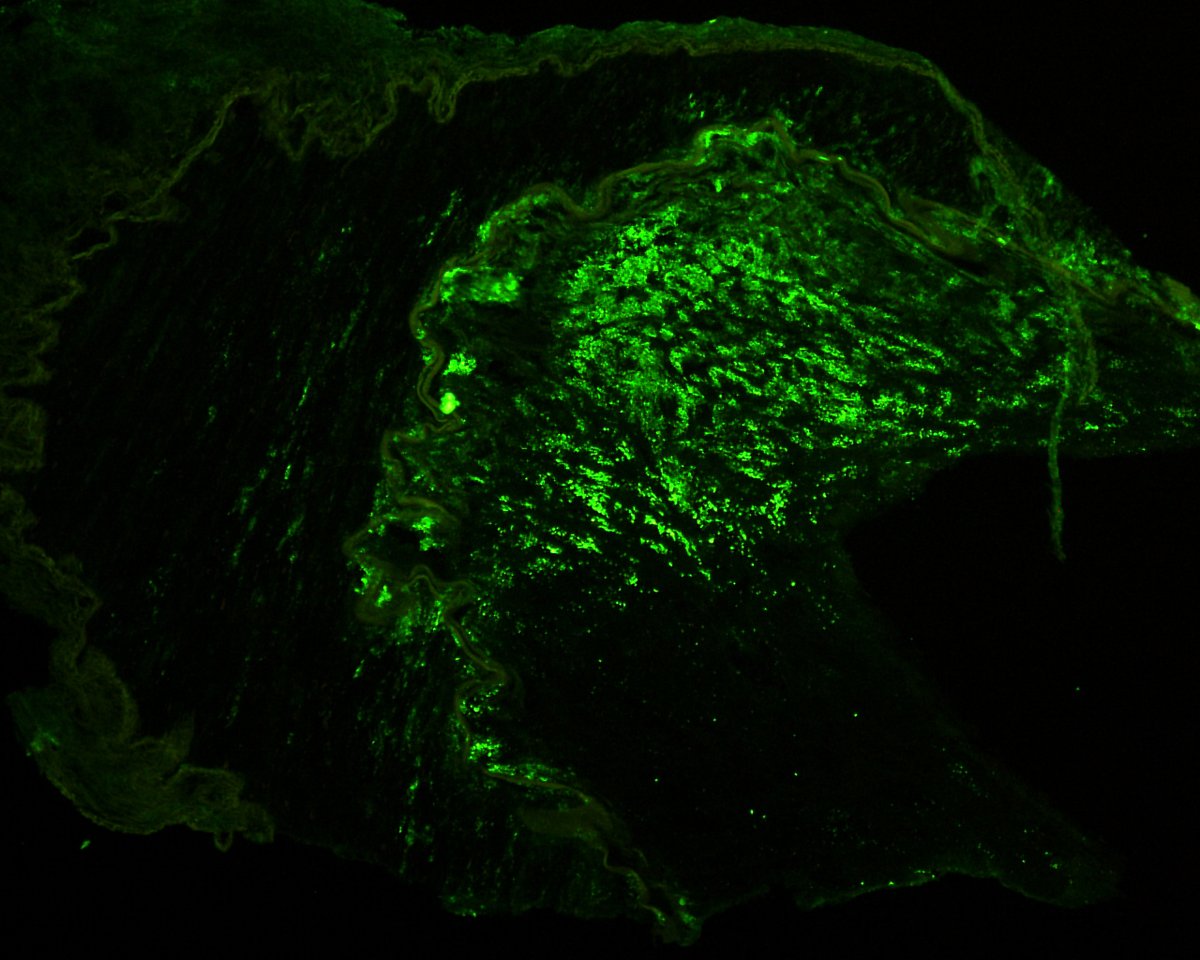
Male in his 80’s. Waldenström (no TTT). IgM kappa 10g/L
CKD with SCr 1.86 mg/dl. Prot 0.19 g/g
FFPE: ischemic glomeruli, stripped fibrosis 65% & >=cv2
Frozen: granular IgM kappa deposits in intimal fibrosis of an arcuate artery. No other deposits
1/2
#AskRenalPath@AskRenalPath
@JZRenalPath@AskRenalPath Thank you for your insightful suggestions. I will at least ensure that the nephrologist carefully checks for a cryo and biological TMA features.
More on “atypical anti-GBM disease”! Worldwide collaborative by B Chauveau et al published in @AJKDonline https://t.co/qZJHb6qP5j also see my commentary “Anti–GBM Disease: Broadening the Spectrum” https://t.co/UbJ5t77ku0 #renalpath@Renalpathsoc@MayoClinicNeph@MayoClinicPath
Our study on post-transplant TMA is out! TMA is mostly driven by AMR and CNI toxicity but often due to multiple factors, with higher rates of complement pathogenic variants, and associated with a poor prognosis.
@ClahsenMarian Very nice data, congrats!
Of note, reference 41 is worth checking: it seems to be either an abstract in NDT in 2020 or an original article in Am J Transplant in 2023, but not Am J Transplant 2020.