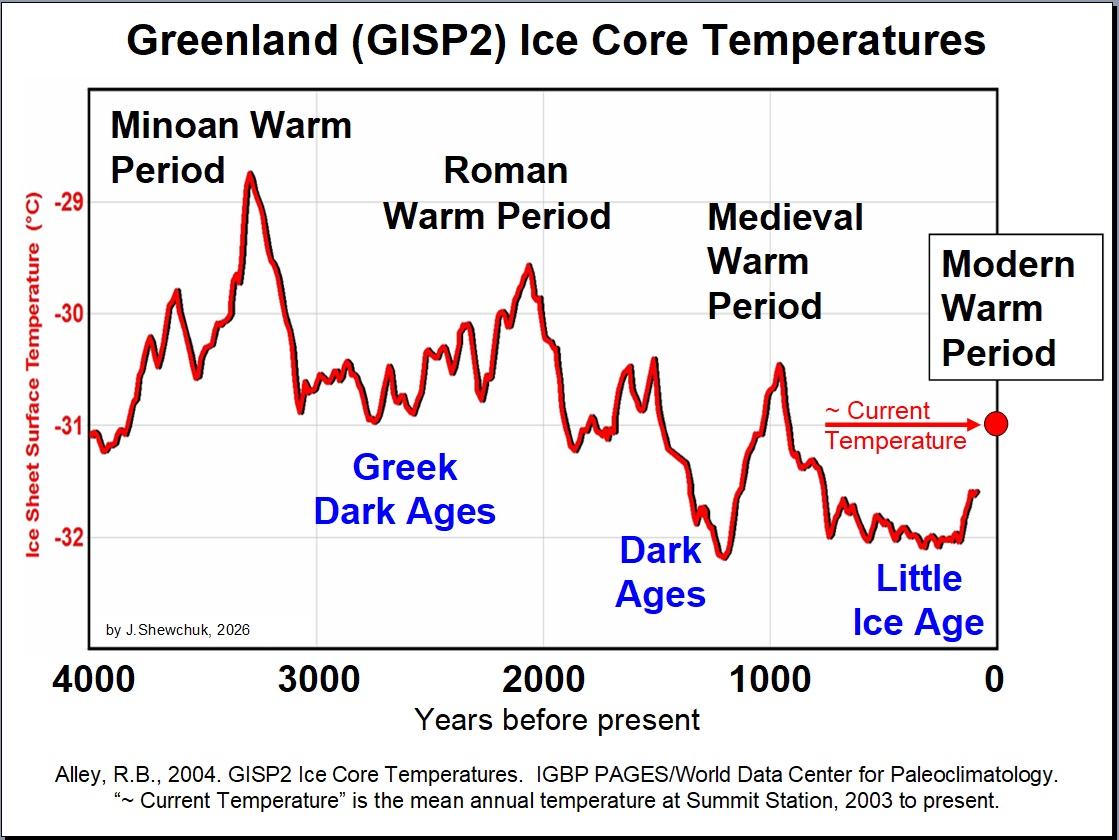
@polikaffee You have much to learn my child. My ice core graph doesn't say CO2 drives climate. When you analyze the "data" is shows that CO2 "follows" Temperature about 500 years later - LATER. Here is another showing that CO2 is NOT a climate driver. Education is important.
The world’s coral reef ecosystems almost all face a high risk of collapse in the next 50 years mostly due to warming oceans and heat waves, according to a global assessment.
Sometimes dubbed “rainforests of the sea,” they have some of the world’s richest biodiversity. https://t.co/v97PHd0ZV9
@polikaffee Good to know about those CO2 emissions, especially since we are in a CO2 famine. My 2-minute music video shows why ... https://t.co/Y3CzTGWBFt
@polikaffee You forget, or never learned because of climate cartel indoctrination, life on earth thrived (even in the seas) when CO2 levels were more than 15 times higher than today. Drill baby drill - and make more CO2.
@peapolitician@TallPhilosopher@Jopell25@_ClimateCraze My Climate Explorer application pulls the USHCN data together in a relational database where the estimated data can be removed from the SQL queries.
https://t.co/lUEUT8hvuF
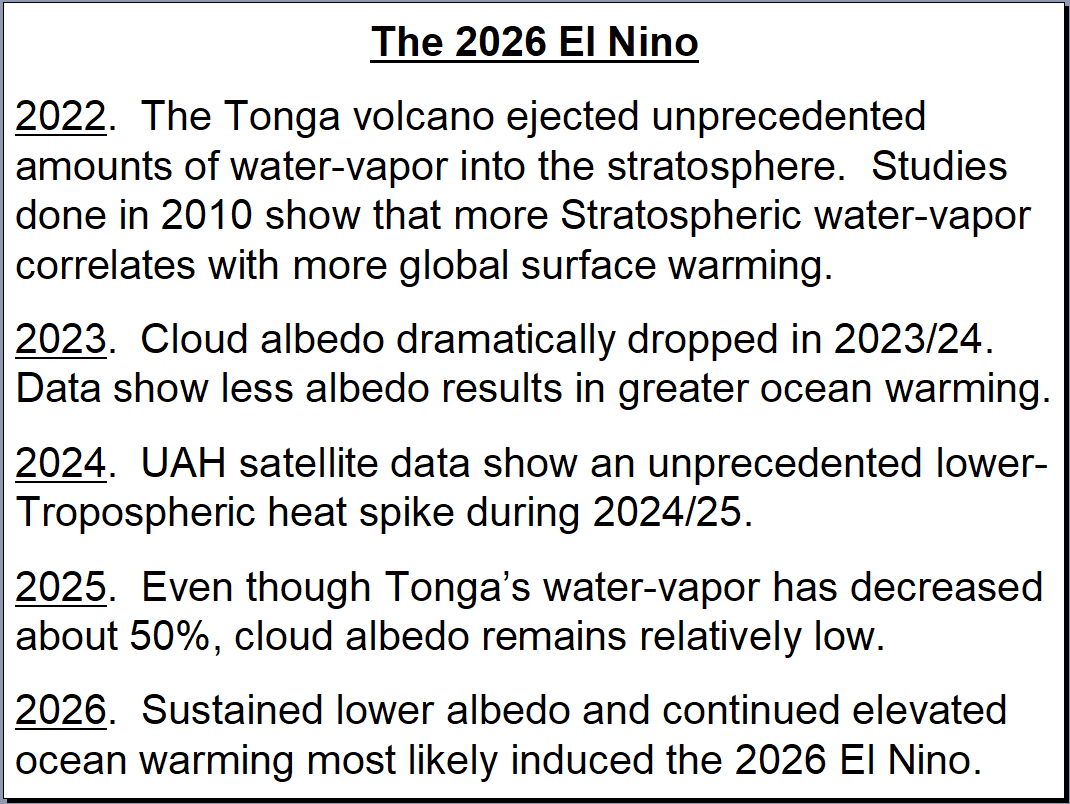
Major changes forecast this winter could well be the continuing sequence of unusual events following the unprecedented Hunga-Tonga volcano. We will all learn together what an unprecedented submarine volcano can do.
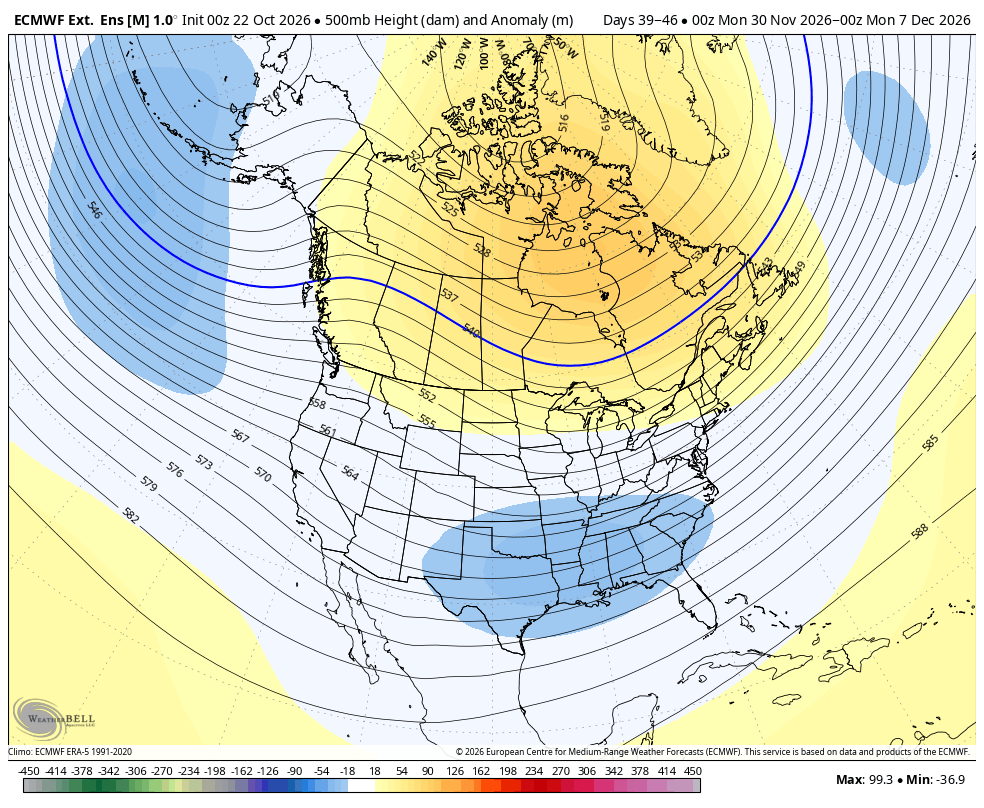
EL NIÑO is set to bring a major, significant, and possibly record setting winter of weather to Florida and the Gulf Coast this season.
The impacts probably start being felt regularly in the pattern the last 2 weeks of November.
Euro ensemble mean with a strong signal of suppressed storm track, higher than typical rain totals across Florida and the I-10 corridor. I expect somewhere in Florida to challenge a record for wettest winter on record. Whom that ends up being, no idea. But the table is set for that potential between Nov. 2026 and Mar. 2027.
The window of EL NIÑO impact in the weather pattern likely starts to settle in around a month from now.
Look at this visible satellite loop of Storm #Austen as it swirls toward England and northwest France!
This storm will produce damaging wind gusts of 60-70+mph, heavy rain, and rough seas.
Josephine was an example of the new NHC storm naming philosophy, as described by the longest serving Director of the NHC, Dr. Neil Frank ... https://t.co/6NbOedpW80
I vote for Jusper as the next UN Secretary General. He uses data versus dogma for see the truth about our climate -- and he knows what's its like to be shunned by the UN climate elite.
Extreme cold related deaths are responsible for 1.1M deaths in tropical (warm) Africa. Heat related deaths stand at just 36k.
Extreme heat/cold is not the culprit. It's moderate most of the times. Nevertheless, cold is more dangerous than heat- 9 times globally.
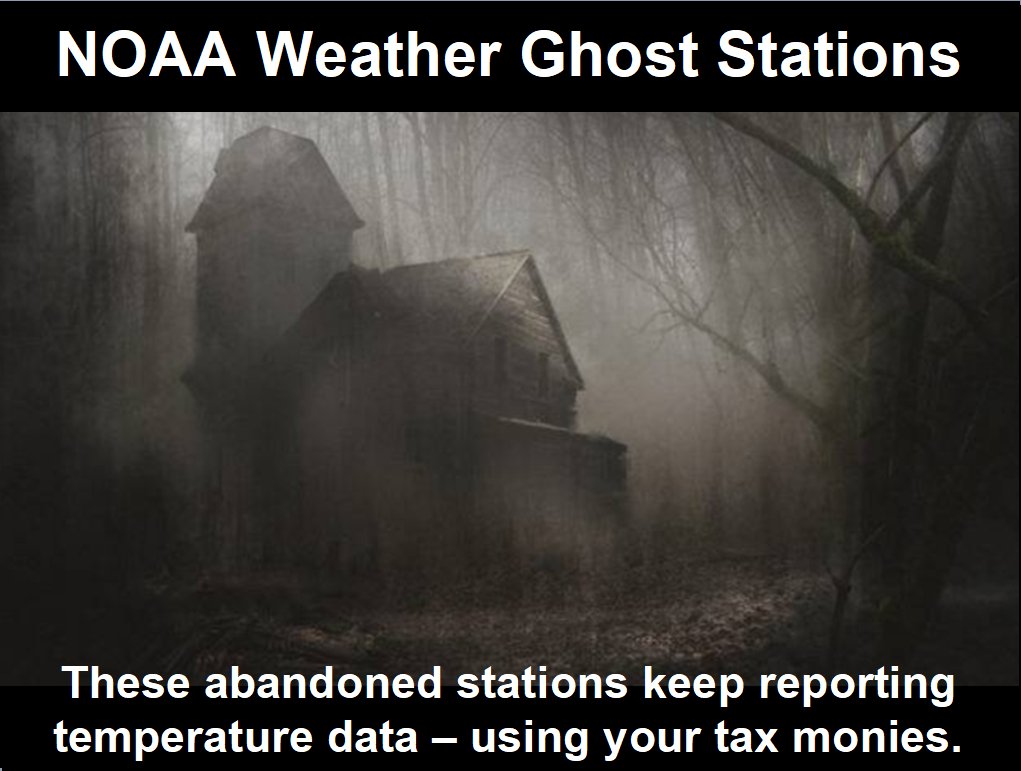
PeanutPolitician is doing a really great job with a totally independent look at how NOAA treats USHCN ghost stations and the massive amount of data estimates.
Nonetheless, they are not observations. NOAA's USHCN file still gives 479 of the 1,218 stations a temperature for every month of 2025. The station did not report that year.
The file has a number for it anyway, marked estimated.
That is the sense in which one could call it "false", as in not observed. Not because it moves the national line.
I am not saying the filling-in is done with the goal to deceive.
If the point is to keep that line from jumping when a station goes quiet, then the question I wanted readers to ask is still sitting there: if they didn't report anything, then why are they reporting it? Do you have a good answer?
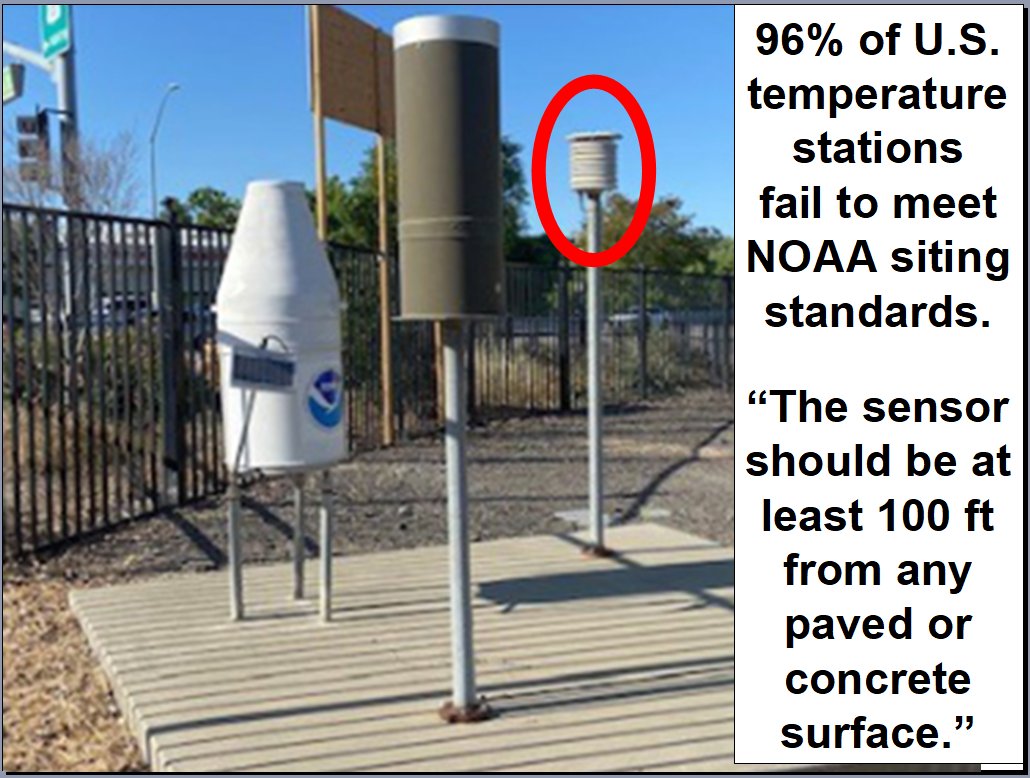
@gweets01@peapolitician Airport instruments do a great job monitoring runway conditions -- which are a poor measure of climate change - which requires meeting NOAA standards - which have recently been abandoned - for some reason.
You'd think that the WMO (of all folks) would understand the basic physics behind global warming. As long as the warming continues, we will continue see new off-charts events. BUT ... these events were most likely greater in the past before modern instrumentation was available.
We're headed for an El Niño that is — quite literally — off the charts.
WMO's Global Seasonal Climate Update shows that El Niño is forecast to exceed the scale of global monitoring charts. Its impacts will be felt well into 2027.
Read the full update: https://t.co/TNAzqhUN1h