Cell death & Inflammation act like a double-edged sword in the clearance of viral infections. Do bats use it better than humans? Do check our recent review to learn how bats tolerate high viral loads without falling sick.@iiscbangalore@keshu_VRimmCh@Disha__dak@C_Priyansh
Our recent work on #DDX3Xsyndrome, a genetic neurodevelopmenetal disorder. We reveal how DDX3X syndrome mutations drive persistent, solid-like DDX3X-condensates assembly, promoting neuronal death and A-beta aggregation.
https://t.co/fHVA8mN1sk
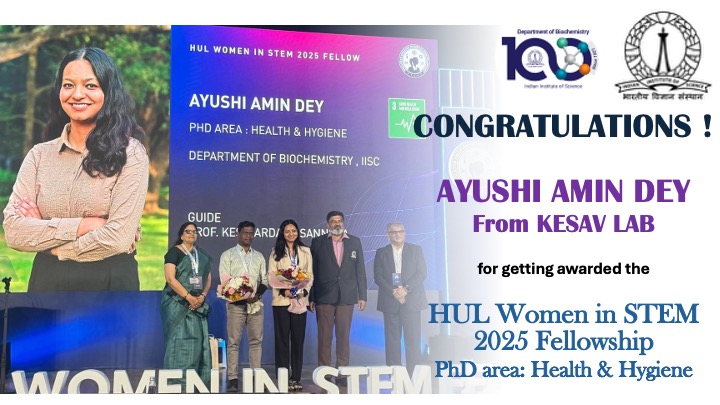
Congratulations to Ms. Ayushi Amin Dey from Kesav Lab for being awarded the HUL Women in STEM 2025 fellowship (Health & Hygiene)!!! 👏 #ayushiamindey@keshu_VRimmCh
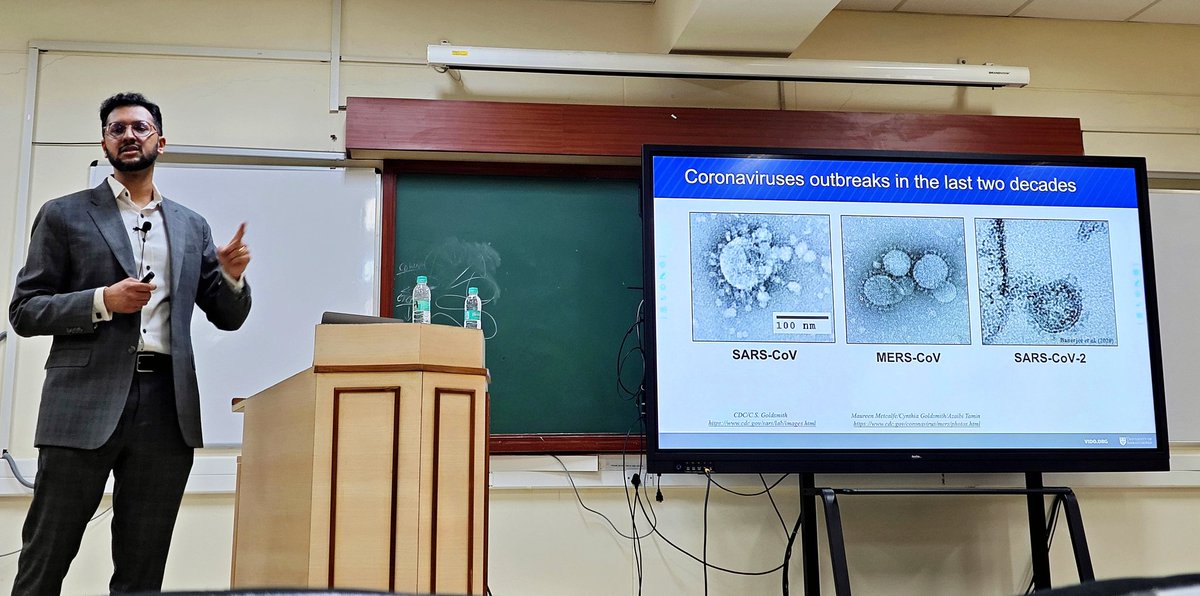
It's great to have @jbloom_lab to deliver a talk on invitation.
The talk is going to be online at 6.30pm IST and 6am PT (meeting link is provided).
Looking forward to it.!
#VirusEvolution#Chikungunya
An NLRP3 stimulatory universal influenza vaccine. We report an NLRP3 stimulus that generates hyperactive dendritic cells (hDCs).
https://t.co/oFcCIyyanc
Do we know whether non-human mammals enable the human adaptation of 2.3.4.4b #H5N1 to establish human infections?
Excited to share our study, published now, addressing this question.
#AvianInfluenza@iiscbangalore@RanjanaNataraj@avinashkarkada
https://t.co/biqi2uTmM7
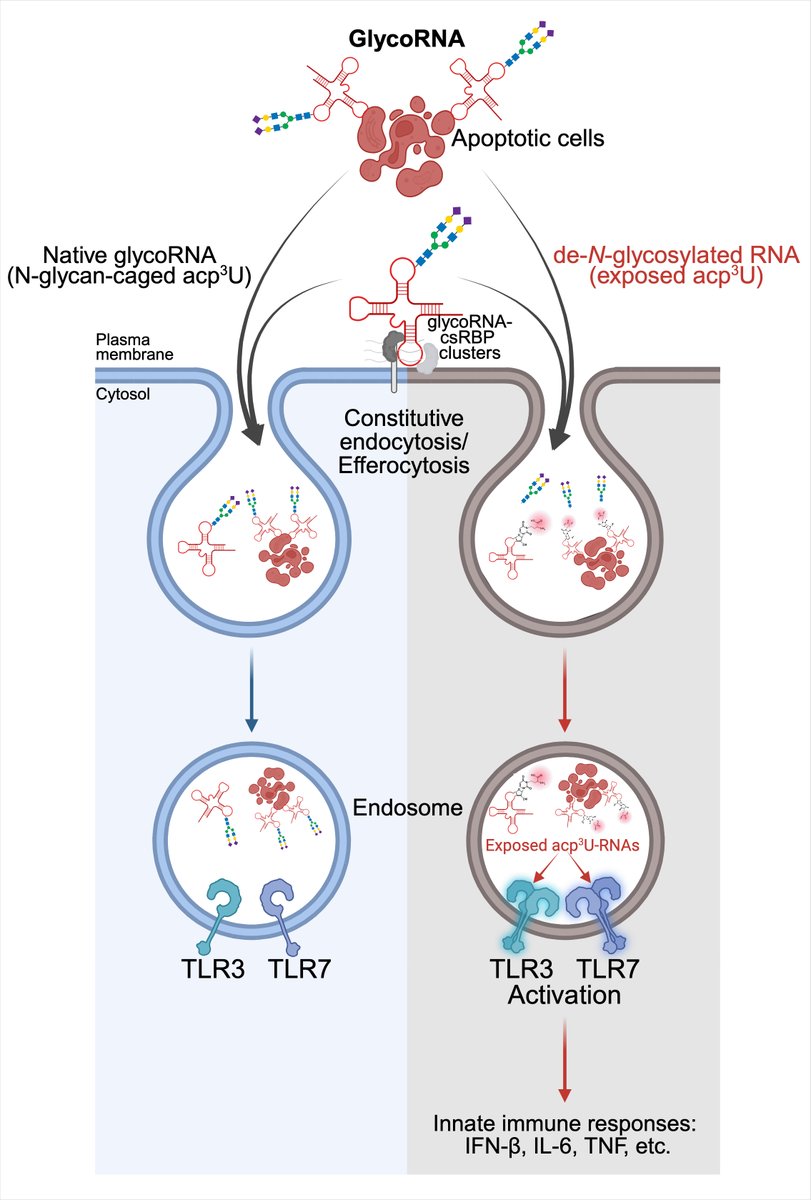
Why does RNA undergo glycosylation? Excited to have our new paper out. We in collab w/ Ryan Flynn show N-glycans on glycoRNAs hide self-RNA from endosomal TLRs promoting ‘silent’ clearance of dead cells. https://t.co/0RGUeknioi @uconnhealth@UConnResearch
Great work by Garg et al. in "Identifying a role of RGG-peptide in disassembling mutant FUS and TDP43 condensates implicated in ALS, projecting their possible therapeutic role in treating ALS."
https://t.co/WOUkCaqwr7
@LabRajyaguru@keshu_VRimmCh#ALS#neurodegeneration
🦇 🦇 Bat viral RHIMs: Viral mimicry gone rogue.!!! 🦠
Check out this interesting interview of @SanchitaMishr20 from my group by @biopatrika.
A lot to know about how bats promote pathogenic trait evolution in RNA viruses.! 🦇
@iiscbangalore@BICS_IISc
Why did 2.3.4.4b clade #H5N1 need a long stalk N1, unlike the previous clades H5N1s?
We identified the emergence of 2.3.4.4b #H5 HA with a distinct #glycosylation pattern in its RBD that drove its preferential pairing with long stalk N1 and the emergence of this novel variant.
We showed some time back 2.3.4.4b #H5N1 shows long stalk (full length) N1 (NA) in birds and mammals, unlike previous H5 clades , which preferentially paired with N1 with stalk deletions (short stalk).
Glad to see another study with similar observations
https://t.co/CdmmIRIkzs
How does inflammatory cell death reveal insights about Bat viral tolerance?
🦇 🦇
Check out our interesting discussion.
@sci_questions
@BICS_IISc@iiscbangalore
So Happy to share our lab's latest study, Uncovering how RNA viruses modulate viral RHIM proteins in bats and humans, resulting in activation of different cell death pathways 🦇🧬🦠. Congratulations to the team.@keshu_VRimmCh@SanchitaMishr20@Disha__dak
https://t.co/0PLJgmq9YU
Reservoir host species (birds and bats) often stay asymptomatic compared to humans during viral infections. Regulation of multimodal cell death pathway (PANoptosis) in bats and birds contributes to their viral tolerance. #Anantika@keshu_VRimmCh
https://t.co/Kam80rXK0K
Non-human mammalian adaptive signatures of 2.3.4.4b H5N1 have clues for possible human adaptations. @keshu_VRimmCh@RanjanaNataraj
https://t.co/6kIdzFMHlF