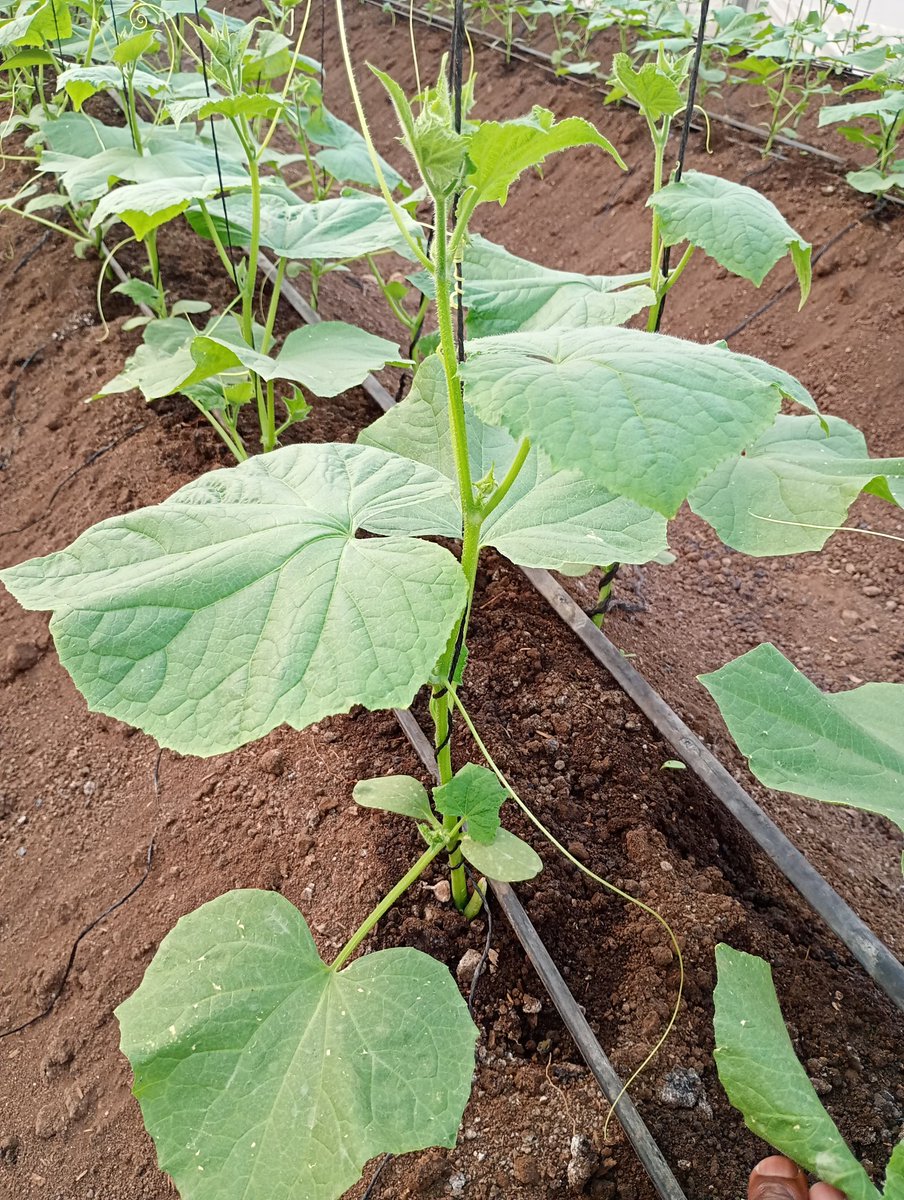
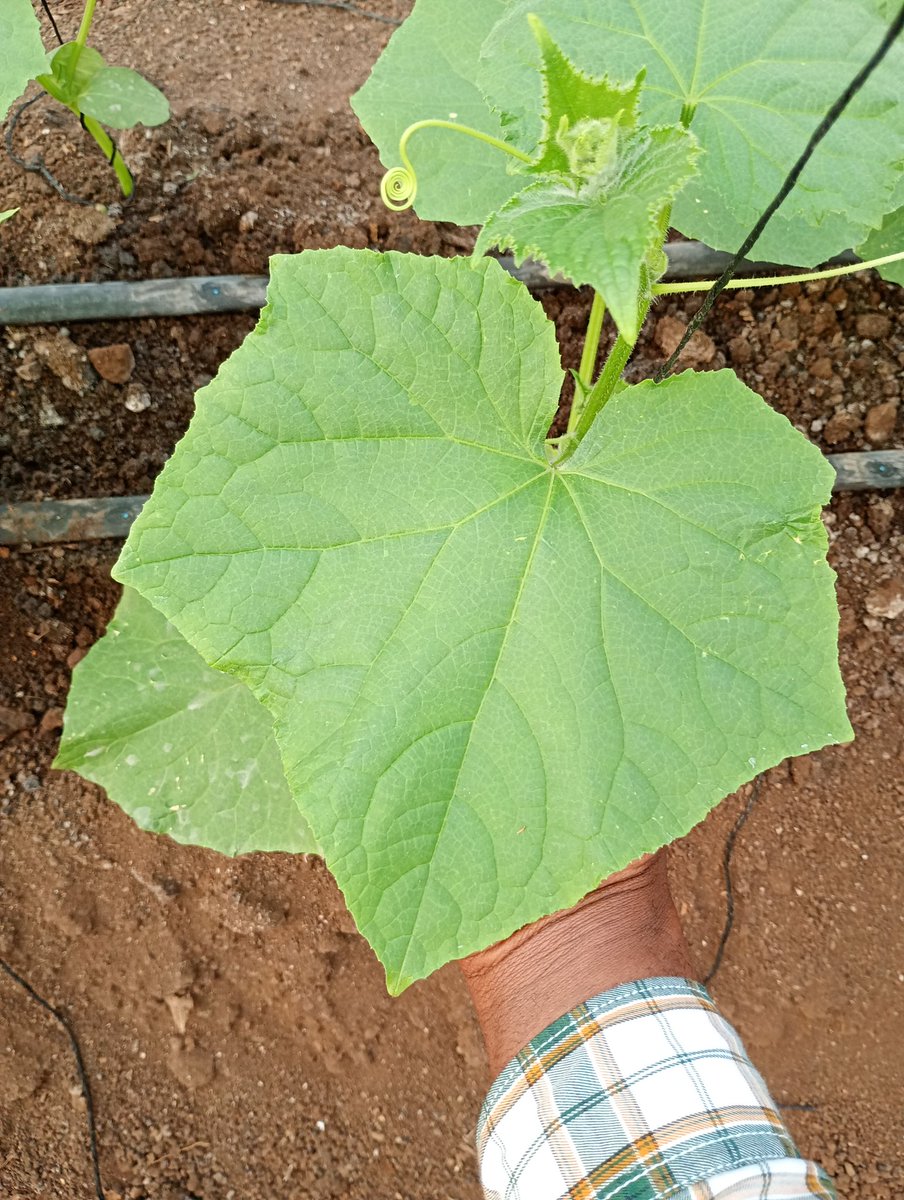
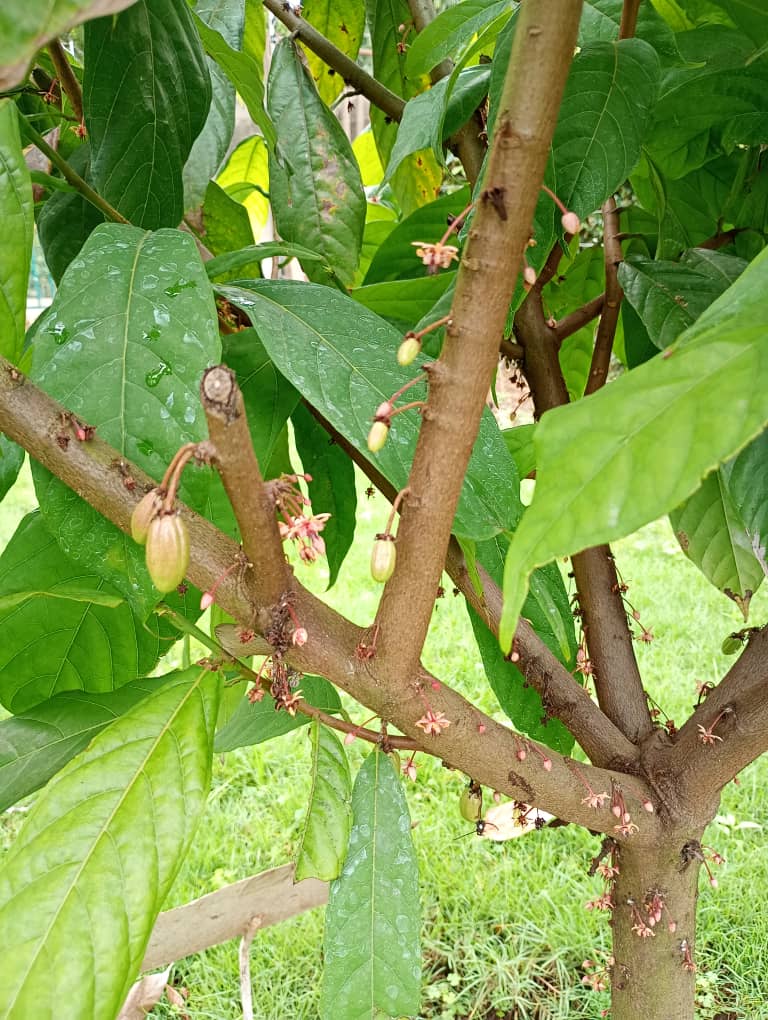
A large leaf area index (LAI) in cucumber plants is vital for maximizing photosynthesis, increasing yield, maintaining plant health, and enhancing resilience to environmental stresses.
To be a Technical Agronomist, you need to be able to tailor nutrient programs based on soil tests, plant tissue analysis, and an understanding of each crop's physiology. This can lead to more resilient and vigorous plants.
A large leaf area index (LAI) in cucumber plants is vital for maximizing photosynthesis, increasing yield, maintaining plant health, and enhancing resilience to environmental stresses.
To our brother @HusseinBashe,
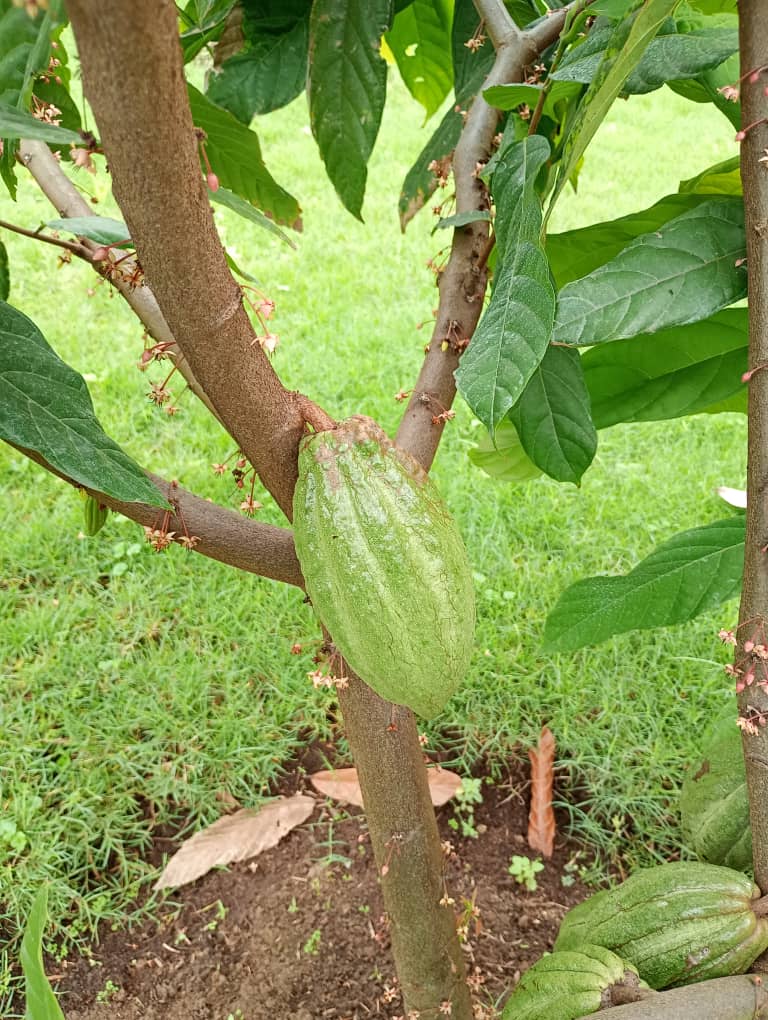
Cocoa needs its own category.We must expand its cultivation areas due to its decline in West Africa and ease of growing.Our country is ideal for this. I am here to request Your support and blessings 🙏.
Yours faithfully,
@bwanampanzi
📍 Tengeru
High Brix Levels and Soil Health: The Secret to Superior Crop Growth
Most people believe that the best crops are grown in specific soils, but the key is actually the health of the soil. High Brix levels in crops are the result of healthy soil management.
Beneficial soil microbes form a symbiotic relationship with plants. They attach to the roots, consume the root exudates, and then return their waste to the plant in a more readily available nutrient form.
@Rusere_Ronald@1Humuson@babatafi To maximize tuber production in a short time frame, focus on utilizing products that promote reproductive growth rather than vegetative growth during planting.
@AvekiKigwa Silicon is considered a beneficial element for plants, but it's not considered essential for their growth. However, it can enhance plant resilience to various stresses such as drought, disease, and pests.
In the world of food and farming, the term "regenerative agriculture" is everywhere you look. Yet, the vast majority of those who claim to practice it fall short.
Regenerative agriculture is not a set of practices; it is not a carbon sequestration method, nor is it limited to or even necessarily related to pasture-raised animals.
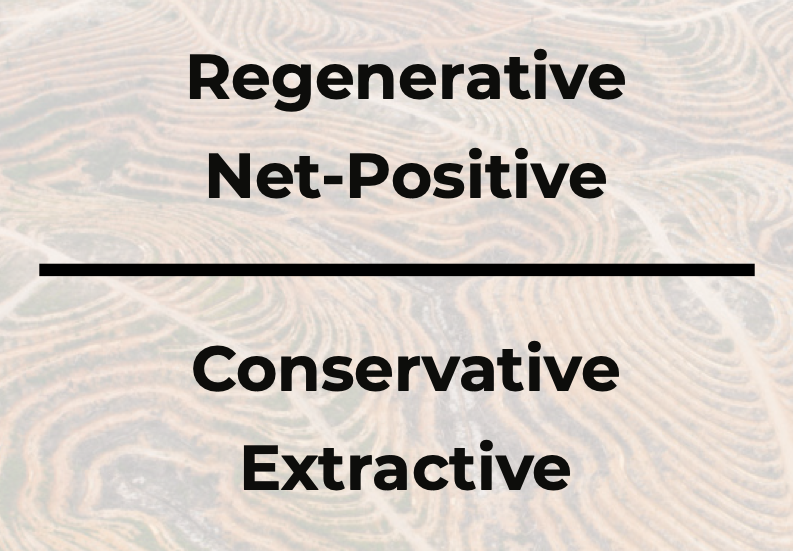
Most of what is touted as regenerative agriculture fits into one of the prevailing agricultural paradigms. To better understand regenerative agriculture, let’s first examine these common paradigms.
Today, most of our agriculture is extractive. Extractive agriculture seeks to maximize productivity by all means necessary, focusing on quantitative yield and profitability.
Modern extractive agriculture depends on other extractive industries such as mining, petroleum, agrochemicals, and biotechnology.
Extractive agriculture degrades the vitality of the living systems upon which it relies—water, soil, biodiversity—and requires increasingly more off-farm inputs to remain productive.
Decades of extractive agriculture, featuring mechanization, agrochemicals, and high-yielding crop varieties, have produced an overabundance of grains.
This has led to an explosion in farm scale and has resulted in numerous negative downstream effects: insurmountable farmer debt, consolidation of farmland, and a toxic and nutrient-poor food supply.
One step better than extractive agriculture is conservation agriculture.
Conservation agriculture aims to lessen the negative impact of extractive agriculture while maintaining high yields. Efficiency is key to conservation agriculture. Precision fertilization, specialized machinery, and high-efficiency irrigation allow conservation farmers to reduce costs and inputs.
With this approach, the incremental harm reduction to soil and ecosystems rarely reaches a net zero negative impact, and over time, the efficiencies gained from technology may start to decline and, in some cases, reverse. The soil degrades more slowly, but it still degrades.
Going beyond the conservation approach that seeks to do less harm, net-positive agriculture aims to do good. Explicitly, net-positive agriculture works to build soil, repair water cycles, increase biodiversity, produce high-quality food, and improve farm livelihoods. The goal is to make life thrive, not just survive.
Rather than finding fragmented solutions to agroecosystem problems, net-positive agriculture employs integrated solutions through holistic design and planning.
Net-positive agriculture often struggles to move beyond the farm as the primary unit of focus for restoration.
Regenerative agriculture takes an approach that considers the entire lifeshed of a farm. A lifeshed, similar to a watershed, encompasses all life within a given system.
Each lifeshed has its own unique essence, a holistic and singular way of generating and maintaining life.
In regenerative agriculture, each farm must be considered within its web of relationships and exchanges with the lifeshed within which it is nested. This requires a deep understanding of the ecological, horticultural, geological, and human history of the place.
The development of a regenerative farm will result in unique, place-specific varietals, a dynamic web of life, commerce, and culture. Each regenerative farm has its own individuality and unique essence, making it non-displaceable.
Some well-known examples of regenerative agriculture include the great Incan agriculture system that functioned across several distinct ecozones; the Spanish Dehesa and Portuguese Montado, which have persisted for thousands of years; and the Ahupua’a systems of pre-contact Hawaii, which cooperatively produced a diversity of foods on a watershed scale, feeding over 1 million people while maintaining soil fertility, ecosystem function, and clean water.
Hat tip to Carol Sanford for the several decades of work she has put into defining regeneration and to Ethan Soloviev for his work applying Carol’s concepts to agriculture.