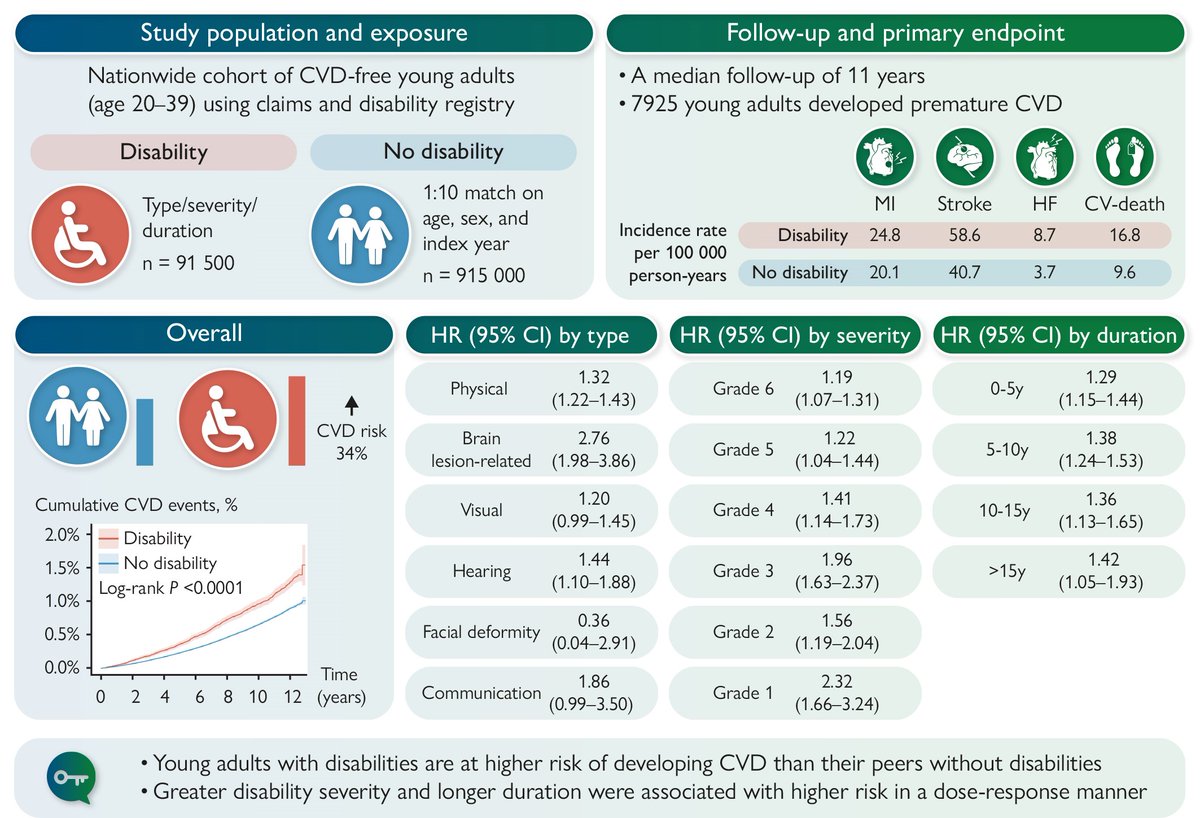
New in #EJPC: Disability is associated with higher cardiovascular risk even in young adulthood.
In adults aged 20–39 years, long-standing disability was linked to a 34% higher risk of CVD, independent of conventional risk factors. Risk was highest in brain lesion-related disability and increased with disability severity and duration.
A call for earlier and more inclusive prevention.
♿🫀https://t.co/wwp7tr32VV
@EJPCEiC@AboyansV@SilCastelletti@PTBuketAkinci@PeroneFrancesco@SMosteoru@TimKambic
When I exercise, my brain is not just helping my body move. It is actively strengthening my memory.
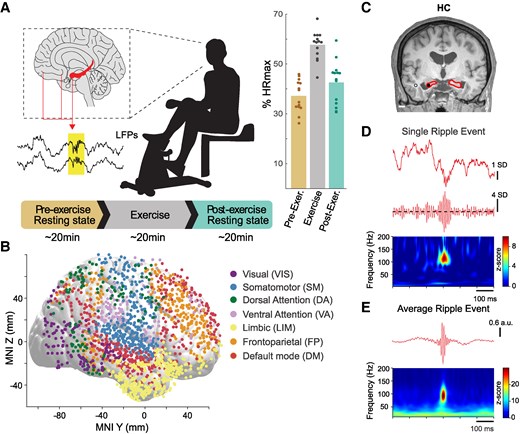
This research shows that during and after about 20 minutes of cycling, the hippocampus becomes more active. The hippocampus is the brain structure that helps form and organize memories. Scientists recorded brain signals from this region and observed brief bursts of electrical activity called hippocampal ripples. These ripples last only milliseconds but they are critical for memory consolidation. This is the process where the brain stabilizes and stores information we have learned.
The figure shows that ripple activity increases during exercise and stays elevated afterward. That means physical activity can stimulate the neural patterns that help the brain replay and reinforce experiences.
In simple terms, when I move my body, I am also giving my brain a chance to strengthen the circuits that support learning and memory. Exercise not only trains muscles. It also activates the biological processes that help the brain remember.
Physical activity is the most effective intervention available for promoting brain health and longevity. Recent research demonstrates that regular exercise, even in modest amounts, is effective for enhancing brain volume, improving memory, and reducing the risk of neurodegenerative diseases. Beyond its cognitive benefits, moderate physical activity also contributes to extended lifespan and better overall health outcomes.
Even regular walking has shown to have powerful impacts on brain structure and function:
*️⃣Activity levels equivalent to 4,000 steps per day have been linked to measurable increases in gray matter and white matter volumes (PMID: 38073389)
*️⃣A 2011 study showed that 40 minutes of walking, three times per week lead to a 2% increase in hippocampal volume over one year, effectively reversing 1–2 years of age-related atrophy and enhancing spatial memory performance (PMID: 21282661).
*️⃣A more recent study suggests that activity levels equivalent to walking just under 3 hours daily for the least active populations could extend lifespan by 11 years on average (doi: 10.1136/bjsports-2024-108125).
Even walking is an accessible, non-pharmacological intervention for promoting brain health, reducing disease risk, and enhancing longevity.
Experts review the effects of exercise on the heart, the approach to common clinical scenarios in #SportsCardio, & the importance of a patient/athlete-centered, SDM approach in the care provided to athletes. 👇
More: https://t.co/jvYxXMwma4 #ACCAthleticHeart#JACC@JACCJournals
Imagine you have five minutes in an elevator with the PD — your goal is to clearly and confidently market your three key themes. Stay focused and make every second count.
Personal statement tip:
Research your top three programs and create lists of potential topics, experiences, achievements, and traits you would want want to highlight to these programs in your personal statement, ERAS application and interviews.
I followed the “rule of three” throughout the season. I structured my content around three key points: three main qualities, experiences, or themes. This kept my statement, application and interviews focused and memorable without overwhelming the reader.
I never take a computer into the room with a patient. Pen and a blank sheet of paper for notes as they talk or I ask specific questions.
Sometimes. With a new patient. You can tell they are just mad. About all of it. And you just need to put the pen down and listen. For awhile.
Remember that your presence with people (patients, family, friends, strangers) matters so much more than you know.
How can you create a safe haven for them? How can you listen without distraction? How can you provide support? These, I think, are the questions that matter most.
One of the clearest signs that you’re working on the right thing is that it gets you out of your own head. You stop overthinking. There’s no anxiety about the future. There’s just energy in the present. There’s just flow. Lean into the things that get you out of your head.
The best way to improve your writing is not always to write more. It's often to read more.
Instead of just enjoying the content, study the form. Pay attention to how they set up ideas, structure paragraphs, signpost transitions, and shape sentences.
Role models elevate art.