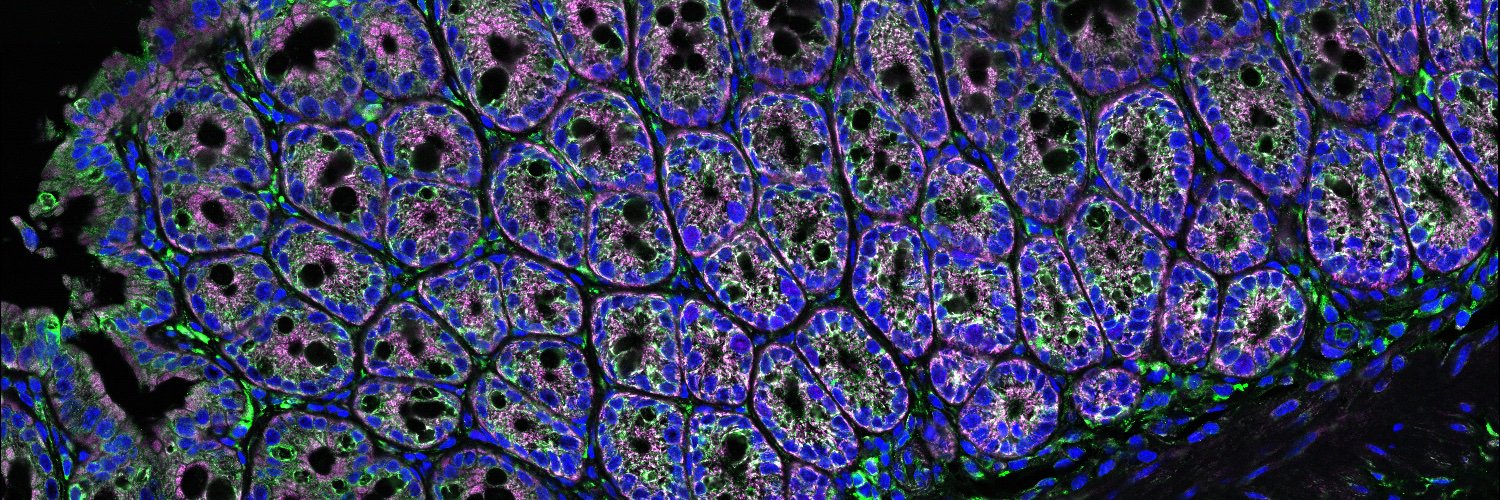
Massive congrats to @MallSid – just published in @NatureGenet
Our study defines a series of pathway-derived subtypes (PDS), which we use as the basis for identifying a previously overlooked phenotypic landscape in colorectal cancer…
https://t.co/JUE5IJqVtx
🧵👇
Great to see this out! Congrats @EsmeeVringer @HeiligRosalie @cat5863 @MitosRUs and everyone else - glad I could be a part of it!
https://t.co/ddoPSUxtsL
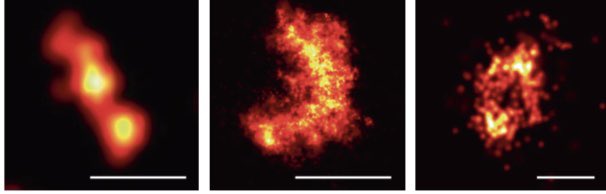
First visualization of super-resolved GSDMD pores at the plasma membrane of pyroptotic cells!!! Fantastic work by Shirin @viten_skap and great collaboration with
@PiehlerLab iBiOs Osnabrück and @HummerLab
Check our preprint!
https://t.co/ixW7Se5JAT
Do cells care if their mitochondrial DNA is broken? Yes! Excited to share my PhD work showing that a fraction of cells with breaks in their mtDNA recover healthy mitochondria using the integrated stress response.
Happy to have contributed to this work by super-talented @BingxuL and @beccajcarlson. The mistery of how STING induces autophagy and NLRP3 activation is finally solved. Landmark study for the field!
Human STING is a proton channel | Science https://t.co/IA8j8nhM9n
🚨🚨🚨New review from the Cancer Cell Death team, with @BertolinGiulia2 @crcl! 🚨🚨🚨
All you need to know about visualising and quantifying MOMP and mito membrane potential- Past and Future!
https://t.co/61aip0oaOl
🚨 We’re hiring! 🚨
We are looking for a motivated PhD student to come work on our exciting project trying to understand the early stages of B cell cancer development.
If 🧫🧬🔬 (and ⛷️⛰️) excites you, this could be the project for you!
DM or email for more info - please RT!
A new episode of „Death in the Alps“ is coming. All about cell death signalling in health and disease. Book 07-11th of January 2024 in your calendar and express your interest by emailing to [email protected] so we can keep you posted! Please RT
Overjoyed to see my PhD paper finally out in @cddpress! #braintumour#apoptosis#neurooncology
A big thank you to everyone involved and especially @MitosRus for the support and mentoring along the way. For everyone who is interested in what we found out a short summary below:
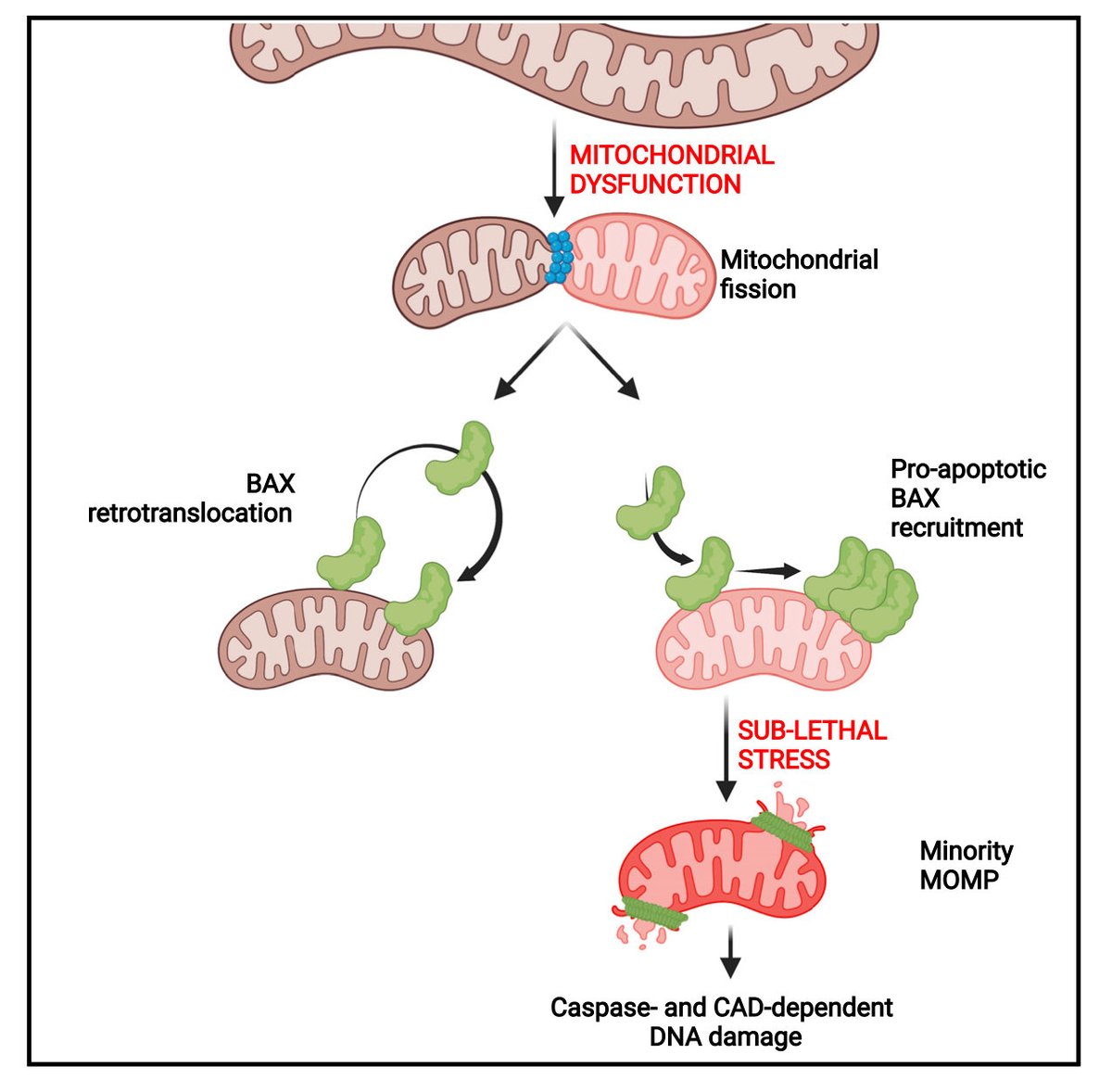
Thrilled that the latest paper from @MitosRUs lab is out today in @Dev_Cell, which can only mean one thing… a tweetorial! We wanted to figure out how sub-lethal apoptotic stress causes oncogenic DNA damage… 🧵
https://t.co/rCF8X4Xpjw
Tl;dr… Sub-lethal apoptotic stress causes oncogenic DNA damage through mitochondrial dysfunction. This dysfunction causes permeabilisation of some mitos via fission and BAX accumulation.