Why I changed from the Māori roll back to the General roll
My tribes are Ngā Rauru Kītahi and Ngāti Porou. Prior to the 2020 election, there was a TV ad that promoted joining the Māori roll: "You'll be able to vote for any party you like when there's an election". However, what it didn't say is, "You can only vote for candidates in Māori seats to represent your region". Though the Māori candidates seemed like nice people, I didn't think they were the best people to represent Me or my region.
Then came local elections. I volunteer for a number of organisations, so decided to run for Council because I wanted to help. On election day I wasn't able to vote for myself because I was on the Māori role and running for a General Council seat. That seemed crazy to Me.
Now I think the Māori roll isn't about representing Māori, it's about restricting our vote to candidates of smaller activist groups so they can bypass the democratic process and attain more power. Professor Elizabeth Rata of University of Auckland calls them the "Retribalists" and notes: "Retribalists in the past 40 years have reinterpreted, developed and interpretation of the Treaty so it can be used as a mechanism to make claims for economic resources and political power."
Check which roll you're on here: https://t.co/lVsAqZUhz6
One year ago today, a prison guard banged on my cell door and said: YOU'RE FREE!!
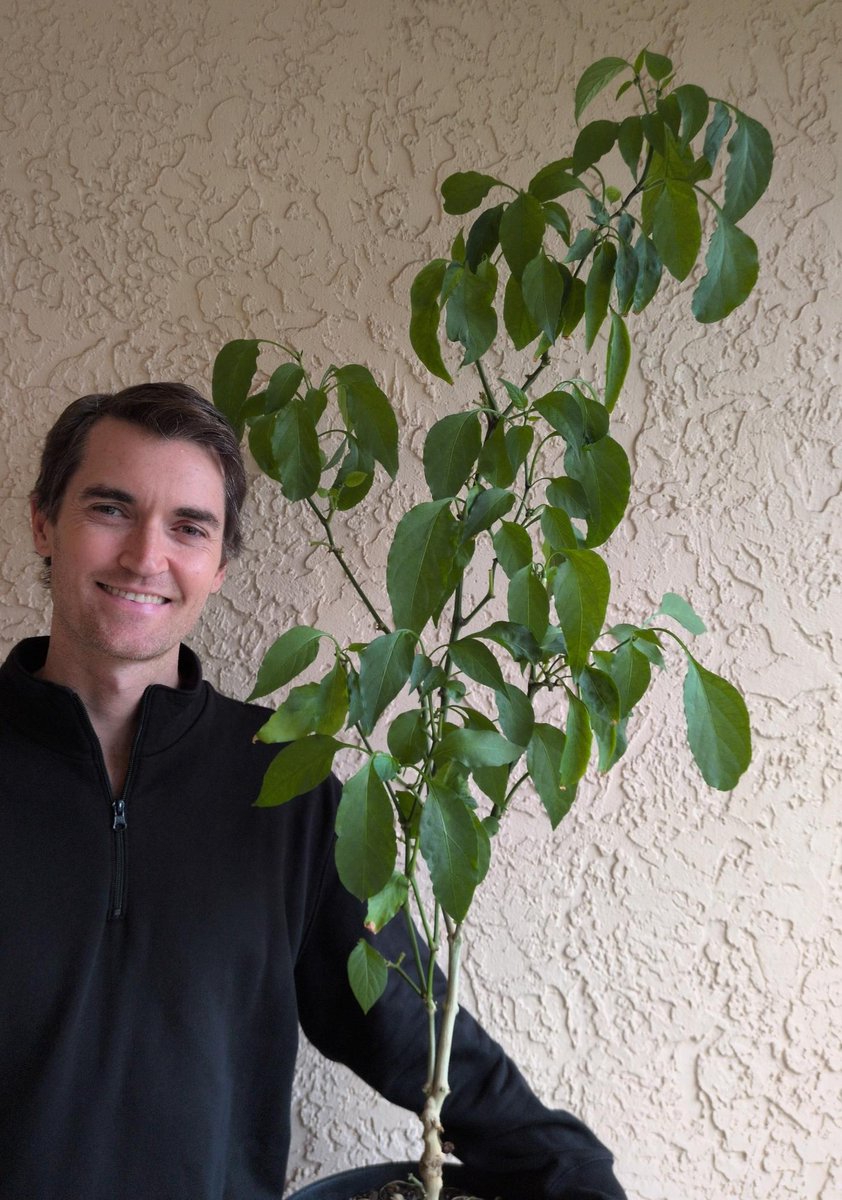
After more than 11 years under a life sentence, I walked out of max security prison with Leaf Erikson, the plant I was growing in my cell.
Leaf and I are so grateful for our second chance at life.
@hubermanlab Get @TheDavidWeck on your show, you can see his ‘coiling core’ in action here. Right shoulder tilts down in the depth of the first landing, loading maximum elastic potential.
Low-frequency electromagnetic fields can degrade collagen, weaken tendons, and cause soft-tissue damage at levels regulators call "safe."
We have a real world case study proving this:
An NFL team whose practice facility sits next to a massive electrical substation.
THREAD 🧵
https://t.co/4AFRlmqgZv
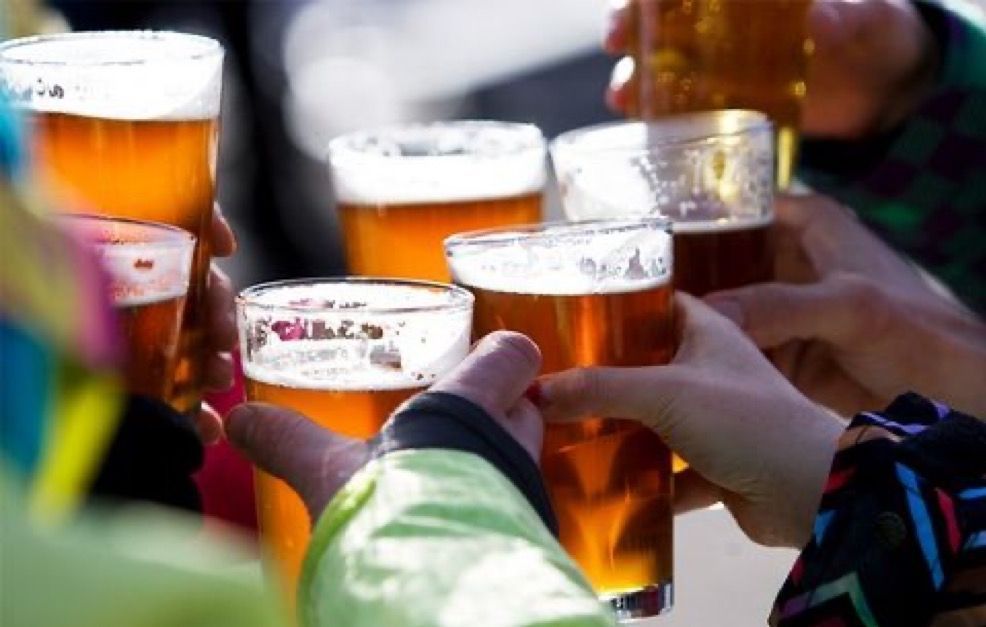
Suppose that once a week, ten men go out for beer and the bill for all ten comes to £100.
If they paid their bill the way we pay our taxes, it would go something like this:
The first four men (the poorest) would pay nothing.
The fifth would pay £1.
The sixth would pay £3.
The seventh would pay £7.
The eighth would pay £12.
The ninth would pay £18.
And the tenth man (the richest) would pay £59.
So, that’s what they decided to do.
The ten men drank in the bar every week and seemed quite happy with the arrangement until, one day, the owner caused them a little problem.
“Since you are all such good customers,” he said, “I’m going to reduce the cost of your weekly beer by £20.”
Drinks for the ten men would now cost just £80.
The group still wanted to pay their bill the way we pay our taxes.
So the first four men were unaffected.
They would still drink for free but what about the other six men?
The paying customers? How could they divide the £20 windfall so that everyone would get his fair share?
They realized that £20 divided by six is £3.33, but if they subtracted that from everybody’s share then not only would the first four men still be drinking for free but the fifth and sixth man would each end up being paid to drink his beer.
So, the bar owner suggested that it would be fairer to reduce each man’s bill by a higher percentage.
They decided to follow the principle of the tax system they had been using and he proceeded to work out the amounts he suggested that each should now pay.
And so, the fifth man, like the first four, now paid nothing (a 100% saving).
The sixth man now paid £2 instead of £3 (a 33% saving).
The seventh man now paid £5 instead of £7 (a 28% saving).
The eighth man now paid £9 instead of £12 (a 25% saving).
The ninth man now paid £14 instead of £18 (a 22% saving).
And the tenth man now paid £49 instead of £59 (a 16% saving).
Each of the last six was better off than before with the first four continuing to drink for free.
But, once outside the bar, the men began to compare their savings. “I only got £1 out of the £20 saving,” declared the sixth man. He pointed to the tenth man, “but he got £10!“
“Yeah, that’s right,” exclaimed the fifth man. “I only saved a £1 too. It’s unfair that he got ten times more benefit than me!”
“That’s true!” shouted the seventh man. “Why should he get £10 back, when I only got £2? The wealthy get all the breaks!”
“Wait a minute,” yelled the first four men in unison, “we didn’t get anything at all. This new tax system exploits the poor!”
The nine men surrounded the tenth and beat him up.
The next week the tenth man didn’t show up for drinks, so the nine sat down and had their beers without him.
But when it came time to pay the bill, they discovered something important – they didn’t have enough money between all of them to pay for even half of the bill!
And that’s how it works.
Tax them too much, attack them for being wealthy and they just might not show up anymore. In fact, they might start drinking overseas, where the atmosphere is somewhat friendlier.
For those who understand, no explanation is needed.
For those who do not understand, no explanation is possible.
This week, both New Zealand's major banks, ANZ and BNZ, announced the introduction of mandatory device-level surveillance stating:
“You will not be able to use our app or internet banking without consenting to this data collection.”
To continue to use digital banking, customers must consent to the collection of:
* Detailed behavioural biometrics including typing cadence, swipe pressure, scroll patterns, mouse velocity, navigation patterns
* Device sensor data
* Connected device information
* Device motion/tilt data
Thank you @BNZ, ANZ for the free Bitcoin marketing.
A ban on social media for under-16-year-olds might make us feel good, but it opens a dangerous can of worms.
If enforcing it means we all have to prove our identity before we can speak online, that risks a cure far worse than the disease.
https://t.co/Wfhp2Pdl82
Opening your mind can be rewarding.
This is a skill set lacking in way too many.
Spine stiff squeezing it straight as hard as possible as the foundation for moving better is stupid — it rigidifies the MIND locked in confusion. Defending dysfunction.
With ��scientific authority”.
Good intelligent people causing INVISIBLE HARM is what has happened.
The norm dictated by science is the epitome of fundamental dysfunction when it comes to simple efficient gait.
The Rope doesn’t lie like a misinformed certified spinal stiffness specialists.
RopeFlow is the Rosetta Stone for total body athletic integration.
Just cause I invented the BOSU ball. THIS is why they hate me so much and refuse to do the right thing.
Social Proof has reached the tipping point. I’m restoring physical integrity and truth to the fitness industry.
@OswaldPer4mance@TheDavidWeck Science IS being overhauled whether you like it or not, to resist new information or change is to go against the scientific method. The discoveries of Gil Hadley and Carla Stecco among others in the last few years - confirm the direction David has taken.
Joe Rogan has opened up so many avenues (and rabbit holes) for me for many years.
So many interesting guests from all walks of life.
What I’m doing is sharing invaluable information on physical education that was overlooked by EVERYONE else.
Physical Integrity is humanKIND’s best hope for a better future.
And “science” needs a fundamental overhaul. Today they canNOT be trusted. No more lies and agenda from ego driven weak men who call themselves “doctors”. Truth only offends the weak and the core-up.
The answer is Never quit. And STAY TRUE.
@joeroganhq@TheDavidWeck - the anatomical study of muscles and fascia is undergoing a Copernican revolution. David has developed a movement system with the new model of our internal universe at its ‘core’ . Would love to see you and him discourse about human movement Joe.
1/2 The Broadcasting Standards Authority's Chief Executive, Stacey Wood, said: "We just disagree that freedom of expression means an absolute right to freedom of speech to say whatever you want."
You read that right.
Who made them the online content police?