Pang et al. found that forebrain-specific loss of Smg7 caused autism-like behaviours in mice, accompanied by neuronal hyperexcitability and increased PKD1 expression. Reducing PKD1 rescued social deficits. https://t.co/eld6hZAG2w
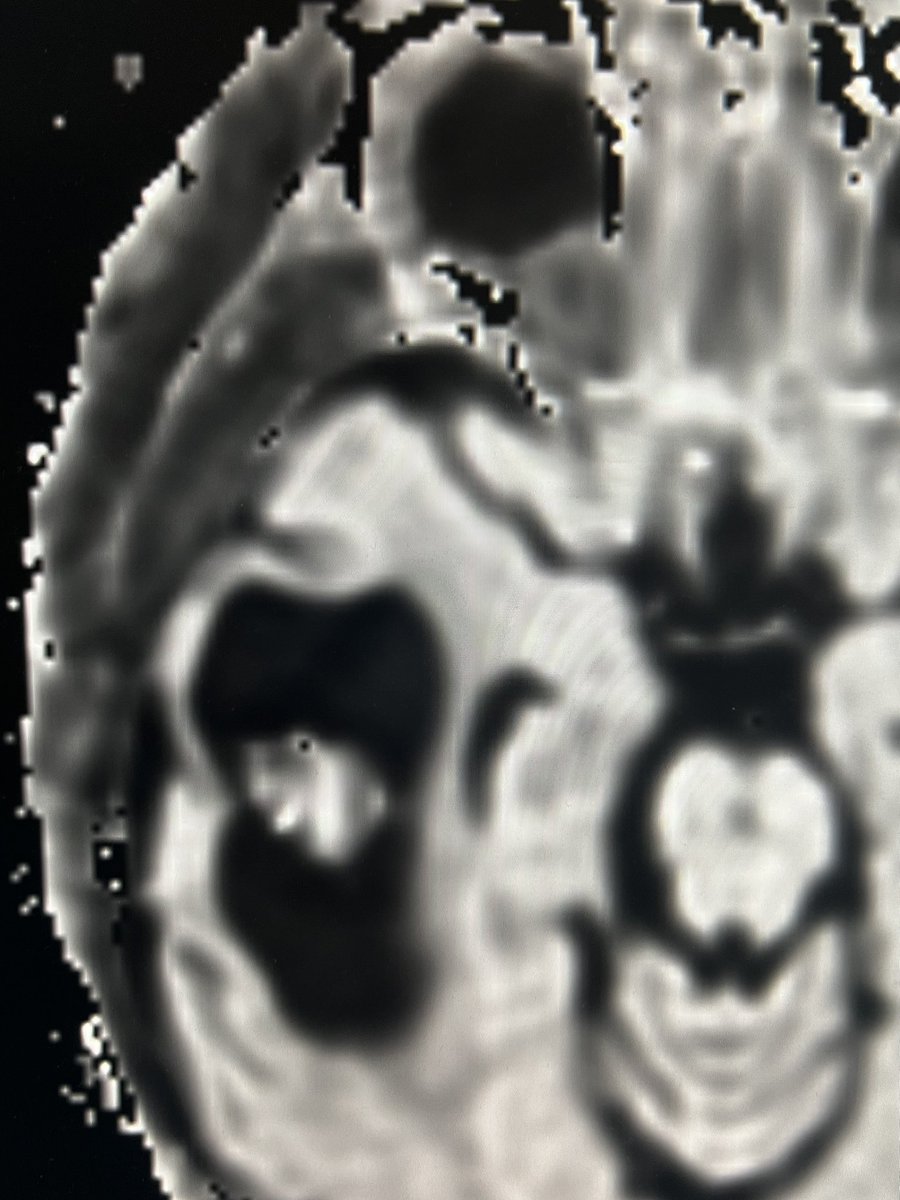
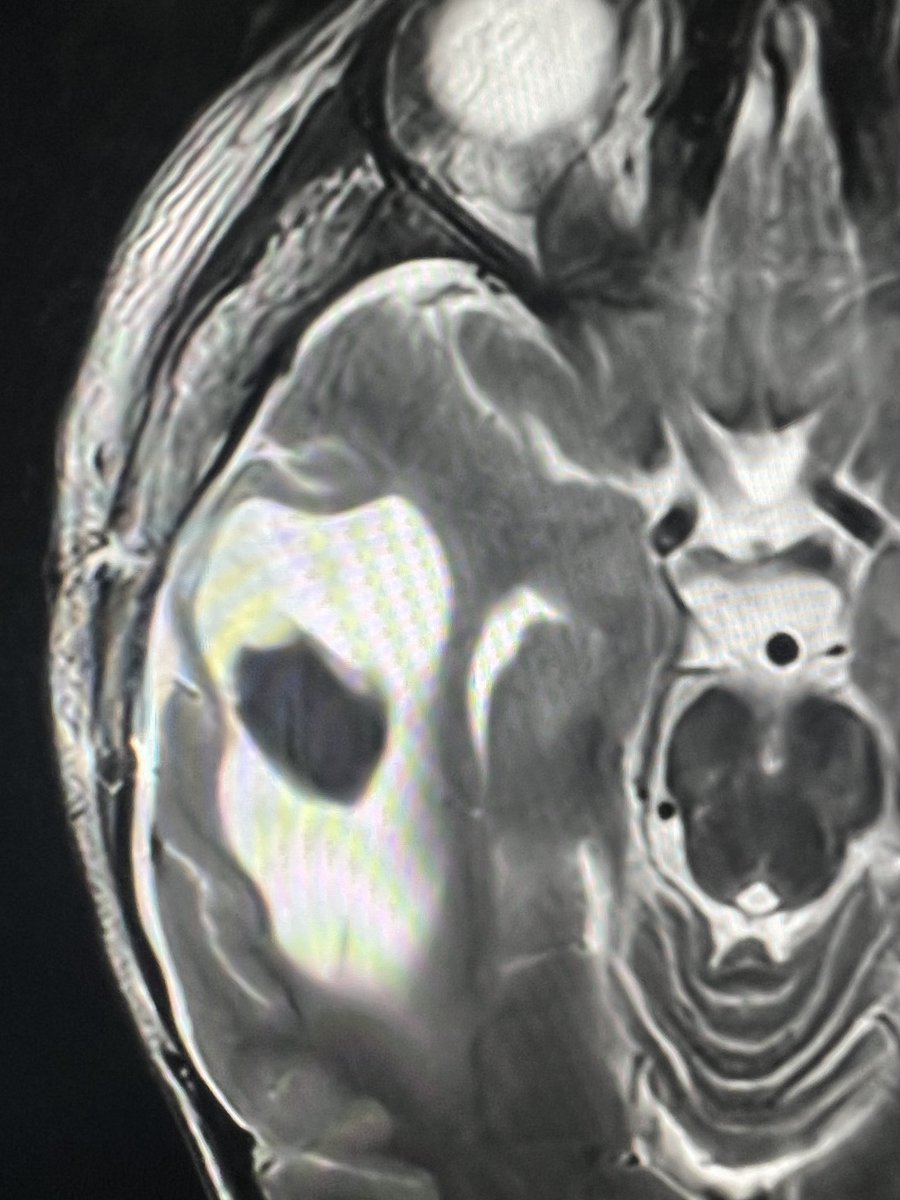
✅Contrast-induced encephalopathy.
💡A rare angiographic complication that may mimic SAH, stroke, PRES, or ischemia. Rapid clearing of sulcal hyperdensity on follow-up CT favors contrast extravasation over hemorrhage. Severe edema, coma, and permanent deficits may occur.
https://t.co/iB6aY3eDKs
1⃣ Persistent central canal
A very long, thin, centrally located slit-like cavity without cord expansion or associated abnormalities may represent a persistent central canal rather than true syringomyelia.
2⃣ An incidental anatomical variant. Follow-up is often unnecessary.
https://t.co/dvIaDydTW4
Exciting new research on SAH brain injury neuroprotection! 🧠✨
A recent randomized controlled trial shows that noninvasive transauricular vagus nerve stimulation (taVNS) can significantly improve outcomes for patients recovering from a subarachnoid hemorrhage (SAH).
Key findings: 📉 taVNS significantly reduces key inflammatory cytokines (TNF-α and IL-6) in both blood plasma and cerebrospinal fluid. 🧠 The therapy reduces the rate of radiographic cerebral vasospasm, helping blood vessels return to normal caliber more rapidly. 🏥 Patients receiving taVNS demonstrated higher rates of favorable functional outcomes and a significantly lower rate of discharge to a skilled nursing facility or hospice.
This represents a highly promising, low-risk bioelectric approach to neuro-immunomodulation in the ICU! ⚡👂
Source: Huguenard AL, Tan G, Rivet DJ, et al. Auricular vagus nerve stimulation for mitigation of inflammation and vasospasm in subarachnoid hemorrhage: a single-institution randomized controlled trial. J Neurosurg. 2025;142:1720-1731. https://t.co/Di5k4K1NJh
Debut your research at #RSNA26. We are seeking abstracts that push the boundaries of scientific discovery, drive advancements in patient care and inspire the next generation. Be a part of the most important week in radiology. Submit your abstract today. https://t.co/RnkDx6XewO
Brain pressure measurement may be entering a new era.
For decades, measuring intracranial pressure meant placing a monitor through the skull.
Last week I presented a new method measuring brain pressure through a vein in the arm. #IIH#pulsatiletinnitus
#JNSCaseLessons. Authors highlight the first documented case of a cerebral cavernous malformation secondarily infected by S. Pneumoniae.
https://t.co/cLlRyS9T6M
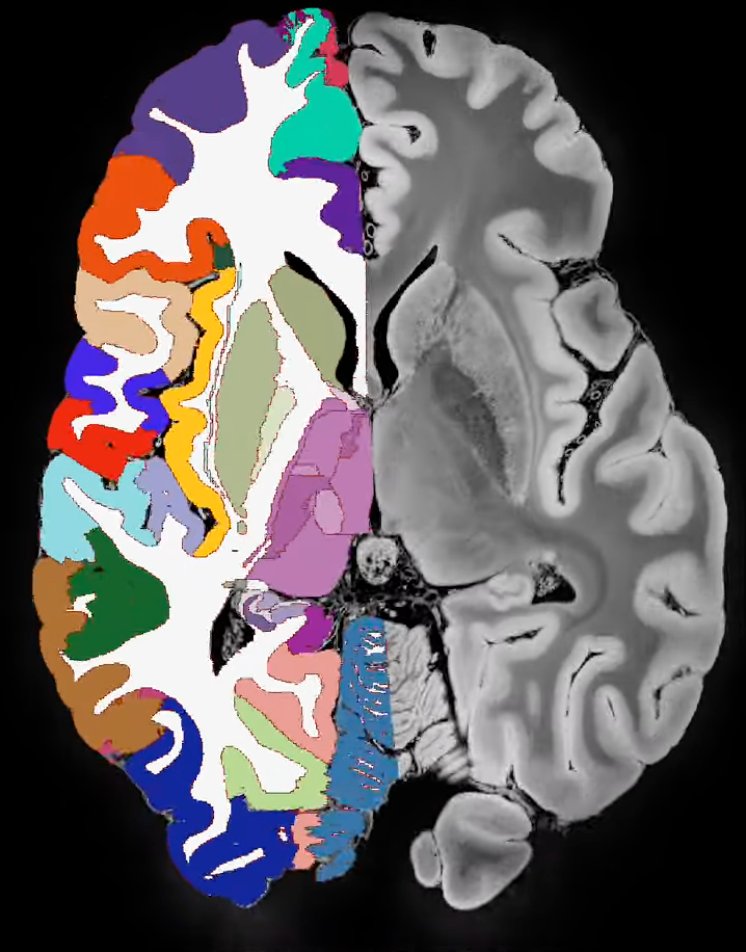
We are hiring! Postdoc opportunity at our lab to work on several projects in human neuroimaging, with collaborators from Radiology, the Mass. Alzheimer’s Research Center, MIT, UW, and/or the Allen Institute. Details at https://t.co/5VagAqVEgy
Editorial: Recent trials show intravenous thrombolysis provides no clear benefit for patients presenting to the emergency department with mild stroke (NIHSS 0–5), highlighting the need for highly individualized treatment decisions. https://t.co/gn9gqYnhKe