The IRS is wrong. New cryptocurrency tokens from staking are not taxable income. Congress can and should fix the tax code to make this clear. Keep taxation fair -- end overtaxation and the compliance nightmare.
My latest in @taxnotes – https://t.co/3a4g3DNACD
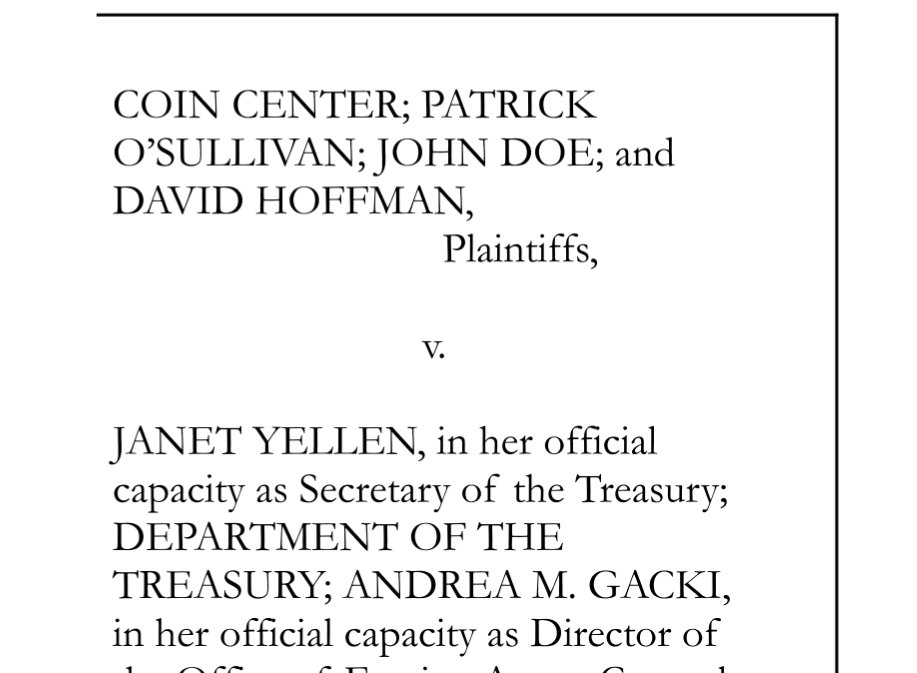
Huge thank you to our co-plaintiffs against the Tornado Cash sanctions. They are heroes for standing up and building a broad case against OFAC: @TrustlessState who got dusted and said bring it on; Developer Patrick O'Sullivan who simply hoped to get paid his salary with privacy; and our John Doe who supported the defense of Ukraine on chain while dodging GRU countermeasures.
Today, I’m taking a stand against the Biden administration’s unjust crackdown on crypto development. I’ve filed a lawsuit against the DOJ to challenge their flawed and unjust interpretation of the law.
My work on Pharos—a non-custodial protocol for public goods fundraising—reflects the kind of innovation that many in the crypto space are striving for. It’s a tool for trustless and transparent crowdfunding, empowering users without intermediaries.
Yet developers like me are facing baseless legal risks. The DOJ’s broad interpretation of money transmission laws threatens the ability to build freely. This isn’t just about Pharos; it’s about the future of cryptocurrency innovation in America.
This lawsuit is about ensuring innovators can create without fear and that laws aren’t misused to hold back progress. For too long, the Biden administration has used a lack of clarity to scare builders away from new technology or force them to leave the USA. That needs to end.
You can read more about this lawsuit and why it's so important from @CoinCenter, who are supporting me every step of the way.
https://t.co/Gl38h2CZot
Today, I’m taking a stand against the Biden administration’s unjust crackdown on crypto development. I’ve filed a lawsuit against the DOJ to challenge their flawed and unjust interpretation of the law.
My work on Pharos—a non-custodial protocol for public goods fundraising—reflects the kind of innovation that many in the crypto space are striving for. It’s a tool for trustless and transparent crowdfunding, empowering users without intermediaries.
Yet developers like me are facing baseless legal risks. The DOJ’s broad interpretation of money transmission laws threatens the ability to build freely. This isn’t just about Pharos; it’s about the future of cryptocurrency innovation in America.
This lawsuit is about ensuring innovators can create without fear and that laws aren’t misused to hold back progress. For too long, the Biden administration has used a lack of clarity to scare builders away from new technology or force them to leave the USA. That needs to end.
You can read more about this lawsuit and why it's so important from @CoinCenter, who are supporting me every step of the way.
https://t.co/Gl38h2CZot
@tushar_jain This analysis is correct: the cost is borne by non-stakers. The erroneous view is not harmless -- it's dangerous because it leads to the IRS's indefensible opinion that such new tokens are "income." If 100% stake, then stakers have zero economic gain from staking.
🚨Congratulations to Reps @RepDrewFerguson and @WileyNickel for championing a critical & common-sense clarification of existing tax law to ensure tax fairness for millions of stakers (and miners!). Today they introduced a bill that would affirm what @TeamPOSA has known for years and been fighting for: block rewards should be taxed at the time of sale, not at the time of block creation.
Proud to introduce the bipartisan Providing Tax Clarity for Digital Assets Act with @RepWileyNickel to clarify within the tax code that digital asset rewards are to be collected at the point of sale, while codifying staking rewards as “created property.”
https://t.co/Stoc4uvVay
To help explain how tax code section 6050I will (and won't) work for "digital assets," I use examples involving physical cash in this article:
https://t.co/2rBQY0zAub