@amasad Respect, I couldn't do it unless I know I still bag like 10m whatever happens. Still, I think you can always find a middle ground, like staying to make sure it stays on mission and still get maybe half of that? It's never (or should never be) black and white. What was the driver?
@AskPerplexity Now please compare with Peru's similar market decisions in the 90, how are both compared now and where are the key main different drivers or causes for that.
@thepatwalls That's not being an "internet entrepreneur", it's mostly trying to run ponzi schemes disguised as businesses. Worst part is he was actually making it but he thought it wasn't enough because the gurus say they make that in a day, which is obviously a lie.
@RasmusJarlov @ulriklykke Wow. The guy (you know, your constituent), just had an opinion. Is that your take on free speech? I'm from a 3rd world country and we do have politicians that'd respond as badly as you but, we're a 3rd world country. Btw, if it's never happening, why the urge to reply anyways?
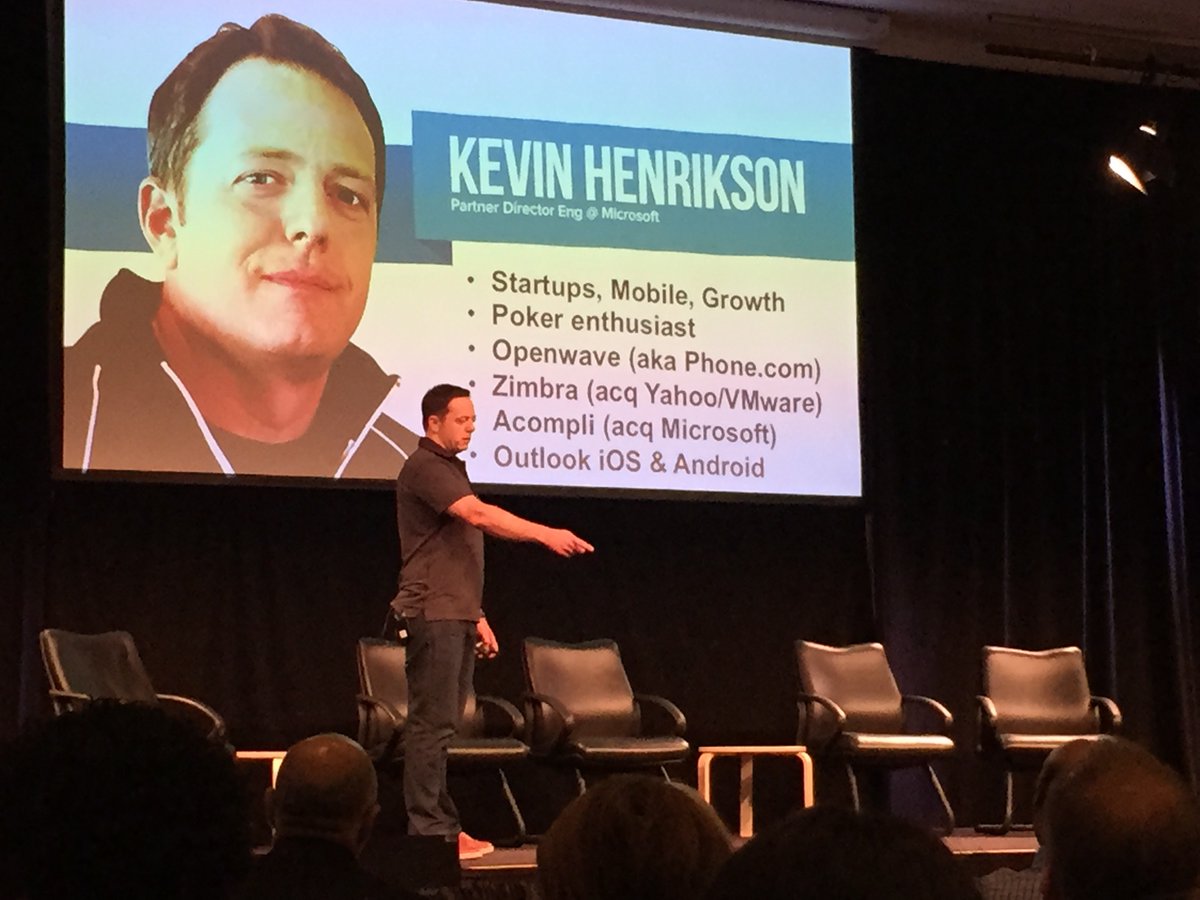
In 2013, we built an email app with a small team.
18 months later, Microsoft bought it for $200M.
But after we signed the deal, they made one simple request that changed everything.
Here's the untold story of how we built (and sold) our startup:
The David Mayer mistery solved (sort of). I made chatgpt look online for a David Hayer but changing the G for an M and answer why it would trigger a block, avoiding mentioning the name in the response.
🧵1/ We've seen a ton of spirited discussion around @cartainc's recent VC fund performance report.
We compared @SapphirePrtnrs early DPI analysis against Carta's corresponding cohorts & wanted to share lessons learned.
TLDR: As LPs - we don’t think cause for any 🚨s. Here's why👇
The Evolving Landscape of Venture Capital: Are Emerging Managers DOA?
There’s been a lot of debate lately around whether the VC ecosystem is being negatively impacted by the largest firms hoovering up LP money at the expense of Emerging Managers. The observation is real and it’s becoming increasingly clear that the venture capital industry is at a critical inflection point. But the phenomenon isn’t new. It’s been unfolding for years and was easy to spot. I wrote about it a few years back in a presentation titled “The Three Body Problem: Finding The New Stable Points In Venture Capital” and I’ll add a link in the replies if you’re interested in learning more.
With this said, other experts have been writing about it as well. For instance, @wolfejosh’s recent prediction that 30-50% of venture firms may cease to exist in the coming years is not just a provocative statement, but a stark warning to Emerging Managers and many established VC firms. When we consider that only 17% of venture funds make it to fund 4, and that 44% of VC capital raised this year went to just two firms, it becomes clear that the industry is starting to consolidate.
This consolidation is not just a theoretical concern to Emerging Managers - it's a very real threat to the diversity and dynamism that has long been the hallmark of the very early stage VC ecosystem. However, while the outlook may seem bleak for many Emerging Managers, I believe there is a path forward. The key lies in understanding what Founders and LP are struggling to find within the "established" VC ecosystem and aligning with these unmet market needs.
For Emerging Managers, the writing is on the wall: adapt or perish. The days of simply working hard and expressing a desire to LPs that you deserve to be a VC are long gone. Today's landscape demands true differentiation and specialized skill. Emerging Managers will do best if they position themselves firmly within one of two key boxes: The Solo VC or the Non-Consensus Alpha seeker. Hunting in thematically consensus spaces or chasing serial Founders with many options is a good way for an Emerging Manager to fail.
The Solo VC Option
Not all Emerging Managers fit in the Solo VC box. It requires a unique combination of skills, experience, and network that can provide outsized value to founders. Solo VCs win deals not because they can write the biggest checks, but because they can provide the most value per dollar invested. They are often industry veterans, serial entrepreneurs, or individuals with deep expertise in specific sectors. Their ability to provide hands-on mentorship, make crucial introductions, and offer strategic guidance is their competitive advantage. They need to be a “brand” in and of themselves, and if they aren’t, they’ll struggle to source and win deals.
The Non-Consensus Alpha Option
Non-Consensus Alpha seekers are those willing to venture in sectors, themes, specific businesses and Founder profiles that others avoid. These are the VCs who are not afraid to back ideas that seem outlandish or premature to the mainstream. They have the courage to invest in overlooked geographies, underrepresented founders, or technologies that are super risky and have yet to prove their commercial viability. Their differentiation comes from their willingness to take calculated risks on ideas and teams that larger, more conservative firms might pass on.
Attracting LP Capital
But identifying with one of these archetypes is just the beginning. To attract LP money in this competitive landscape, Emerging Managers need to be incredibly crisp in articulating their differentiation and path to victory. They need to clearly demonstrate how they can "see" great deals that others miss, "analyze" them effectively to pick the winners, and then "win" those deals by being the investor of choice for great Founders.
This means developing a compelling narrative around their unique value proposition. For Solo VCs, this might involve showcasing their track record of successful exits, their deep industry connections, or their ability to provide hands-on operational support that will kink the curve on outcomes.
For Non-Consensus Alpha seekers, it could mean demonstrating their thesis-driven approach to identifying overlooked opportunities, their unique deal flow sources, or their ability to help Founders navigate from non-consensus to consensus. Sharp thinking and a highly differentiated approach will be critical to success in this space and being able to explain your strategy and skills will be critical to attracting capital.
What’s clear is that being a passive “first check writer” who can’t lead, doesn’t have the capital to follow-on, and isn’t about to provide differentiated advice and connections to Founders isn’t going to cut it anymore. These firms won’t survive the current wave of consolidation and will be culled from the ecosystem by being starved of LP capital.
For Emerging Managers, it's crucial to understand that in today's environment, LPs are not just looking for generalists with decent short-term markups and interesting logos. They're seeking specialized expertise, unique angles, and differentiated strategies that can generate alpha in an increasingly competitive market. Emerging Managers who can rise to this challenge will find that there's still plenty of room for success in the VC industry.
So, while Josh Wolfe's prediction may well come true for a significant portion of the industry, it doesn't have to be a death knell for all Emerging Managers. The VC ecosystem of the future may (will) be more concentrated, but it could also be more specialized, more differentiated, and ultimately, more effective at identifying and nurturing the transformative companies of tomorrow.
In my past lives as a founder and startup investor, I've backed over 800 startups. Here are some lessons I've learned that I'd pass onto newcomer angels.
More >>
The Grand Reset: VCs and LPs Are Starting To Internalize Reality
The past few years in the VC space have been brutal. Darwin has returned from vacation and the frothy gold rush of the 2018-2021 startup ecosystem has vanished. The ZIRP environment caused valuations to soar and VCs threw money at any startup with a pulse. The money was put to work by Founders quickly, many of whom chased shiny objects and undisciplined growth because their bank accounts were flush with cash.
But a harsh reality set in once we entered a new and higher interest rate economic cycle at the beginning of 2022: The vast majority of the high-flying ZIRP era startups are unlikely to deliver great financial outcomes for their investors and employees.
Early in the correction cycle there was a lot of denial by Founders, VCs and LPs, but this denial has for the most part gone away. For many startups it’s clear that it will be challenging if not impossible to earn their way into their last valuation. For many investors it’s clear that they’re playing to recoup their money (i.e. – playing for pref) rather than playing for “fund returning outcomes”. And for many LPs, they realize that this is an industry wide phenomenon because every active fund manager played the game that was on the field.
This has birthed a phenomenon that can be thought of as "The Grand Reset" where everyone in the ecosystem is seeking the cleanest path to a “do over”.
Venture capitalists know that they have one or two funds that are going to underperform but are excited about their front book opportunities. So the “new deal” they’re making with LPs is that they’ll try to quickly recoup what they can and make the most of the back book in return for being more disciplined going forward.
LPs understand that more investments than normal will fail and they know that absorbing those losses will lead to lower fund performance. LPs realize that the VC asset class is cyclical and great vintages can be created by great managers once the ecosystem flushes out the mistakes produced in an abundant and free flowing capital environment. The “new deal” they’re making with VCs is that they’ll forgive a bad vintage if the VCs will be honest with them about what the back book is “worth”, be more disciplined going forward and they’ll do everything they can to return some cash “soon”.
And many Founders have realized that the ZIRP funding environment hurt their startups in multiple ways. First, their common equity is likely buried under a massive preference stack. Second, too much money caused them to hire too many people and invest in too many projects and undoing this has been challenging. Third, raising capital when a company has been in “shedding mode” rather than “growth mode” is difficult which puts re-booting growth at risk. And finally, the opportunity cost of trying to fix a broken business vs. starting a new one from scratch makes sticking around “expensive”.
The net result of this “Grand Reset” is that there’s no longer incentive for anyone to maintain the illusion they can shepherd mediocre companies towards billion-dollar IPOs that aren’t going to happen. Instead, the focus has shifted towards "landing the plane" for the 90% of companies that aren’t ever going to achieve escape velocity. This generally means navigating an acquihire for struggling companies and helping “good but not great” portfolio companies find exits through acquisitions or mergers even if it means selling for a fraction of their inflated peak valuations.
This shift can be brutal for Founders who envisioned a triumphant IPO. But for many, it's a wake-up call. The pressure to "grow at all costs" has receded, replaced by a need to focus on building sustainable businesses with real revenue models and clear paths to profitability.
And "The Grand Reset" isn't just about selling off inflated companies. It's about resetting expectations on all fronts. VCs are re-evaluating their investment theses, focusing on strong unit economics and caring about capital efficiency. Founders are being forced to build businesses that can turn over cards in a disciplined way and survive without the crutch of endless VC funding. And LPs are seeking to re-up with Funds that have great pre-2018 track records and have a true competitive edge in today’s new normal environment.
This new landscape has its downsides. The flow of easy money has dried up which makes it harder for promising early-stage startups to secure funding. But there are upsides as well. The emphasis on fundamentals could lead to the creation of a new generation of startups built on a foundation of sustainable growth, not just hype.
The Grand Reset represents a significant course correction for the startup ecosystem. It's a painful process, but it could ultimately lead to a healthier and more sustainable future for both VCs and startups alike. As the dust settles, one thing is clear: The era of easy money is over. The startups that emerge from this reset will be the ones that can demonstrate real value and build strong businesses for the long term.
(More on "landing the plane" in a thread next week).
@ChKashifAli Congrats @ChKashifAli! This an excellent reminder for everyone that for every success you see, there's many failures and suffering behind. As they say, success is something that happens overnight, after many times trying.
A few months ago, I completed a year of investing full time as a venture capitalist after several years as an operator. I had written 10+ angel tickets before, so thought I knew 'the game' but its actually quite different. Writing down a few notes to myself here:
@ValKatayev I ended up going with an iPad, it connects seamlessee and wireless to the Mac and also, it's another machine so you're not using your mac's resources. But if you want a bigger screen, this looks like a good option.