Taxpayer Ballot Measure Guide: Wealth Tax, Progressive Tax Hikes Face Firewalls Against Tax Hikes with Billions of Dollars at Stake https://t.co/fjMTPkxUFA
No one likes changing the clock, me included, but Congress has enacted permanent Daylight Savings Time multiple times before and repealed it each time once Americans experienced absurdly late sunrises in the winter. Arkansans don’t want their kids going to school in the pitch dark, and I’ll always put Arkansas first.
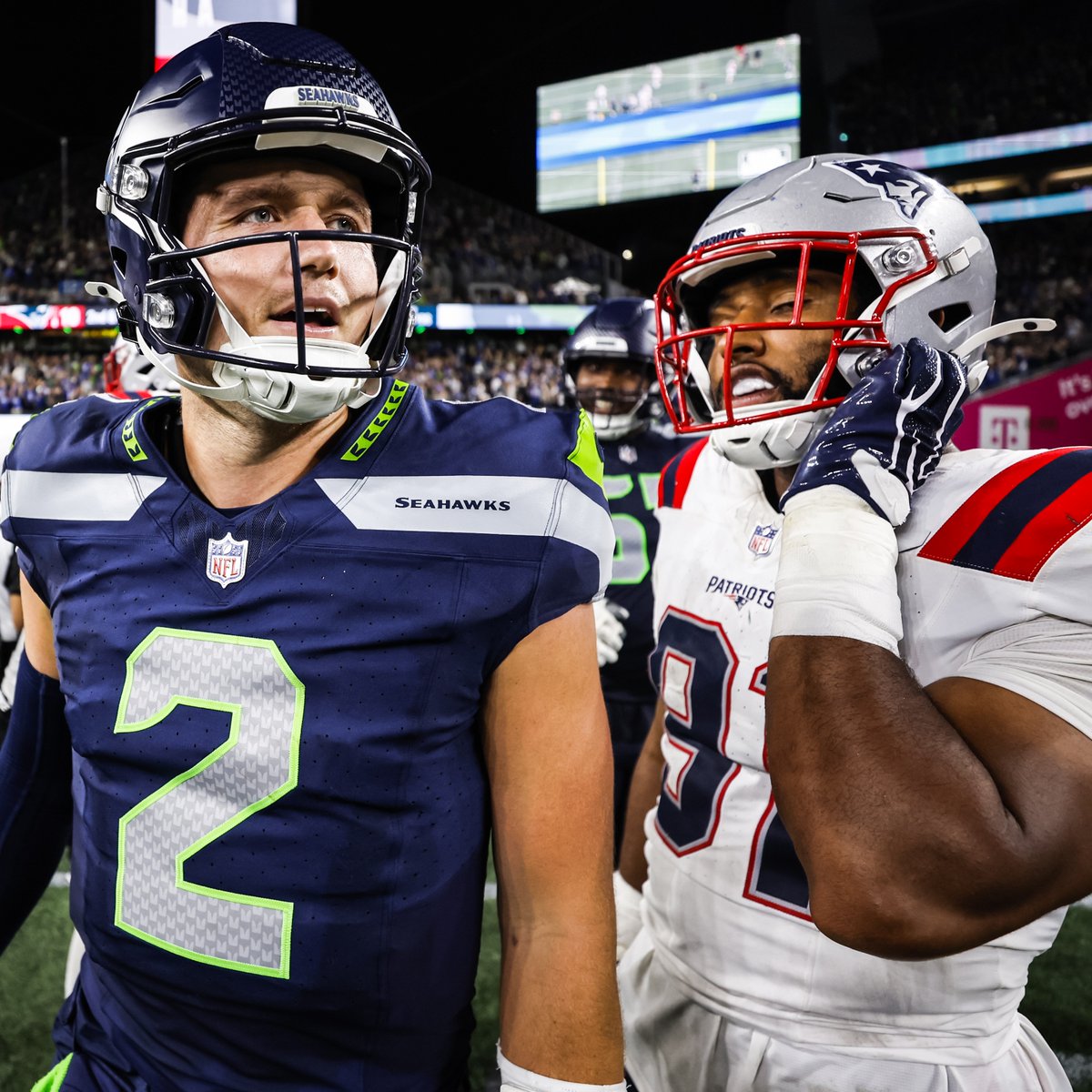
Patriots-Seahawks was the least-watched NFL opening game in four years.
Despite relentless promotion and a high-profile rematch of last season’s Super Bowl, NBC Sports's and the NFL's opener dropped 11% in viewership from last year's.
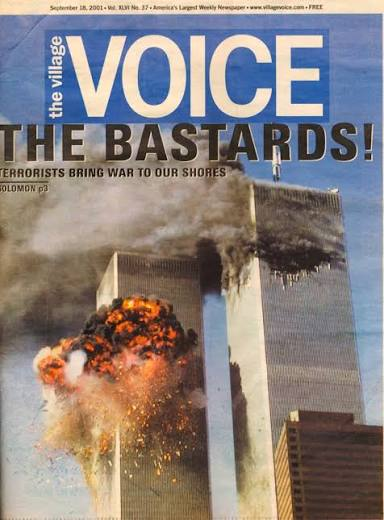
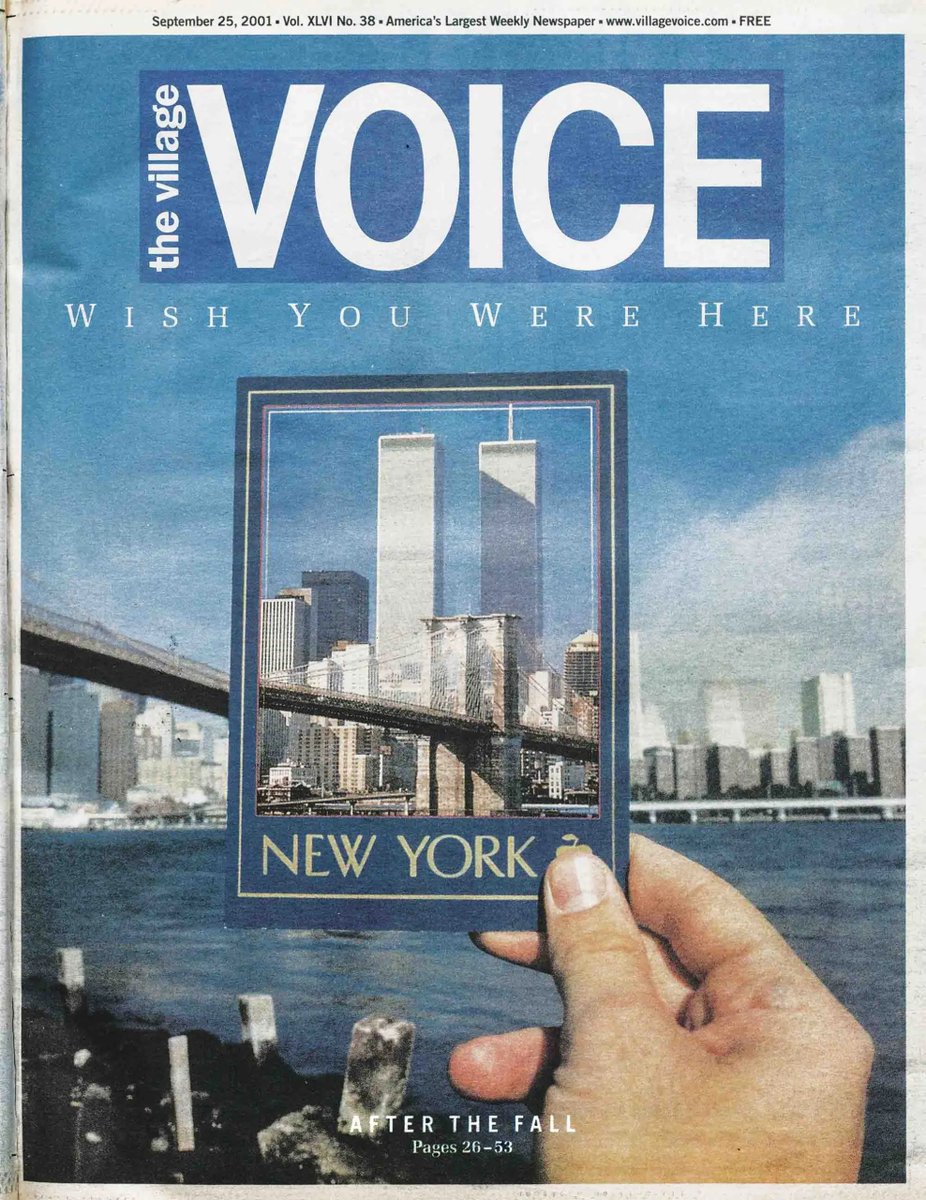
For a sometimes cynical progressive free New York weekly, the Village Voice ran arguably the two most against-type covers in its history in the two weeks after 9/11.
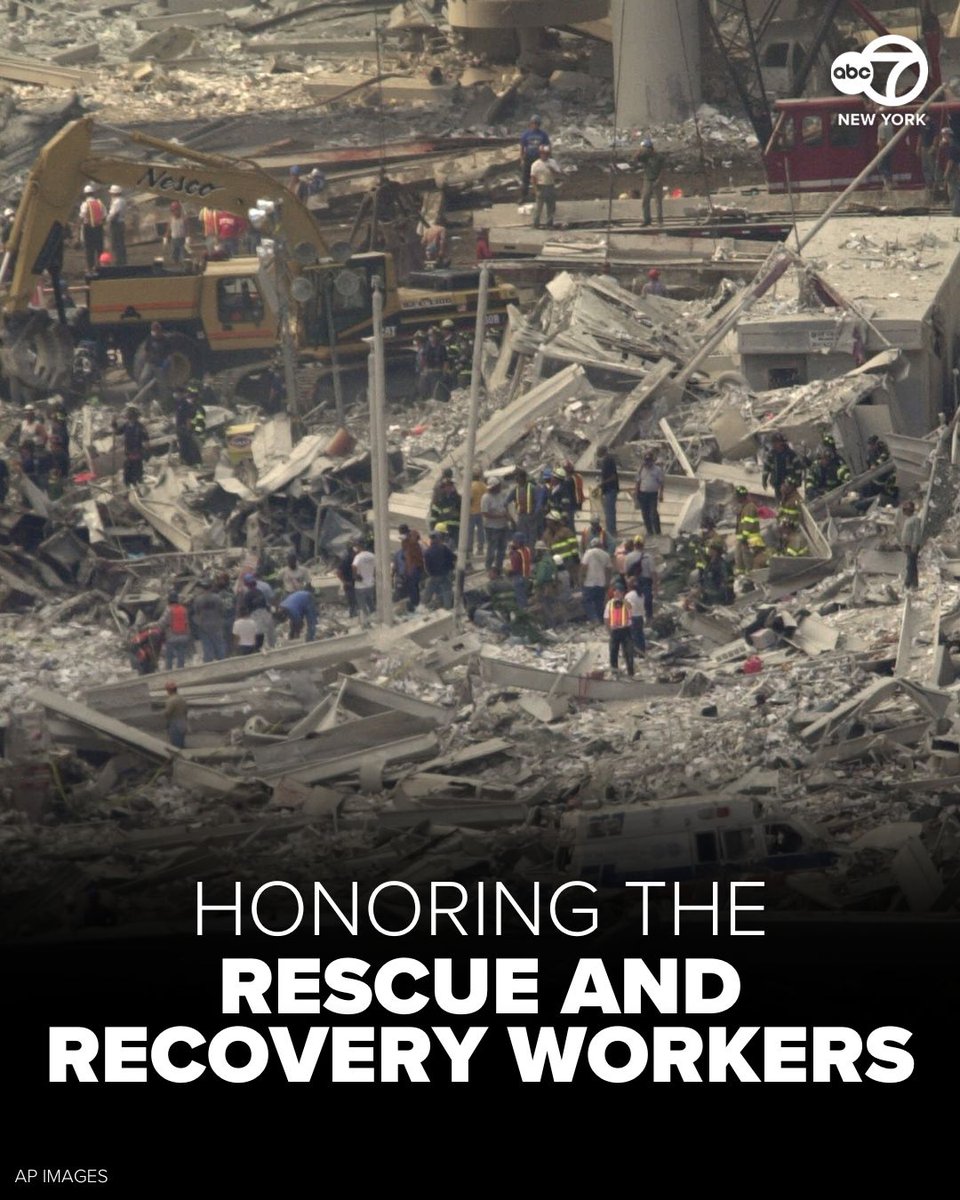
On 9/11 and for many months after, they worked at Ground Zero, on the pile, as it was called, at great personal sacrifice. Their dedication in the aftermath of the attack has cost many their health and even their lives, long after 9/11. Today, 25 years after the attack, we salute their bravery and sacrifice. Watch today's ceremony: https://t.co/EJCDR5TIcn
In 1993, Rick Rescorla walked through the smoking crater in the World Trade Center basement and wrote a report no one wanted to read.
He warned that the towers were still a target. He warned that the next attack would not be a truck.
It would be a plane.
Morgan Stanley listened, but breaking the lease on twenty-two floors of prime Manhattan real estate would cost hundreds of millions. They stayed.
So Rick made a choice: if they couldn’t leave the building, they would learn to survive it.
He instituted mandatory, unannounced evacuation drills. High-powered executives who billed thousands by the hour complained about trudging down concrete stairwells. Rick didn’t care. He drilled them relentlessly, two by two, keeping one side open for first responders. He knew that when terror struck, muscle memory was the only cure for panic.
On September 11, 2001, the North Tower was hit. Minutes later, building announcements echoed through the South Tower: The building is secure. Return to your desks.
Rick picked up a bullhorn and defied the order.
“Get out,” he said.
He launched the evacuation before the second plane ever hit. As thousands spiraled down the dark stairwells, Rick sang old Cornish battle songs and “God Bless America” through his megaphone to drown out the terror.
When United 175 tore into their tower seventeen minutes later, Morgan Stanley was already halfway home.
Of the 2,687 employees in the South Tower that morning, 2,674 made it out alive.
Rick was already safe on the lower floors. But he turned around and went back up. When colleagues begged him to save himself, he told them he would leave only when he was certain every single soul was out.
He was last seen heading up past the 10th floor.
At 9:59 a.m., the tower fell. Rick was one of the 13 who never came home.
He trusted his gut when the world told him he was paranoid. He broke protocol to save thousands of lives. And when his mission was done, he walked straight back into the fire.
Remember Rick Rescorla.
🇺🇸 The Boatlift That Was Bigger Than Dunkirk
At 10:45 a.m. on September 11, 2001, a Coast Guard lieutenant named Mike Day keyed a radio in New York Harbor and said the only sentence that mattered.
“All available boats. This is the United States Coast Guard. Anyone wanting to help with the evacuation of Lower Manhattan, report to Governors Island.”
The boats were already coming.
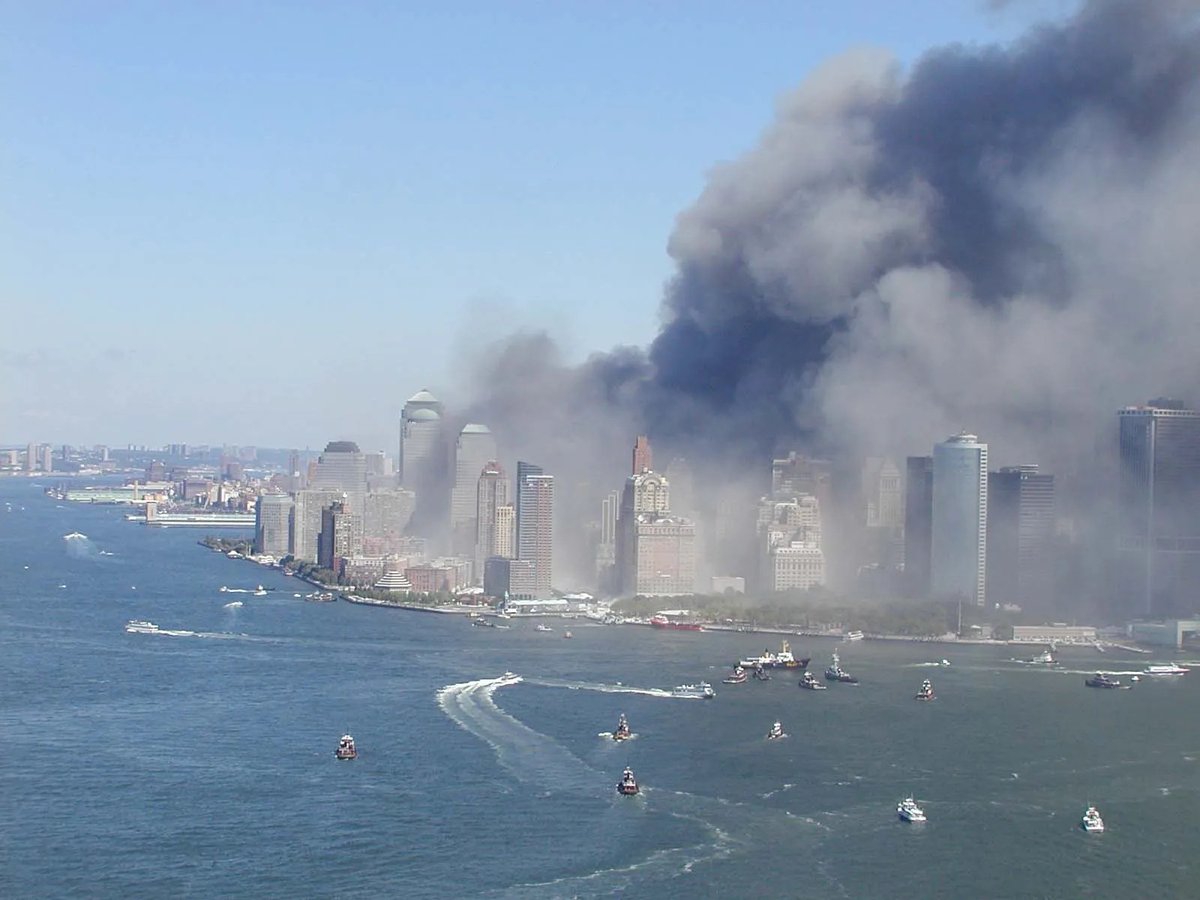
The bridges were closed. The tunnels were closed. The subways were dead. South of the towers, hundreds of thousands of people had nowhere left to walk. Some jumped into the Hudson. Some stood on seawalls that were never meant to be docks and waited for anything that floated.
Dunkirk took nine days to pull 338,226 Allied soldiers off a beach in 1940.
On 9/11, roughly 800 mariners on about 150 vessels moved as many as 500,000 civilians off Manhattan in about nine hours. Ferries. Tugs. Dinner boats. Pilot boats. Yachts. A retired fireboat. Rubber dinghies that held two people. The largest water evacuation in history.
NY Waterway did not wait for the official call. After the second plane hit, the whole fleet moved. Captain Rick Thornton nosed his ferry against a seawall that was not a slip and started taking people off. Some of them he pulled out of the river. His company alone carried about 158,000 people to Jersey City, Hoboken, Weehawken, Brooklyn, and Queens.
On a normal Tuesday they carried 34,000.
The Staten Island Ferry moved more than 50,000 people and came back the other way with water, bandages, and men who still had work to do in the dust.
The old fireboat John J. Harvey, already retired, tied up near the Museum of Jewish Heritage, took civilians off the seawall, then pumped water when the hydrants downtown died.
Lt. Day later admitted what the day required. “I broke more rules that day than probably I’ve enforced in my whole Coast Guard career.”
In raw numbers it was bigger than Dunkirk. No boat went down. By nightfall the southern tip of Manhattan had been emptied by people who were not on anyone’s list of heroes when the morning started.
They were tug captains. Ferry deckhands. Pilots. A lieutenant with a microphone. Ordinary boats answering one sentence.
All available boats.