Proud to see my PhD work published in @embojournal! We developed PUFFFIN, a cellular neighbour-labelling system, and demonstrated its effectiveness both in vitro and in vivo. In mESCs, PUFFFIN revealed that cells synchronise exit from naïve pluripotency with their neighbours.
PUFFFIN: Shining light on cell chat. ✨
Jennifer Ann Black (@jablack18) covers work from @LebekTamina, @matt_mala, @aelfick & @[email protected]. #preprint
This preLight includes a response from the authors 👀 ⬇️
https://t.co/10NP3zCcDu
Delighted to share our new comment piece in Nature Reviews Mol Cell Biology discussing the need to take another look at transfection technologies... https://t.co/Pe7BTag7FG
Could you be our next @royalsociety Entrepreneur in Residence?
You will have access to a wide array of disruptive research in our School and sponsor/mentor students & staff as they create new startups and spin-outs.
Express interest by 5pm, Weds 5 April: https://t.co/zOJzw4O0k8
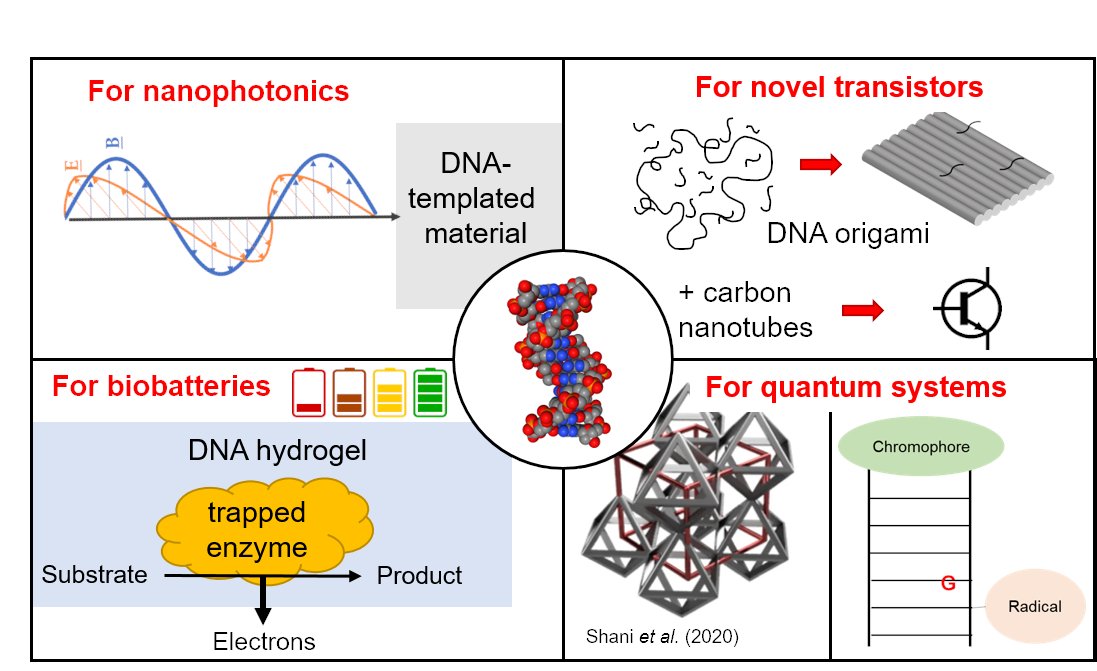
DNA nanotechnology for photonics & electronics: in this new review, @kdunnresearch & @aelfick@EdinburghUni discuss the potential of DNA-based approaches to design novel transistors, quantum computing devices, electromagnetic materials, and biobatteries. https://t.co/rHxae0uD5K
🧬💡Topical review ‘Harnessing DNA Nanotechnology & Chemistry for Applications in Photonics and Electronics’, by @aelfick & me. Now published in @BioconjChem https://t.co/mlJJexqB1g Thanks to @RicciLab & @GothelfLab for invitation to write for Chemistry of #dnanano special issue!
Forgive the shameless promotion but our opinion piece on standards for mammalian synbio is now available online from Trends in Biotech
https://t.co/8qweC3rYzd
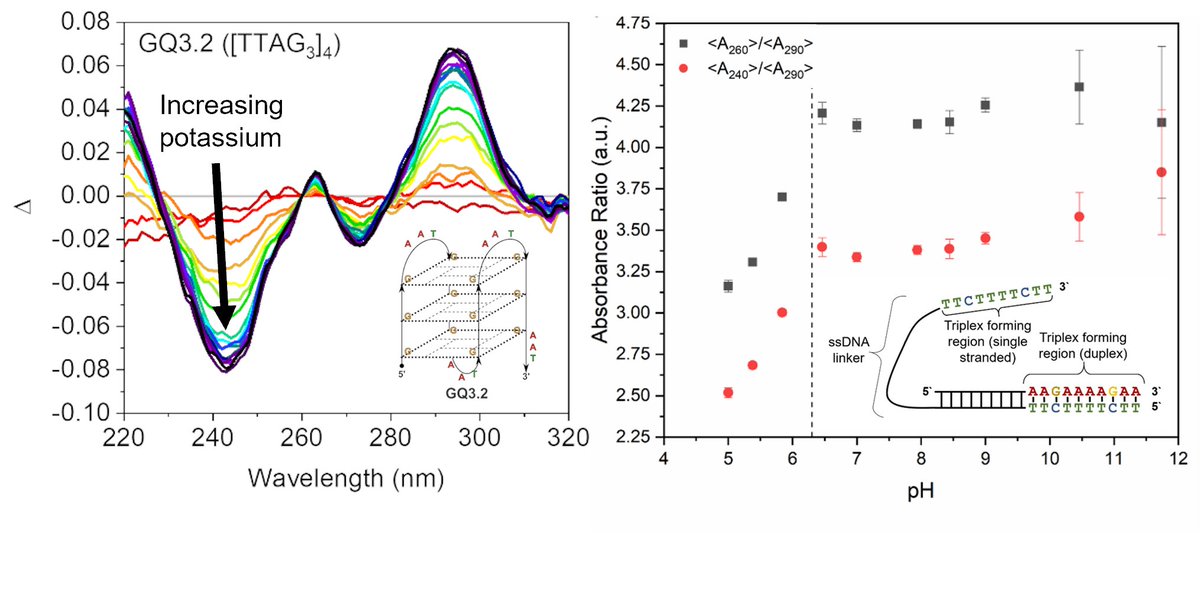
Now published (formerly pre-printed): Using ultraviolet absorption spectroscopy to study nanoswitches based on non-canonical DNA structures Link: https://t.co/zVrL0NprDX
Authors: Blair McCarte, Owen Yeung, Alex Speakman, @aelfick & me.
🌎🌳🌎
Just launched The Science for Sustainability Hub, a network of Edinburgh scientists working on the greatest challenges faced by our planet.
https://t.co/5DzYFKsO3G
Sustainable biotech, net zero, AI for social good
, robotics, and many others.
Follow us for more info.
With #synbio we aspire to being able to program biology by writing DNA scripts that our chassis will execute. How can we do this with yeast cells? Find out in this video by @aelfick, @DrLeoRios and Koray Malci from @EdinburghUni.
https://t.co/wNYfSjClDp
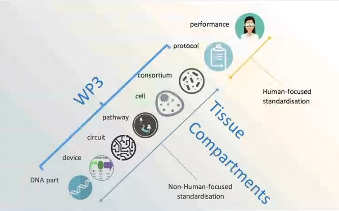
Finishing the morning session of the final BioRoboost meeting with @aelfick from @EdinburghUni presenting WP3: beyond bacteria - standards for yeast and mammalian systems 🧫
Dear SynBio folks: make sure to request a copy of this book to @ManuelPorcar1 or @BioRoboost. A great resource to inform the ongoing conversation on standards in SynBio and Biology in general 😀
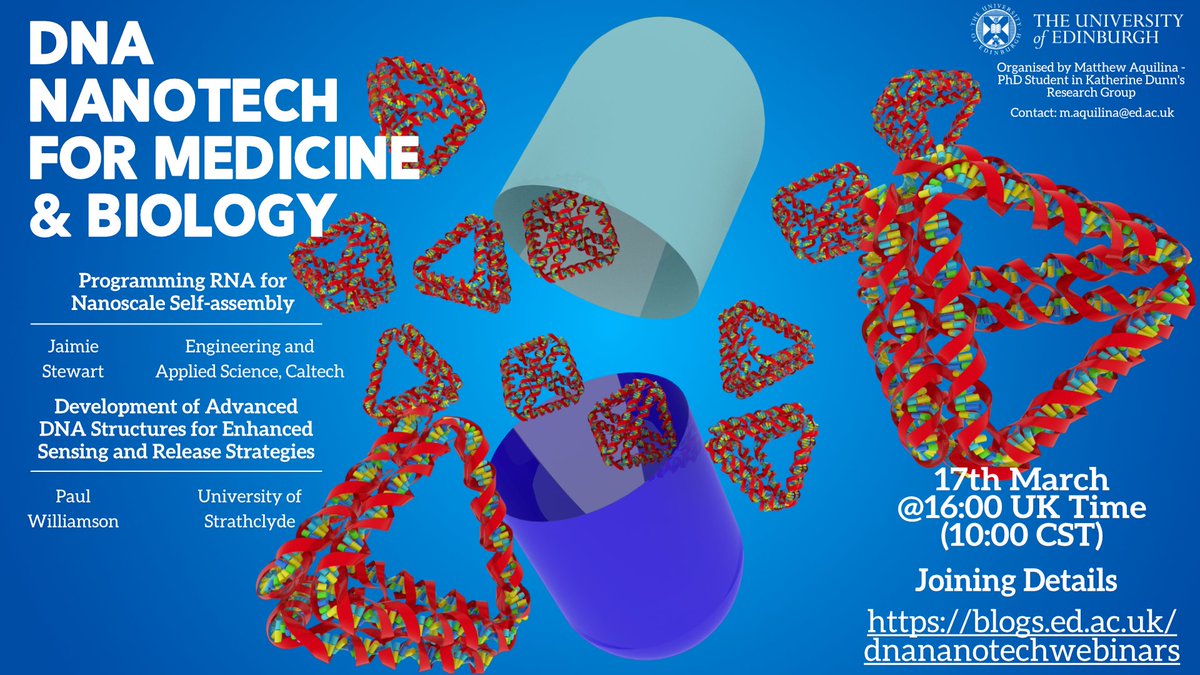
Our next #DNAnano webinar is on Mar 17th, 16:00 UK time. Tune in for fascinating talks from @DrJMStewart (@Caltech) and Paul Williamson (@DamionCorrigan group, @UniStrathclyde). Link here: https://t.co/3UAQhz6srG Looking forward to it, hope to see you there! All welcome🧬🙂
We've launched a new website! Doing Engineering (https://t.co/MVSNZRbRvP) lets you explore what engineers, social scientists, biologists, policy-makers and others said when we asked what image best-represented engineering.
#SynBio#Engineering#EngineeringBiology#STS