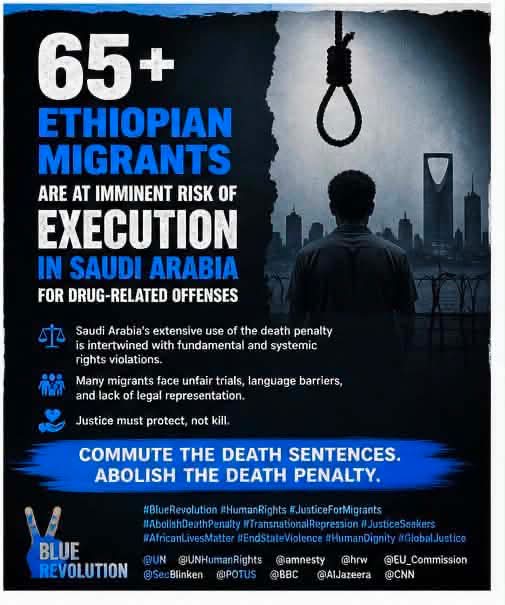
Human Rights Watch says many of those facing execution were convicted after proceedings that:
Lacked legal representation
Had no translators
Relied on coerced confessions
@Reuters@BBCWorld@AJEnglish#StopCapitalPunishment
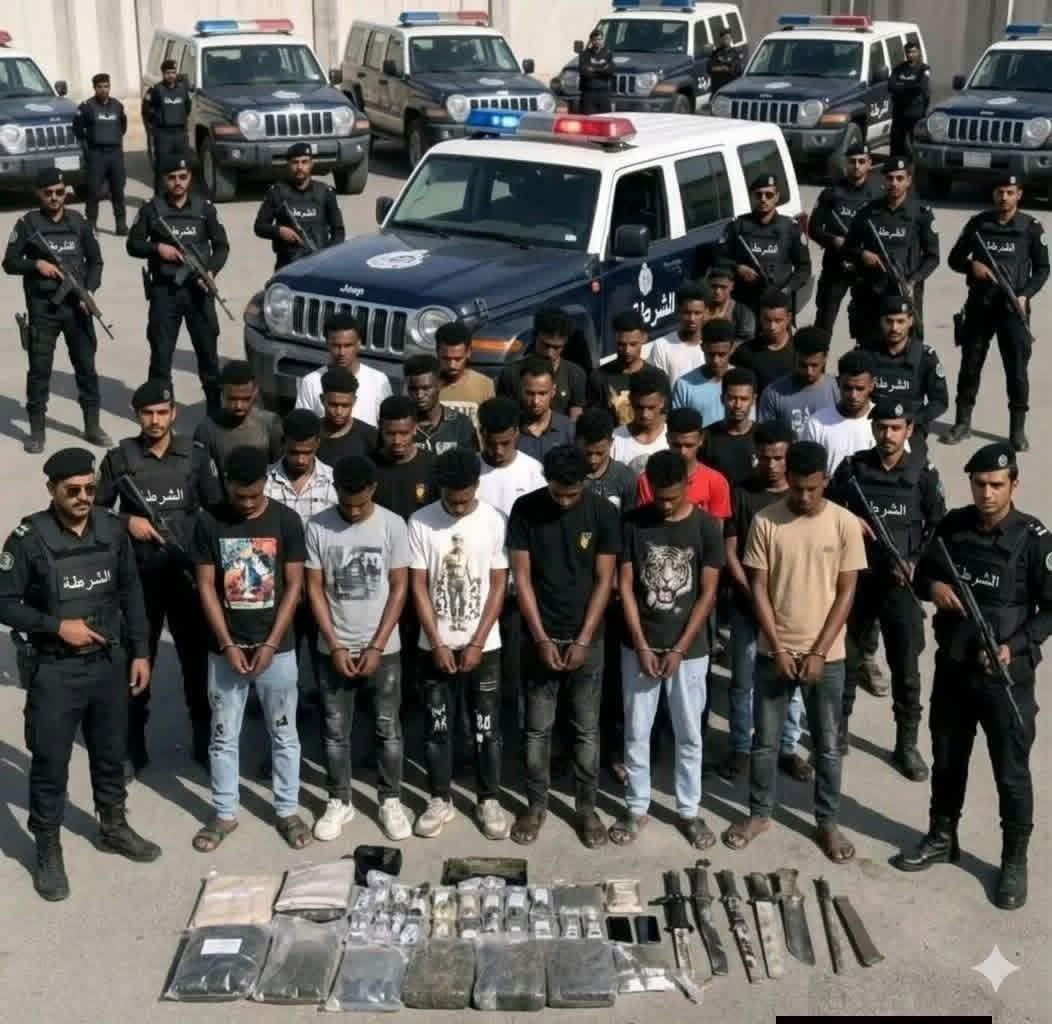
🚨At least 65 Ethiopian migrants are at imminent risk of execution in Saudi Arabia for drug-related offenses,Human Rights Watch said today.Saudi authorities executed 3 others on April 21,2026. https://t.co/ap94LR3f2P…
#HumanRights#Ethiopia#Tigray#MigrantRights#Justice@hrw
#InPicture: Internally displaced people in Shire, Tigray live in harsh conditions inside torn plastic shelters battered by sun, wind and rain.
The makeshift homes offer little protection, reflecting the daily struggle and hardship faced by nearly one millions IDPs across Tigray.
As tensions rise and the risk of renewed war grows, women and girls in #Tigray are on the brink of another crisis.
Join Refugees International, @ECDCUS, @HarambeeOrg, and @giwps for a discussion on the current realities facing displaced women in Tigray.
https://t.co/ZXRYGDxwH9
“The international community underwrote a genocide in order to overturn #Tigray’s democratic will — that’s what happened. We were punished by genocide for voting. So, you would understand if there is a fear of demanding that we get to vote again.”
— Semhal Meles
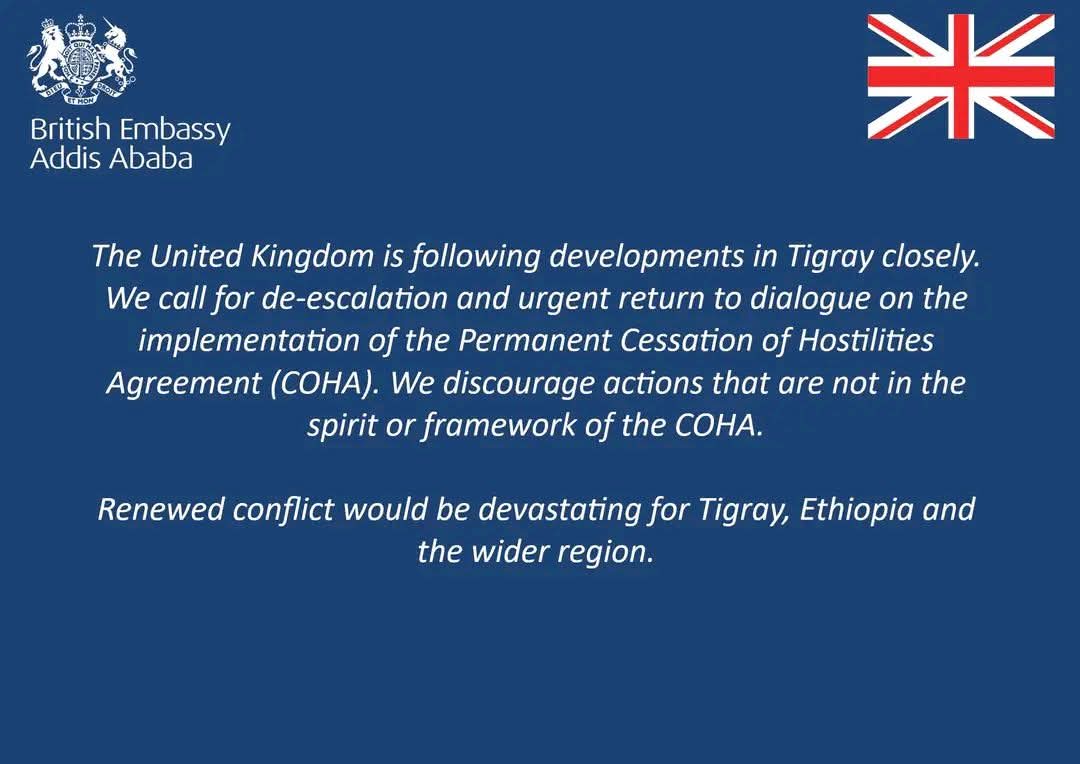
Dear @UKinEthiopia It sounds like you’re expressing deep frustration about how the Pretoria Agreement has been handled and the role of international actors. That conflict has been devastating, and many people—especially those directly affected—feel that outside institutions haven’t done enough or have responded too slowly.
It’s true that ceasefire or peace agreements often depend heavily on political will from the parties involved, and enforcement mechanisms can be weak. Organizations like the African Union or the United Nations can facilitate agreements and apply pressure, but they don’t always have the power—or unity among member states—to ensure compliance on the ground. That gap between commitments and reality is one of the biggest criticisms of international diplomacy.
At the same time, it’s worth being careful about painting all institutions or leaders as entirely corrupt or indifferent. There are often competing geopolitical interests, limited leverage, and internal divisions that shape how these situations unfold. None of that excuses inaction or suffering, but it helps explain why responses can seem inconsistent or inadequate.
If you want, we can dig into what’s reportedly been happening since the agreement, or how enforcement mechanisms in similar conflicts have worked (or failed) elsewhere.
This is unfair judgement?@BerhanuAsres
#Justice4Tigray
+1,300 IDP in Tigray region have died over the past 3years due to hunger & lack of medical care, a regional official told @AFP.
The deaths highlight the worsening humanitarian conditions facing IDPs living in camps across the region.
#TigrayGenocide#IDPs@WFP@WHO@WFP_UNHAS
+1,300 IDP in Tigray region have died over the past 3years due to hunger & lack of medical care, a regional official told @AFP.
The deaths highlight the worsening humanitarian conditions facing IDPs living in camps across the region.
#TigrayGenocide#IDPs@WFP@WHO@WFP_UNHAS
Tigray Patients Suffer as Ethiopia Reinstates Wartime Siege
As Ethiopia restores its genocidal wartime blockade, #Tigray’s health system faces an imminent operational collapse due to severe fuel shortages, a halt in pharmaceutical supplies and mounting financial restrictions. 1/
Ethiopia: Daniel Kibret, an advisor to PM Abiy Ahmed on social affairs, delivered a hatred speech in public stating that Ethiopian diaspora members who criticize the regime should be denied burial service in Ethiopia after their death