Incredible that you can have poll numbers by just enforcing the law and focusing on public space quality of life and no one else seems interested in grabbing this flag.
“We built this crisis by choosing developers over people. We can choose differently.”
There’s still a segment of the left that believes that socking it to developers is more important than maximizing housing construction. But that view was way more prevalent in Seattle 10-15 years ago, when Boomer electeds were still wielding substantial political power.
Housing policy is one area where the Millennial/Gen Z left has rapidly evolved in a much smarter and more results-focused direction, leaving behind the old Boomer/Gen X left as well as the status quo mods.
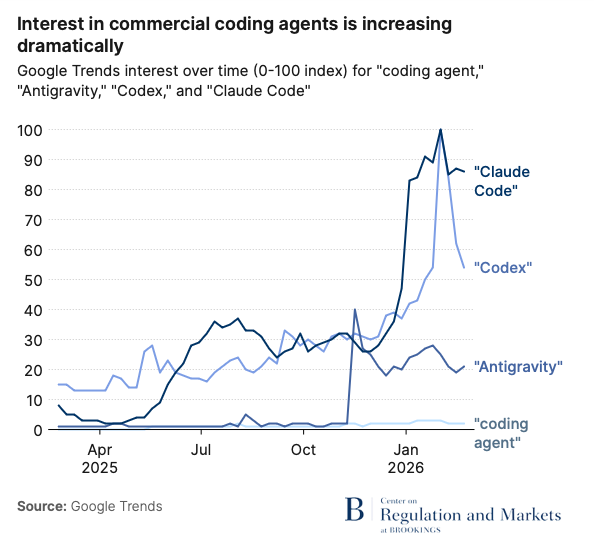
You can just research things. New from @j_a_tucker & me at @BrookingsInst: Coding agents like Claude Code and Codex will likely accelerate research AND undermine institutional structures we built to support it.
@skaushik100@RealSeattleNice What’s particularly wild to me is that I learned more about the what explains the lack of good governance in this domain on a podcast than I did in YEARS of reading @seattletimes
If you’re at all concerned with public safety in Seattle, you should listen closely to the new @RealSeattleNice conversation with Scott Lindsay, former mayoral public safety advisor and (until recently) Deputy City Attorney under Ann Davision. The senior folks in the Wilson administration would be well advised to pay attention to Scott’s assessment too.
Whether you fully agree with them or not, Scott’s informed takes on what’s working and what’s not to address problem an criminal behavior on our streets reminds me how shallow and polarized our civic conversation continues to be about consequential - and complicated - public safety issues, how much it’s been dominated by bumper sticker bromides from the left and the right, and how the local media needs to do a much better job of explaining the underlying realities of the public safety policy landscape in the city.
@stevemur Note that the study used synthetic controls, not simulation/synthetic data. This just means pooling other empirical data to create a rough estimate of the counterfactual Oregon/Washington
We just release a new analysis the highlights the potential of opt-in surveys -- those that allow people to volunteer to participate -- to provide misleading results, especially for young adults and Hispanics https://t.co/bZFwPFmtlD
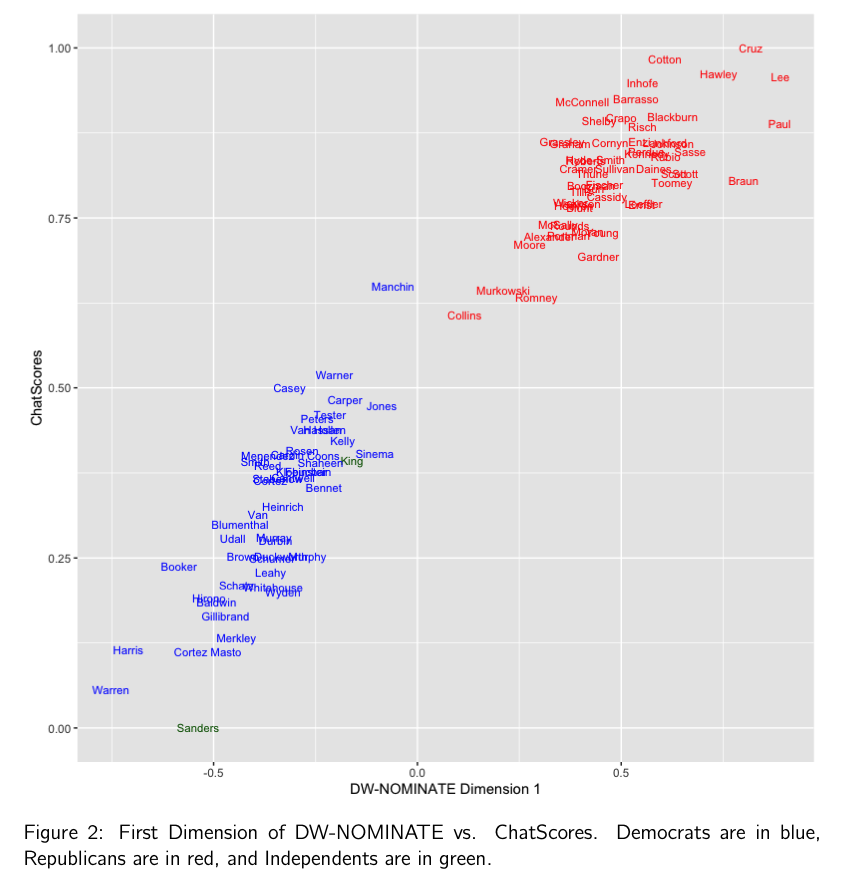
📢🚨 New paper @PatrickYWu, @j_a_tucker, @Jonathan_Nagler & me 🚨
1. We show vast knowledge embedded in LLMs (#ChatGPT) can be used for latent measurement (ideology).
2. Correlated but distinct from existing methods.
3. Extensible to new probs.
https://t.co/WtMorC4j3A
As in many of these campus conflict stories, the villains here are the college administrators, who seem completely incompetent and maybe like actual legal liabilities https://t.co/rXVhuWIOrT
Molly Ringwald's memoir of working with Godard on King Lear, this week in @NewYorker, is essential reading—it's cinematic in itself, with a view of an unmade film that, while reading about it, I felt like I was seeing: https://t.co/FrJl3eR1WL
Our paper on community gifting groups on Facebook is out! We used de-identified data from Facebook Groups to study local gift-giving communities, specifically buy nothing (BN) groups. These communities allow people to share, reduce waste, and connect to their local community.
New working paper!
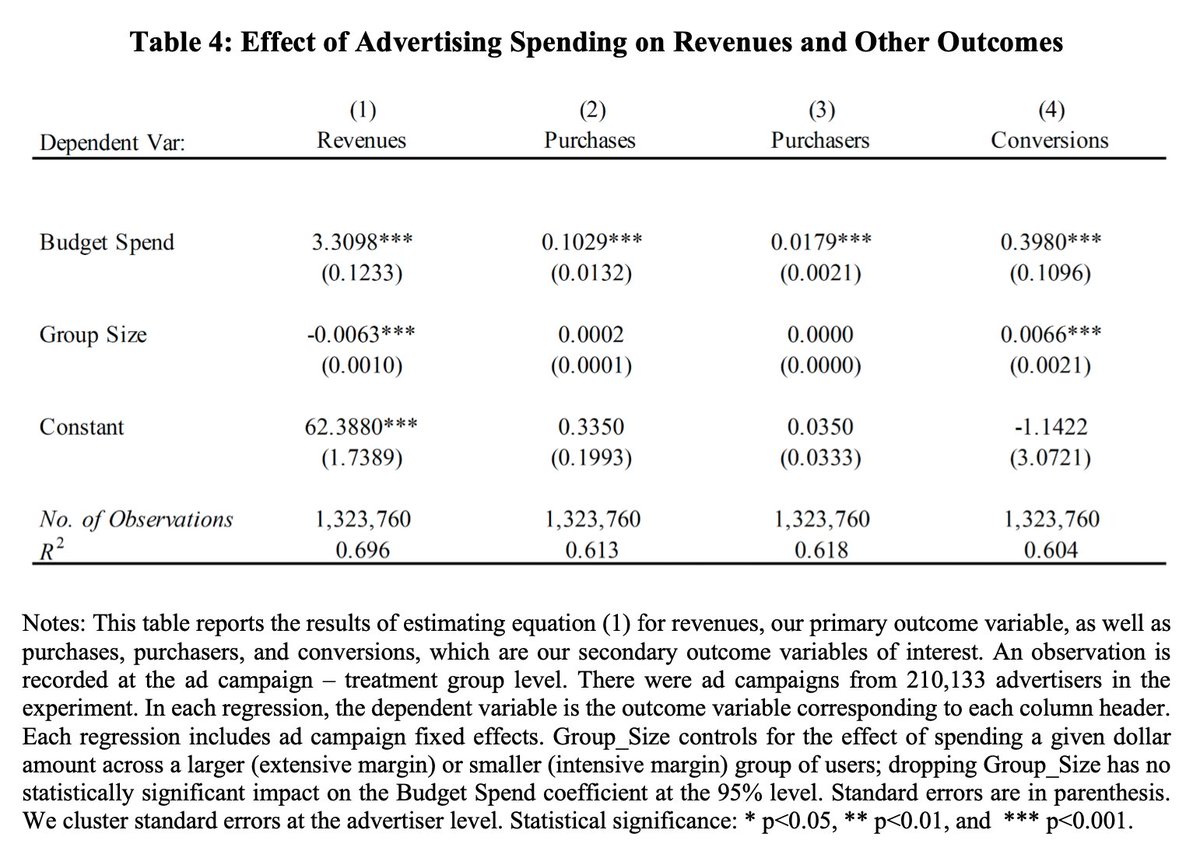
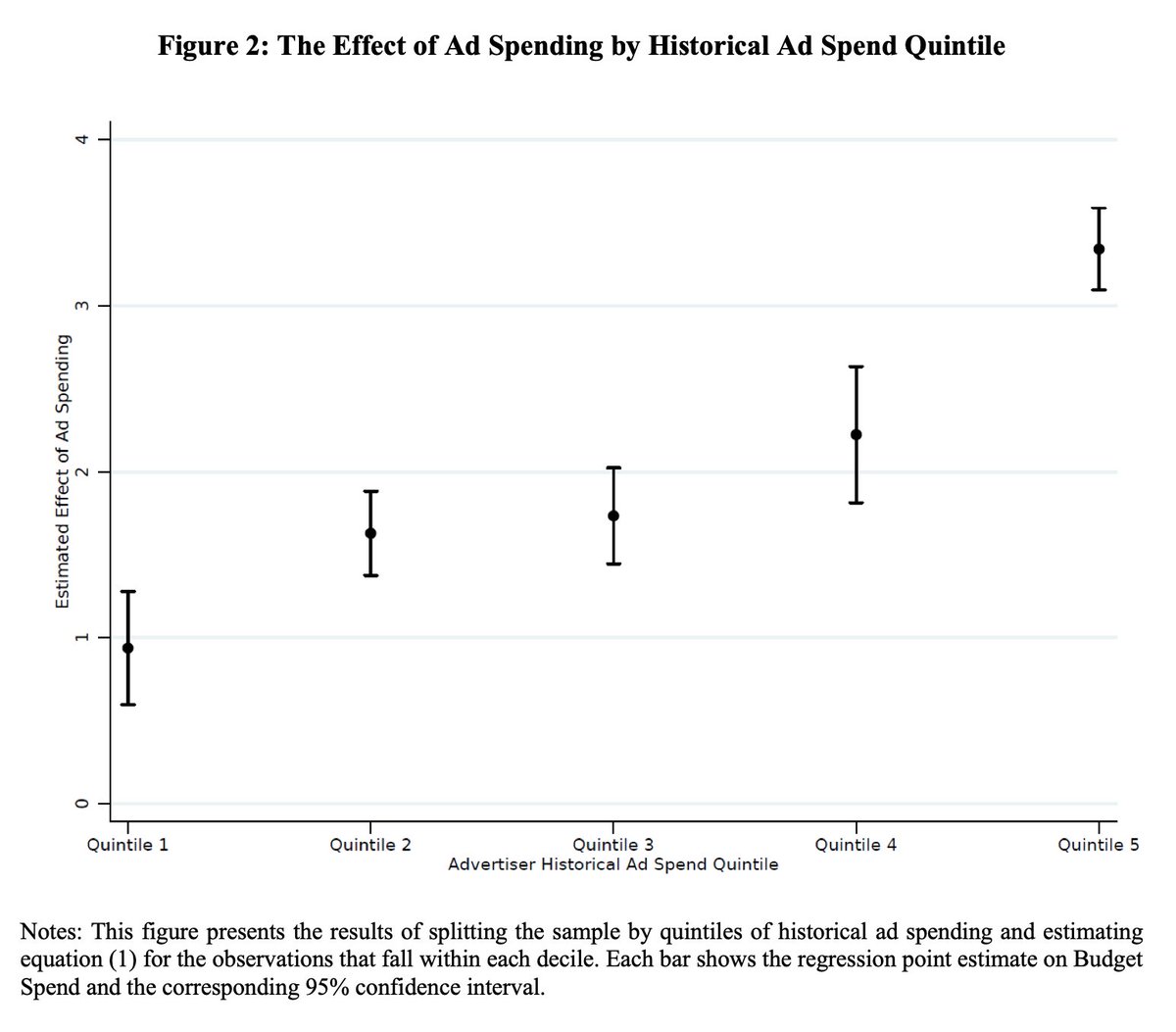
"Estimating the Value of Offsite Data to Advertisers on Meta," with Nils Wernerfelt, @tuchmanna & Robert Moakler
We ask, "how much would it hurt advertising efficiency if Meta couldn't use 3rd party data for ad targeting?"
https://t.co/uM7JSQeWEB