Physician-scientist specializes in Sleep & Breathing, Professor, Director #MedEd @Waynestate SOM @MSU CHM @VADetroit @henryfordhealth (postings are my own)
Despite their frequent use, opioids have limited benefits in managing noncancer pain (seen in figure). For acute musculoskeletal pain, opioids have a small mean effect in reducing pain (a decrease of <10 points on a scale of 0 to 100, with 0 indicating no pain and 100 worst pain) relative to placebo in the first days, have no effect after the first week, and are probably associated with a small increase in pain after 12 weeks. On the basis of evidence with very low to moderate certainty, opioids have no effect on physical function. For chronic noncancer pain, opioids have a small effect on pain reduction relative to placebo in the short-to-medium term (seen in figure) and either a small effect or an effect similar to that with placebo on other clinical outcomes (e.g., physical function and quality of life). The effects of opioids relative to placebo for chronic pain beyond 6 months are unknown.
The lack of evidence on the long-term benefits of opioids, the similar effectiveness of opioids and nonopioids on some pain conditions, and the dose-dependent relationship of opioid-related harm together suggest that avoiding long-term opioid use, reducing the opioid dose, or replacing opioids with nonopioid alternatives may reduce the risk of opioid-related harm.
Learn more in the Clinical Practice article “Opioid Deprescribing in Patients with Noncancer Pain” by Chung-Wei Christine Lin, PhD, and Aili V. Langford, PhD: https://t.co/dxDc7gxaqo
Tell me the system is broken without telling me. “Pressure to publish is rising as research time & resources shrink” finds a survey of scientists made by a publisher who makes billions in profit, charges thousands from authors & never pays reviewers.
#Pay4PeerReview
Get this: Coffee suppressed atrial fibrillation!
Unexpected results for recurrence from a randomized trial in participants after cardioversion from AF
#AHA25@JAMA_current ☕️ https://t.co/70dPI2R84C
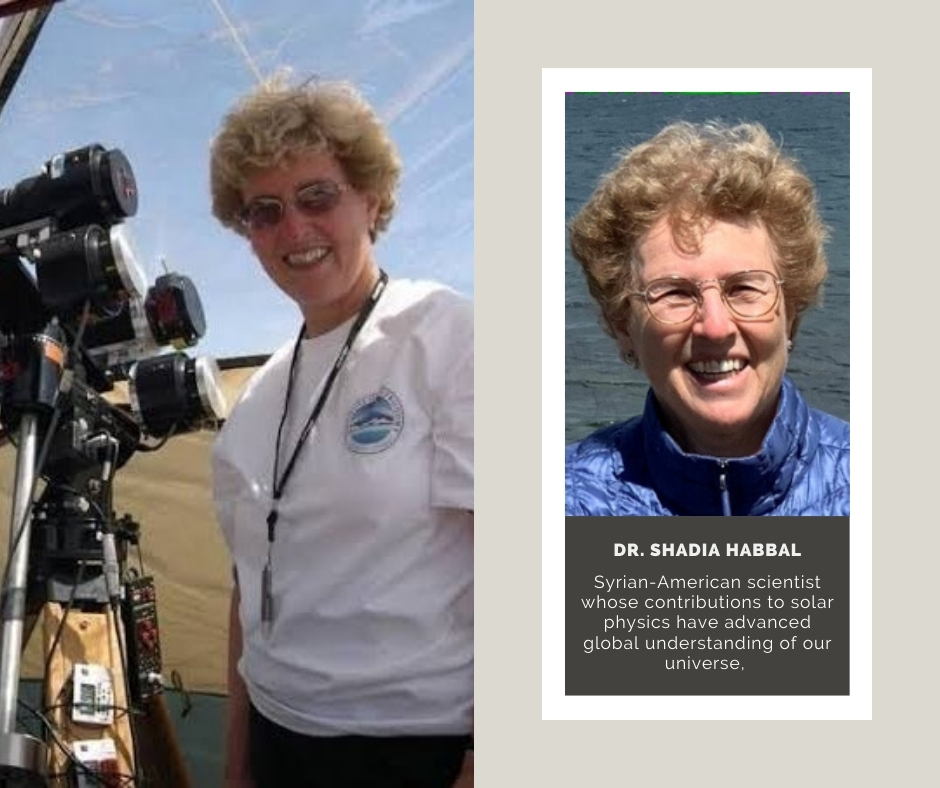
Syrian-American scientist Dr. Shadia Habbal has advanced global understanding of solar physics through @NASA & @NSF-supported research. Her discoveries have strengthened America’s scientific contributions to the world & helped safeguard critical technologies. #AmericanExcellence
العالمة السورية-الأمريكية الدكتورة شادية حبّال ساهمت في تعزيز الفهم العالمي لفيزياء الشمس من خلال أبحاث مدعومة من@NASA و@NSF. لقد أسهمت اكتشافاتها في تعزيز الإسهامات العلمية للولايات المتحدة على مستوى العالم وساعدت في حماية التقنيات الحيوية.
#التميز_الأمريكي
Congratulations to all the participants and winners from our students residents fellows @michiganstateu@waynestate and thanks to all faculty from our programs next to compete @semcme research and QI forum
@RaedDweikMD Thank you for celebrating the 90th annual research day at @HenryFordHealth Providence Southfield hospital today and to be our distinguished keynote speaker from @ClevelandClinic
#Simulation is best method for #Meded. Here is a team of 4 intensivists and cardiologist deliver first simulation course in @sams_usa facility in #Syria https://t.co/QjjJonQigN https://t.co/mfftvWFyy2
Pleased to share a publication by one of the Clinician Educator fellows Dr @CASSONDRA CRAMER-BOUR at @waynestate in @ATSScholar on novel interdisciplinary curriculum for pulmonary hypertension https://t.co/hE6fKy8HE3 #MedEd
Congratulations to our hardworking faculty members that were honored and celebrated with several awards, promotions, tenure and more! @waynestate#WarriorMD
https://t.co/t5SZw0vyrG
Congratulations to our hardworking faculty members that were honored and celebrated with several awards, promotions, tenure and more! @waynestate#WarriorMD
https://t.co/t5SZw0vyrG
Narrative review explores how to manage use of DOACs—apixaban, rivaroxaban, edoxaban, and dabigatran—in patients undergoing surgical and nonsurgical procedures to decrease risks of bleeding and thromboembolism. https://t.co/nBo8ESxMDG