Starting to build in public.
I found that existing sleep devices only measure sleep, even at such a high price point. I’m working on a consumer sleep device that doesn’t just track sleep, but actively influences and fixes it.
The device I’m building uses non-contact sensing, ai, light and sound to manipulate your sleep.
I’ll share what I learn, what breaks, and what actually works.
Software devs are spoiled
Want to implement anything? There's a library, a repo, open source code somewhere. AI is great at leveraging all of that to write whatever you need.
I'm doing hardware and low level stuff and the vibe is completely different.
Almost no open source code. What little exists is toy projects for learning purposes.
The real stuff is buried in research papers written for PhD students. Behind theories, equations, and real world data.
AI writes full stack code like magic. Ask it for signal processing? It sucks.
Software devs are spoiled
Want to implement anything? There's a library, a repo, open source code somewhere. AI is great at leveraging all of that to write whatever you need.
I'm doing hardware and low level stuff and the vibe is completely different.
Almost no open source code. What little exists is toy projects for learning purposes.
The real stuff is buried in research papers written for PhD students. Behind theories, equations, and real world data.
AI writes full stack code like magic. Ask it for signal processing? It sucks.
Software devs are spoiled
Want to implement anything? There's a library, a repo, open source code somewhere. AI is great at leveraging all of that to write whatever you need.
I'm doing hardware and low level stuff and the vibe is completely different.
Almost no open source code. What little exists is toy projects for learning purposes.
The real stuff is buried in research papers written for PhD students. Behind theories, equations, and real world data.
AI writes full stack code like magic. Ask it for signal processing? It sucks.
@hubermanlab So women aren't lacking willpower after bad sleep, their satiety system is literally broken. One-size-fits-all nutrition advice has been failing half the population.
I was late to almost every lecture in uni.
Sometimes I was even late to exams.
Not because I didn't set alarms. I set 8 of them but still somehow slept through them.
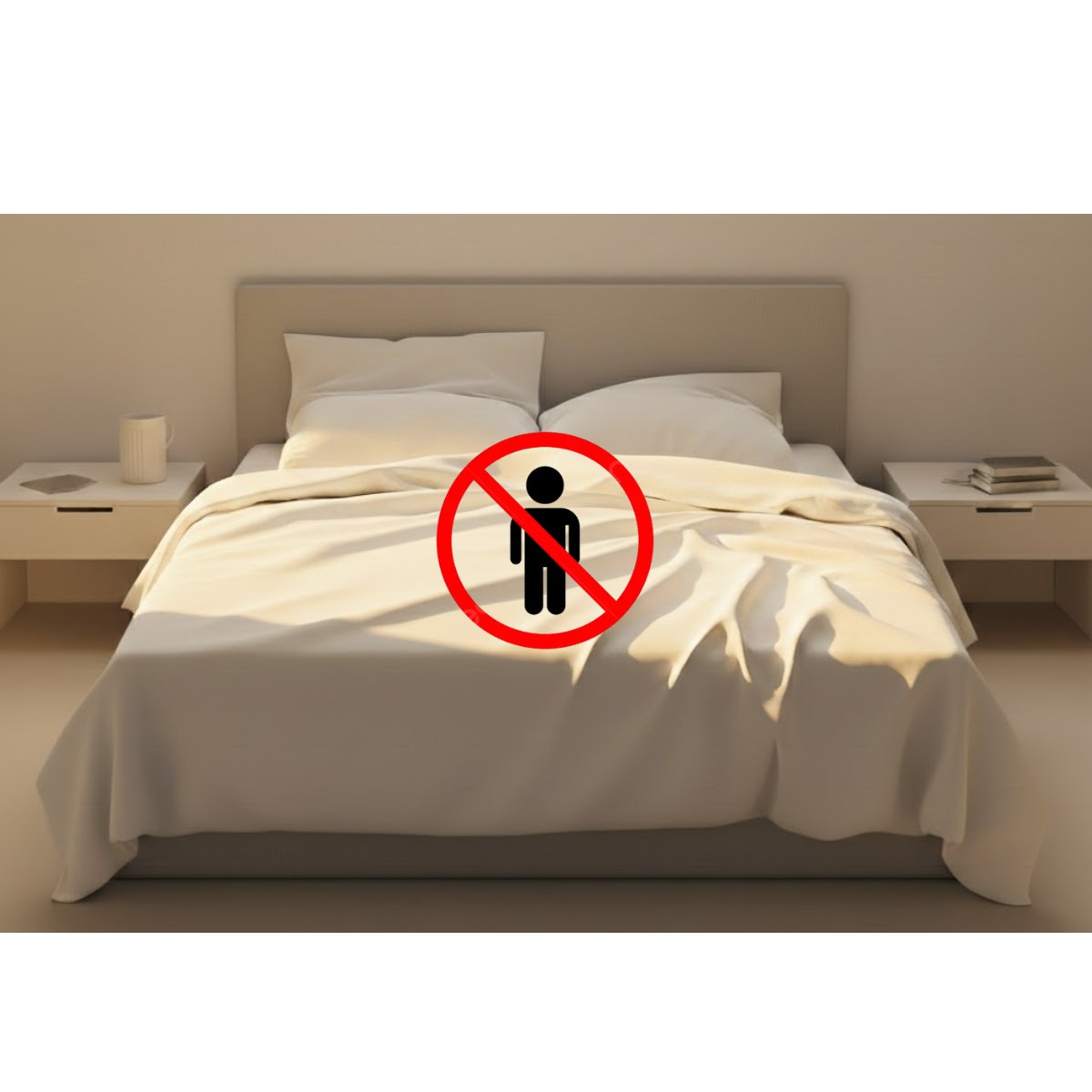
Which is why for the sleep device that I’m building right now, one of the biggest features is “LOCK OUT”.
- It uses presence detection to know if you're still in bed and won’t stop ringing till you’ve left.
- You can't unplug it.
- It's mounted to the wall.
- It has a backup battery.
- Snooze and OFF button are disabled.
One of many promising features.