A study using an n=1 experiment with single standards at 0V CID reported that 70% of detected ions were in-source fragments (ISFs). https://t.co/kZEyjh86bf... This was extrapolated to suggest that ISFs affect all experiments to this degree. A counterpoint. https://t.co/ovGKhbsq5e
Glycosphingolipids in neurodegeneration? 🧠 Lipids may hold the key to understanding Alzheimer's, Parkinson's, and beyond. Discover how glycosphingolipids influence neurodegeneration and explore their potential as therapeutic targets in this latest review.
https://t.co/0umP6Hc3kd
A breakthrough from the lab! A game-changer and the dawn of a new era in membrane and organelle biophysics and biology. We've generated giant organelle vesicles #GOVs with conserved biochemical activity. @AgenceRecherche @LP_ENS_ @ENS_ULM@NatureComms
https://t.co/2NByLYeSNI
1/6
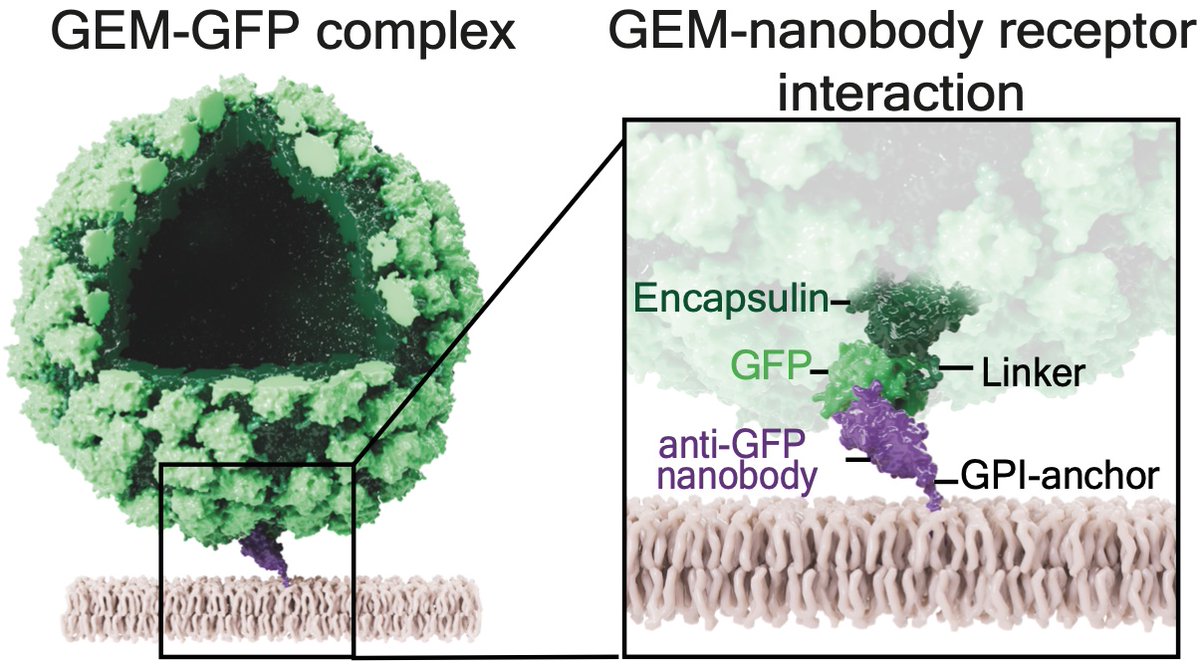
Paper out: Gene encoded nanoparticles (GEMs) with 180 GFPs are cool tools to track in cells. GEMs reveal biophysical basis of infection, too. Using GPI-anchored nanobody receptors over 6 logs of affinity shows that adhesion energy alone explains uptake! https://t.co/cK6dZeOCed
New genes and mutations that cause childood form of ALS. Our collaborative efforts bearing fruit. Thank you @JNNP_BMJ and all the collaborators. #ALS#sphingolipids#rarediseases
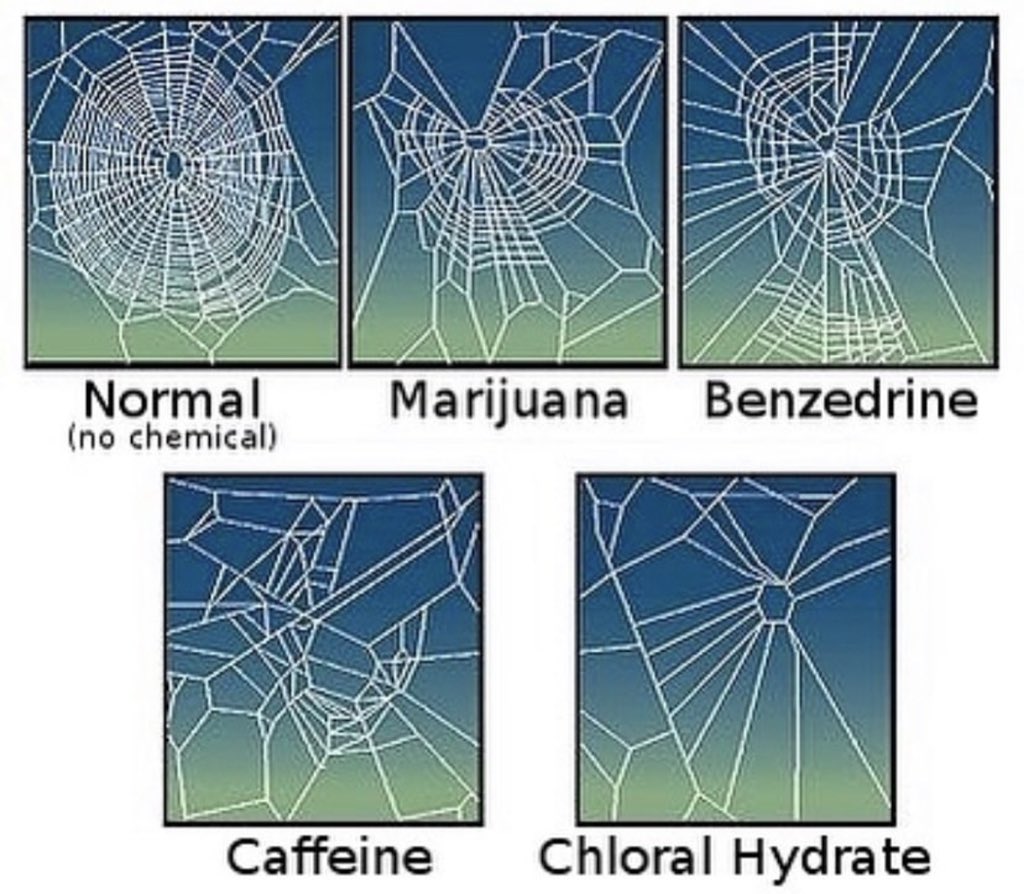
In 1948, Swiss pharmacologist Peter Witt embarked on a noteworthy investigation concerning the impact of drugs on spiders.
His study involved a series of experiments wherein he administered drugs to the spiders through two distinct methods: either by feeding them flies that were drugged or by providing them with a small amount of a drug dissolved in water.
To assess the effects, Witt captured photographs of the spiders' webs both before and after the administration of the drugs. The subsequent findings are presented below.
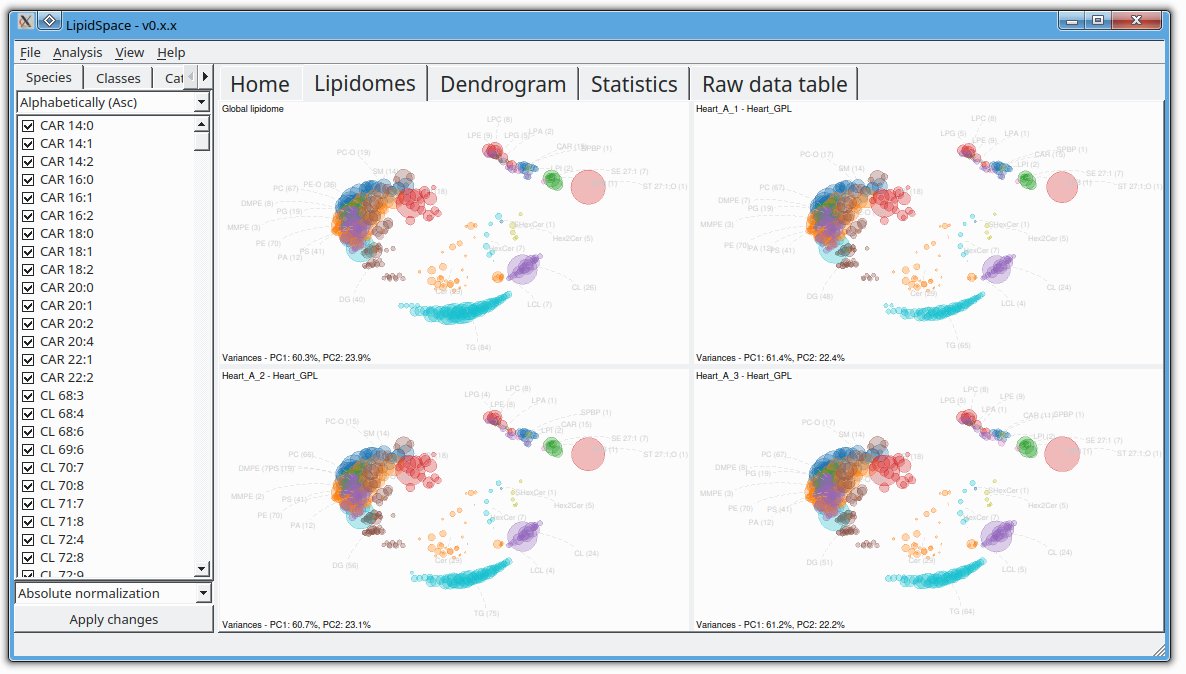
Lipid Space Tool is here! It is a stand-alone tool to analyze and compare lipidomes by assessing their structural differences.
More: https://t.co/sYRIK4HjAP
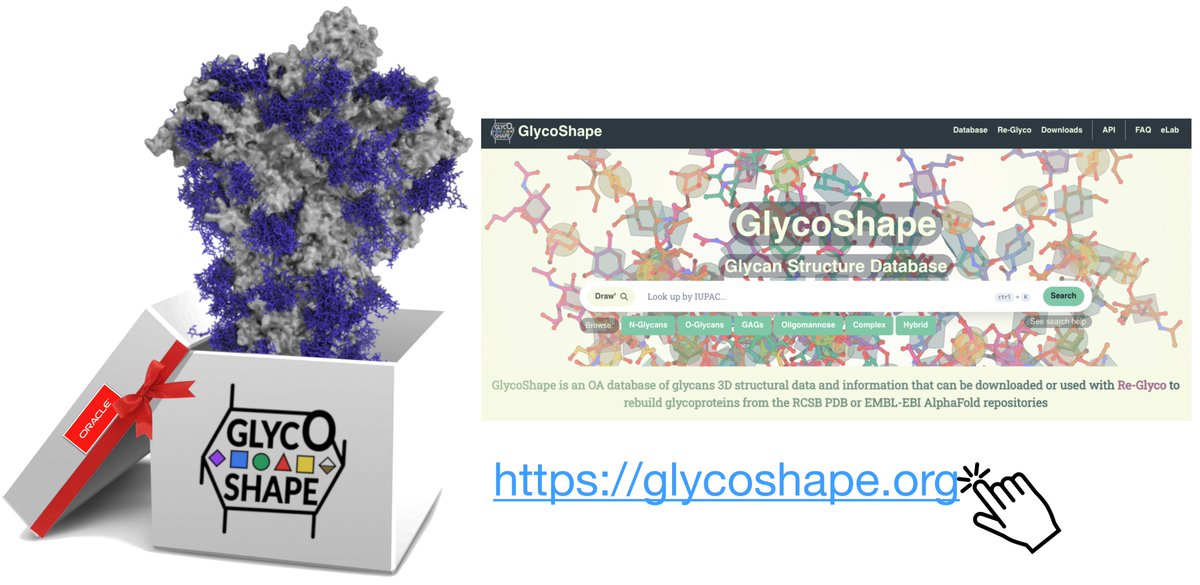
It’s the most wonderful #glycotime of the year! Let us (@ElisaTelisa @Ojas_Singh_) introduce you to #GlycoShape (https://t.co/kHCplnLKYv), a web platform that allows users to restore glycoproteins 3D structures (PDB, AF/RoseTTAFold or own) to their natural, functional state by adding the missing glycan structures https://t.co/vNpOx3FJN1 🧵1/8
Excited to announce a new paper in PNAS today!
An illusion of predictability in scientific results: Even experts confuse inferential uncertainty and outcome variability
https://t.co/wfhRN1pq9L
Joint w/ great coauthors @_szhang, @P_Heck, @MichelleNMeyer, @cfchabris & @dggoldst
It's almost four weeks since the horrific terrorist attack on #Israel. A lot has happened, the public debate has become heated and confused. Find thoughts from Vice-Chancellor Robert #Habeck in the video, putting the events in context. 📣With English, Hebrew and Arabic subtitles.
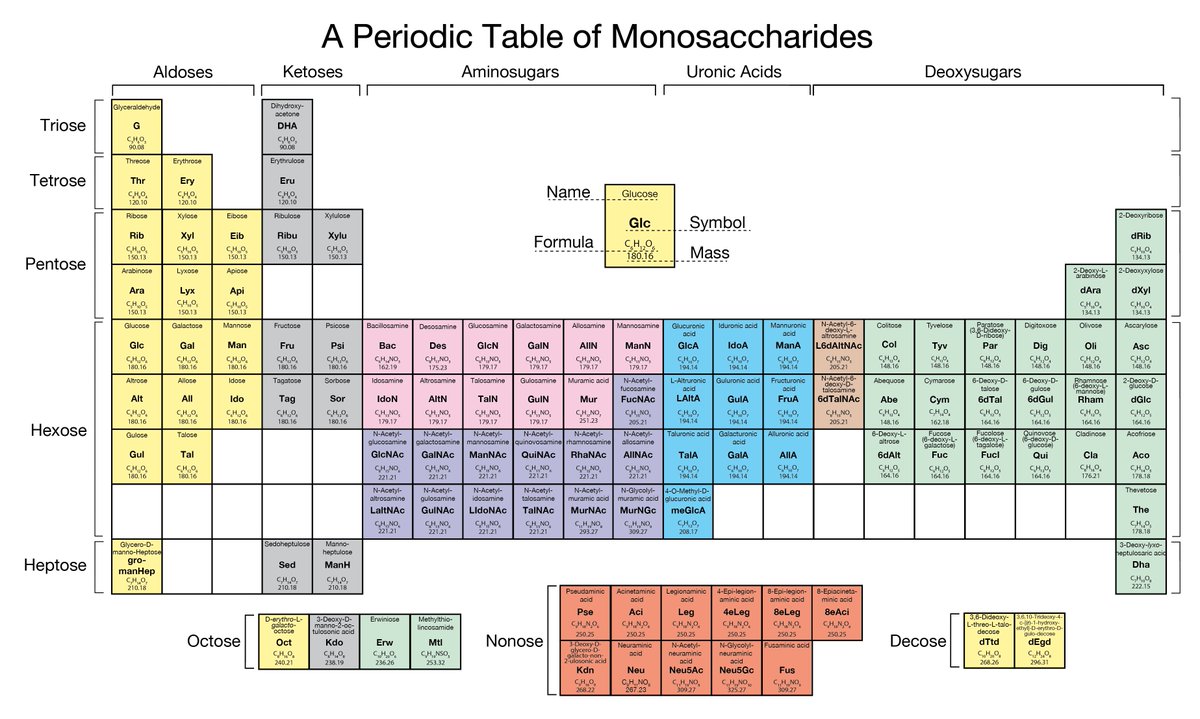
You have heard of the periodic table of elements-
we present the Periodic Table of Monosaccharides, where we attempt to arrange the monosaccharides in a systematic table.
Published in Glycobiology: https://t.co/uRQKJYiW7R
#glycotime#glycoeducation#glycans#monosaccharides
A great thanks to our dedicated co-authors for their invaluable collaboration in making this story possible.
The atypical sphingolipid SPB 18:1(14Z);O2 is a biomarker for DEGS1 related hypomyelinating leukodystrophy - Journal of Lipid Research https://t.co/6qt6NwCuA3