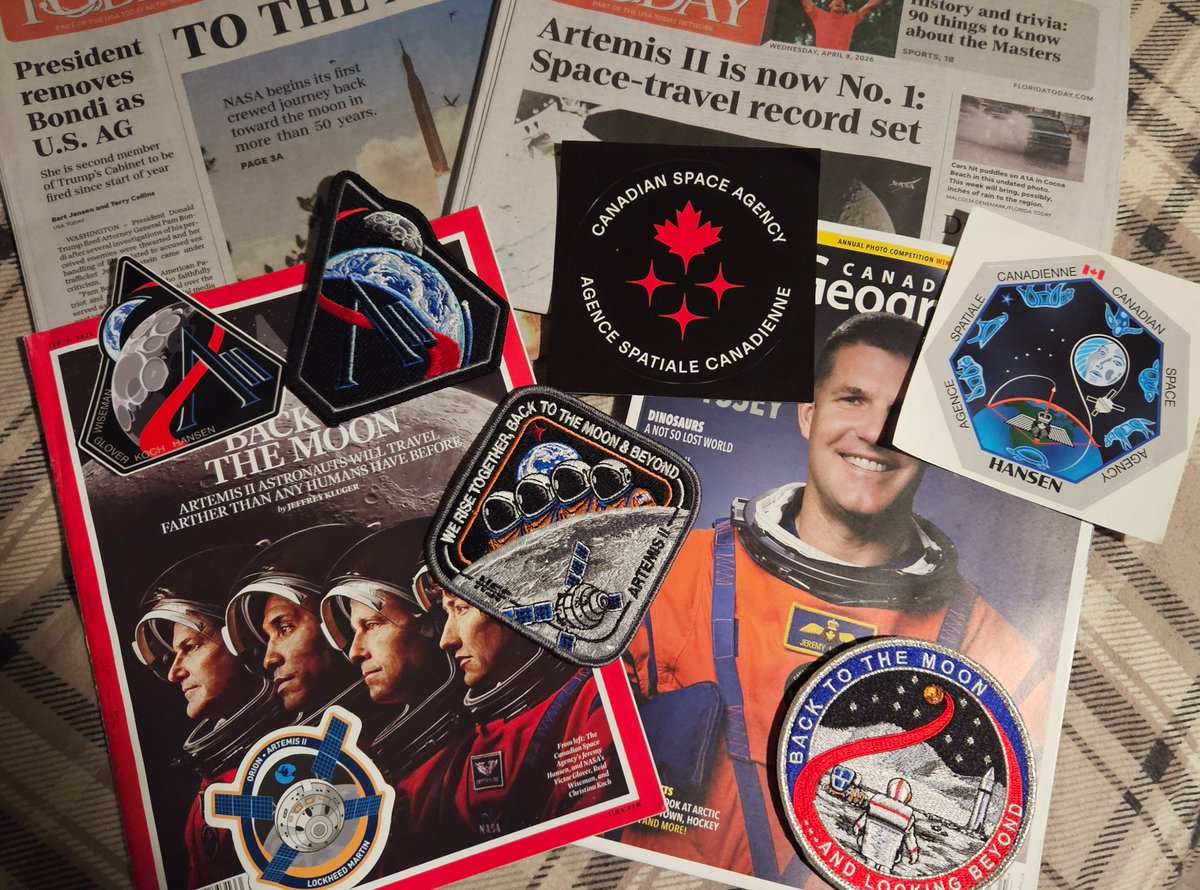
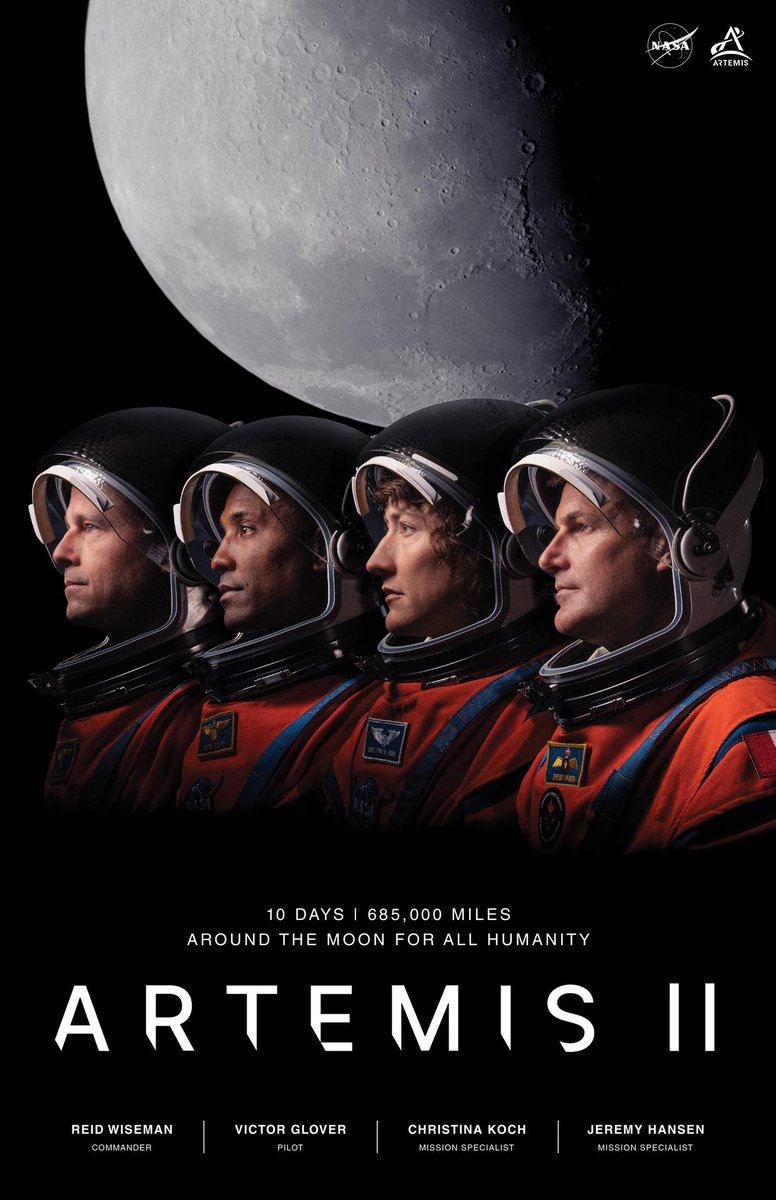
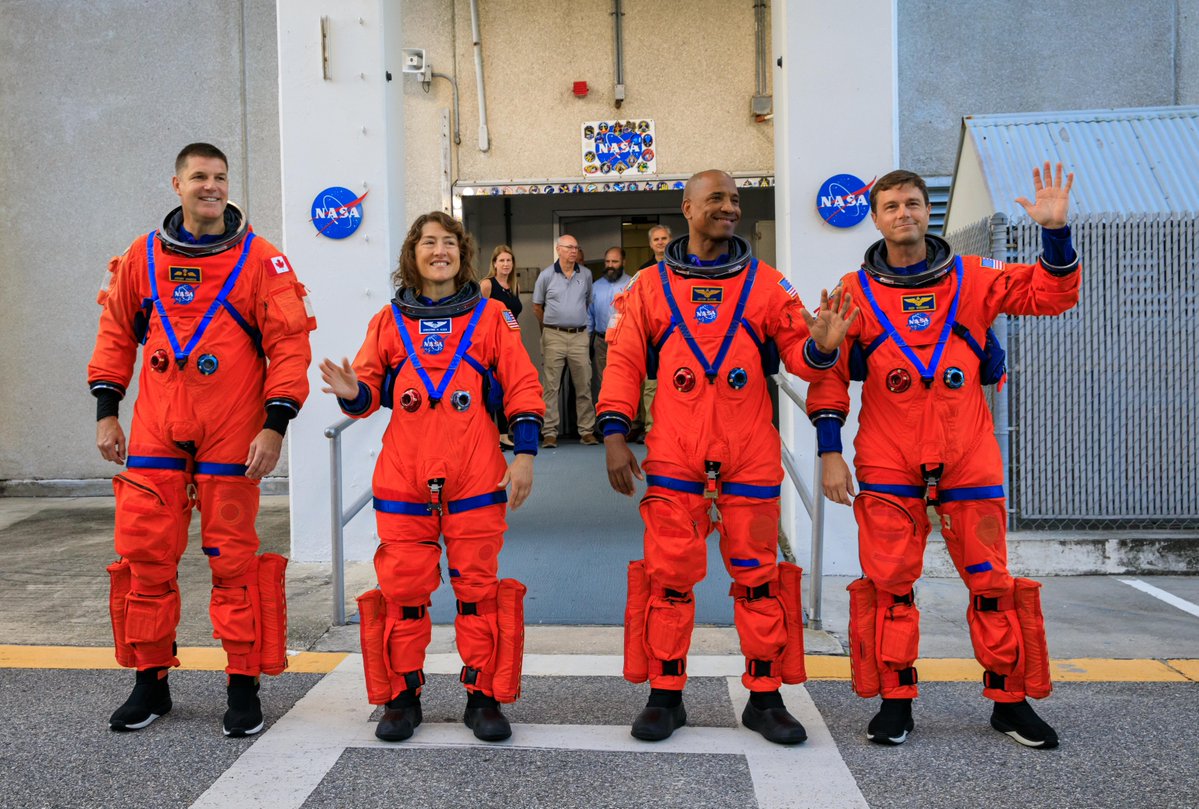
From Artemis II all the way back to Apollo, RPI minds have been part of every major chapter of American space exploration. Read how RPI became a launchpad to the stars: https://t.co/0QWCpN5kRa
#RPI#RPIAlumni#ArtemisII#NASA
The astronauts. Their ride around the Moon.
The Artemis II astronauts pose for a group photo after viewing their Orion spacecraft — which they named Integrity — in the well deck of USS John P. Murtha following their splashdown.
@NASA Thank you for every incredible picture of our house, our home, Artemis II ❤️🥰@NASA I'm already eagerly awaiting Artemis III, what a joy to experience this landmark moment in the history of space exploration.
Welcome home Reid, Victor, Christina, and Jeremy! 🫶
The Artemis II astronauts have splashed down at 8:07pm ET (0007 UTC April 11), bringing their historic 10-day mission around the Moon to an end.
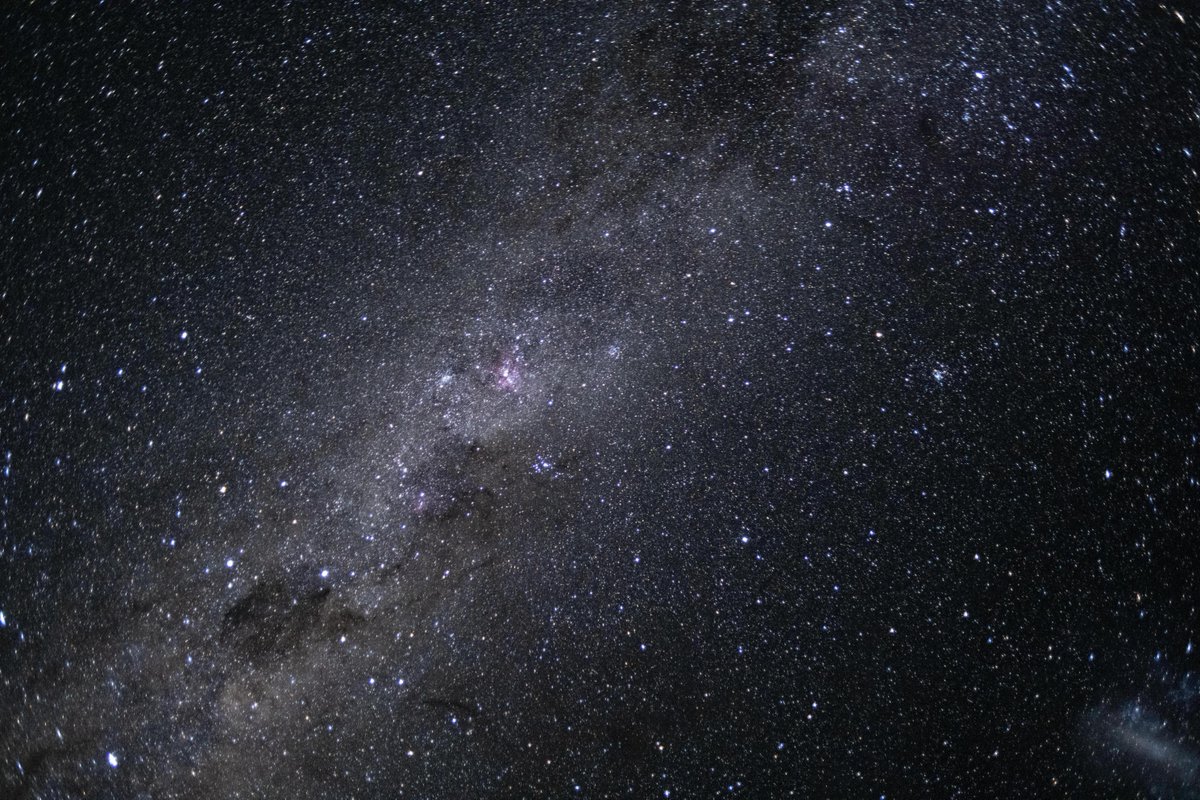
Sky full of stars.
Following a successful lunar flyby, the Artemis II astronauts captured this breathtaking photo of our galaxy, the Milky Way, on April 7, 2026.
A room with a view: the Artemis 2 astronauts share the views from the cabin of their Orion moonship. Out of one window, the good Earth. Out of the other... a urine dump!
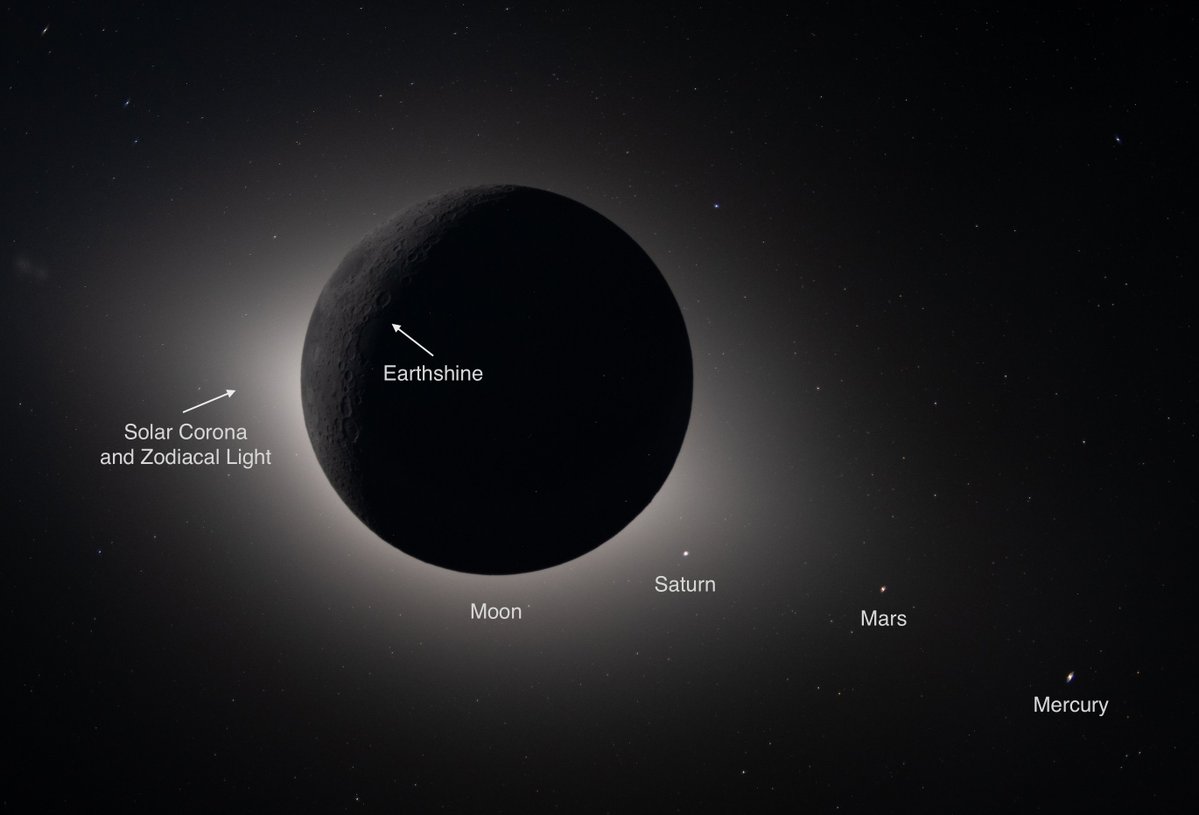
The Moon and light from at least five objects in our solar system appear in this view from the @NASAArtemis II crew: Saturn, Mars, and Mercury, along with reflected sunlight from Earth and the glow of the Sun's corona and/or zodiacal light scattered by interplanetary dust. 1/2
Artemis II reminding me of Apollo 8:
Riders on Earth Together
By ARCHIBALD MACLEISH
December 25, 1968
Men's conception of themselves and of each other has always depended on their notion of the earth.
. . .
Brothers on that bright loveliness in the eternal cold.
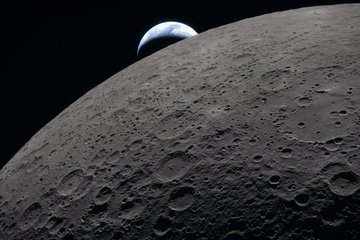
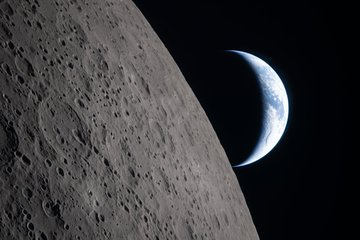
Hello to our nearest neighbor in space 🤗
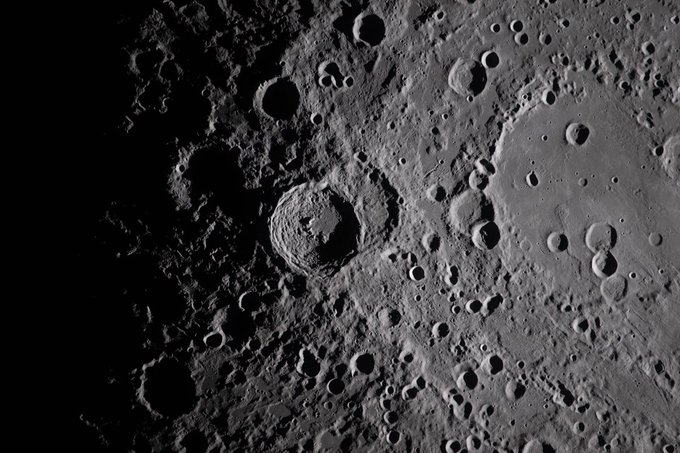
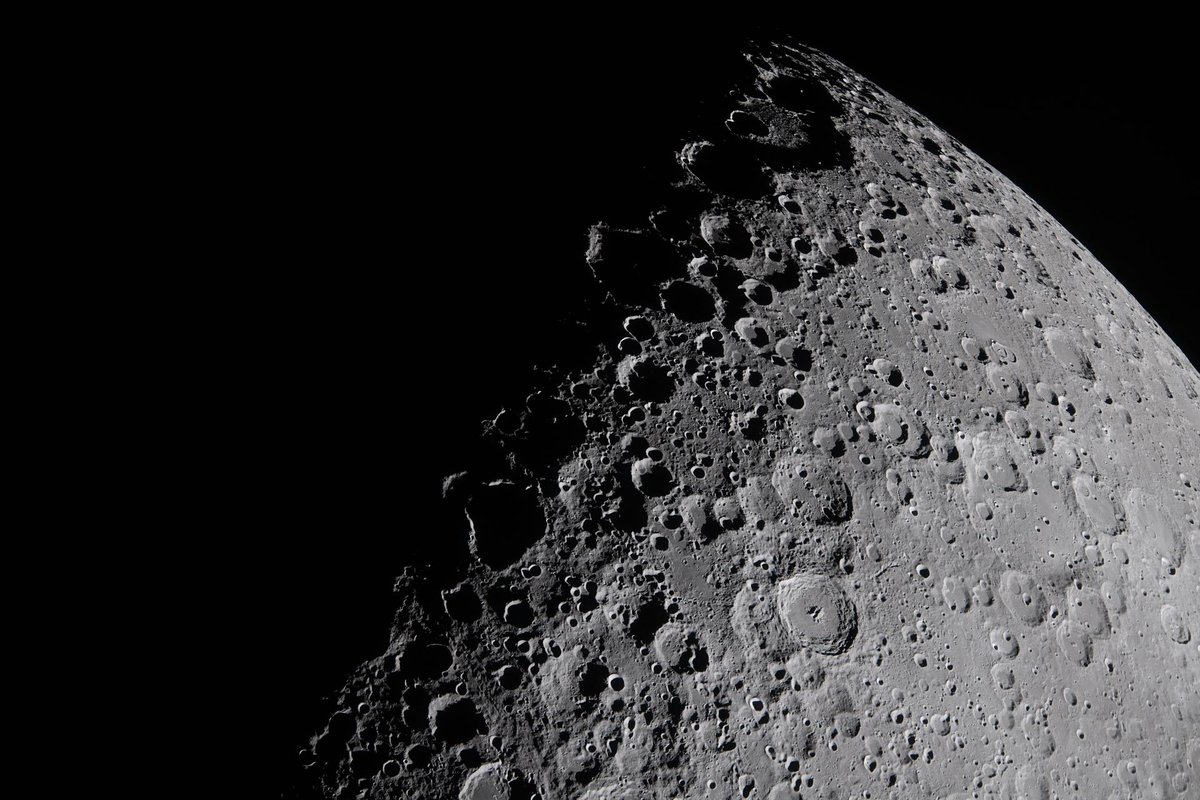
The Artemis II crew captured these views during their lunar flyby on April 6.
Image 1: Low-angle light along the line between lunar day & night (a.k.a. "terminator") accentuates rugged craters, ridges, and basin structures. ⬇️ (1/5)
252,756 miles from home and carrying the dreams of billions.
The Artemis II crew represents the best of the American spirit—curiosity, courage, and collective drive to explore the unknown. Thanks to @NASA and American ingenuity. 🇺🇸✨👨🚀
🌟 Look at you now, Rise! 🌟
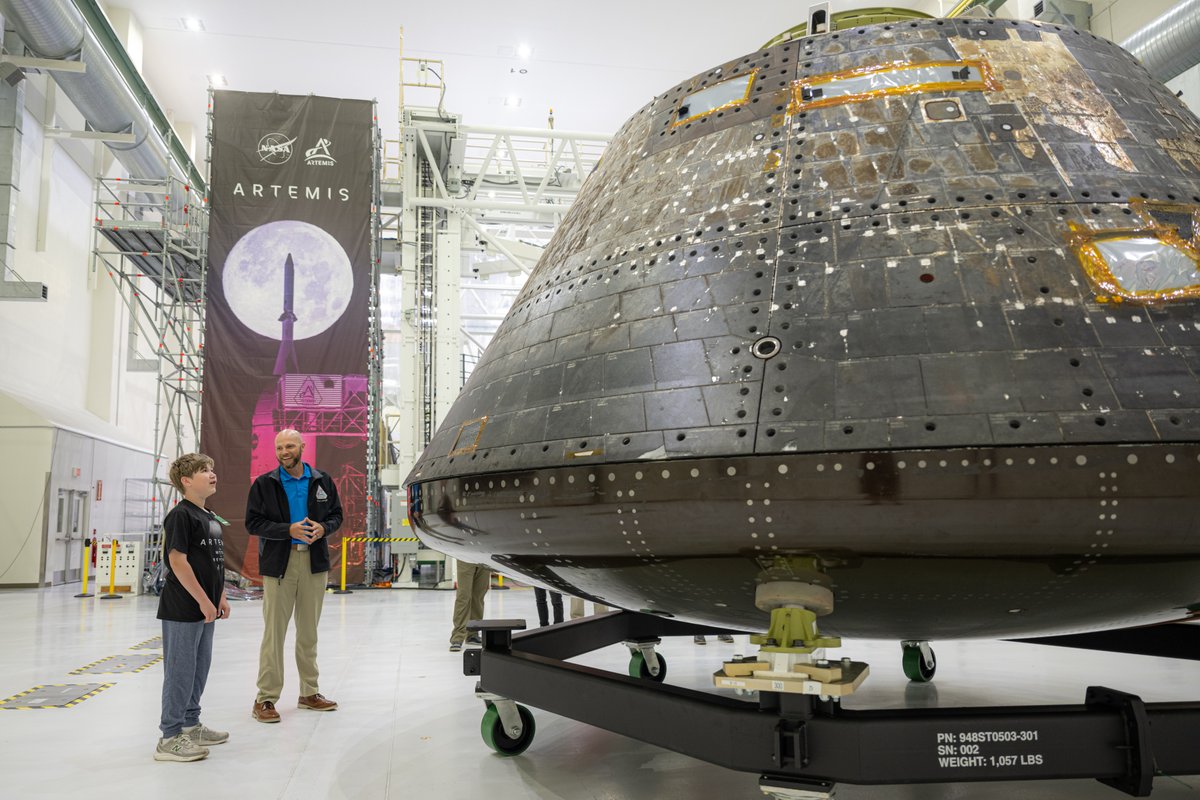
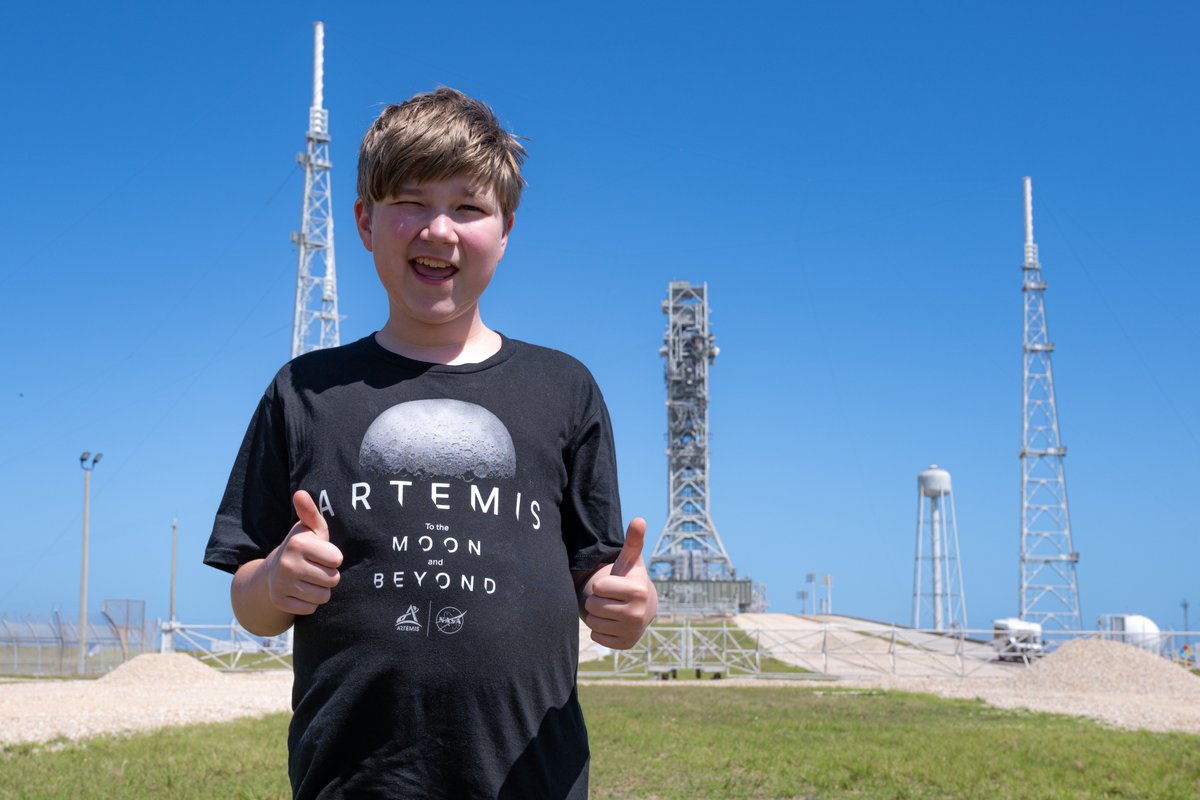
We always knew you were going places, literally, even when you were just a tiny explorer posing in front of the Vehicle Assembly Building before the @NASAArtemis II launch.
Safe travels on your trip home, superstar. We’ll be here at Kennedy, ready to welcome you back to Earth! 🚀🌎
That’s right, Hilt — we went to the freaking Moon! 🚀🌕
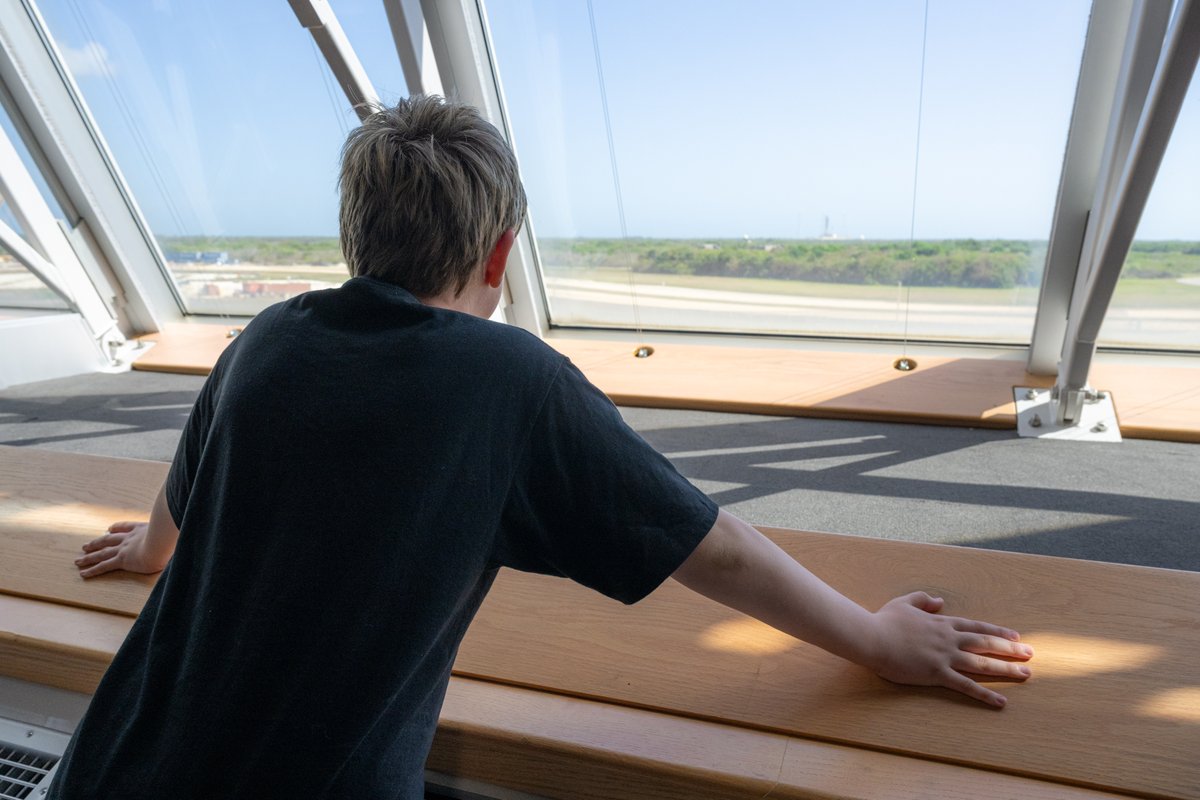
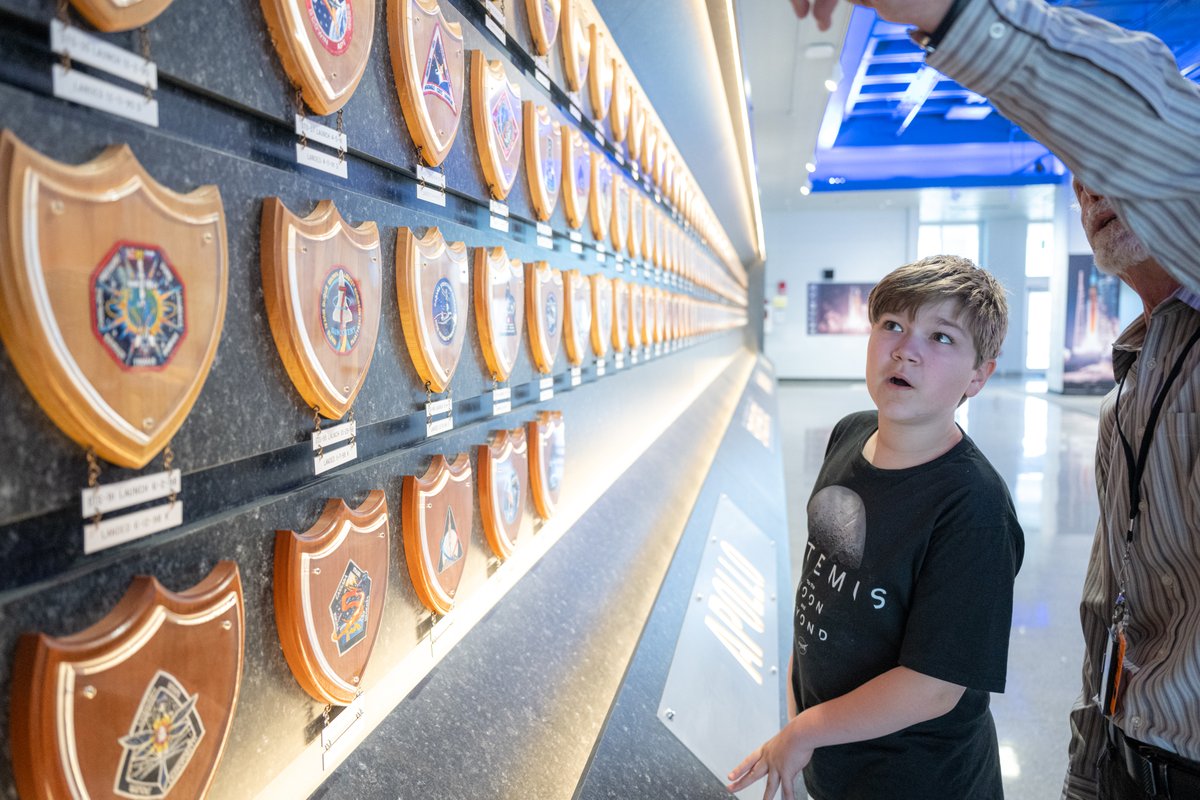
We were honored to welcome Hilt Boling and his family for a special tour of Kennedy Space Center following the successful Artemis II launch.
Hilt’s boundless enthusiasm reminds us why we go. Here’s to the next generation of explorers! 💫
Experience the magic of our Moon mission wherever you go! ✨
Download free, mobile wallpapers and bring your device into the new era of exploration: https://t.co/494ZyUBtve
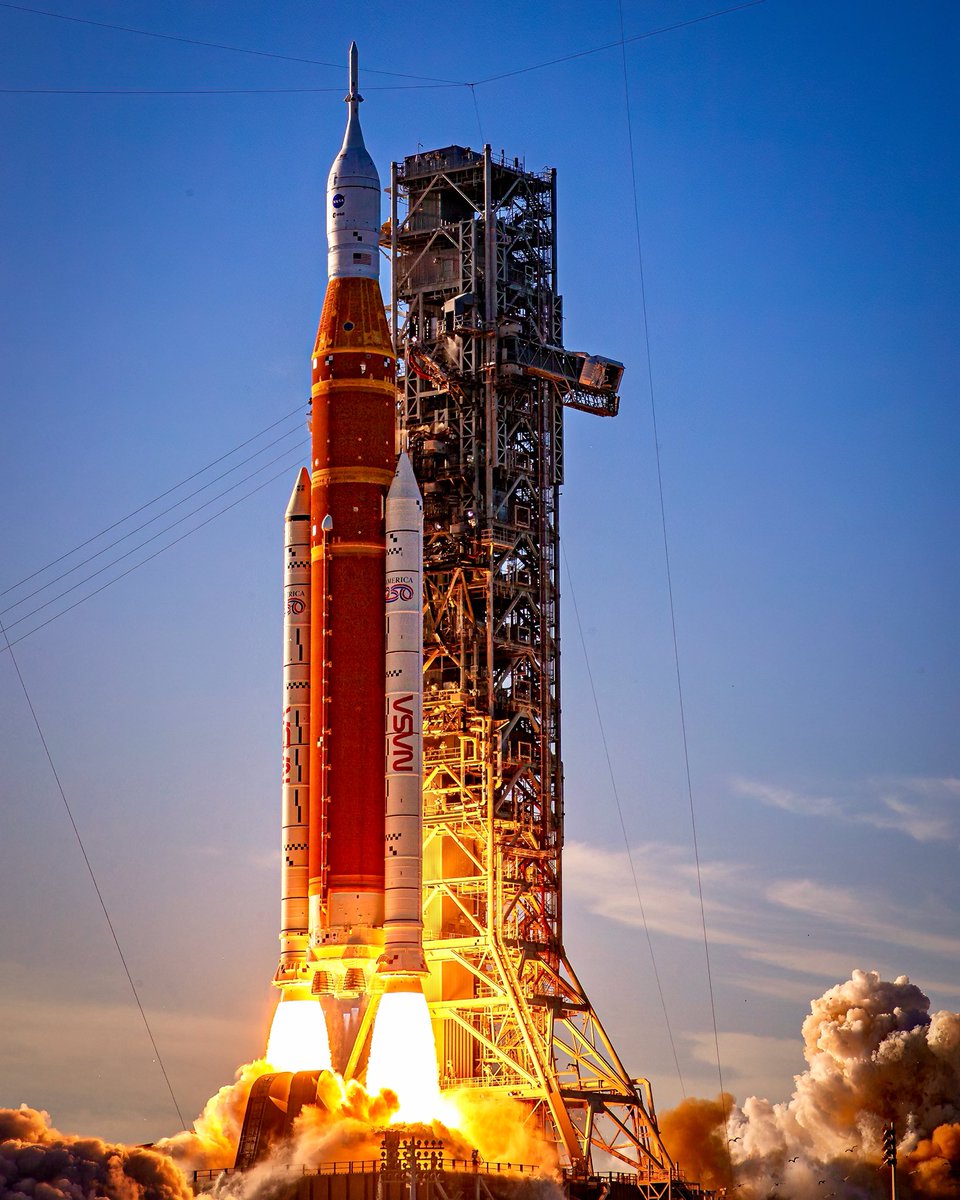
This is the shot you can’t get from the press site. This camera was sitting a few football fields from the SLS rocket at Pad 39B for days before launch, baking in the Florida sun, surviving rain, humidity, and whatever else the Cape threw at it. No photographer behind the viewfinder. Just a camera, a sound trigger, and a bet.
The way pad remotes work: you set your camera up days in advance, dial in your composition, lock everything down, and walk away. You don’t touch it again until after the launch. The shutter fires on sound activation
with a @MiopsTrigger smart+ trigger. With SLS, the four RS-25 engines ignite six seconds before the solid rocket boosters, so the camera is already firing before the vehicle even leaves the pad. You get home, pull the card, and find out if you nailed it or if a bird landed on your lens two days ago and left your a present and you got 400 photos of soemthing crappy.
There’s no formula for protecting your gear this close. Some photographers build wooden boxes with doors that pop open. Some use plastic bags and tape. Some do plastic or metal barn door rigs on hinges. I tend to leave mine open just in plastic rain covers because boxes limit my composition and setup time, but that means your cameras are more exposed to the elements and whatever energy and debris comes off the pad. You’re basically gambling a camera body every time you set one.
That’s what I love about this genre. There’s no playbook. You make it up as you go. Every time is an adventure.
📸 credit: me for @SuperclusterHQ - Artemis II pad remote | ~1,000 ft from Pad 39B | Kennedy Space Center
NASA is sending humans to fly around the Moon—and you can watch! 🚀
Live coverage of Artemis II begins today. Full schedule: https://t.co/7r0yJpgGcy
For the latest updates on Artemis II, follow @NASA and @NASAArtemis.