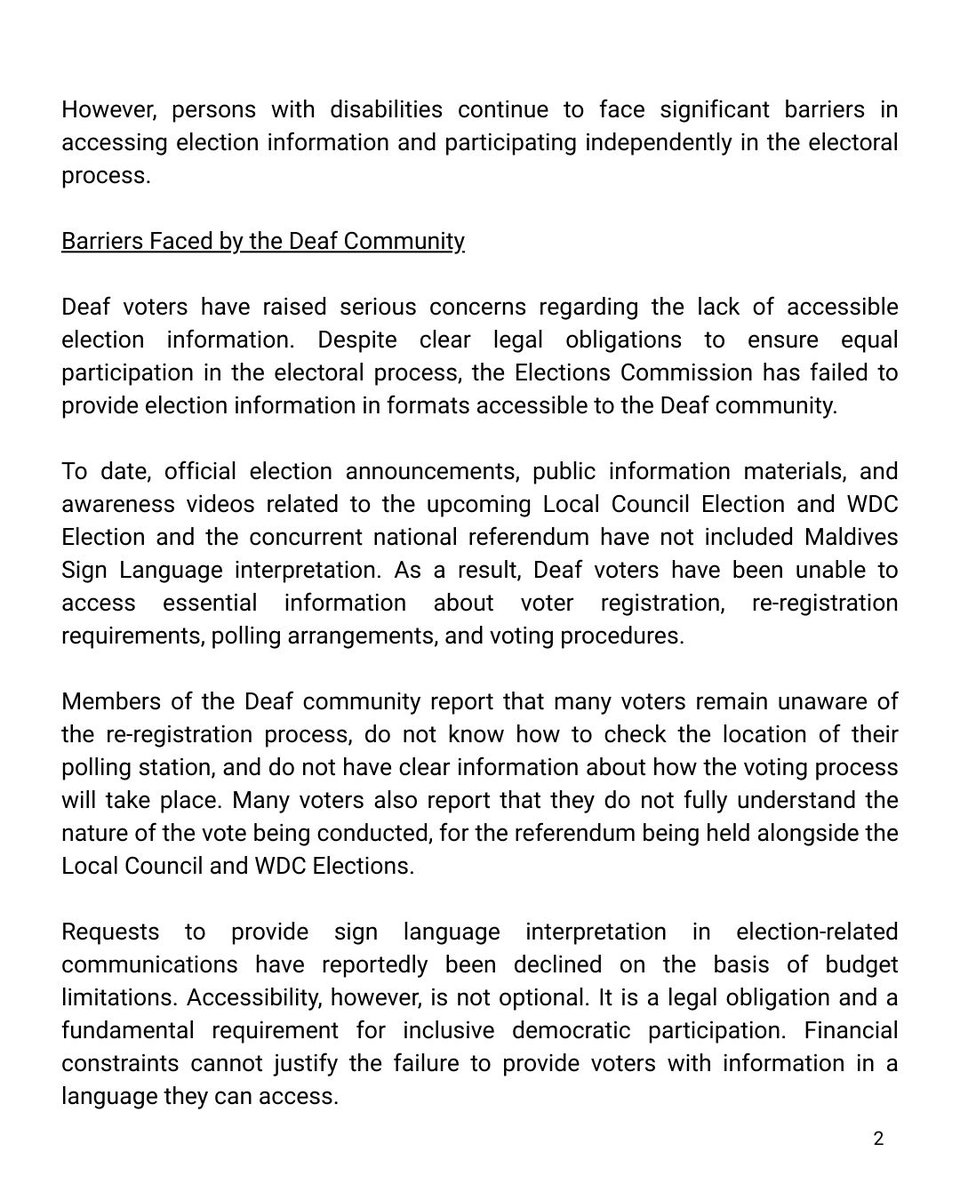
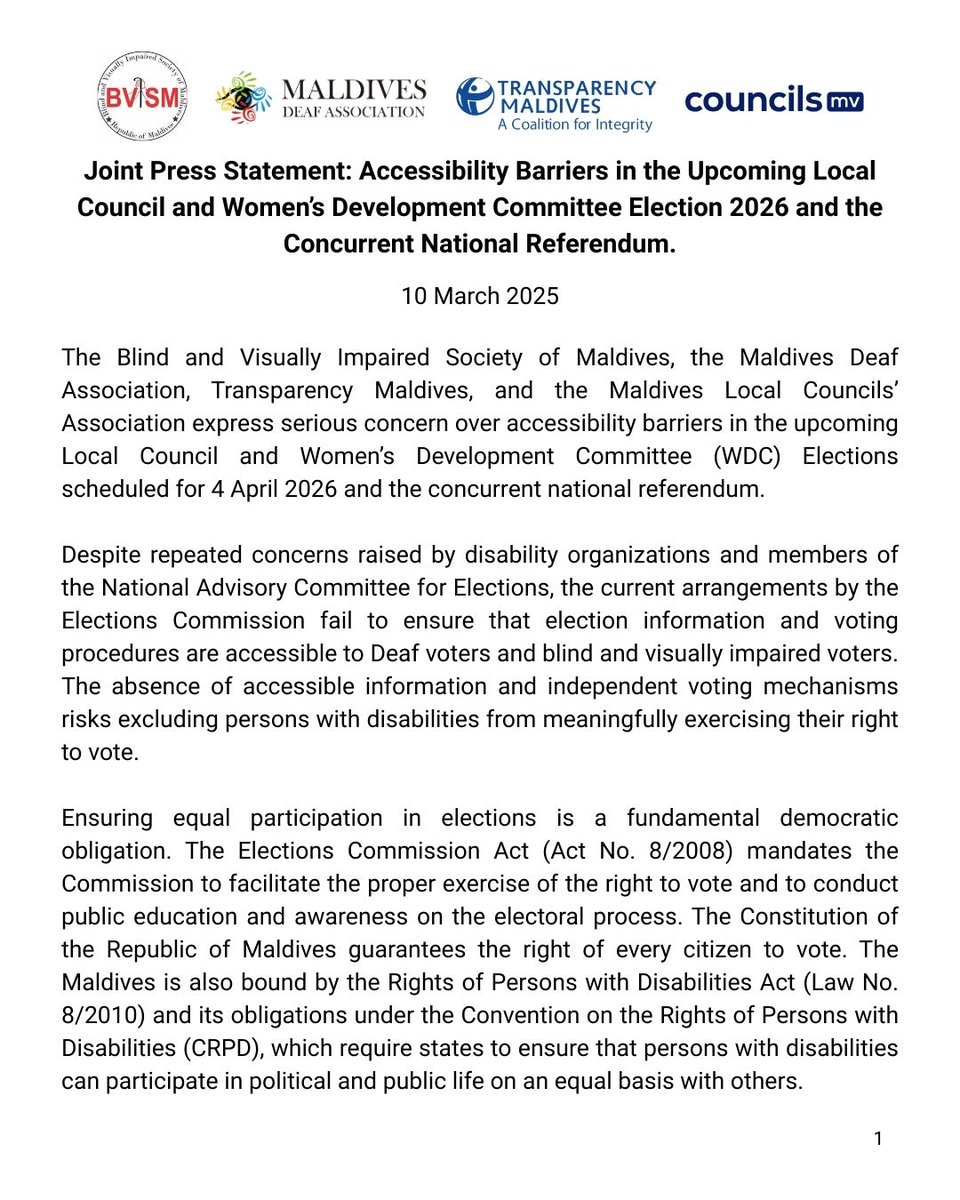
The dissolution of Atoll Councils marks a concerning shift away from elected atoll-level representation. Local development must remain accountable to island communities, guided by representatives chosen by the people they serve. not centralized administrative structures.
We strongly condemn the prison sentences imposed on journalists Leevan and Shahzan of Adhadhu news and call for their immediate release.
Not being given adequate opportunity to access legal counsel raises serious concerns regarding due process and constitutional protections.
Here is what the data actually shows.
In 2025, ICO received 712 cases. 541 of them (76%) were because a public authority (either the information officer or review committee) simply did not respond at all.
Not a refusal. Not a delay. Just Silence.
This is the compliance crisis.
We have seen no evidence of systemic abuse of the RTI Act by requestors. Vexatious requests may exist in isolated instances - but they are not a trend. Mute refusals (where public authorities simply do not respond to RTI requests) are far more prevalent than vexatious requests.
.@bankofmaldives@MMuizzu backing this project means financing ecocide in Villingili, destroying the last remaining greenery, worsening heat, and erasing vital public space. This is irreversible damage. Halt and relocate now. #SaveVillingili
There is a clear and growing deficit of public confidence in the People’s Majlis, the Government, the Judiciary, and independent institutions. In light of this, the time has come to initiate a serious and open debate on urgently needed reforms to the 2008 Constitution.
It is proposed that a constituent assembly be established — modelled on the “People’s Special Majlis” of 2004 — to lead comprehensive consultations and guide this reform process.
Within this framework, the following issues are put forward for open public deliberation:
1. Addressing the challenges inherent in the current constitutional framework, wherein a President lacking a parliamentary majority encounters practical impediments in fulfilling executive responsibilities, frequently operating under the persistent specter of impeachment.
2. Reviewing the constitutional validity and appropriateness of "anti-defection" provisions, specifically the question of whether a Member of Parliament should automatically vacate their seat upon expulsion from their political party.
3. Establishing a permanent cap on the total number of members within the People's Majlis to avert continuous enlargement.
4. Limiting the composition of the People's Majlis to 60 members and contemplating the establishment of a distinct Senate comprising 40 members.
5. Considering the introduction of a "Recall Vote" mechanism, facilitating citizens' removal of the President, Members of Parliament, and Supreme Court Justices from office.
6. Amending Article 115 of the Constitution to stipulate that political appointments made by the President shall not exceed a maximum of 200 positions.
7. Restricting state-owned enterprises (SOEs) strictly to their legally mandated core objectives, and explicitly prohibiting engagement in activities that could be perceived as political.
8. Prohibiting Members of Parliament from engaging in business activities or holding commercial interests during their term of office.
9. Forbidding Members of Parliament from receiving any salaries, allowances, financial gifts that exceeds their official salary.
10. Reconstituting the Judicial Service Commission to safeguard its independence and integrity.
11. Reforming the structural composition and appointment procedures of independent state institutions.
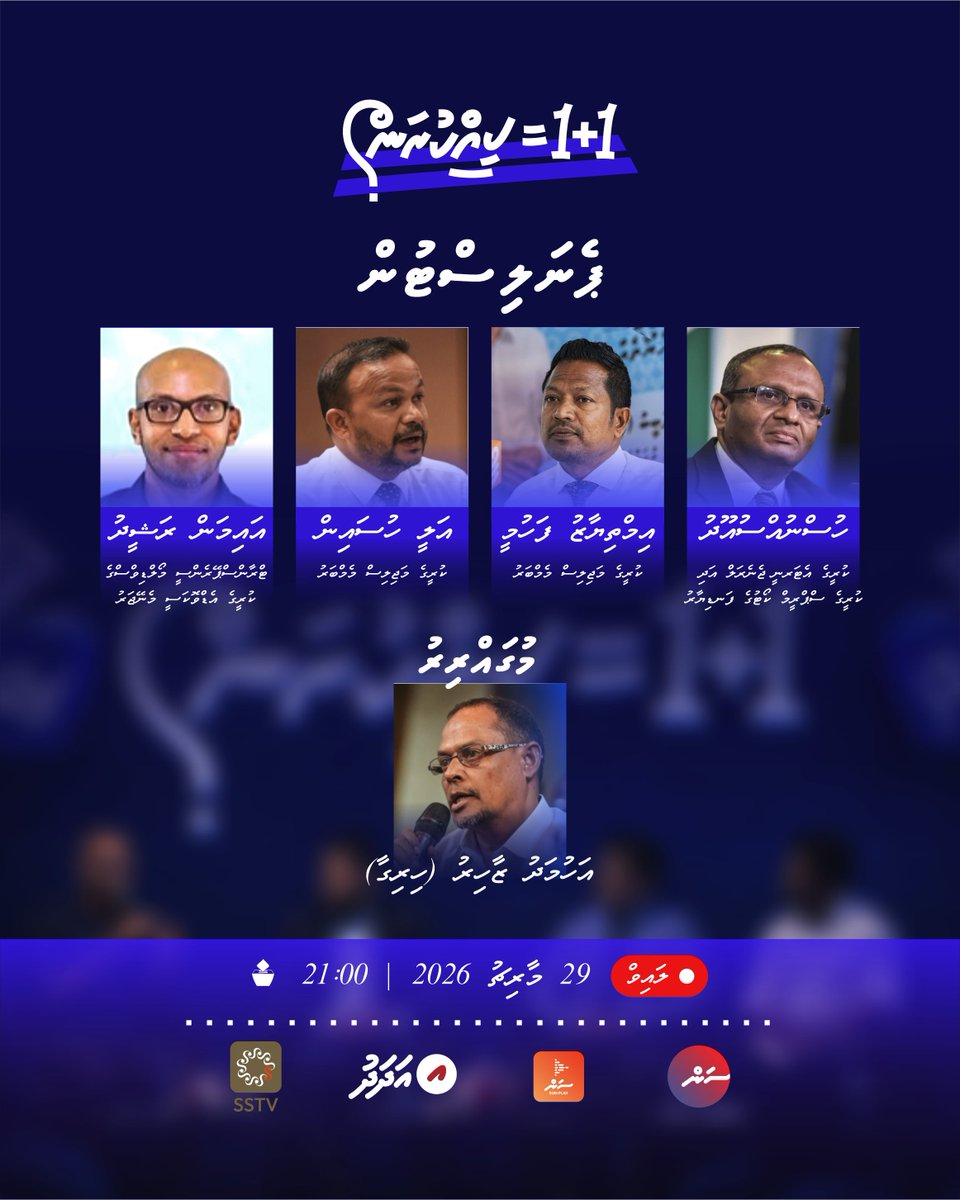
EP 12 | Ehbasve Dhebasvamaa: Is the Local Governance Model Failing?
In this episode, we sit down with Aiman Rasheed from the Maldives Local Council Association to discuss the systemic challenges facing local governance. We dive into why political will is the missing ingredient for making decentralization actually work for the people.
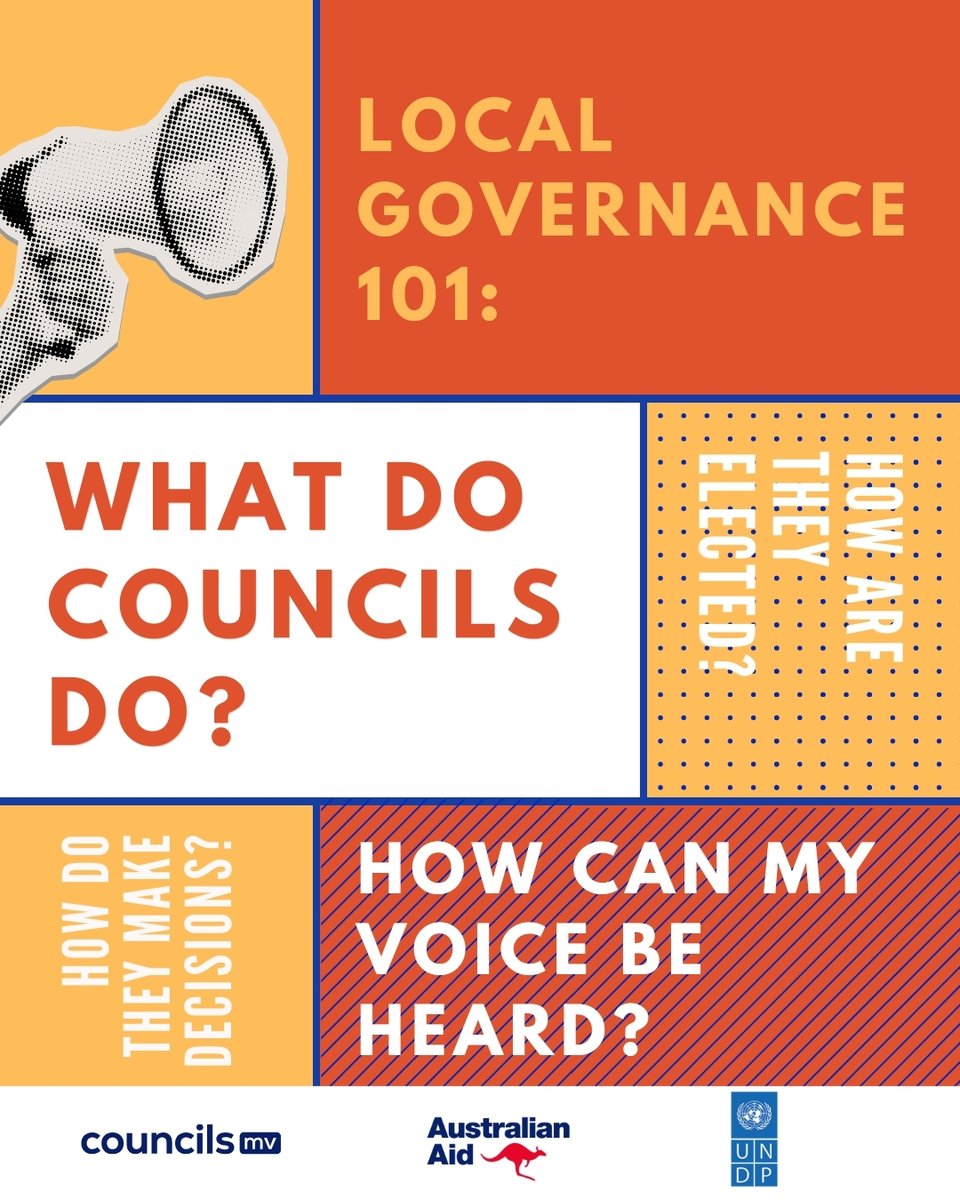
We conducted a session on Civic Education and Political Participation in Addu Meedhoo, discussing decentralised governance systems, and the value of civic participation in strengthening democratic engagement and inclusive decision-making.