¡Increible! Vamos a volar esta misión! ya no hay vuelta atrás. El equipo en @satlantis_ (y también todo el consorcio claro) ha hecho un trabajo cientifico-ingenieril impersionante para conseguir que esta misión se haga realidad. No os imagináis lo simple que parece y lo complicado que es esta misión, como siempre, llevando al límite de lo conocido la tecnología de nuestro planeta, para estudiar los secretos que todavía esconde la ciencia de nuestro Universo. Ahora a celebrar, mañana de vuelta a la mesa de trabajo para sacar adelante este sueño de nuestros científicos. 😊🔥
Higher resolution cameras have several drawbacks, smaller pixel size means less photons captured for the same exposure time, so worst SNR, so to get a good picture you need more exposure time. They cannot use a tripod because the full spacecraft is also continiusly rotating and has microvibrations induced by all the dynamic movement inside the spacecraft electronics, fans, the infamous toilet, the fuel, including the astronauts continuous movementw, so pictures would be blurred by motion, pixel shift would be totally discarded for the same reason. That is why on Earth cameras like sony alpha 7S is only 12Mpx but still cost 3k$, there are situations (dynamics) in which it totally worths lower resolution, so I totally understand 20Mpx in orbit. Hgher resolution means blurred images. I have fighted with this in the ISS in the past. That is why having a big telescope in the ISS is not particularly a good idea, too much motion and vibrations going on in those spacecrafts.
Nowadays it would be strange, very strange to use Harddribes or RAM without ECC, so a bit flip would go un-noticed because is automatically corrected, several bitflips would trigger an uncorrectable exception and would ignore the file or finish the execution of the program in RAM unexpectely. We have a few NVMe in orbit (LEO) and we see the ECC counter for memory correction increasing by hundreds every day but it goes unnoticed operstionally because they are never lost, not even triggering sector lost. In any case the bitflip problem would be serious because it might happen at register level at some point, there are countermeasures but more power will be required than on ground. By the way, the same problem applies on ground but at slower pace.
He montado un pequeño video con el paso por el perihelio del cometa C/2025 K1 (ATLAS), al que por cierto ha sobrevivido.
Se ha observado a través del coronógrafo LASCO-C3 a bordo del telescopio espacial solar SOHO, y creo que ha pasado desapercibido.
@NASA@NASAJPL@esa@esa_es
My advise is different. Go to the 'for you' tab, when somwthing you dont like appears, just click 'I dont want more of this' instead of watching the disgustong video. After 5 min of doing this, what I get in for you is good because I see things related to the 'follow' tab, discovering new related things. What I mean, is you can very easily shape how you like the for you tab. More powerful to use both options.
This seemingly simple "leopard spotted" rock found on Mars by the Perseverance Rover shows evidence of potential ancient life on Mars!!! They spent months trying to explain how this ISN'T signs of previous life, but they can't (yet). That's the scientific method!!!
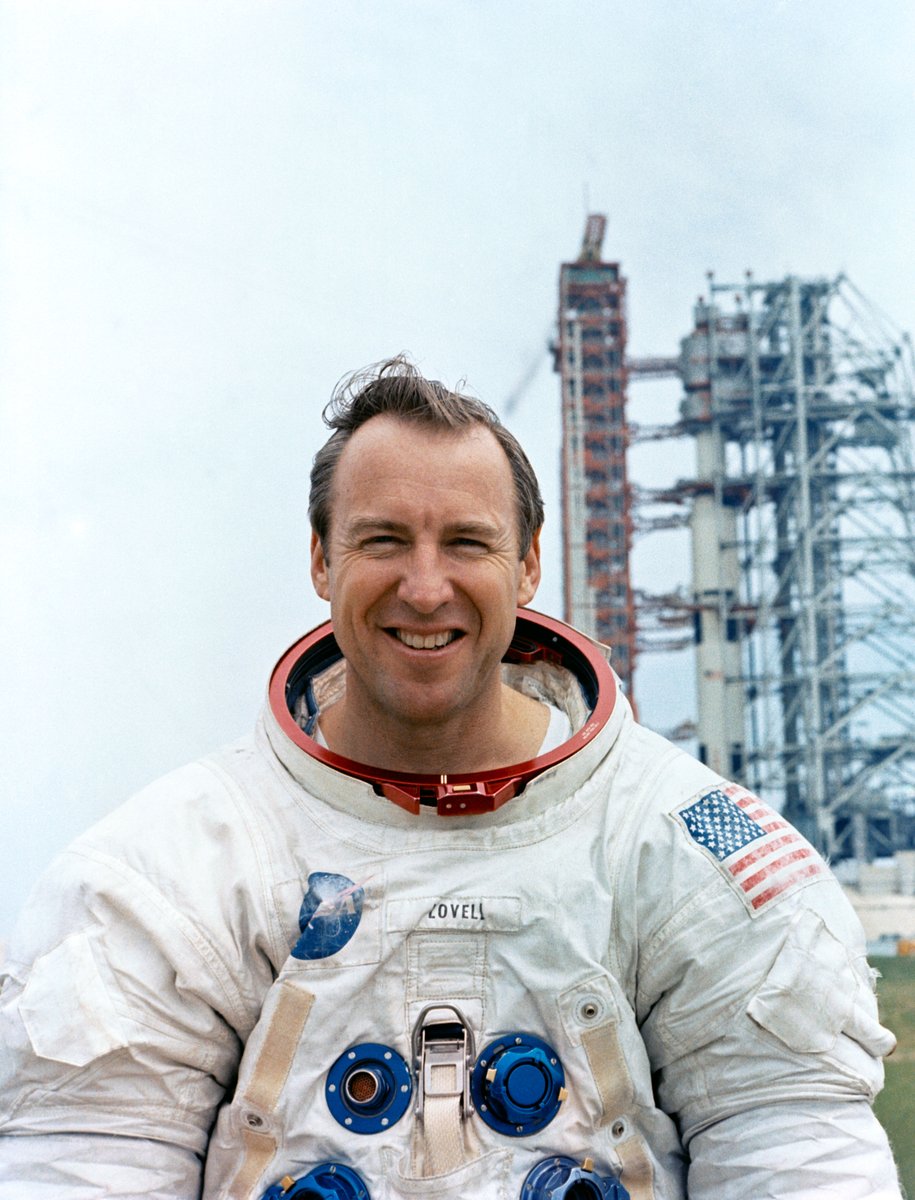
We are saddened by the passing of Jim Lovell, commander of Apollo 13 and a four-time spaceflight veteran.
Lovell's life and work inspired millions. His courage under pressure helped forge our path to the Moon and beyond—a journey that continues today. https://t.co/AjT8qmxsZI
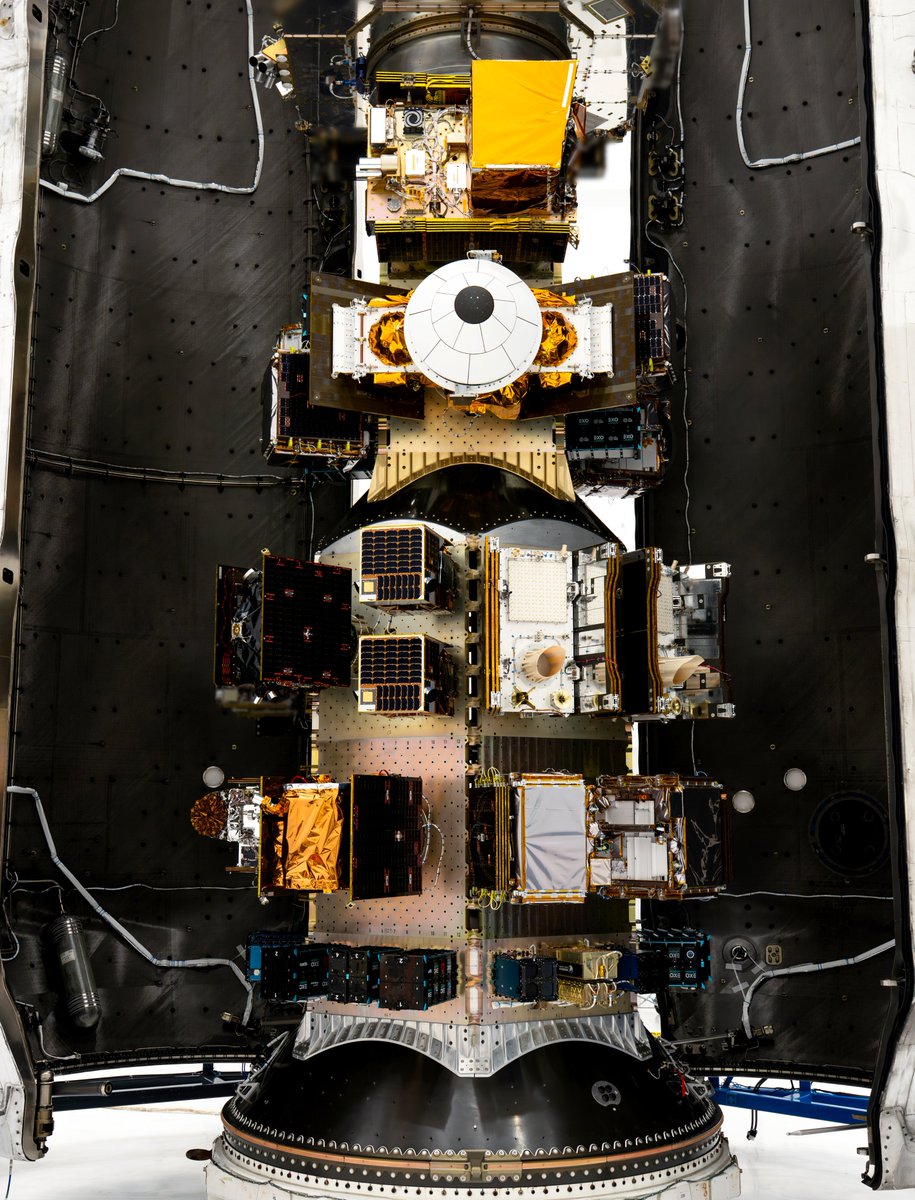
ARRAKIHS prepares for orbit! 🛰️
A technical training campaign at Javalambre Observatory (@CEFCA_OAJ) tested the iSIM-170 camera, a key instrument for the mission to study dark matter from space.
🔗 https://t.co/0cVHEu2IkQ
#ARRAKIHS@esa#DarkMatter#iSIM170#Astrophysics#OAJ
Vaya, parece que las últimas observaciones del Hubble rebelan que Atlas es mucho más pequeño de lo esperado. Aún así que no decaiga el hype, sigue siendo un objeto muy interesante. ¿Podemos con estos 3 objetos hacer una estimación de materia barionica 'oscura' en nuestra galaxia?
Recien detectado el tercer objeto interestelar de la historia (3I), y éste parece grande (o brillante?) Pasará muy rápido, el más rápido descubierto hasta ahora con 58km/s (en el infinito).
The Minor Planet Center has designated 3I/ATLAS = C/2025 N1 (ATLAS), or informally "Comet ATLAS", a new interstellar comet that is currently about 4.5 AU from the Sun and screaming through the solar system at 58 km/s (130000 mph)
The Minor Planet Center has designated 3I/ATLAS = C/2025 N1 (ATLAS), or informally "Comet ATLAS", a new interstellar comet that is currently about 4.5 AU from the Sun and screaming through the solar system at 58 km/s (130000 mph)
I was also confused, but maybe he is refering to electrical energy. From the propulsion perspective it is easier to deorbit from GTO, however GTO provides you a single reentry point every orbit, and you might not want to reentry on the same orbit, or even in the same orbit means you need to wait for several hours to reach apogee and then push for deorbit. So ... it should be electrical energy keeping the upper stage under control for so many hours... does it have startrackers? Because dead reckoning is no longer an option, right? There is another possibility, in order to change significantly the reentry point you might want a very high propulsion maniover, not just reducing the perigee?
Russia did almost that with their Lunokhod rovers for several years and drove them in quasi realtime. They did not use RTG but they used nuclear products to keep the electronics & batteries warm during the nights. Other rovers did this like Oppy and Spirit in mars. Why would you need RTG in the moon? The energy at night would only be used for warming up! And for why not in the current missions? Because current missions are so much cheaper than those using RTG or any nuclear source for warming up...
.@ESA_Tech's #Proba3 'Coronagraph' spacecraft seen here by the onboard camera of the 'Occulter' spacecraft during autonomous formation acquisition in orbit earlier this week.
@nascom1 Everyday we learn something new, even in our own bussiness!. I have seen the term passivated widely used in satellite and rocket industry. Very common for the rocket stages that remain in orbit for many years. Here is a Grok answer. https://t.co/c1IPmd5SWt
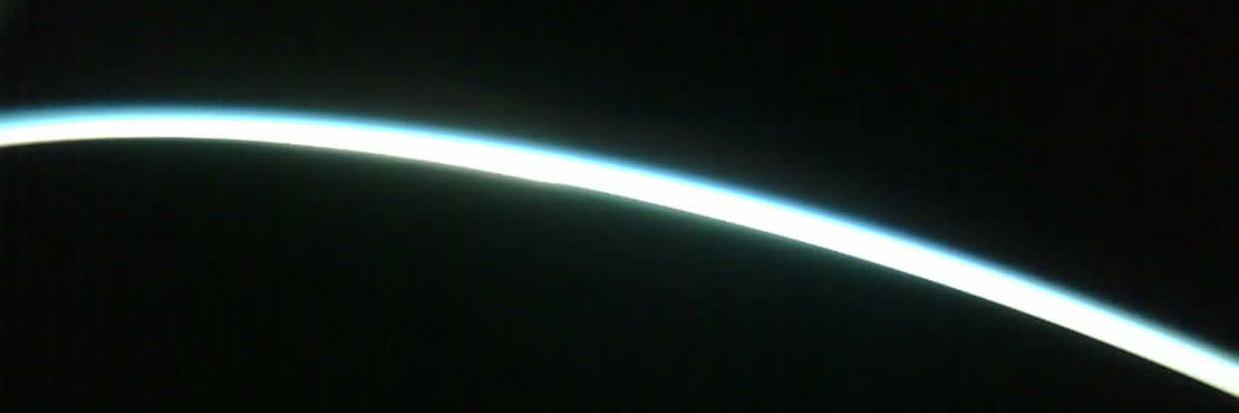
#BlueGhost got her first diamond ring! Captured at our landing site in the Moon’s Mare Crisium around 3:30 am CDT, the photo shows the sun about to emerge from totality behind Earth. Hope to have more shots to share soon! #BGM1
Hace unas semanas hicimos estas fotos de la Luna en 3D, aprovechándonos del paralaje generado por orbitar la Tierra en una órbita polar. Las 2 imágenes las obtuvimos con el mismo satélite con 45 minutos de diferencia entre ellas, desde el polo norte y desde el polo sur de la órbita, es decir a casi 14.000km de distancia entre la primera y la última. Inspirados por @xkcd en https://t.co/MLR07y5os7, si usáis gafas anaglíficas (rojas a la izquierda y verdes a la derecha), la luna la veréis con la misma perspectiva que ver una pelota de baloncesto a 2m de distancia 😁
🚀 𝙊𝙣𝙚 𝙔𝙚𝙖𝙧 𝙄𝙣 𝙊𝙧𝙗𝙞𝙩!
Today, we celebrate the first anniversary of the successful launch of Horacio, our third satellite! 🎉
Over the past year, #Horacio has downloaded more than 53 terabytes of images. 🛰️
🌖As part of regular calibration campaigns, Horacio captured this stereoscopic image of the #Moon, where three landers [Blue Ghost from @Firefly_Space, Athena from @Int_Machines, and Resilience from @ispace_inc] are either on their way or have already successfully landed around these very days!
📷 To achieve the stereoscopic effect, Horacio pointed at the Moon and took one picture at the northernmost point of its orbit. Then, 45 minutes later, it captured another image from its southernmost point, over Antarctica - more than 13,000 km apart.
🕶️ Grab your 𝗮𝗻𝗮𝗴𝗹𝘆𝗽𝗵 𝗴𝗹𝗮𝘀𝘀𝗲𝘀!
With them on, the Moon will appear like a basketball floating nearly 2 meters away - thanks to the equivalence between the distance between our eyes and the distance Horacio traveled in those 45 minutes relative to the Moon.
A huge shoutout to our incredible team, who operate Horacio daily, ensuring every maneuver and data transmission is a success! 👏
#EarthObservation #SmallSats #SatlantisTeam


![satlantis_'s tweet photo. 🚀 𝙊𝙣𝙚 𝙔𝙚𝙖𝙧 𝙄𝙣 𝙊𝙧𝙗𝙞𝙩!
Today, we celebrate the first anniversary of the successful launch of Horacio, our third satellite! 🎉
Over the past year, #Horacio has downloaded more than 53 terabytes of images. 🛰️
🌖As part of regular calibration campaigns, Horacio captured this stereoscopic image of the #Moon, where three landers [Blue Ghost from @Firefly_Space, Athena from @Int_Machines, and Resilience from @ispace_inc] are either on their way or have already successfully landed around these very days!
📷 To achieve the stereoscopic effect, Horacio pointed at the Moon and took one picture at the northernmost point of its orbit. Then, 45 minutes later, it captured another image from its southernmost point, over Antarctica - more than 13,000 km apart.
🕶️ Grab your 𝗮𝗻𝗮𝗴𝗹𝘆𝗽𝗵 𝗴𝗹𝗮𝘀𝘀𝗲𝘀!
With them on, the Moon will appear like a basketball floating nearly 2 meters away - thanks to the equivalence between the distance between our eyes and the distance Horacio traveled in those 45 minutes relative to the Moon.
A huge shoutout to our incredible team, who operate Horacio daily, ensuring every maneuver and data transmission is a success! 👏
#EarthObservation #SmallSats #SatlantisTeam](https://pbs.twimg.com/media/GlSrcJsXkAAIaUR.jpg)








![satlantis_'s tweet photo. 🚀 𝙊𝙣𝙚 𝙔𝙚𝙖𝙧 𝙄𝙣 𝙊𝙧𝙗𝙞𝙩!
Today, we celebrate the first anniversary of the successful launch of Horacio, our third satellite! 🎉
Over the past year, #Horacio has downloaded more than 53 terabytes of images. 🛰️
🌖As part of regular calibration campaigns, Horacio captured this stereoscopic image of the #Moon, where three landers [Blue Ghost from @Firefly_Space, Athena from @Int_Machines, and Resilience from @ispace_inc] are either on their way or have already successfully landed around these very days!
📷 To achieve the stereoscopic effect, Horacio pointed at the Moon and took one picture at the northernmost point of its orbit. Then, 45 minutes later, it captured another image from its southernmost point, over Antarctica - more than 13,000 km apart.
🕶️ Grab your 𝗮𝗻𝗮𝗴𝗹𝘆𝗽𝗵 𝗴𝗹𝗮𝘀𝘀𝗲𝘀!
With them on, the Moon will appear like a basketball floating nearly 2 meters away - thanks to the equivalence between the distance between our eyes and the distance Horacio traveled in those 45 minutes relative to the Moon.
A huge shoutout to our incredible team, who operate Horacio daily, ensuring every maneuver and data transmission is a success! 👏
#EarthObservation #SmallSats #SatlantisTeam](https://pbs.twimg.com/media/GlSrcJuXwAAurwY.jpg)





