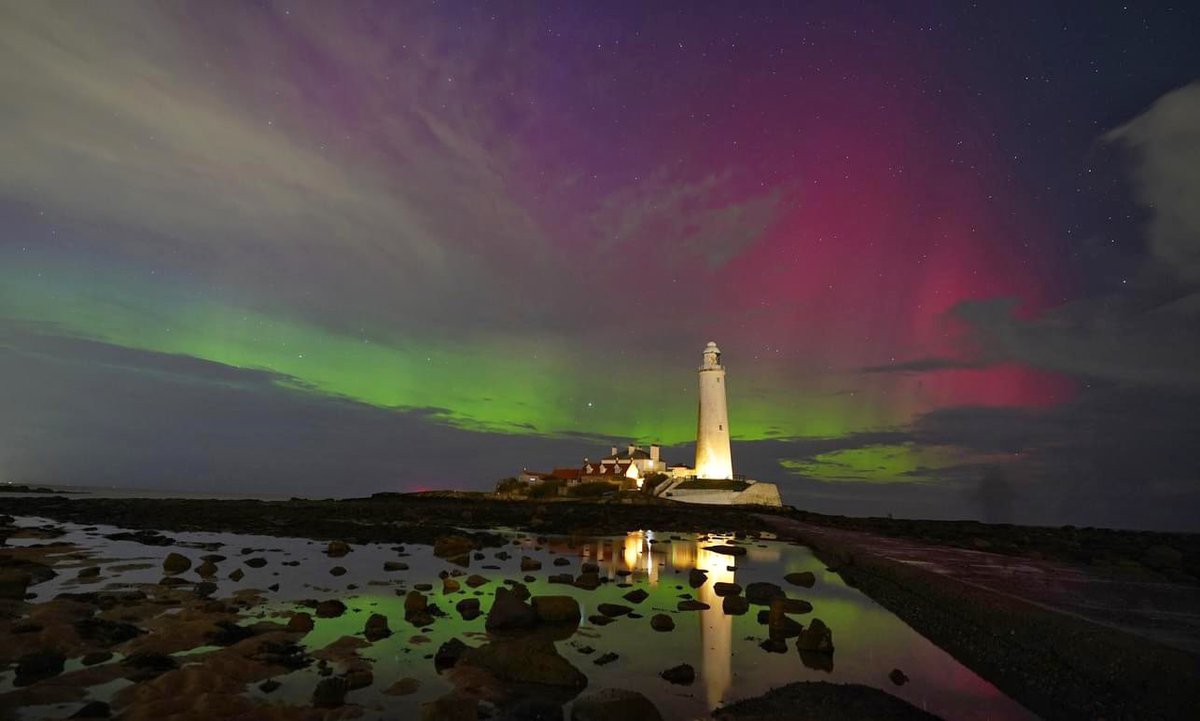
🚩 Rosebank is a HUGE mistake from our government. But it's not too late. Alongside other organisations, we signed a letter demanding @RishiSunak put an end to this initiative. We won't let this stand.
Join forces & pledge to take action to #StopRosebank:
https://t.co/WdDZpSFUho
We know the #IceSheet in West #Antarctica has potential to collapse, but is there any real indication of irreversible collapse yet? Two researchers share insights from a first-of-its-kind ice loss study of the Antarctic Ice Sheet. Find out more now! https://t.co/UnA37ELCj2
Emerging from the depths to say that I’m doing the Great North Run on Sunday! 🏃🏼♀️🏃🏼♀️🏃🏼♀️ I’m fundraising for @dragonflytweets who support young people with cancer and their families. If you’re able to donate anything then it would be very appreciated! https://t.co/htJDppc4ee
New book chapter "Transport of Plastics Within the World's Oceans" out now in Plastic Pollution in the Global Ocean! 📚 Huge thanks to @AliceAHorton for asking me to get involved ☺️
https://t.co/8lktLSlMzA
Edited by @AliceAHorton, the book includes chapters on:
Transport of plastics in global oceans by @aletheaocean
Plastic pollution and marine megafauna by @SarahENelms & @ExeterMarine team
Strategies for Plastic Waste Management by Eamonn McGuinty and @tonyrwalker1
& more!
@mjsandells@litandphil@NorthumbriaUni She really enjoyed it! She was saying how challenging it must be to target your presentations for such a mixed audience (and not go off on a tangent!) and that you did a great job!
Fantastic evening at @litandphil for NU ideas, hearing about the shape of snow from @mjsandells and comet tails from Charlotte Götz! Looking forward to the next one! @NorthumbriaUni
NEW satellite image of the huge iceberg that has calved off the Brunt Ice Shelf in #Antarctica shows a clear break. Image was acquired late Monday by Suomi/NPP VIIRS satellite courtesy of @NASA
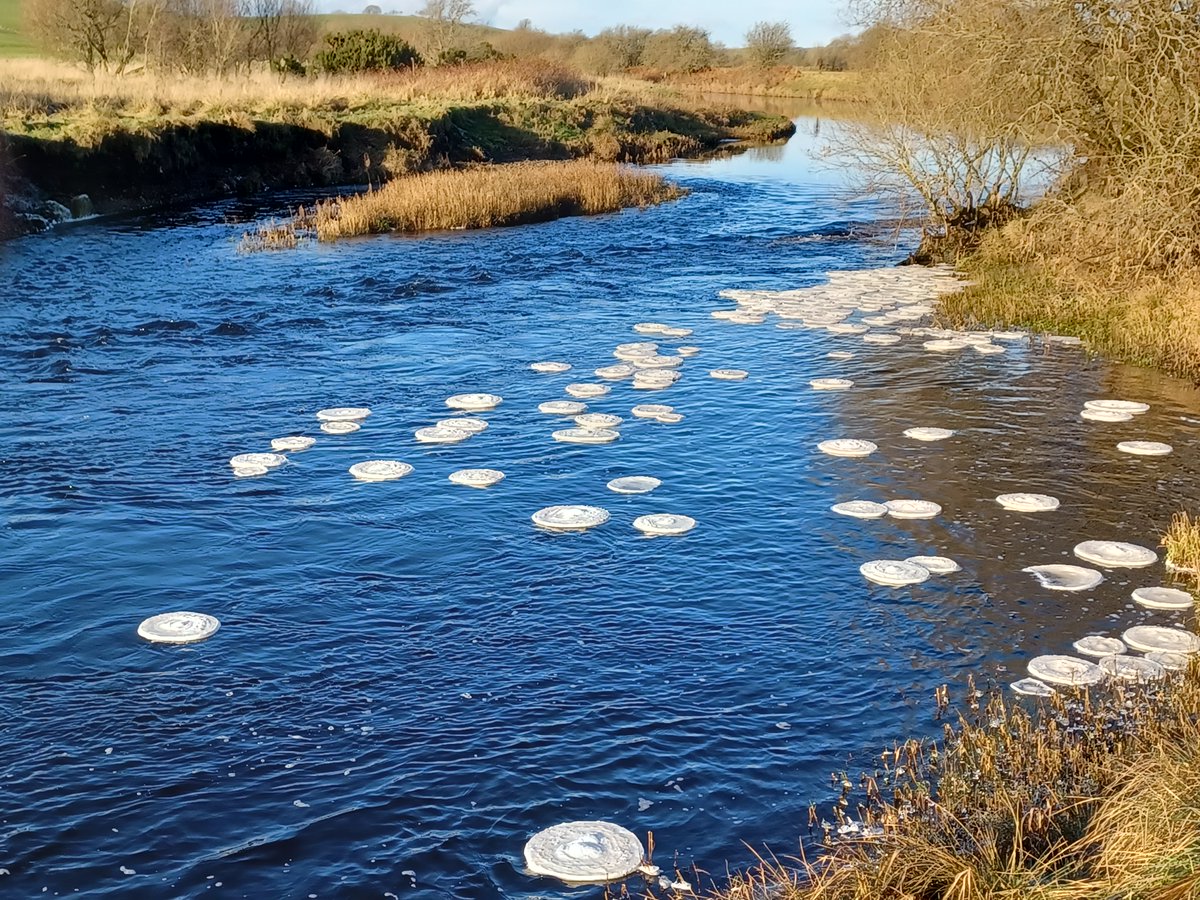
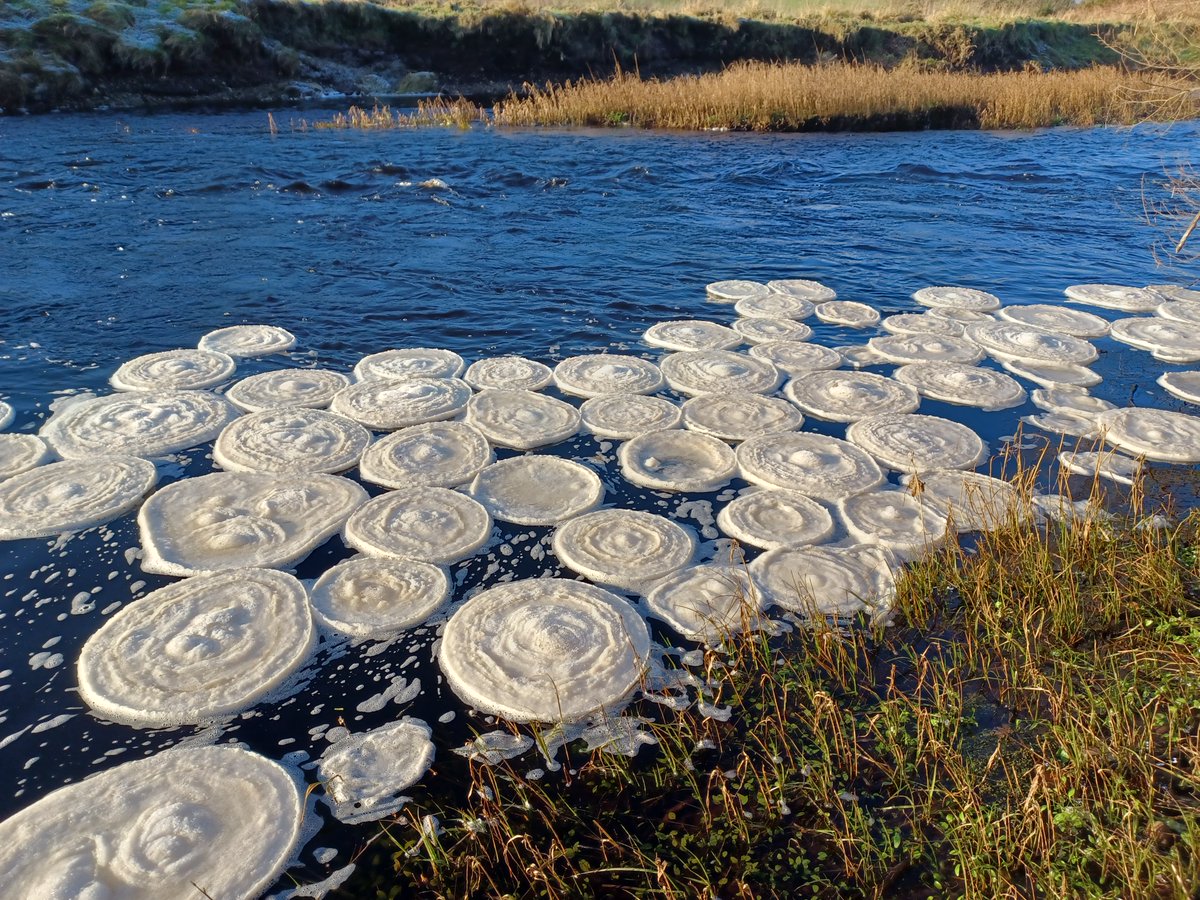
Project Manager Callum came across this rare phenomenon on the River Bladnoch in Galloway on Friday. 'Ice pancakes' are unusual in Scotland and most commonly found in Canada, the US, around Antarctica and in the Baltic sea. Specific conditions are required to create them. 1/2
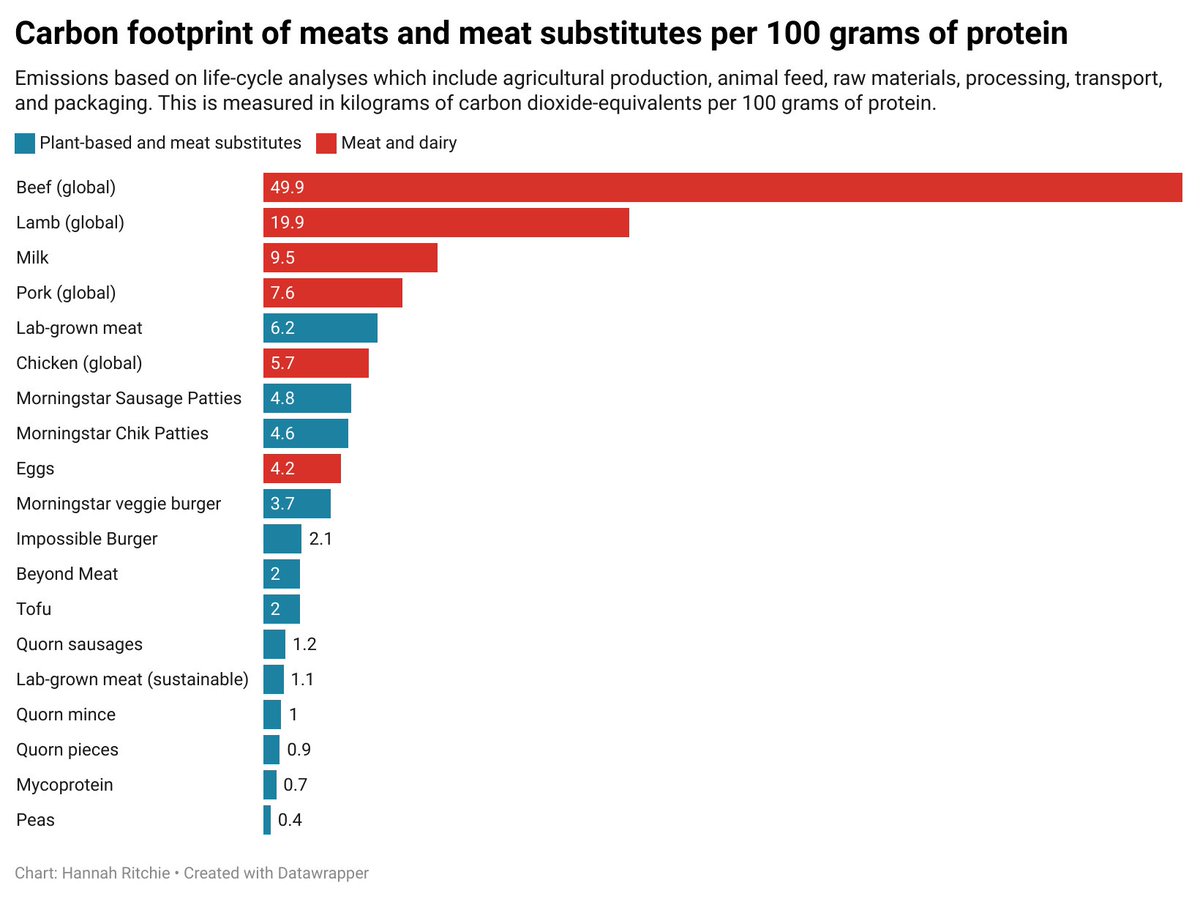
Are meat substitutes really better for the climate than meat and dairy?
It was surprisingly hard to find a dataset that answered this question, so I started building one.
I show the results in my new Substack post.
Spoiler: yes, most are lower-carbon.
https://t.co/5iZ9rdkN0y
Hopefully this is a sign of progress. The die-offs have taken an enormous toll not only on our marine life but also the coastal communities that depend on a healthy, welcoming and productive sea.