Neurology in 2026 retains the same core clinical reasoning as it did fifty years ago. The neurological examination remains the most vital component of the evaluation. While trainees may get distracted by advanced MRIs, new antibodies, and podcasts, mastery of neurology must be learned at the bedside. What differentiates a Neurologist from an internist is the ability to perform a neurological examination. Without it, one cannot localize the problem, define the syndrome, or provide effective care for neurological patients. We must reinforce the fundamentals of neurology for the new generation. No matter how many tests are available, the basics are the same.
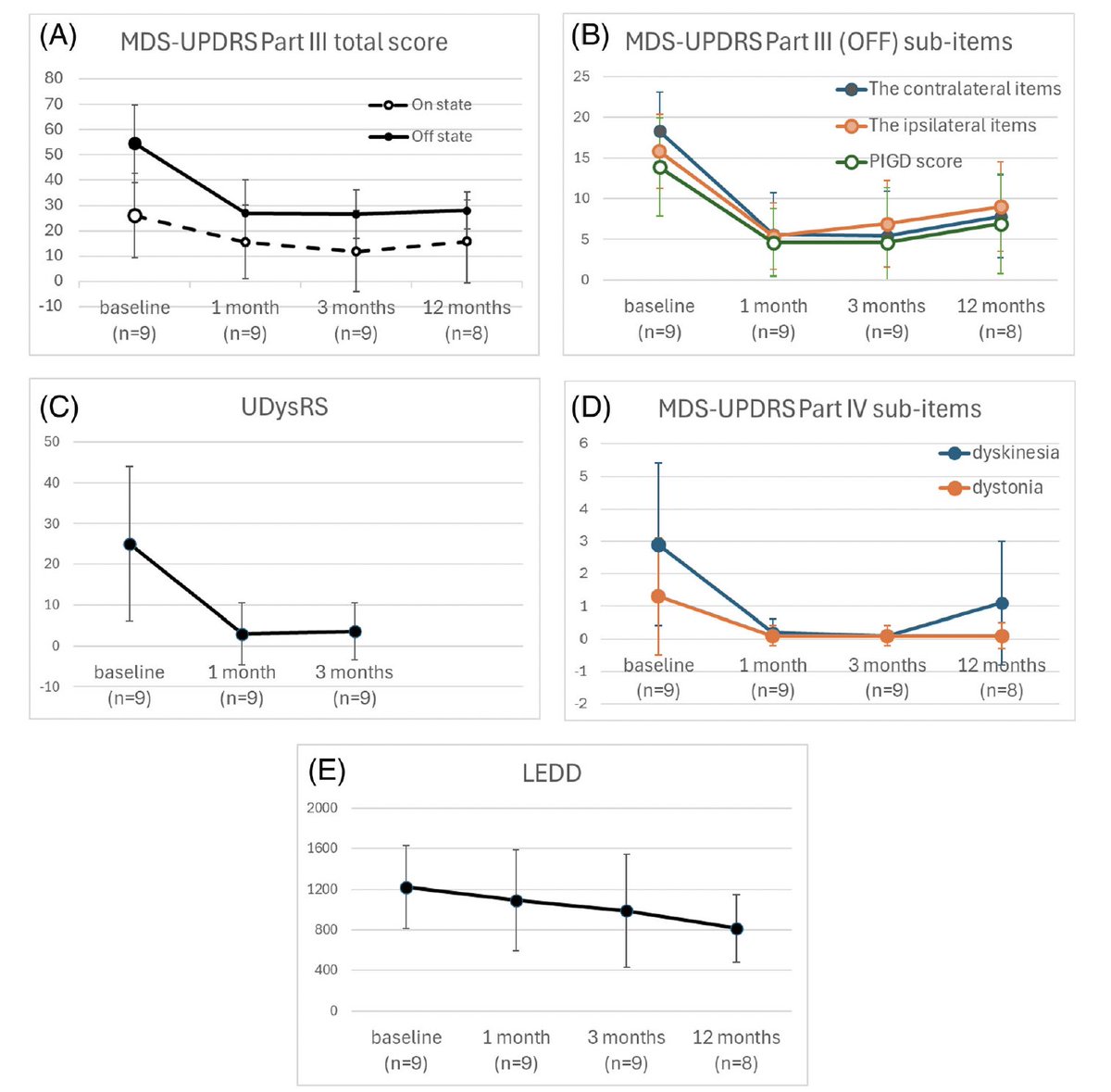
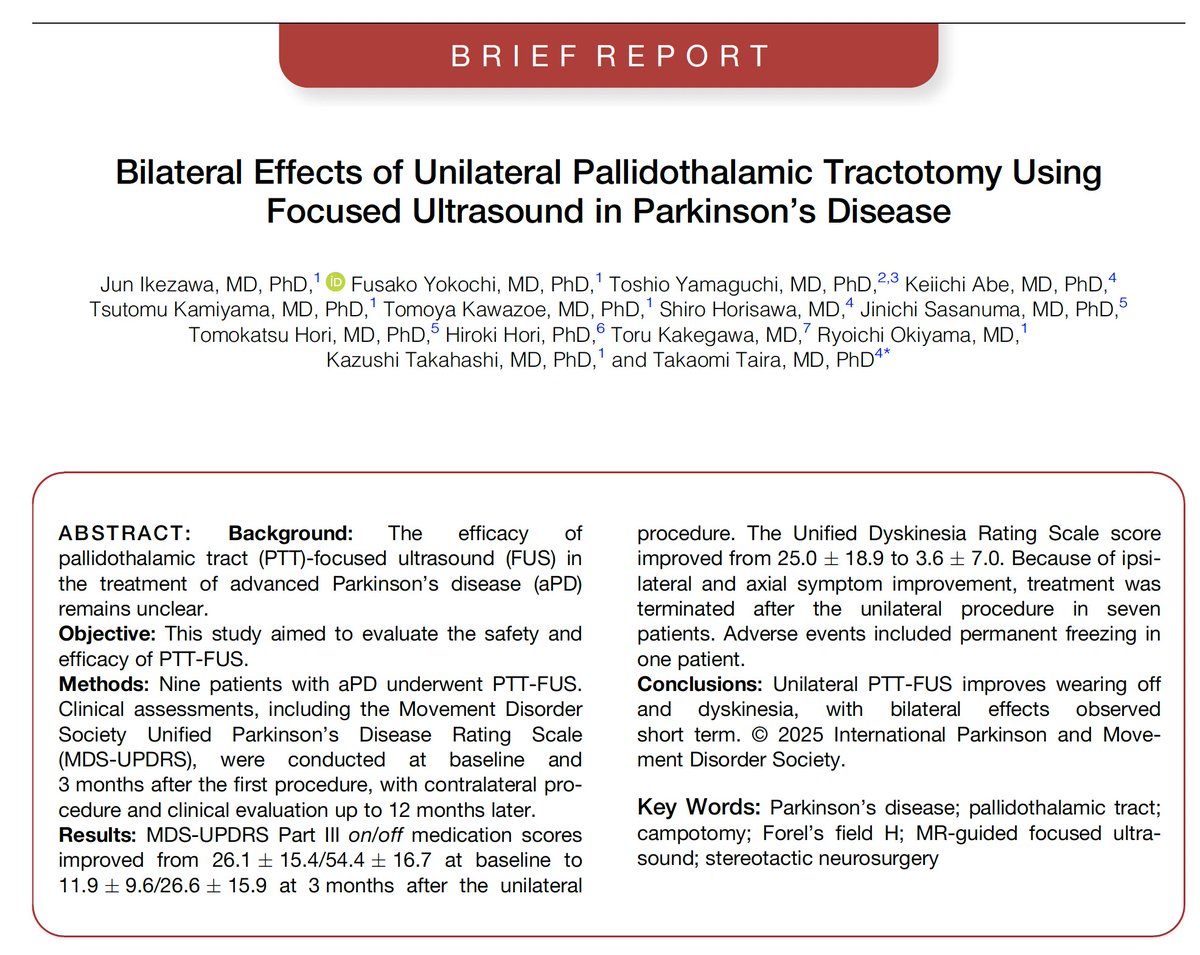
Interesting work by Prof. Taira and colleagues: unilateral FUS pallidothalamic tractotomy (PTT) in Parkinson’s disease showed short-term improvement in bilateral wearing-off and dyskinesia. It is presumably due to bilateral projections of the PTT. https://t.co/fGPrTHDBfi
In this insightful viewpoint article, the authors discuss the impact of the recent FDA decision to end the requirement for blood monitoring in clozapine use. https://t.co/x9oYRQApvl
the Saudi Chapter of Cognitive and Behavioral Neurology, under the umbrella of SNS with collaboration with MOH is pleased to announce a special activity: Cognitive Neurology for non specialists. Addressing AD
Please join us in this battle to combat Alzheimer’s.
@CogNeuroKSA
Happy to share our paper on a podcast intended to teach medical humanities in medical school. 'It deals with subjects that are very important to me and that we rarely have the opportunity to discuss during our studies' a student said.
https://t.co/Np0t8CLB2Z
I interviewed two of the great thinkers on the potential limitations of phenomenology-based diagnosis in our field: @MarkHallett007 and Mark Edwards. Always stimulating, thought-provoking and fun! #MDSpodcast@UHNSHSNeurology
We describe 4 “classic” cases of functional dystonia who improved with integrated rehabilitation. Rehab can provide benefit even when the etiology is unclear - and helps patients. Check it out!
https://t.co/DPn0gOhYT5
@HaseelBhattPT@GGilmourMD@SarahLidstone@IntegratedMove
The decision to choose invasive treatments for PD is complex. This paper discusses this choice for eight different clinical patient profiles including the recommendations of the new EAN/MDS-ES guideline for decision-making. @angelo_antonini https://t.co/IchbBebGYV
I am happy to share our most recent publication! This meta-analysis sheds light on alpha-synuclein testing in isolated REM sleep behavior disorder (iRBD), offering insights into synucleinopathies. Read more about our findings! https://t.co/h5IPFvCGb0
Happy to share our recently published paper in J Fluency Disord: « Developmental stuttering, physical concomitants associated with stuttering, and Tourette syndrome: A scoping review ».
https://t.co/2pdq5EdNXB
@DrVeronicaBruno representing @DCNSNeuro at #CNSF2023@CNSFNeuroLinks
Ongoing trial of apomorphine in managing fluctuation associated pain symptoms in Parkinson’s.
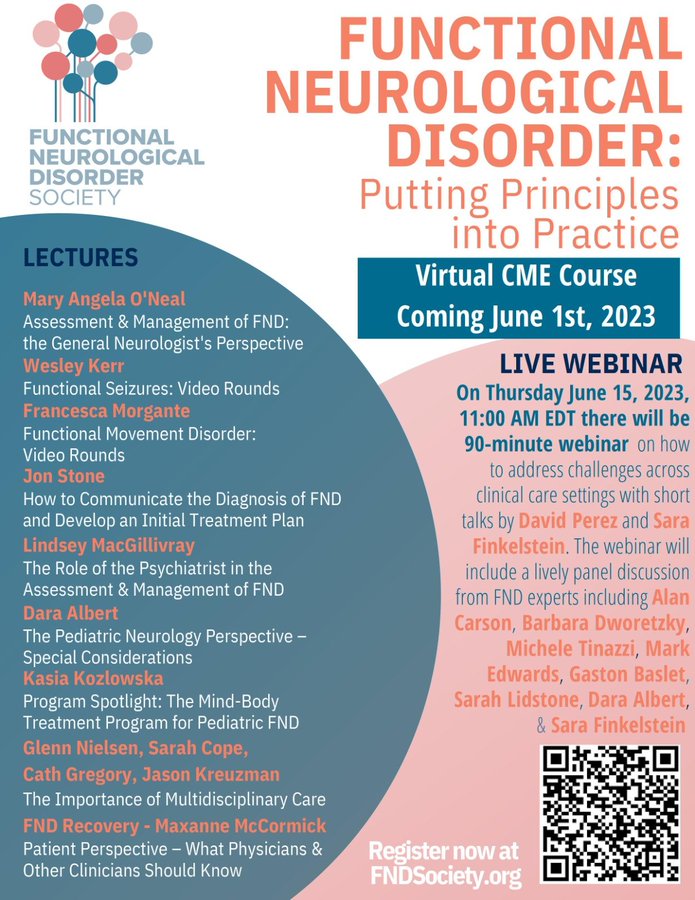
Coming VERY soon! High yield, clinically relevant virtual course featuring world-experts in the #FND field, put together by @FNDSociety.
Register here: https://t.co/EvRC9myrIC
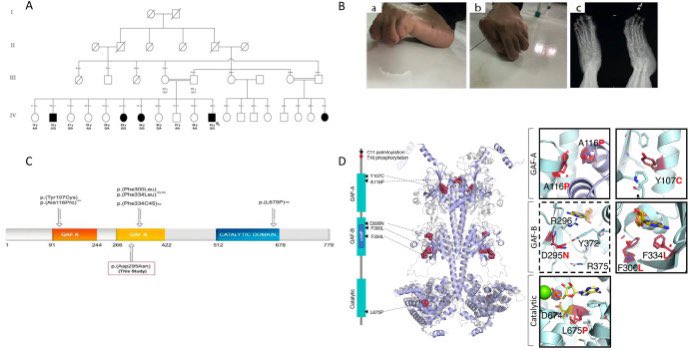
#PDE10A#phenotype#genotype#movementdisorders Expanding the genotype-phenotype landscape of PDE10A-associated movement disorders @ELSNeurology Log in to: https://t.co/UzKW7DpO9p