Which of these three images do you prefer?
Sometimes I like to zoom in a bit and get more detail. Here are a few close-up views of the Blue Angels from the Spirit Of St. Louis Air Show & STEM Expo.
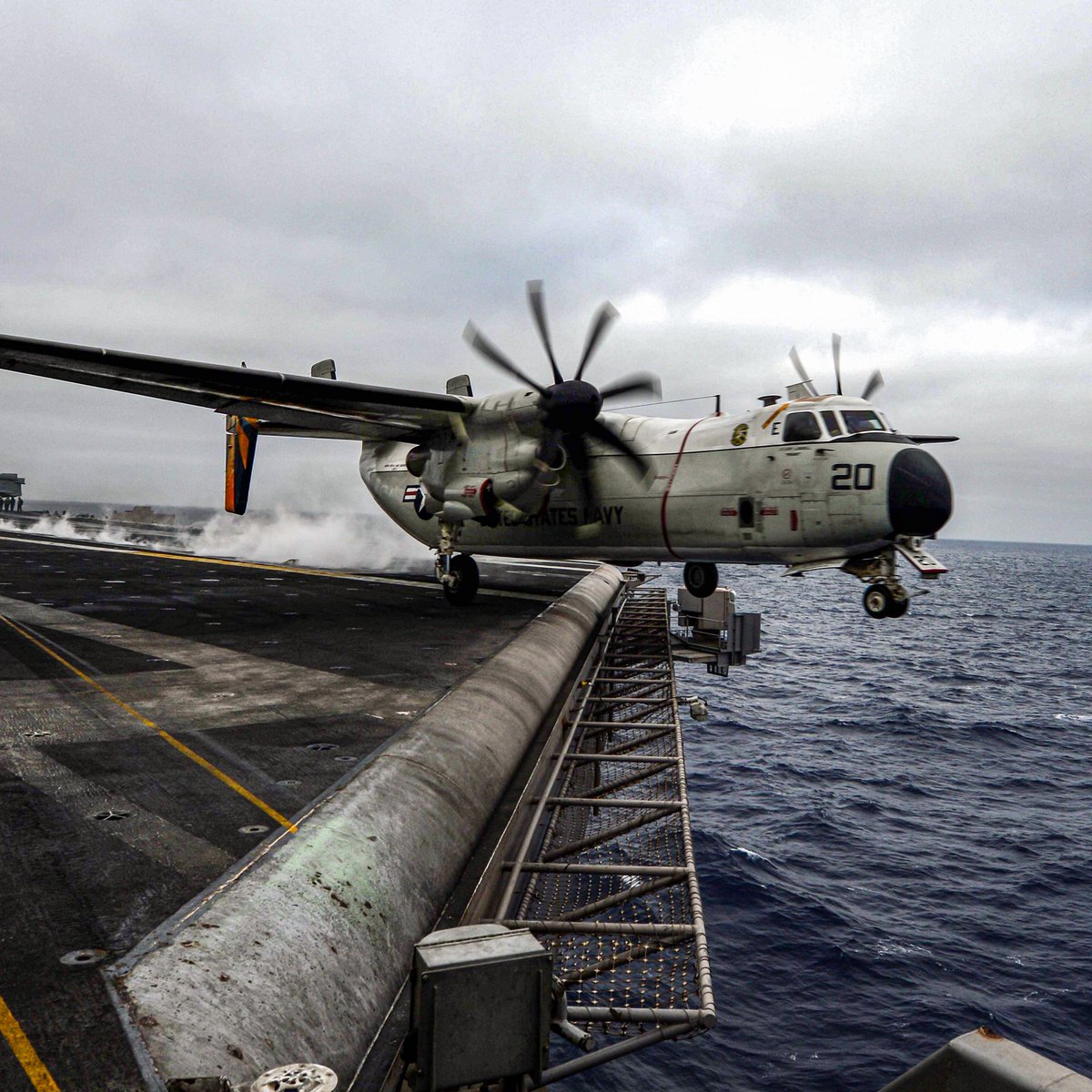
After VRC-40’s deactivation ceremony at Chambers Field last week, the C-2 Greyhound made its final flight to Pensacola today. Sad to see another legendary airframe leave the fleet.⚓️
An F4U Corsair doing aerobatics?! Sign us up! It's incredible what Jim Tobul can do with his warbird "Korean War Hero." You won't want to miss his performance! Catch it all in person or online at https://t.co/6mhJ8qs7iS if you can't be on the flightline.
#Oshkosh#airshow #aviation #avgeek
Dos Canadair italianos y otros dos griegos han llegado hoy a la base aérea de Torrejón de Ardoz para sumarse, a partir de mañana, a las labores de extinción de los horribles fuegos que devoran el centro de la península.
¡Solo podemos decir suerte y gracias!
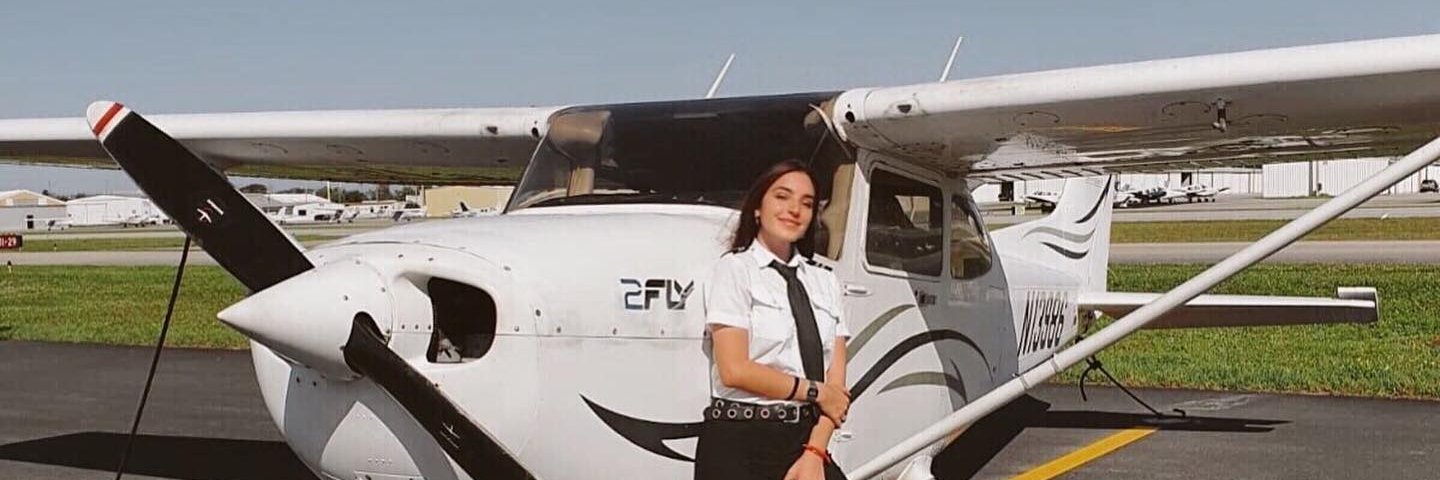
ENGINE FAILURE/FIRE ON TAKEOFF
And, here is how @Delta teaches it:
V1 is “decision speed.” At that pointed, you are committed to getting into the air and away from the ground.
Below V₁ Speed (Rejected Takeoff):
The Captain will immediately initiate a Rejected Takeoff (RTO):
•Simultaneously close the thrust levers and disengage the autothrottle.
•Apply maximum manual braking or allow the Autobrakes to engage. Apply maximum reverse thrust on the operative engine.
•Raise the speedbrakes manually if the auto-spoilers fail to deploy. Keep the aircraft centered on the runway using the rudder.
•Once stopped, the crew sets the parking brake, communicates to ATC, and assesses whether a passenger evacuation is necessary.
Above V₁ Speed (Continued Takeoff):
If the engine fails after passing V₁, the takeoff must be continued, as there is insufficient runway left to stop safely. No non-essential checklists or troubleshooting are allowed below 400 feet except for raising the gear.
•The sudden loss of thrust causes the jet to yaw and roll aggressively toward the dead engine. The Pilot Flying (PF) must immediately apply heavy rudder pressure on the opposite side (“step on the good engine”) to keep the nose straight.
•During rotation at VROT, the pilot pulls back more slowly than normal (around 1.5 to 2 degrees per second). Instead of the usual 15-degree pitch, the target pitch attitude is lowered to 12.5 degrees to preserve airspeed.
•Once the Pilot Monitoring (PM) confirms a “Positive Rate” of climb, the PF commands “Gear Up” to reduce aerodynamic drag. [1, 2]
•Upon passing 400 feet, the PF calls for a roll mode (typically Heading Select). This allows the aircraft to either follow an assigned engine-out emergency turn or maintain runway heading rather than blindly following a complex departure track.
Cleanup & QRH Memory Items (800+ feet AGL):
Now, there’s time for checklists. Everything to this point is rote training and repetition. Once the aircraft climbs past the “safe acceleration height” (usually 800 to 1,000 feet), the pilot levels off slightly to accelerate, retracts the flaps on schedule, and transitions to Maximum Continuous Thrust (MCT) on the remaining engine.
If the failure involves an Engine Fire, Severe Damage, or Separation, the pilots must execute the Boeing 737 Memory Items by heart before opening the physical checklist.
It’s not all coffee and donuts up front? 🤣
Any questions?
The Wildcat That Never Came Home, When USS Lexington was discovered nearly two miles beneath the Coral Sea in 2018, researchers found more than a sunken aircraft carrier. Scattered around the wreck were 35 aircraft that had gone down with her on May 8, 1942, preserved for 76 years by the cold, dark, low-oxygen water.
Among them was a Grumman F4F-3 Wildcat resting
upright on the seabed, its canopy open and its blue-gray paint remarkably intact. On the fuselage, the Felix the Cat insignia remained visible beside four Japanese kill flags and a bombing mission marking.
The aircraft was identified as F-5, once flown by Lieutenant Noel Gayler. Its markings were a reminder of missions carried out months before the Battle of the Coral Sea, when the aircraft belonged to VF-3 before being transferred to Lexington's air group.
Gayler survived the war, earned three Navy Crosses in 1942, and eventually retired as a full admiral. His Wildcat, however, never returned home.
More than 80 years later, it still rests in the darkness beside the carrier it once flew from—its wartime markings preserved on the ocean floor, like a final page of its combat history that was never erased.
Another flying story.
In my Air Force C-141 years, when we were flying home to the US or to the Middle East and super heavy, we’d often have to drop into Goose Bay, Labrador, to get fuel. It was a really important hub during WWII, the Cold War, and DESERT STORM. Still is. It’s like stepping back in time to the 1980s Cold War at an isolated northern outpost.
I landed there once to gas up in like February. They’d just had a massive snow storm. Several feet. Drifts were piled 20 feet high. But they’d plowed the runway meticulously.
After we landed, I started taxing to where the terminal was supposed to be. The taxiways were cleared but the snow was piled up so high, I felt like a kid in a Halloween corn maze. Again, meticulously plowed. Thankfully they’d spray painted orange on the snow banks to provide some semblance of wingtip clearance.
My aircraft has long wings. 🤣 I Finally found the terminal. Got gas. And the best hot dog I’ve ever eaten. Ever! Something about the hot dogs when it’s -20 outside, you’re famished, and you’re only halfway home. Aircrew heaven. 😎
Then we flew home. Another day in the books.
The "Ghost Flight" Legend
The B-2 Spirit is a masterpiece of stealth engineering. Every detail from its flying-wing design and hidden engines to its radar-absorbing skin was built with one purpose: to remain incredibly difficult to detect.
Without vertical tail fins to reflect radar and with cooled engine exhaust to reduce its heat signature, the B-2 can penetrate heavily defended airspace almost unnoticed. Despite its enormous 172-ft (52.4 m) wingspan, it can appear on radar no larger than a small bird.
During a training exercise, a B-2 Spirit reportedly managed to sneak up on a friendly U.S. Navy aircraft carrier group. Despite the fleet being equipped with the world's most advanced radar systems, the bomber flew directly overhead without triggering a single alarm, solidifying its reputation as a true invisible ghost 🔥🔥
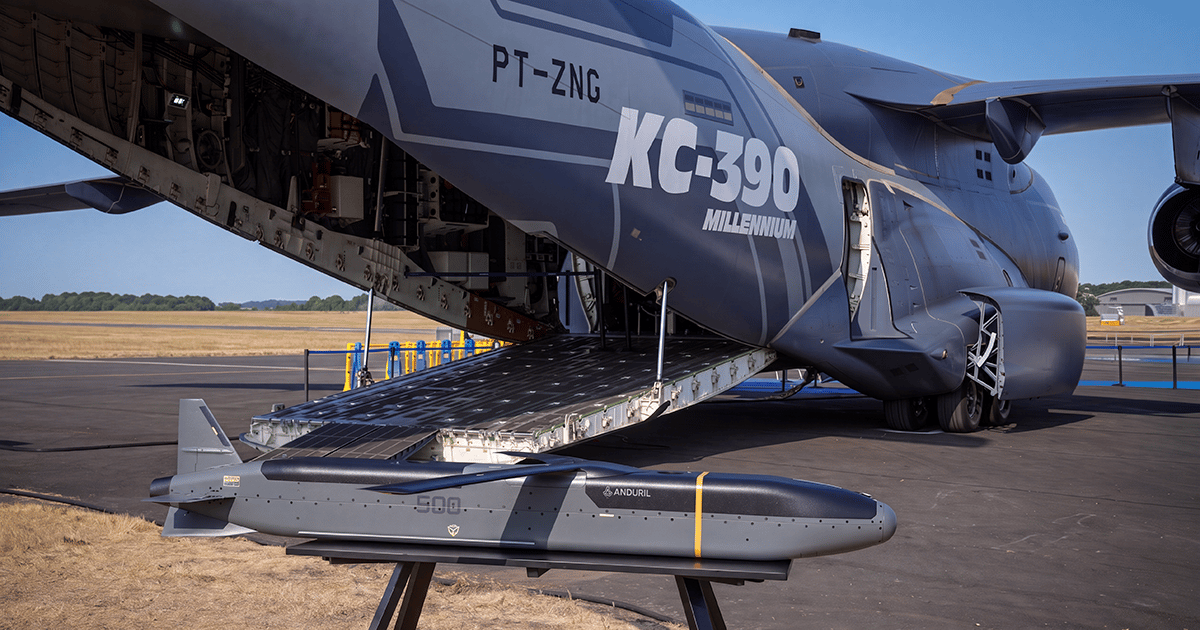
Embraer and Anduril have signed a memorandum of understanding to pursue integration of the pallet-launched Barracuda 500M stand-off cruise missile into the C-390 Millennium.
Read more ⬇️
The New York Times, citing multiple people briefed on the matter, reports that President Donald J. Trump switched from the Qatari donated Boeing 747-8 to the legacy Air Force One during the NATO summit after the Secret Service received what officials deemed a credible threat that Iranian proxy forces were targeting the president and whatever aircraft he was traveling aboard.
The Qatari donated 747-8 is currently serving as the VC-25B "Bridge" aircraft, a temporary presidential transport intended to fill the gap until Boeing delivers the long delayed next generation VC-25B fleet. According to the report, the threat was not specific to the aircraft itself, but the incident has renewed scrutiny over its defensive capabilities, as it lacks some of the advanced defensive systems carried by the current VC-25A and future VC-25B fleets.
President Trump appeared to acknowledge those limitations earlier this week when, after being asked about the aircraft's lack of antimissile defenses, he told reporters the jet would soon be taken out of service to be "maxed out" with additional upgrades, a process that White House Press Secretary Karoline Leavitt confirmed would take approximately one month.
Source: https://t.co/Ydcwybf7dP
These are the beautiful moments that cannot be described in just a few words.
So simply put, THANK YOU VETERANS! We hope you enjoyed your trip to see the memorials dedicated in your honor.
Freedom is not free.
Your service and sacrifice is appreciated more than you know.
We love you! ❤️🇺🇸 #OSH26
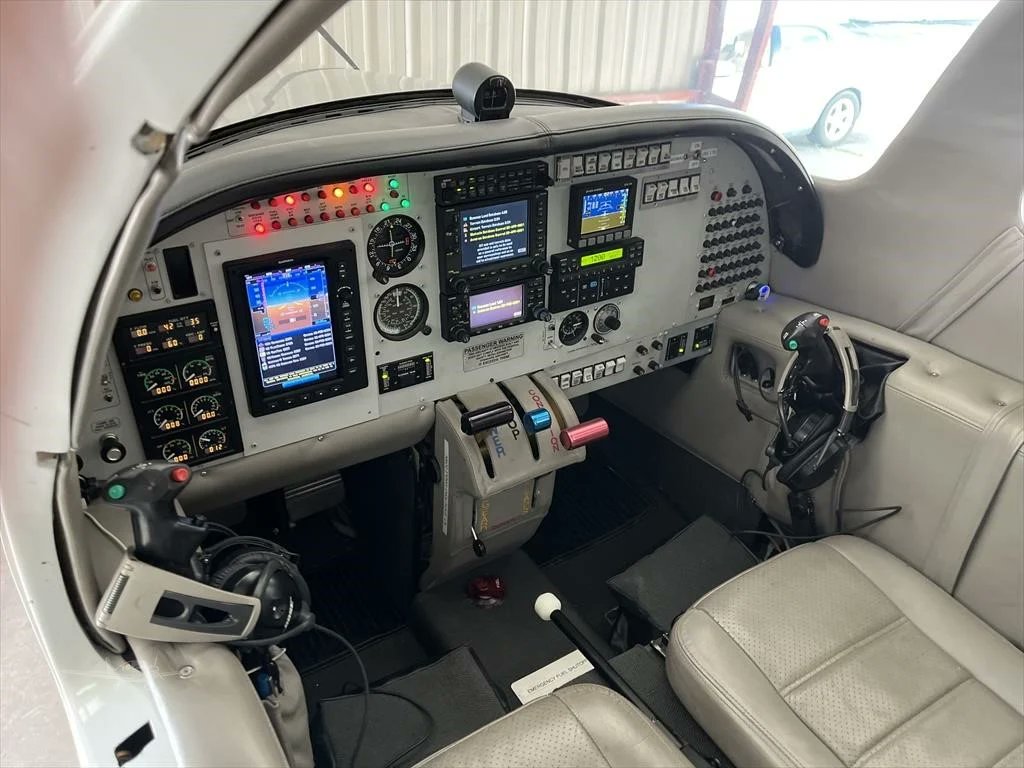
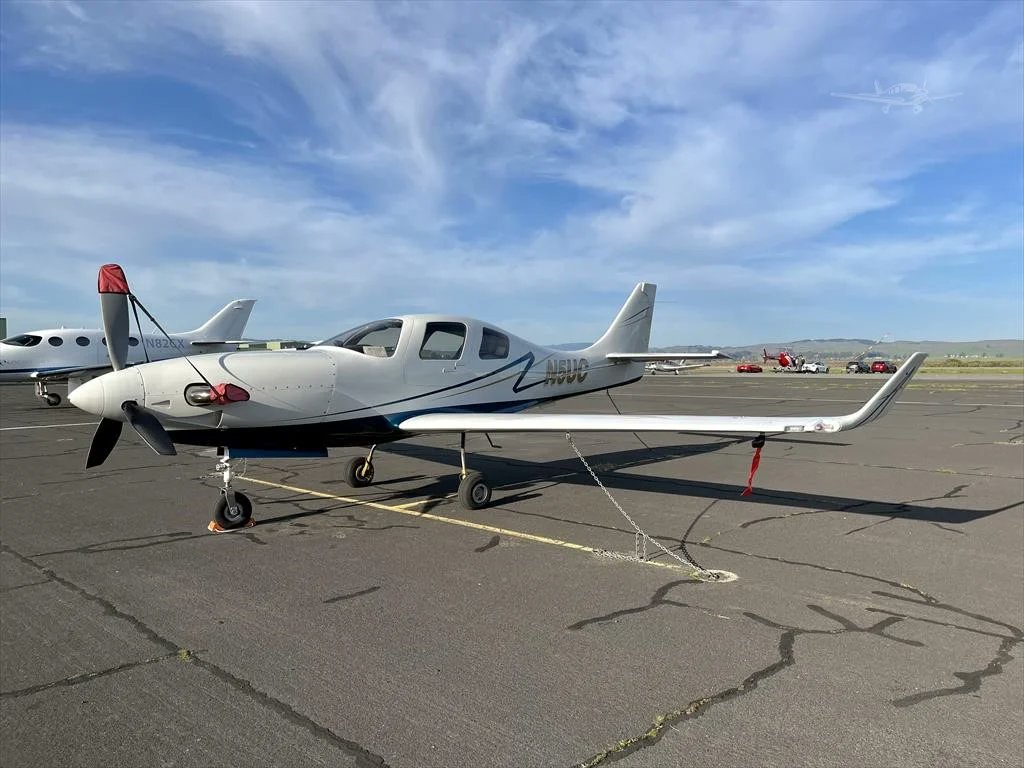
Once again I find myself looking at this local plane for sale and thinking I should buy it. A Lancair IV with Walter turbine.
Since it's experimental, amateur built, I would be legally able to do the annual..... but it still feels like way too much plane for a 350 hour pilot.
https://t.co/5qBjCAvY3y












![BuzzPatterson's tweet photo. ENGINE FAILURE/FIRE ON TAKEOFF
And, here is how @Delta teaches it:
V1 is “decision speed.” At that pointed, you are committed to getting into the air and away from the ground.
Below V₁ Speed (Rejected Takeoff):
The Captain will immediately initiate a Rejected Takeoff (RTO):
•Simultaneously close the thrust levers and disengage the autothrottle.
•Apply maximum manual braking or allow the Autobrakes to engage. Apply maximum reverse thrust on the operative engine.
•Raise the speedbrakes manually if the auto-spoilers fail to deploy. Keep the aircraft centered on the runway using the rudder.
•Once stopped, the crew sets the parking brake, communicates to ATC, and assesses whether a passenger evacuation is necessary.
Above V₁ Speed (Continued Takeoff):
If the engine fails after passing V₁, the takeoff must be continued, as there is insufficient runway left to stop safely. No non-essential checklists or troubleshooting are allowed below 400 feet except for raising the gear.
•The sudden loss of thrust causes the jet to yaw and roll aggressively toward the dead engine. The Pilot Flying (PF) must immediately apply heavy rudder pressure on the opposite side (“step on the good engine”) to keep the nose straight.
•During rotation at VROT, the pilot pulls back more slowly than normal (around 1.5 to 2 degrees per second). Instead of the usual 15-degree pitch, the target pitch attitude is lowered to 12.5 degrees to preserve airspeed.
•Once the Pilot Monitoring (PM) confirms a “Positive Rate” of climb, the PF commands “Gear Up” to reduce aerodynamic drag. [1, 2]
•Upon passing 400 feet, the PF calls for a roll mode (typically Heading Select). This allows the aircraft to either follow an assigned engine-out emergency turn or maintain runway heading rather than blindly following a complex departure track.
Cleanup & QRH Memory Items (800+ feet AGL):
Now, there’s time for checklists. Everything to this point is rote training and repetition. Once the aircraft climbs past the “safe acceleration height” (usually 800 to 1,000 feet), the pilot levels off slightly to accelerate, retracts the flaps on schedule, and transitions to Maximum Continuous Thrust (MCT) on the remaining engine.
If the failure involves an Engine Fire, Severe Damage, or Separation, the pilots must execute the Boeing 737 Memory Items by heart before opening the physical checklist.
It’s not all coffee and donuts up front? 🤣
Any questions?](https://pbs.twimg.com/media/HOG2nipboAApdMJ.jpg)