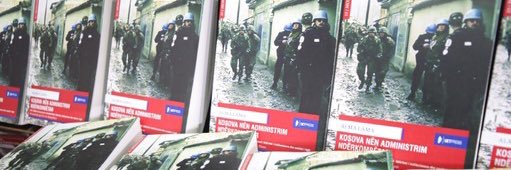
Growing up in the Bronx in the mid-20th century, Eliot Engel, the son of an ironworker and grandson of Jewish immigrants who fled czarist Russia, never imagined he would see a boulevard in Kosovo named in his honor. As the New York Democrat and chairman of the House Foreign Affairs Committee ended his 32-year congressional career, he looked back on a life of service to a country he believes is still the world’s greatest force for good.
“If we want to effectuate change in the world, if there are things we want to see in the world, if we are going to be the world leader, there are responsibilities that come with that,” Engel told me in an interview. “We are the leaders, and we should act like it.”
Engel passed away today at the age of 79. He was a great American and a good human being Read my 2020 interview with him as he reflected on a lifetime of service here: https://t.co/XbDipp3WDh
Elliot Engel was a tireless advocate for his constituents, an indispensable ally for me on domestic and international issues, a true friend and a fine man. I am grateful for his life of service and will miss him very much.
Hello, Moon. It’s great to be back.
Here’s a taste of what the Artemis II astronauts photographed during their flight around the Moon. Check out more photos from the mission: https://t.co/rzM1P0QbOl
Albanian students in North Macedonia held a massive protest against being denied the right to take the bar exam in 🇦🇱 Albanian.
They demanded equal language access as guaranteed by the Constitution and the Law on the Use of Languages.
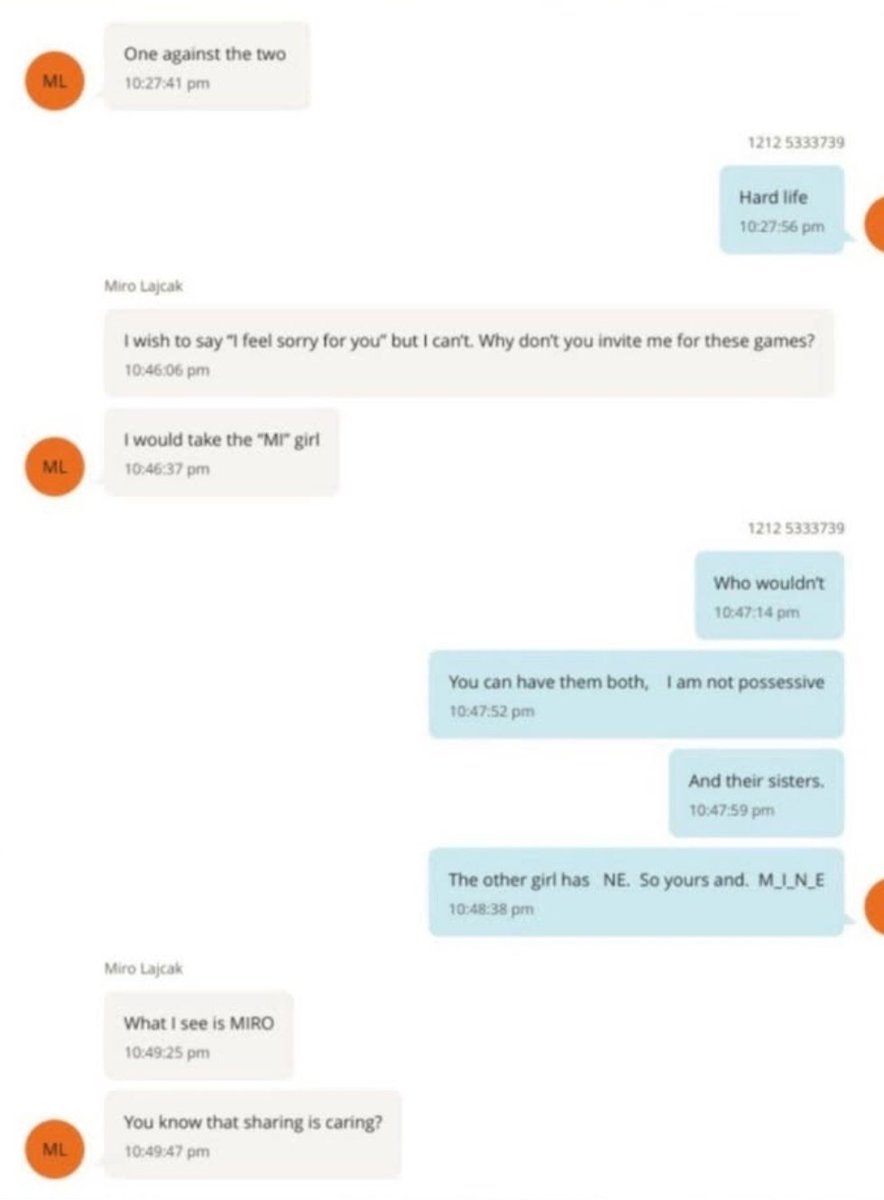
Lajcak, the pro-Serbian former EU envoy for the dialogue between Kosovo and Serbia, exchanged messages about girls with Epstein.
They corresponded and met frequently, the newly published batch of Epstein files reveals.
"I love Lavrov," Lajcak says in one of the messages
Remember Aida Rostami was a brave doctor in Iran. She cared for people who were fighting for freedom by protesting against the regime. For this, the Islamic regime punished her in the most horrific way. They tortured her, breaking her bones, her nose, and her shoulders. They gouged out her left eye. Then, they murdered her.
Her broken body tells a story of unimaginable cruelty. Aida didn’t deserve this—she was a healer, not a criminal. The regime’s evil took her life because she dared to help others. Her sacrifice must not be forgotten.
We can’t stay silent. Aida’s story is a call to action. We must honor her courage by standing up against this brutality.
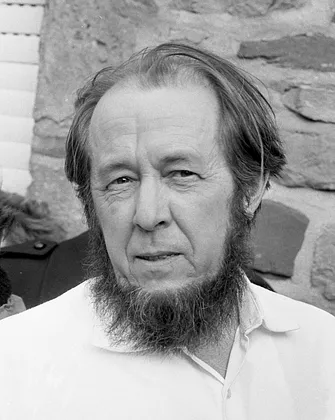
In 1945, Solzhenitsyn was a decorated Soviet officer who made a small, private joke about Stalin in a letter.
The state opened it, read it, and treated it as a crime. Within weeks he was arrested and stripped of rank. He was fed into the camps, and sentenced to eight years in the Gulag.
The camps were designed to teach one lesson: say nothing, remember nothing, become nothing. He shoveled frozen concrete until his hands split and bled.
Years later, Solzhenitsyn would write, “Bless you, prison, for having been in my life.” It sounds insane until you understand what he meant. Prison showed him the truth of the regime in its purest form.
After his release, the punishment did not end. He lived under constant surveillance, moving from place to place, knowing that writing a single page could mean death. So he did not write. He memorized. Whole chapters of The Gulag Archipelago lived only in his head. Friends hid scraps of text. Wives memorized passages. For years the book existed only in human memory, as fragile and dangerous as a secret prayer.
When it was finally published, it did not argue that Soviet communism had gone too far. It showed that this was exactly where it led. Solzhenitsyn had learned that systems built on lies survive only if people agree to repeat them, and that the simplest refusal… to stop saying what you know is false… is the first and most dangerous act of resistance.
“Hundreds of militants have travelled to Ukraine to fight alongside Russian troops in the belief that ‘Mother Russia’ will repay them by helping them retake lost Serbian territories [sic] such as Kosovo.”https://t.co/4C2qPckA3D
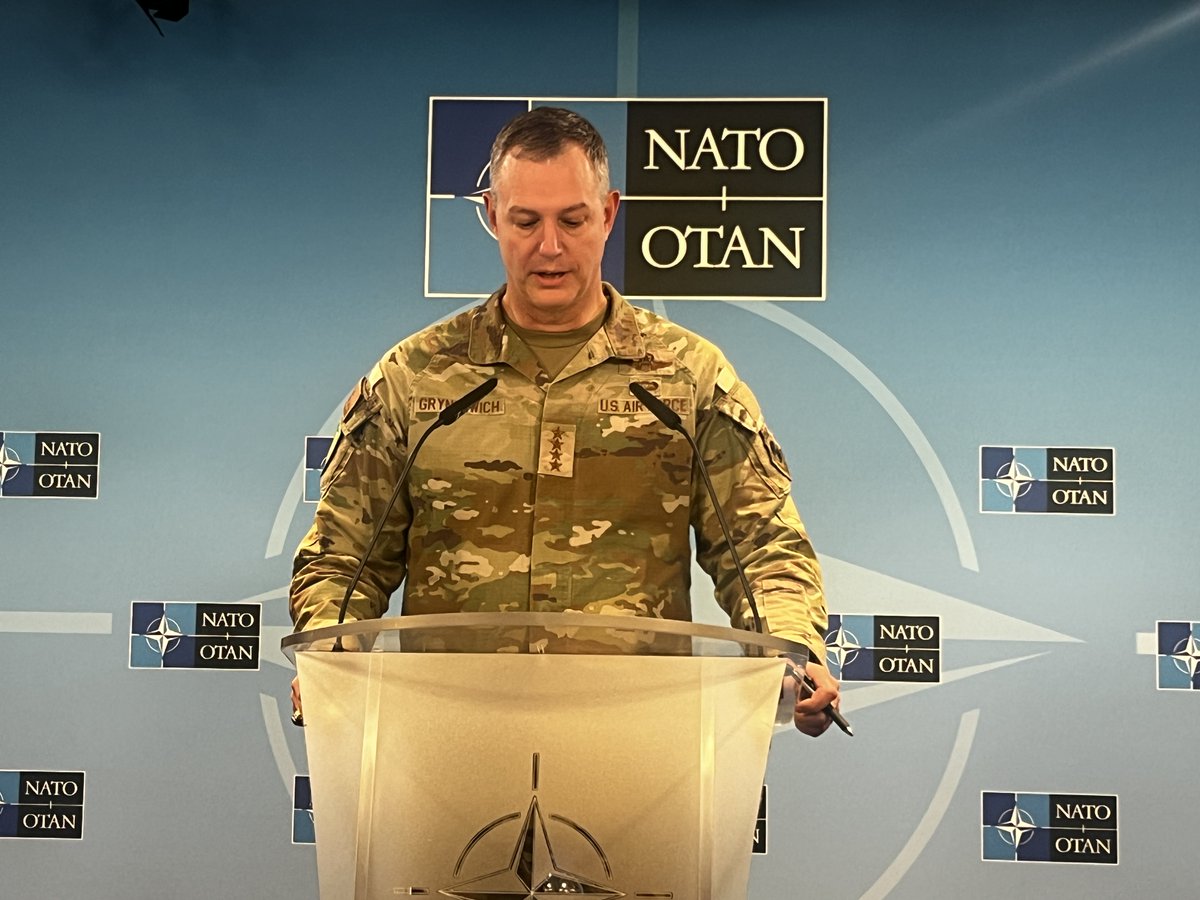
SACEUR Grynkewich says while #NATO's core business is defense, "we also do think about being proactive."
"If Russia is attempting to provide dilemmas to us," he explained, "then maybe there are ways we could provide dilemmas to them."