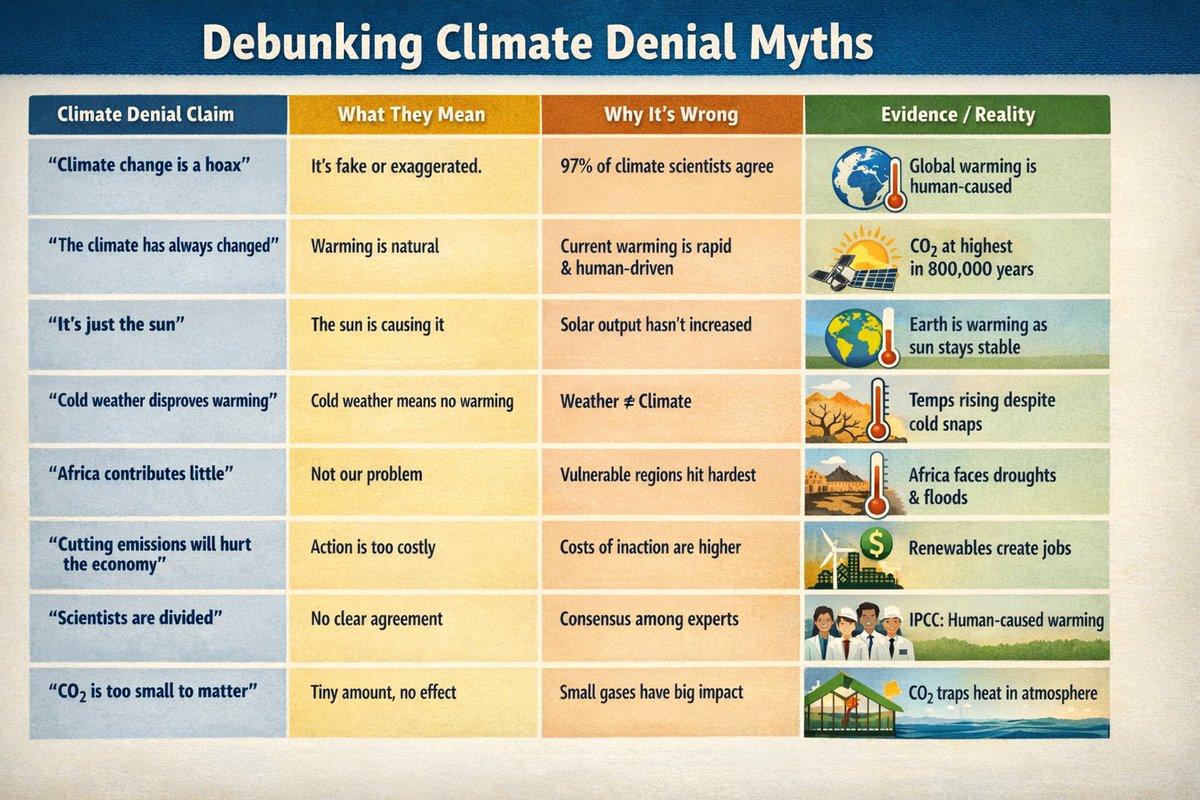
Climate denial isn’t just ignorance—it’s dangerous misinformation. From “it’s a hoax” to “it’s just the sun,” these claims collapse under basic science. The truth? Human activity is driving rapid change, and vulnerable communities are paying the price first. Listen to science. Act with urgency. The cost of denial is far greater than the cost of action.
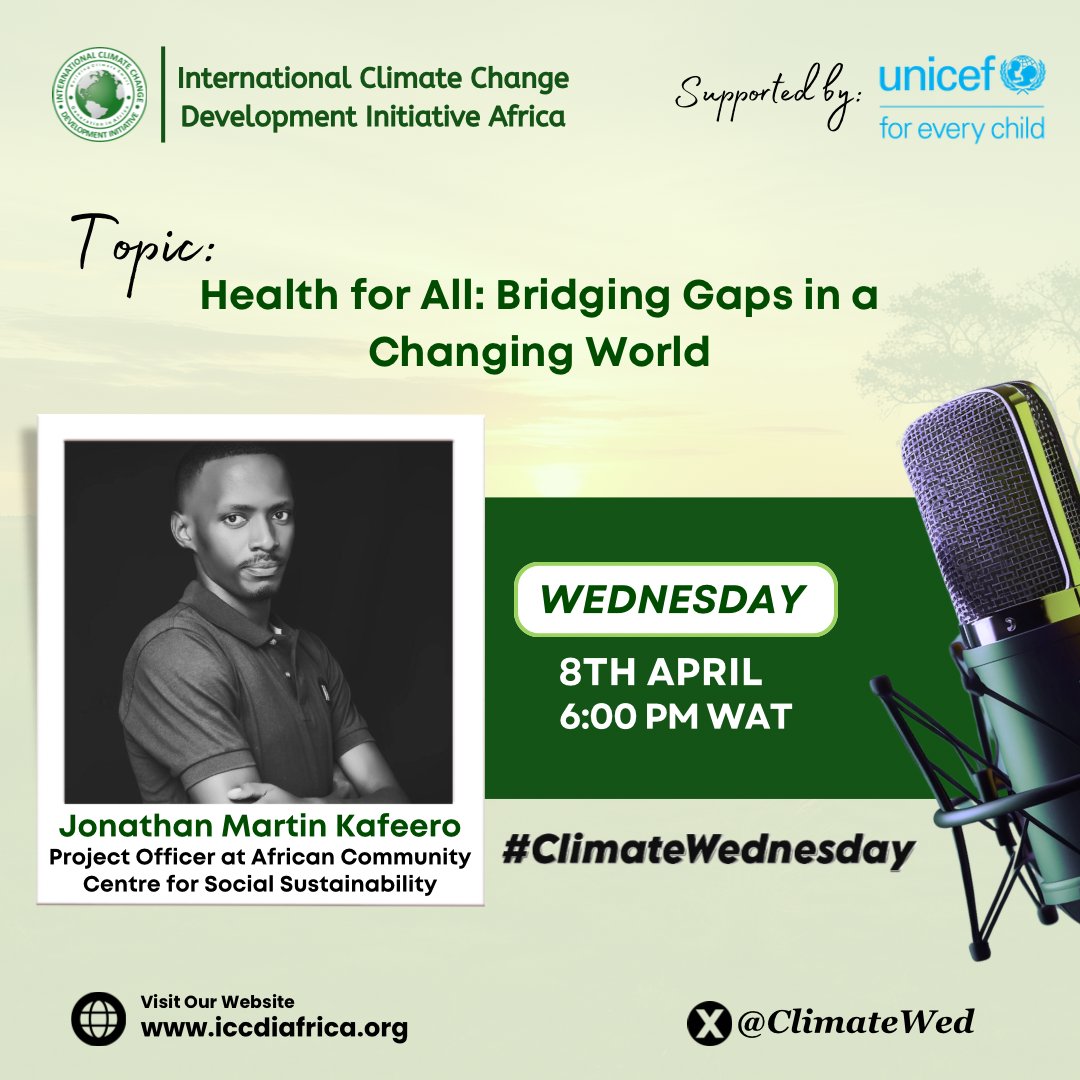
An insightful session today where I shared how climate change is no longer just an environmental issue...it is a public health crisis. It is already affecting how people breathe, eat, and survive, from malnutrition and malaria to COPD and even kidney disease driven by heat stress. In many communities, the greatest burden falls on those with the least resources, where limited healthcare turns preventable conditions into life-threatening ones.
I also highlighted how climate change is deepening inequality, pushing families toward harmful coping strategies like charcoal burning...damaging both the environment and human health. But there is hope. Communities are already leading solutions through clean energy, tree planting, safe water practices, and local innovation.
Listen for more insights and real-life experiences from the discussion-because achieving “Health for All” means protecting both people and the environment.
@GCCMobility@LSHTM_Planet@chris_chemist11@violin4all@MrMatthewTodd@alexatweme@pmagn@UNFCCC@WHO@UNICEF@ClimateDad77@OlumideIDOWU@ClimateWed@theGCF@Greenisamissio1
I’ll be speaking today on “Health for All: Bridging Gaps in a Changing World” as part of the #ClimateWednesday series hosted by the International Climate Change Development Initiative Africa 🌍 🕕 6:00 PM (BST) Join the conversation on climate & health.
https://t.co/DSCD22vF7y
@ClimateWed@chris_chemist11
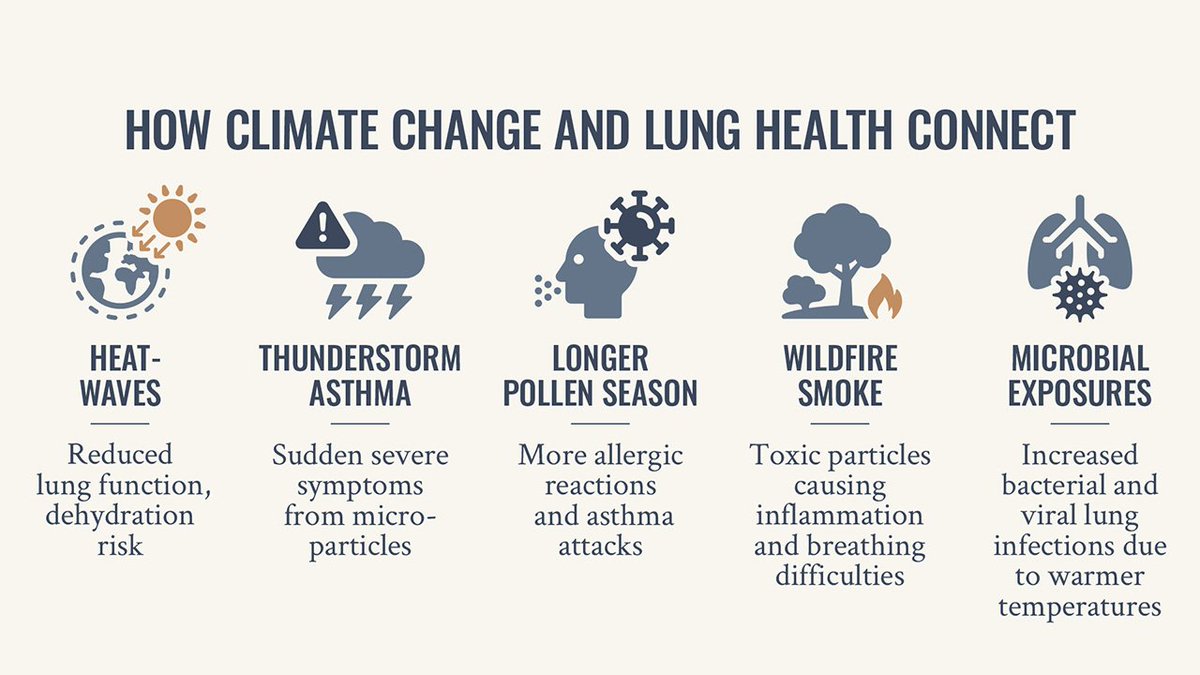
Climate change is not just about melting ice or distant oceans. It is about a mother struggling to breathe during a heatwave. It is about a child coughing through the night when smoke fills the air. When the planet heats up, our lungs feel it first. And the poorest families feel it worst.
When rains come violently, tiny particles rise into the air and trigger asthma attacks. When pollen seasons grow longer, children miss school because they cannot stop sneezing or wheezing. When wildfires burn, smoke travels far - entering homes, classrooms, and clinics. What begins in the atmosphere ends in our hospitals.
And here is the truth: every breath has an economic cost. Families spend savings on inhalers instead of school fees. Health centers stretch limited supplies. Governments spend more treating preventable illness than investing in prevention. Climate change is quietly draining our economies through our lungs.
But this story can change. Investing in clean energy, tree planting, waste management, and sustainable agriculture is not charity - it is health insurance. It is prevention. It is economic wisdom. Every dollar invested in environmental sustainability saves lives and reduces future medical costs.
If we protect the air, we protect our children. If we finance sustainability, we finance survival. Climate action is not an environmental luxury - it is a public health necessity.
@AbiluTangwa@Greenisamissio1@ClimateDad77@UNEP
Europe is being urged to prepare for 3°C of global heating. This isn’t just a European problem -extreme heat, floods, and storms in wealthy nations will trickle down, affecting developing countries through food insecurity, migration, and economic shocks.
Cities, infrastructure, and communities must be made climate-resilient. Flood defenses, drought-proof systems, and early warning networks are urgent. Adaptation in Europe reduces the ripple effects that hit vulnerable nations hardest.
Countries must coordinate globally. Europe’s actions (or inaction) set the tone for the rest of the world. Wealthy nations have a moral responsibility to support climate adaptation in developing countries, through knowledge sharing, finance, and technology transfer.
Governments, businesses, and citizens must act boldly now. Every euro invested in resilience and global solidarity saves lives, protects economies, and secures our shared future. We call on all nations: plan, adapt, and support each other - because climate knows no borders...
@AbiluTangwa@Greenisamissio1@Eco365SI
In Africa, it starts with smoke rising from engines and factories, a silent enemy we cannot see but we breathe every day. Fossil fuels power our cities, our cars, our industries .... yet air pollution kills over 1.1 million Africans every year, mostly from dirty energy sources. That’s not politics .... that’s breath, lungs, and life.
Then the skies change. Heat builds, rains delay, and storms arrive without warning. The land whispers warnings: failed harvests, dried rivers, dying livestock. From Accra to Kampala, from Nairobi to Lagos, climate change becomes a daily headline, not a distant theory. For our farmers, it’s not climate science .... it’s food or hunger, hope or despair.
And when the harvest fails, the people feel it. Maize becomes expensive, beans become scarce, and families skip meals so children can eat. Across Africa, over 280 million people face food insecurity, not because they are weak, but because the climate is wounded. Hunger becomes the echo of environmental harm.
At home, energy becomes a battle of survival. Millions live in energy poverty....dark nights, cold homes, smoke-filled kitchens. Over 900 million Africans cook with charcoal or firewood, breathing toxic smoke that damages lungs and hearts. We do not call it pollution....we call it daily life.
On the roads, the story continues. Cars crowd the highways while pedestrians breathe exhaust and walk long distances. Pollution fills the air, idleness weakens bodies, and slowly, non-communicable diseases rise..... hypertension, diabetes, heart disease ...quietly stealing futures. Our hospitals treat the symptoms, while fossil fuels cause the disease.
And in the end, the trickle becomes a flood. Fossil fuels destabilize our climate, poison our air, raise our costs, weaken our bodies, and break our fields. The victims are not statistics ... they are mothers, farmers, boda riders, schoolchildren, newborns. Africa did not create this crisis, yet Africa carries one of the heaviest burdens.
If you care about Africa’s future, you must care about clean energy, healthy cities, strong food systems, and a stable climate. Our survival is tied to the air we breathe, the land that feeds us, and the energy that powers our dreams.
@AbiluTangwa@alexatweme@LindaEvelyn_N
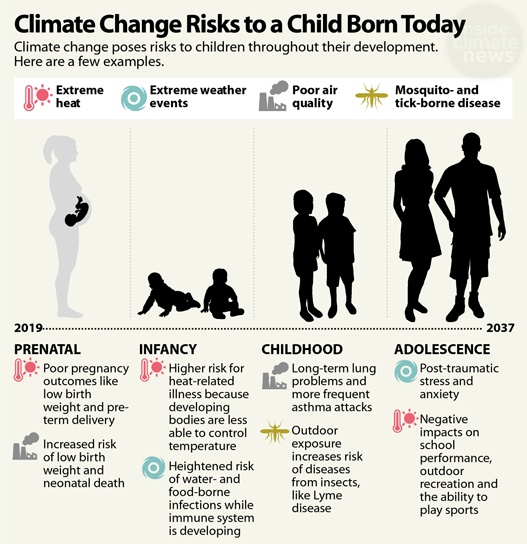
A child born today will experience climate change as a constant force shaping their health, education and wellbeing. The impacts don’t happen in isolation -they create a trickle-down effect across their entire development:
Prenatal: Extreme heat & poor air quality increase risks of low birth weight and preterm delivery.
This leads to vulnerable infants with weaker immunity. Infancy: Babies struggle to regulate temperature, raising heat illness risk. Floods & unsafe water increase infections.Early infections weaken growth and development.
Childhood: Poor air quality contributes to long-term lung problems and repeated asthma attacks. Outdoor climate shifts spread vector diseases.Sick children miss school and struggle academically.
Adolescence: Climate disasters cause trauma, anxiety, and disrupt schooling, sports & recreation.
This affects life skills, confidence, and future opportunities.
Climate change is not a future scenario -it’s a developmental challenge shaping the next generation from womb to adulthood.
Protecting children means acting on climate today-through resilient health systems, clean air policies, and safe environments.
@AbiluTangwa@alexatweme