In a study involving 23 labs, researchers tested various sequencing/bioinformatic approaches for taxonomic profiling of DNA reference reagents consisting of 20 common gut bacteria, revealing the reality of technical bias in the microbiome field. #mSystems: https://t.co/W6zFtW9b3S
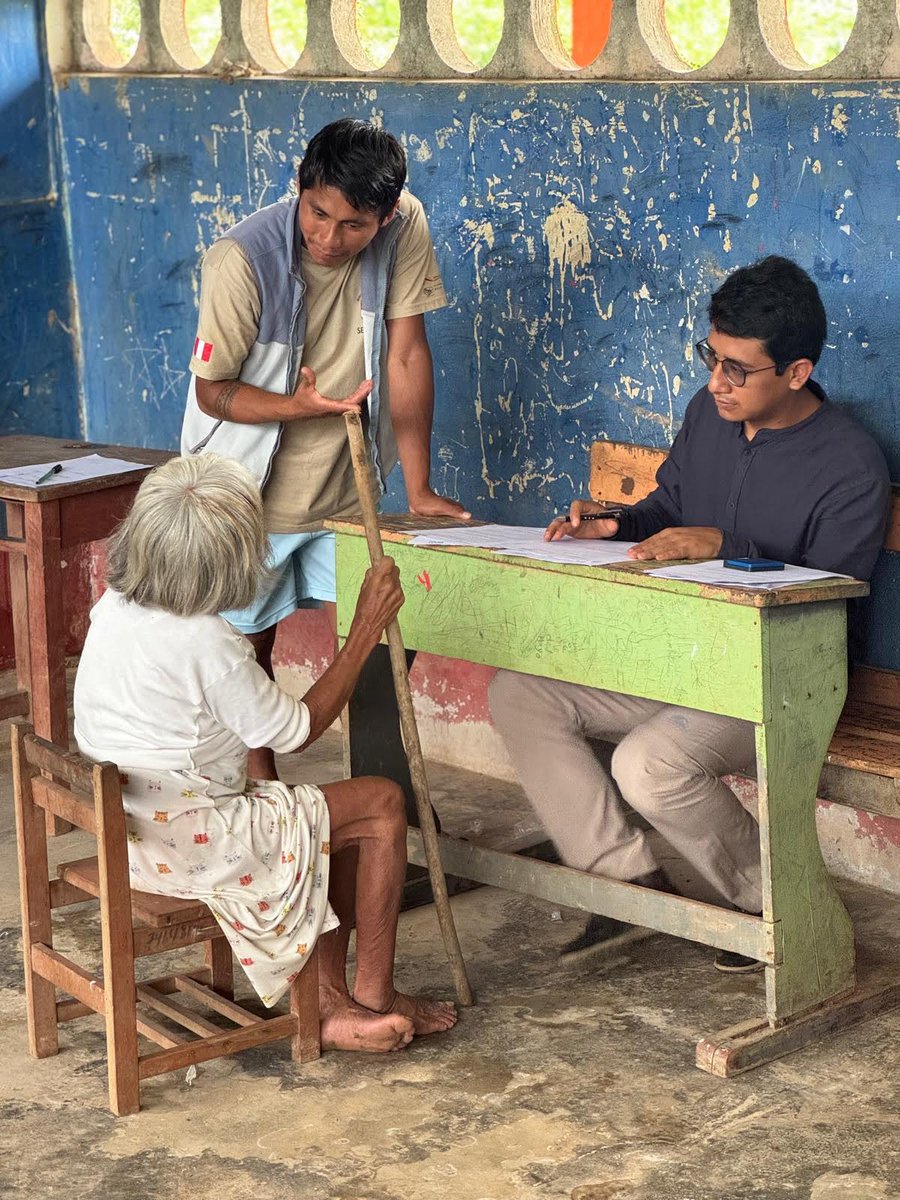
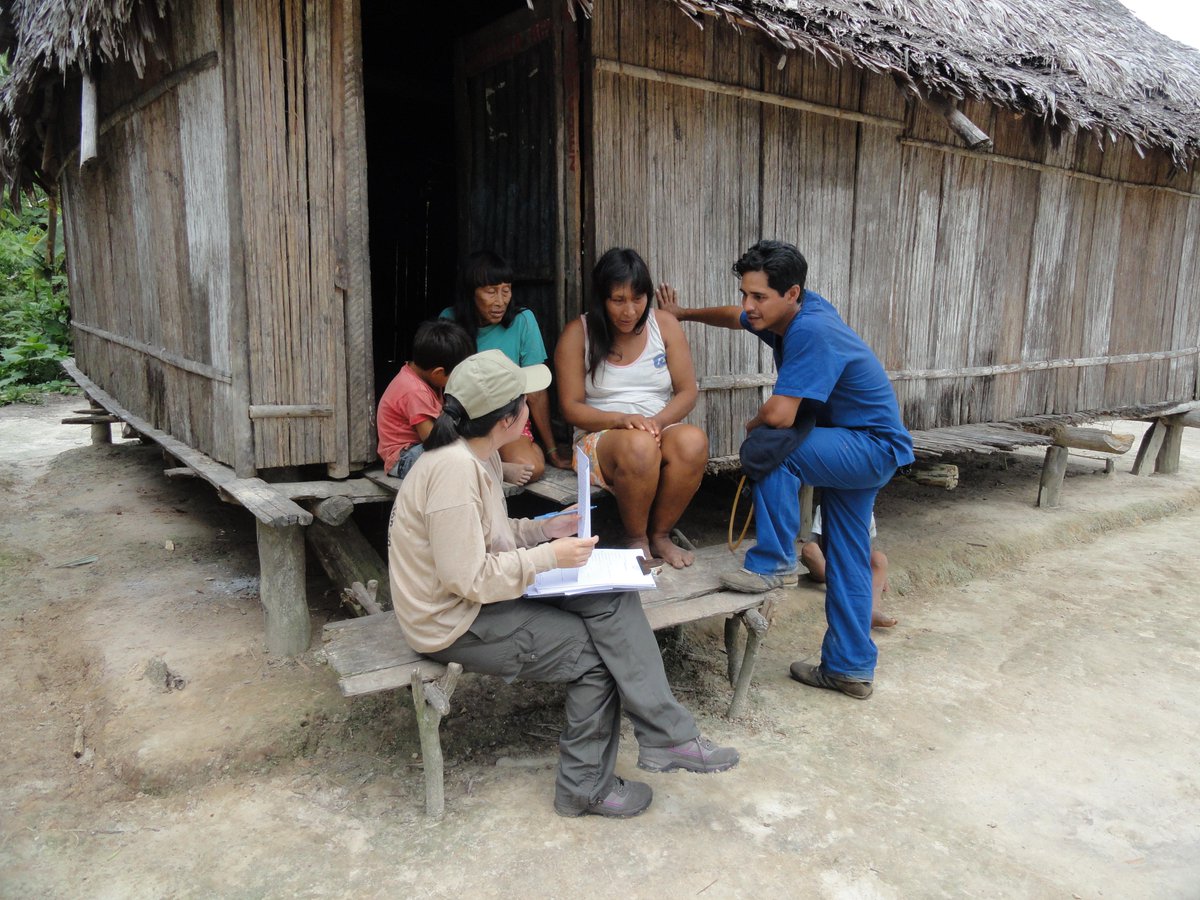
After 15 years of collaborative research, scientists share their framework for building trust with Indigenous communities. https://t.co/zqEbckOX1o
Raul Y. Tito & colleagues
@TrendsMicrobiol
Today we report a compendium of human gut microbiomes with >168,000 samples
We discovered distinct microbiome patterns across the globe, and show we can predict where a person lives just from their gut bacteria
Now out in @CellCellPress
https://t.co/x0IWj0lQuK
🚨 #PhDPosition Opportunity Alert 🚨
Join the Matthijnssens-lab @KU_Leuven to explore the early-life #virome dynamics and their impact on immunity in infants from Ghana & Zambia! 🌍🧬
📅 Start: June 2025
🔗 https://t.co/MOSMtSsWcb
#microbiome#bioinformatics#phage#NGS
Kicking off 2025 with our first Meet the Members Monday! We’re excited to introduce Constance Denoyelle, an early-career researcher and valued member of our #Blastocystis@COSTprogramme! Constance is studying the Blastocystis life cycle and its antioxidant enzymatic machinery!
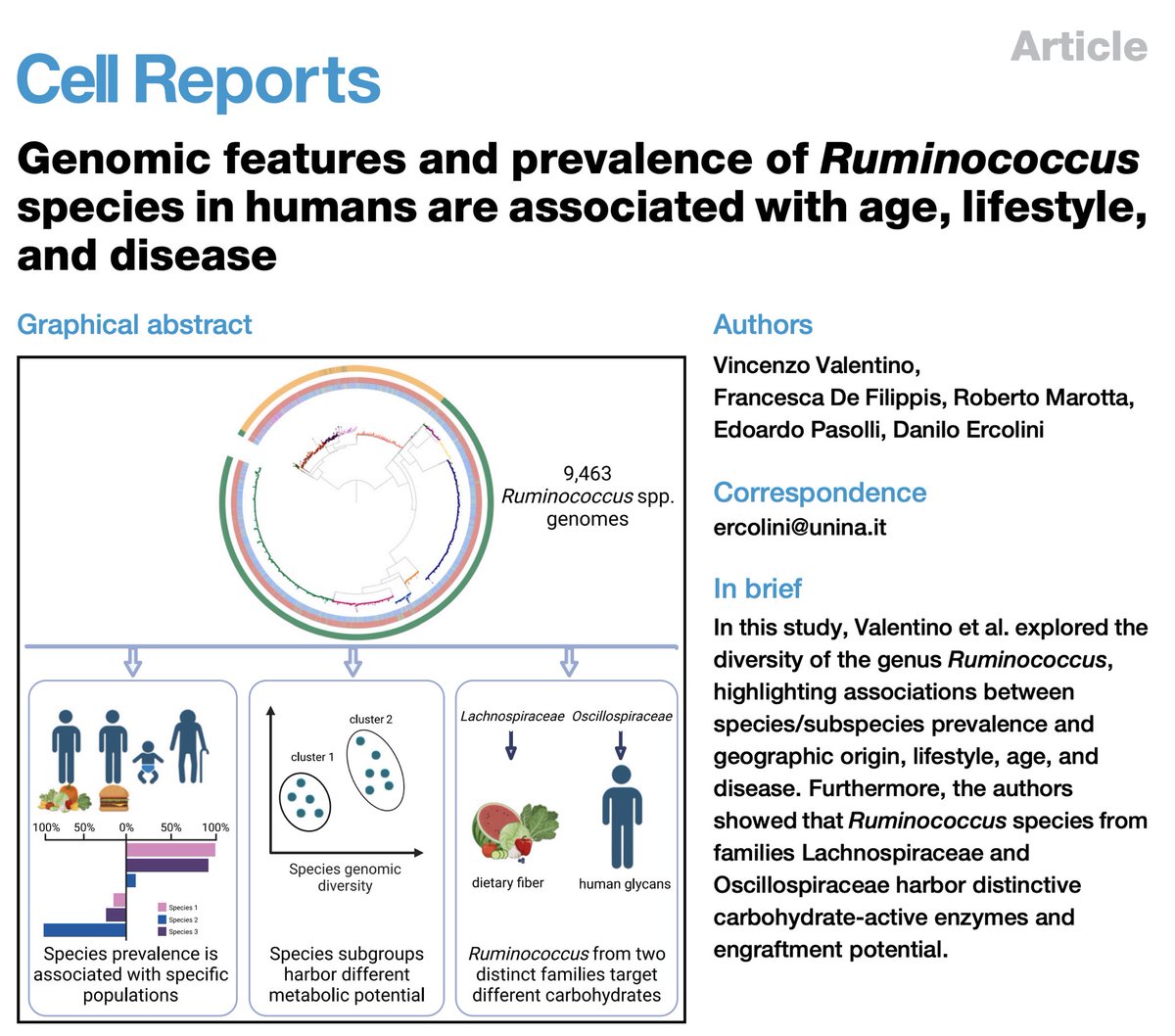
Exploring the diversity of Ruminococcus - important gut microbe and finding those from Lachno and those from Oscillospiraceae having different complex carb degradation potential. New in @CellReports by our team @enzovalentino94@Francy0870@epasolli
La COP-16 del Convenio sobre la Diversidad Biológica aprobó la operatividad del mecanismo multilateral creado para repartir los beneficios derivados de las secuencias genéticas publicadas en internet. Aquí un resumen
https://t.co/71S7R7G1as
𝗡𝗢𝗣𝗘: 𝗢𝗮𝘁 𝗠𝗶𝗹𝗸
It’s not “oat milk,” it’s “canola oil with oat flavoring.” Full of enough emulsifiers to make it viscous and wreck your microbiome. A gross, fake attempt at substituting dairy.
Debate 08: Gut Microbiome in Rheumatic Diseases – Revolutionary or Fake News?
Join us at #CORA2025 to find out!
💥 Speakers: Francesco Ciccia (Italy) vs. Zoltan Szekanecz (Hungary)
🗓️ Friday, 07.03.2025 at 10:45
Learn more & secure your spot today: 🔗 https://t.co/FktRU9NfaY
To bring our findings to life, we've created an animated video illustrating how pks⁺ E. coli drive colon cancer through adhesin-dependent binding mechanisms. Thanks to @crighent for co-funding this animation @nymus3d@MaudeJans@RemautHan
https://t.co/2TnNhvrkD6
Poor QC, failure to understand the data, the confounders/colliders, apply the statistical test most appropriate for the data, not enough collaborative input from those that generate/understand the methodology/data and its pitfalls/biases etc. I think most people set out to find genuine novel results (minus the obvious bad actors) as that’s the real motivator for most.
Why are bioinformatics results so full of false positives?
I've been thinking about this for a few years: the incentives in the field are to produce false positives
(link in next tweet)
Exciting collab with @Honda1Kenya’s lab, out today in @Nature: A set of microbial strains taken from a human faecal donor can decolonize multidrug-resistant Enterobacteriaceae in the gut, including species associated with #IBD. (1/3) https://t.co/mueHnfwS1c
An extensive archaeological dental calculus dataset spanning 5000 years for ancient human oral microbiome research https://t.co/9xnL9QR3te #biorxiv_micrbio
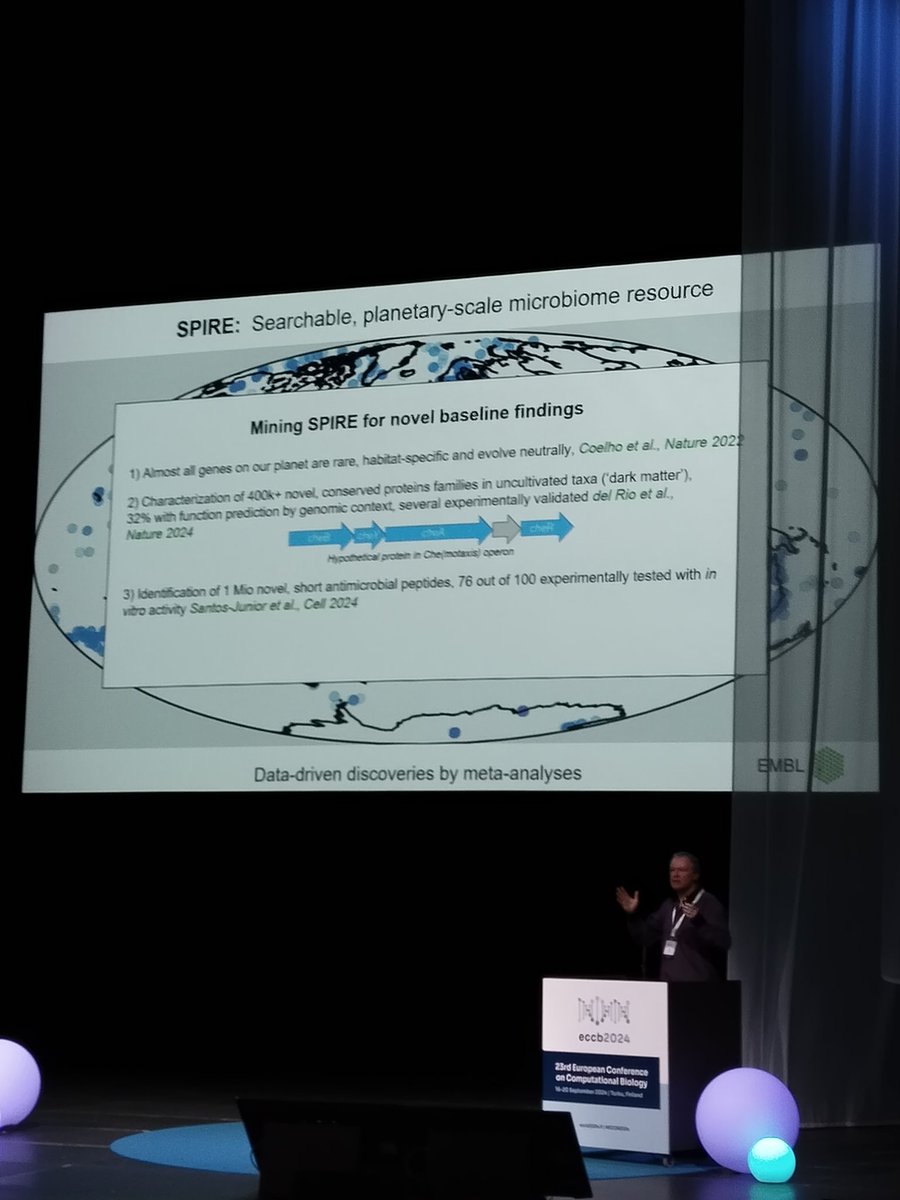
Great keynote talk today by @BorkLab this morning at #ECCB2024 !
It was exciting to see our work on the global microbiome, novel gene family characterization and antimicrobial peptide discovery highlighted @jhcepas@luispedrocoelho@celiodiasjunior