La solar y la eólica están siendo tal éxito en Alemania que están llevando a una paradoja: tienen que desconectarse https://t.co/szIOhuI4yZ
#XatakaCiencia
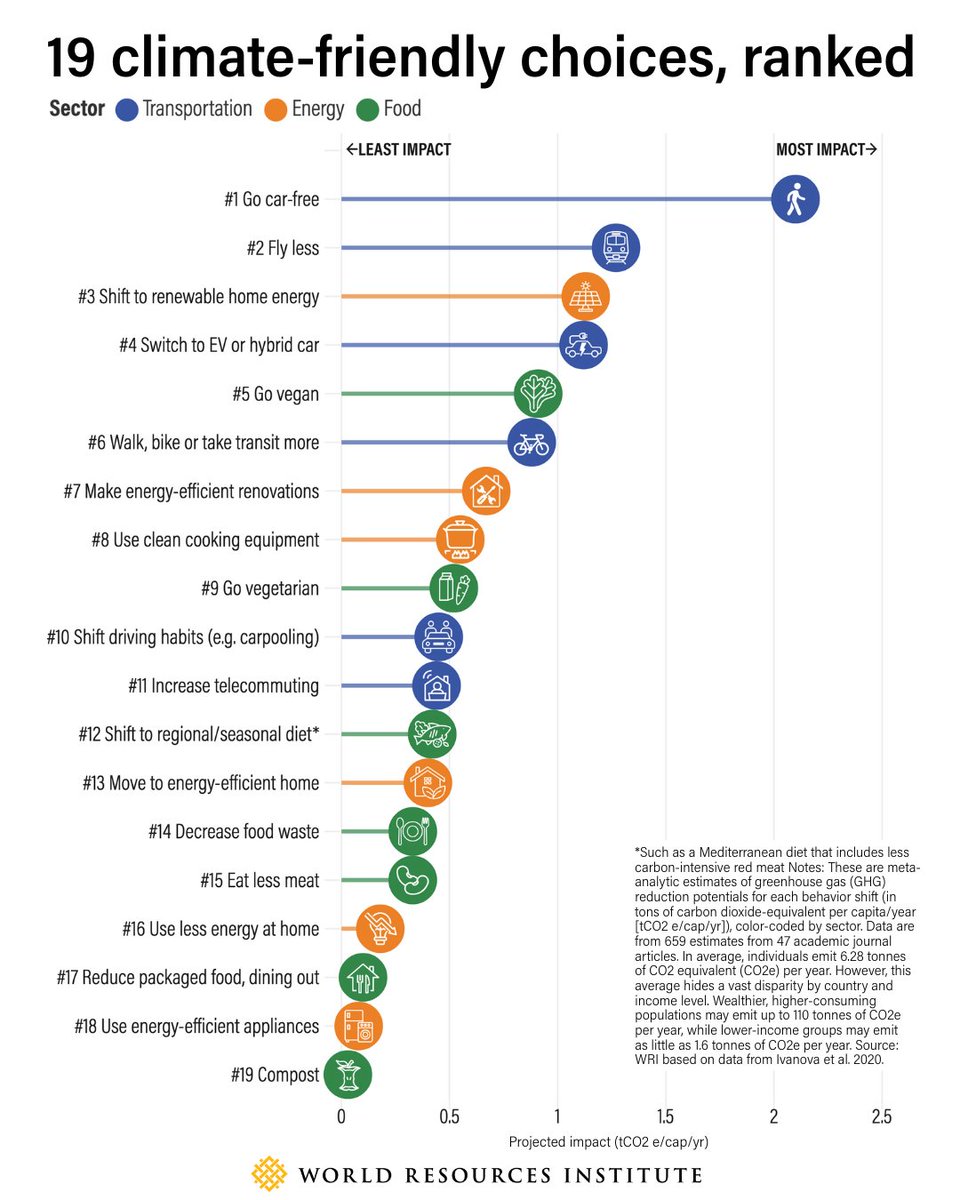
When it comes to climate change solutions, it's true that governments and big businesses hold the most power.
But there's a lot we can do, too. The trick is knowing what to prioritize. That's why we ranked the 19 climate-friendly choices, with data from 47 academic journal articles: https://t.co/cTS67l0jP3
Students shouldn’t just learn about the world — they should help improve it.
Join the #cropsCSMOOC to engage them in citizen science for #EUMissions on:
🌿Climate
🧬Cancer
🌊Oceans
🏙️Cities
🌱Soil
📅 Starts Oct 13 — Register now👉https://t.co/8CesXY6D6n
@cropscs@Scientix_EU
Con esta imagen del modelo digital de elevación se puede ver toda la extensión del humedal Torca-Guaymaral (área azul). La autopista pasa a lo largo de casi todo el humedal (Hoy los separadores siguen siendo parte del humedal).
Si no se construye un viaducto, una gran parte del humedal se va a perder, el exceso de agua va a buscar un nuevo espacio, incrementando el riesgo de inundación en otras áreas cercanas al humedal.
Las obras que se diseñen deben tener un enfoque de adaptación al cambio climático.
DEM: IGAC.
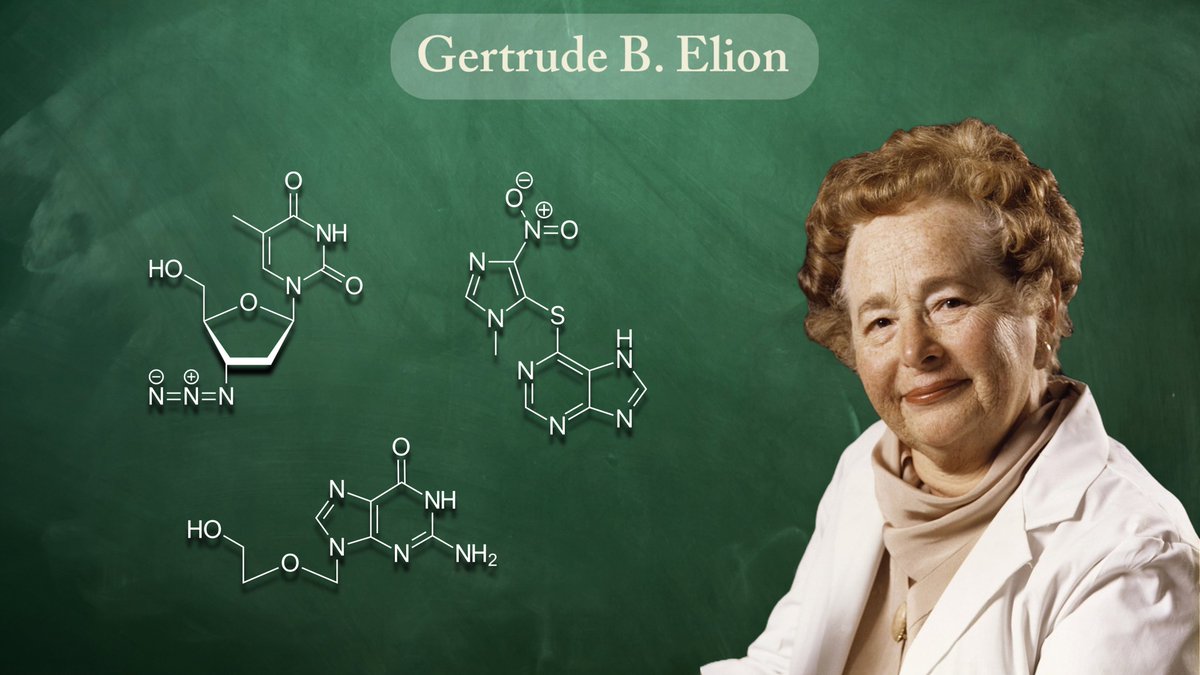
This Scientist Sunday goes to Gertrude B. Elion (1918-1999). Elion was an American biochemist and pharmacologist, renowned for her groundbreaking work in drug development. Elion contributed to the development of a multitude of new drugs: ⬇️(1/5)
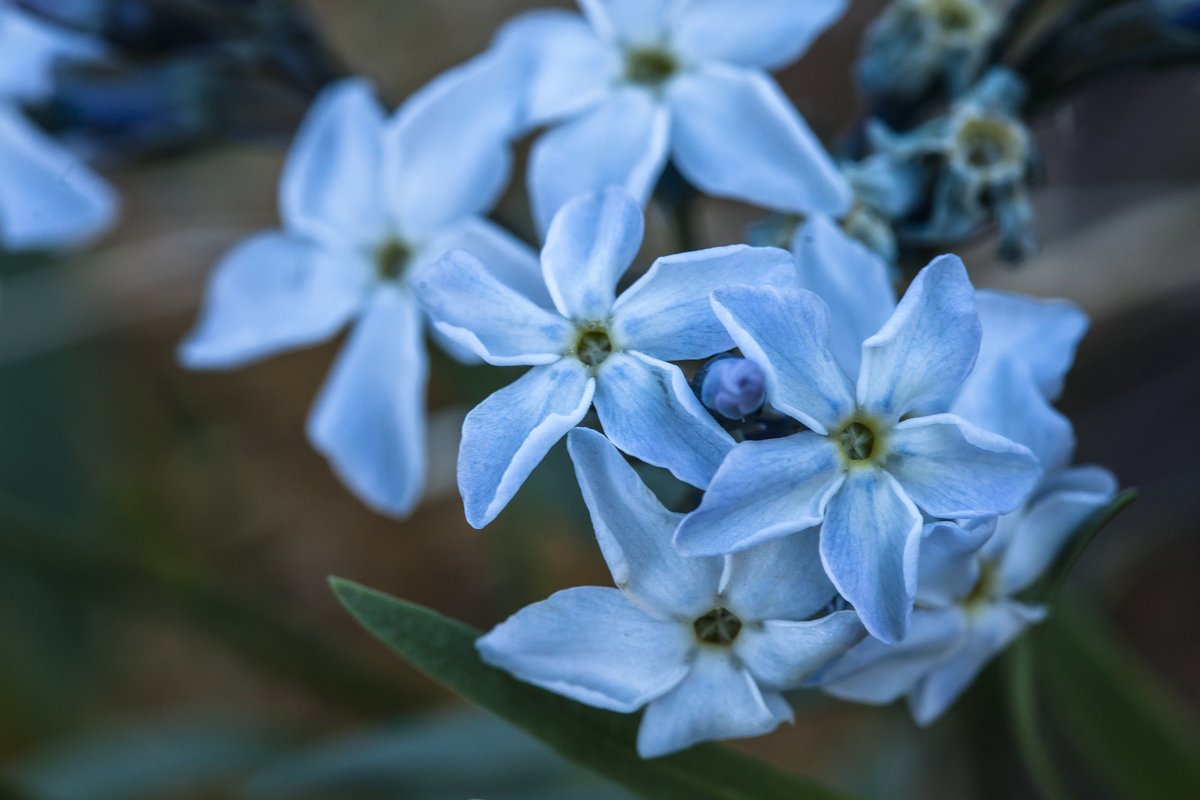
Amsonia tomentosa, also known as woolly bluestar and gray amsonia, is native to the southwestern United States and northern Mexico.
📸: NPS/Jacob W. Frank
¿Esta nuestro planeta enfrentándose a peores eventos meteorológicos? ¿Son más catastróficos, frecuentes y extremos? ¿qué podemos esperar de cara al futuro?
El reciente desastre de la #DANA nos hace plantearnos estas preguntas.
Lo intento explicar de forma sencilla en este hilo 👇
De nuevo una famosa corriente oceánica vuelve a ser noticia. Un nuevo estudio, analiza los efectos del freno y colapso de esta poderosa corriente y su impacto en el clima.
Pero ¿qué es, por qué es tan importante y que podría pasar?🌊👇
From carpenter bees to cuckoo bees, there are many more species than the well-known honey bee.🐝🍯
Explore some of the #bees of North America with @NWF
👉https://t.co/Sjw6Obc2Th
📚 ¿Escribir artículos científicos parece un desafío de otro mundo?
¡Tranquilos, jóvenes investigadores!
Aquí la solución: una guía infalible para escribir artículos de investigación espectaculares.
♾️ https://t.co/vnKbVIh9sp
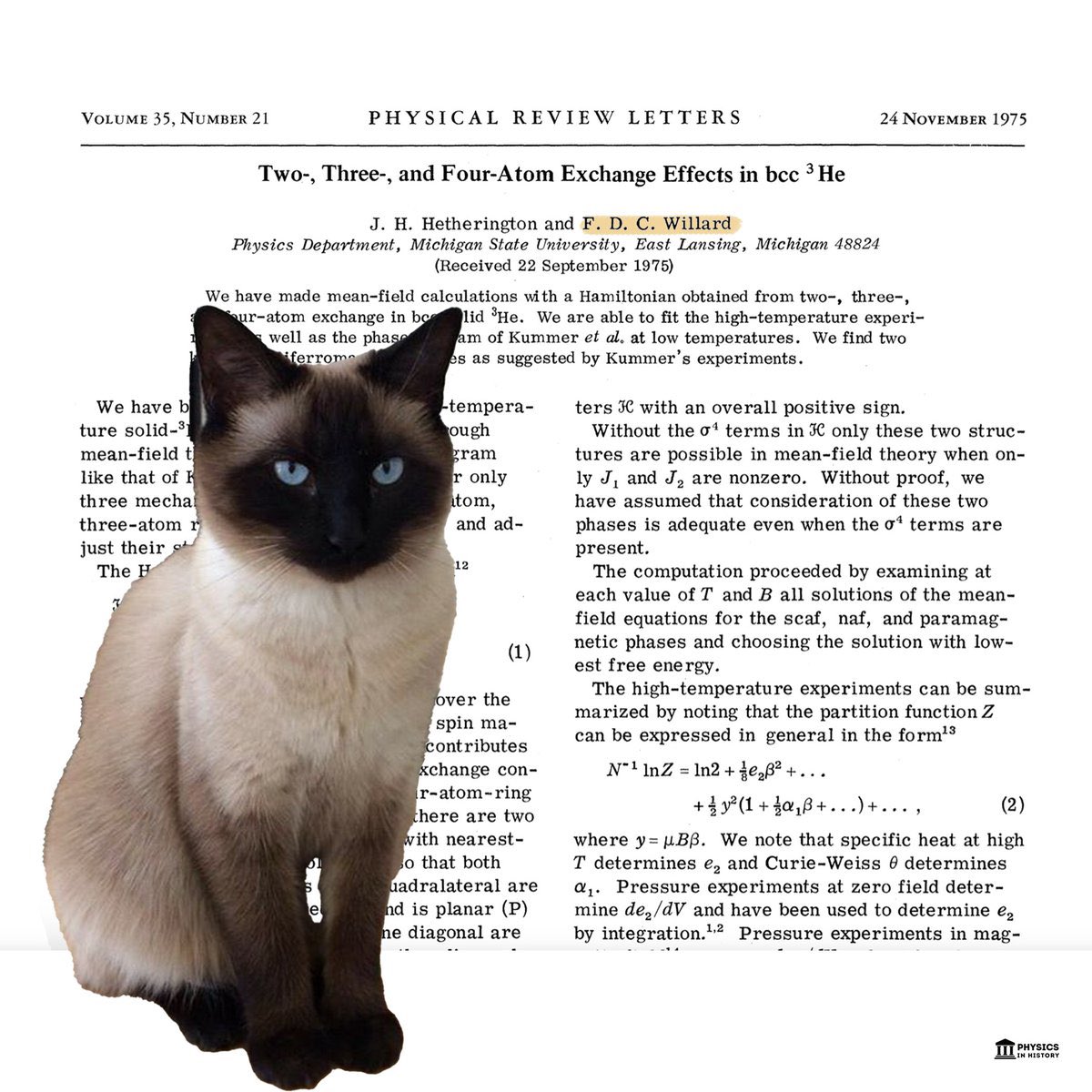
A cat co-authored a scientific paper in 1975, when his owner, a physicist named Jack H. Hetherington, decided to add him as a second author to avoid changing the plural pronouns in his manuscript. The cat’s name was Chester, and he was given the pen name F.D.C. Willard, which stood for Felix Domesticus, Chester. Willard was also the name of Chester’s father. The paper was about atomic behavior at different temperatures, and it was published in Physical Review Letters, a prestigious physics journal.
Chester’s co-authorship was revealed when Hetherington sent some signed copies of the paper to his friends and colleagues, and included the cat’s paw prints as his signature. The story became widely known and amused many people in the scientific community. Chester even published another paper as the sole author in 1980, in a French popular science magazine. He died in 1982, but he is still remembered as the first and only cat to have authored a published scientific paper.
Monarcas en peligro 🦋⚠️
Un estudio anual muestra que en 2024 las poblaciones de mariposas monarca migratorias disminuyeron 59% con relación al invierno anterior. ¿A qué se debe? Lee aquí la nota completa ➡️ https://t.co/MVyAazmj1M
🏔️ ¡Feliz #DíaInternacionalDeLasMontañas! 🙋♀️🙋♂️ Si como nosotros también amas las montañas no te pierdas este hilo con datos de interés sobre ellas 👇
¿Has escuchado sobre los Ríos Voladores? 🍃🌽🦋
Son flujos aéreos masivos de agua en forma de vapor que vienen del océano Atlántico tropical y son alimentados por la humedad que evapora de la Amazonía.
¡Descubre cómo funcionan y por qué son tan importantes!
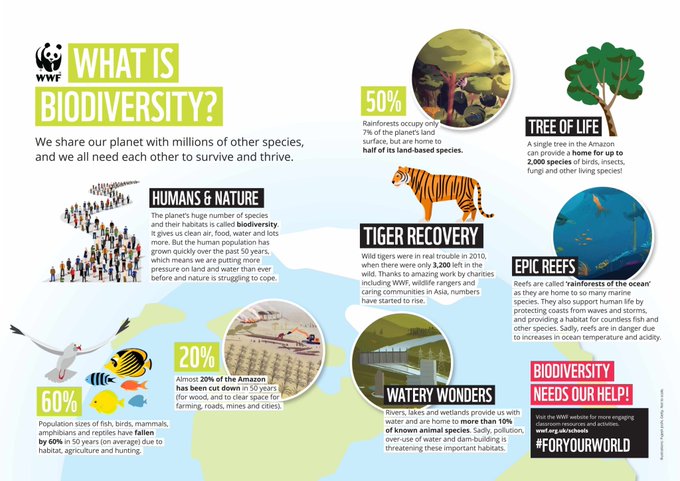
Biodiversity is crucial to the future of all life on the planet and is fundamental to sustainable development. 🌎🌿
Ahead of the #GEFassembly2023 taking place this month, learn about #biodiversity through this @WWF infographic 👇
🥰Con todo cariño y gusto les comparto la biblioteca sobre cambio climático y DDHH actualizada a 2023 🌿
Con una carpeta nueva sobre interseccionalidad 🔦
Son más de 400 artículos y documentos que espero aporten a sus investigaciones y trabajos 🤓
🔗⬇️
https://t.co/Lluwy49kDp
En el planeta hay 50 mil millones de aves distribuidas en más de 10 mil especies. Esa diversidad, y más, estudia la #ornitología.
https://t.co/2hsTCNRBhV