Very pleased to share this new commentary on the extraordinary biology of resident tissue macrophages (RTMs). RTMs are the most evolutionarily conserved immune cells. They emerged before adaptive immunity and blood circualtion (1/4) https://t.co/9t0FmXz3jt
BREAKING NEWS
The 2025 #NobelPrize in Physiology or Medicine has been awarded to Mary E. Brunkow, Fred Ramsdell and Shimon Sakaguchi “for their discoveries concerning peripheral immune tolerance.”
IL-1- and IL-6-related systemic inflammation in #COVID19 is associated with #microglia dysfunction, neurovascular inflammation, and focal neuropathologies
@DenesLab
https://t.co/6PMgfEAZnc
Now online! Differential contributions of fetal mononuclear phagocytes to Zika virus neuroinvasion versus neuroprotection during congenital infection https://t.co/vsFeur4Z0e
What is the most common type of mutations, causing cancer and genetic diseases? C to T mutations in CpGs: Signature 1.
What is the best understood mutational signature? Signature 1. Or is it?
Results of over 8 years of our work is finally out! 🧵1/
https://t.co/ltV88qDKC0
BREAKING NEWS
The Royal Swedish Academy of Sciences has decided to award the 2024 #NobelPrize in Chemistry with one half to David Baker “for computational protein design” and the other half jointly to Demis Hassabis and John M. Jumper “for protein structure prediction.”
BREAKING NEWS
The 2024 #NobelPrize in Physiology or Medicine has been awarded to Victor Ambros and Gary Ruvkun for the discovery of microRNA and its role in post-transcriptional gene regulation.
@LabRuzek is thrilled to have been part of this fascinating study, revealing that autoantibodies against type I interferons may lead to a more severe course of tick-borne encephalitis. #TBE#Autoantibodies#InnateImmunity 🧠🦠🔬
🚨 Exciting News! Proud to announce the release of our latest publication 📚🎉. A big thank you to my fantastic co-authors @OliviaLuiseGern, @andrpavlou,@2ena_mb, @Abaa14,Inken for your dedication and incredible contributions!🙌 🙏
https://t.co/apnp97r3lz
(1) We are happy to share our new study, “SARS-CoV-2 brainstem encephalitis in human inherited DBR1 deficiency” @JExpMed! https://t.co/WIRWBLH9RJ. Accumulation of RNA lariats results in impaired antiviral immunity in hPSC-derived hindbrain neurons, underlying encephalitis. https://t.co/UI6M7bwnxt
Our review in viral encephalitis is finally out, focusing on myeloid and CD8+ T cell activation, on the mechanisms of their recruitment within the infected CNS and on the current knowledge in the field of virus infection and neurodegeneration.
https://t.co/OAmdZBUcOs
Very excited by our results @Nature showing that IL4R signaling is strongly enriched in myeloid cells that infiltrate mice and lung cancer lesions https://t.co/Nnjc7ue96y
BREAKING NEWS
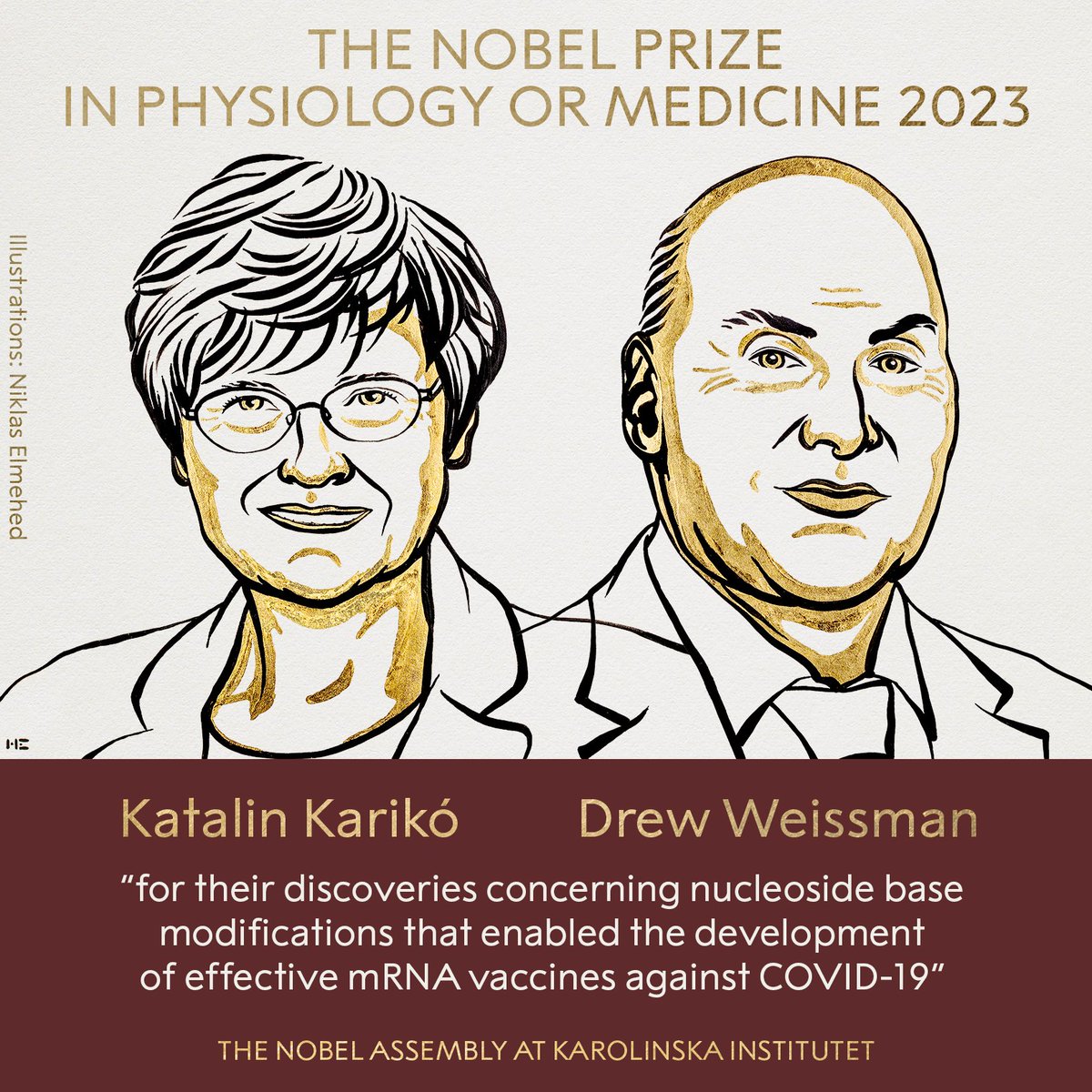
The 2023 #NobelPrize in Physiology or Medicine has been awarded to Katalin Karikó and Drew Weissman for their discoveries concerning nucleoside base modifications that enabled the development of effective mRNA vaccines against COVID-19.
I am thrilled to share the insights in our recently published research article in GLIA; "Dynamics of reactive astrocytes fosters tissue regeneration after cuprizone‐induced demyelination".
Special thanks to all co-authors. @TWINCOREtweets, @MHH_life
https://t.co/KbT8EAhts0
Happy to share our new study: encephalitis and poor neuronal death–mediated control of HSV-1 in human inherited RIPK3 deficiency. @SciImmunology (https://t.co/eTq6qaTk4C). Cell death-mediated antiviral immunity is non-redundant in natura. THANKS to all collaborators!
News from the #jGfV:
have you ever wondered how to do a specific method in the lab or do you like to learn from other scientist’s hands-on experience? Check out the “How to…” lecture series starting soon!
(HMB)
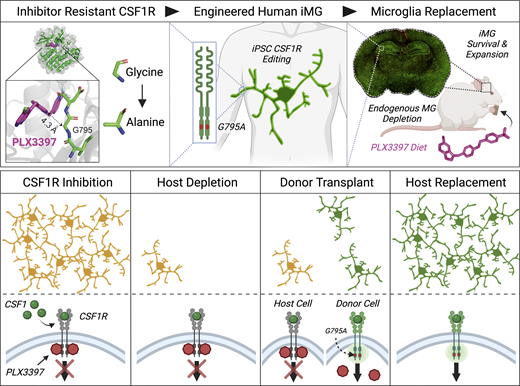
Ending 2022 on a high note with the Bennett Lab’s first paper! Excited to finally share this work! TLDR: We (@FChrisBennett and @BlurtonJonesLab) engineered an inhibitor-resistant human CSF1R variant that can be used for microglial replacement. 🧵 below.