Cal Newport on how to improve learning and retention with active recall:
- Active recall means closing your notes and trying to reconstruct what you just read or studied from scratch, as if teaching it to someone else.
- Highlighting and underlining create the feeling of learning without the retention. Stepping away from material and trying to remember it first is what actually locks it in.
- It is mentally taxing but time efficient: a few focused hours of active recall can replace days of passive re-reading.
- For math and technical subjects, a blank sheet of paper is the tool: attempt the proof or problem from scratch, then check. If you can do it, you know it.
@hubermanlab
Dostoevsky was 28 when they stood him in front of a firing squad. Blindfolded. Hands tied. He could hear the rifles being loaded.
At the last second a messenger on horseback arrived. The Tsar had commuted the sentence. The entire execution was staged. Psychological torture designed to break him.
It worked. He had a seizure on the spot.
They sent him to a labour camp in Siberia. 4 years. Freezing. Starving. Sleeping on wooden planks next to murderers. His epilepsy got worse. He had no paper. No pen. Nothing.
When he got out he was broke. His first wife died. His brother died. He inherited his brothers debts. He was so desperate for money he signed a contract with a publisher that would have given away the rights to everything hed ever write if he missed the deadline.
He wrote The Gambler in 26 days to make it. Dictated it to a 20 year old stenographer named Anna. Married her three months later.
Then the real work started. Crime and Punishment. The Idiot. Demons. The Brothers Karamazov. The greatest novels in the history of the Russian language. Maybe any language.
The man who stood blindfolded before the firing squad, who convulsed on the ground while soldiers watched, who slept next to killers in Siberia for 4 years, who was buried in debt and grief.
That man wrote: "every minute can be an eternity of happiness."
He earned the right to say it.
its never over. never give up fren.
@_ruinacircular Interesante, dicen que Borges aborda mucho eso, el infinito. Hace poco leí que el científico que descubrió la neurona de Jennifer Aniston lo hizo a través de Borges, con funes el memorioso. De alguna manera, me voy acercando con mis lecturas a este “tiempo” o lo “infinito” (…)
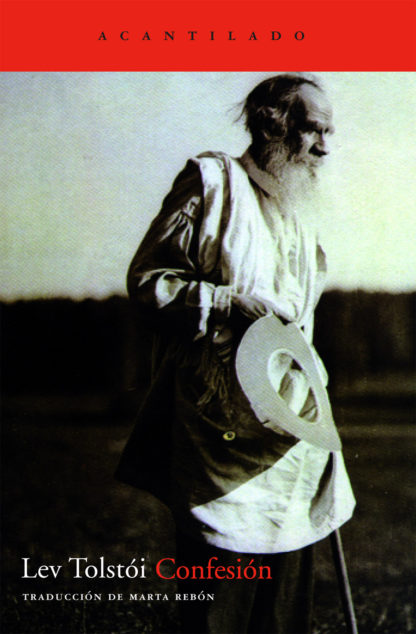
@FuegoEscribe@FJramone1 Interesante, te recomendaría leer la época de 1884 hasta su última obra que es: “El camino de la vida”, ya que Tolstói se arrepiente de esa faceta de escritor. En Confesión y El camino de la vida, diría que están presentes sus verdaderas inquietudes y su “yo” verdadero.
@FuegoEscribe@FJramone1 ¿Qué libro leíste para decir que Tolstói es exterior? al final toda la literatura rusa se resume en el alma rusa y los conflictos que la sociedad tenía.