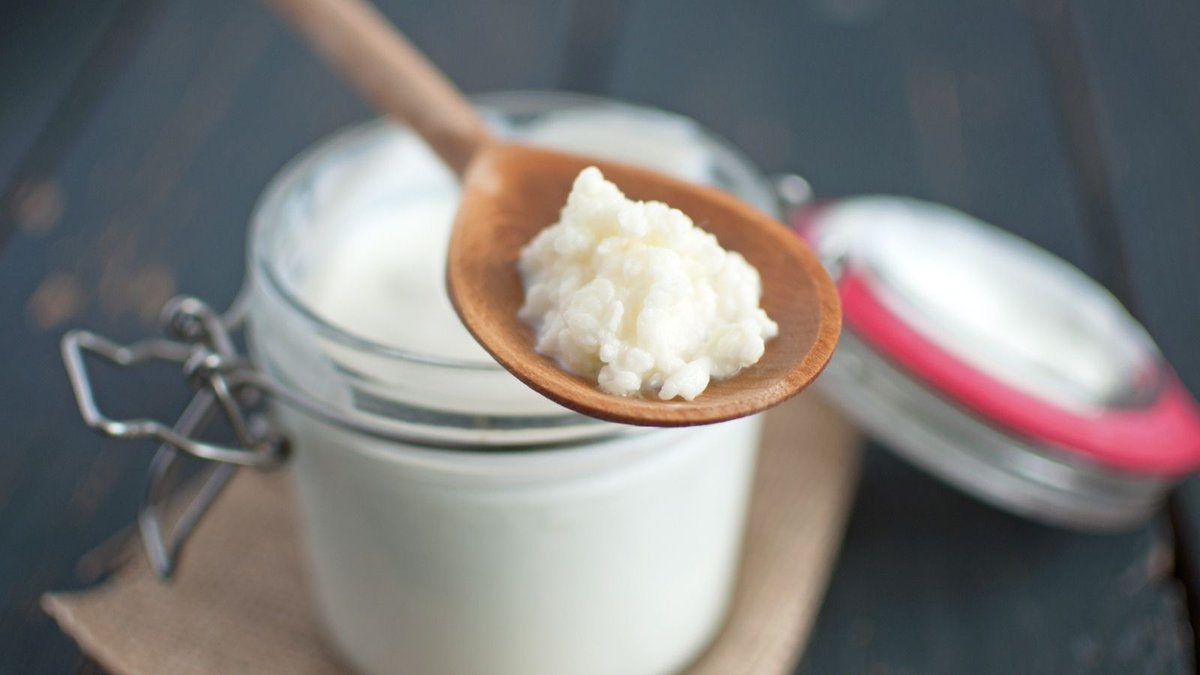
@_donutninja This is 36 hours, made in oven. (heating at 300 for 1 min every 4 hrs, wrapped in towel, no peeking). 🙄PIA old school method.
Inulin powder for "feed", 1/2 and 1/2 for liquid, 10 tablets of Biogaia L. Reteuri for culture.
I've not tried Gasseri yet.
Trying to make yogurt, again. One of the farm store customers that has a standing weekly order with me shared some yogurt starter and the food it needs with me. I am following her instructions to the letter. Fingers crossed I will have yogurt in 36hrs!
VITAMIN D AND VAGINAL HEALTH
The vagina has its own microbiome. When healthy, it contains a large number of microbes such as Lactobacillus crispatus, Lactobacillus gasseri, Lactobacillus iners, and Lactobacillus jensenii. These bacteria influence the production of lactic acid,
Fauci has been assaulting nature since put in charge of biodefense by Dick Cheney. He wants to vaccinate all animals on Earth. He would probably vaccinate plant life.
His core idea is to use a yogurt maker as a bacteria amplifier for specific strains of probiotics.
He typically picks strains with clinical backing for gut repair, e.g., Lactobacillus reuteri, L. gasseri.
Probiotics vs Stomach Acid Drugs for Acid Reflux-Comparing and Contrasting Risks vs Benefits
Probiotics for acid reflux are relatively new on the scene, but new research shows that certain types of beneficial bacteria help with many aspects of digestive health, including reflux and heartburn.
To date, 8 major strains of probiotics have been studied for use in acid reflux, and I will review those for you here along with brands that have these strains and also are high-quality brands of probiotics.
I will also review the potential benefits of probiotics in gastroesophageal reflux disease and other treatments for acid reflux.
What is Acid Reflux?
According to the World Journal of Gastrointestinal Pharmacology and Therapeutics, gastroesophageal reflux disease (GERD) is troublesome symptoms sufficient to impair an individual’s quality of life or injury or complications that result from the retrograde flow of gastric contents into the esophagus, oropharynx, and/or respiratory tract.
In contrast, acid reflux can occur occasionally and isn’t as serious as GERD; most people experience acid reflux symptoms at least a few times a year due to lifestyle factors.
Acid reflux symptoms include:
➡️Feelings of heartburn
➡️Indigestion
➡️Bloating
➡️Burping
➡️Swallowing difficulties
➡️Nausea
➡️Cough
➡️Sore throat
➡️Burning in the esophagus
➡️Need to clear the throat frequently
➡️Ulcers and bleeding
GERD can be serious and should be evaluated by your doctor or healthcare practitioner.
However, there are some important lifestyle habits that can naturally reduce acid reflux symptoms. And the fact is, reflux isn’t always caused by too much stomach acid and common medications like proton pump inhibitors (PPIs) may not be needed.
It can be caused by many factors other than too much stomach acid.
Just so you know, functional dyspepsia and acid reflux are often one in the same thing as far as symptoms go.
What Causes Acid Reflux?
Acid reflux or heartburn, is really common, but not for the reasons many people think.
According to the National Institute of Diabetes and Digestive and Kidney Diseases (NIDDK), about 1 in 5 people have this frustrating condition of GERD, while even more people have occasional acid reflux or heartburn.
These conditions can be caused by hiatal hernia, medications like ibuprofen, and genes, but there is definitely more to the story for most people.
It’s tempting to blame heartburn and acid reflux on genes, but the truth is, the reason GERD is so common now is that it often boils down to unhealthy foods that you are eating or stress (or both).
Food Triggers and Eating Habits
Some of the obvious food triggers for acid reflux are hot peppers, spicy foods, caffeine, and tomato sauces. However, it is often other foods or beverages that are causing reflux like dairy, gluten, fried foods, sugar, and alcohol.
These foods and beverages can cause the lower esophageal sphincter, or valve, to relax and open up, which causes acid and food contents to back up into the esophagus. They can also throw the microbiome out of balance.
Food sensitivities can cause inflammation and result in indigestion. When foods aren’t properly digested, they are more likely to flow back into the esophagus.
Many people also eat too fast, too, causing the stomach to be overloaded, resulting in reflux. Thoroughly chewing your food will help reduce your heartburn and indigestion by simply helping to break down your food before it hits your stomach.
Chewing foods well and avoiding trigger foods eases all aspects of digestive health, by the way.
A New Cause of Acid Reflux
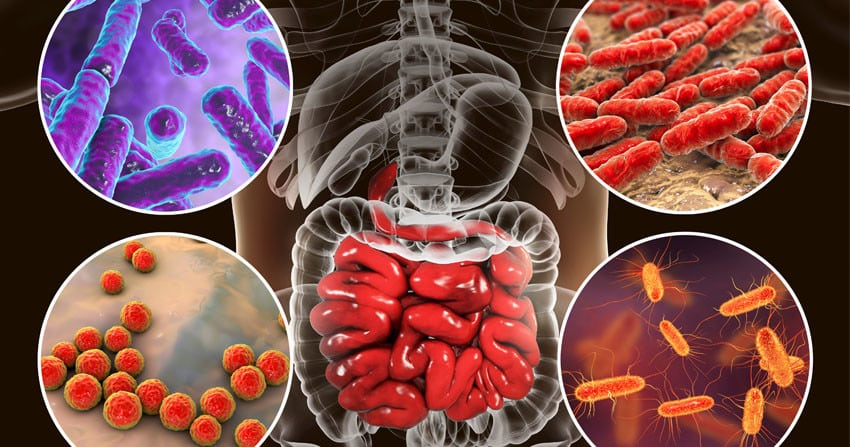
Another emerging cause of reflux is an imbalanced microbiome, or gut bacteria and flora.
Many experts in the field of probiotics have conducted research to show that acid reflux can be a result of small intestinal bacterial overgrowth (SIBO).
Both SIBO and GERD may be caused by an altered microbiome. This is where probiotics start to come in to focus on acid reflux.
How do probiotics help acid reflux?
14 clinical studies have evaluated the effects of probiotics on acid reflux and 79 percent of these studies concluded that probiotics may be a beneficial add-on for people who suffer from heartburn and reflux symptoms.
Both single-strain probiotics and multi-strain probiotics seem to be helpful for acid reflux and functional dyspepsia according to research.
Probiotic Benefits for Gut Health
By balancing out the gut microbiome, probiotics can have far-reaching effects. Research shows that probiotics may help:
➡️Improve bowel function
➡️Enhance all aspects of digestive function
➡️Alleviate many kinds of digestive discomfort
➡️Reduce upper GI symptoms
➡️Reduce gas and bloating
➡️Improve mood
➡️May improve gastric motility
Probiotics help break down our food to ease the digestive process as well. This is part of why probiotics can be part of a natural treatment for acid reflux and heartburn.
Research Summary of Probiotics for Acid Reflux
Here is a summary table of some of the research on the effect of various probiotic strains on people with upper GI symptoms.
➡️Extra-virgin olive oil enriched with probiotics in people with functional dyspepsia, Lactobacillus reuterii, Lactobacillus rhamnosus, Saccharomyces boulardi 28 days-Decreased abdominal pain, bloating, nausea, and vomiting
➡️Fermented milk containing Bifidobacterium bifidum YIT 10347 Bifidobacterium bifidum6 weeks-Decreased gastric symptoms and lower abdominal symptoms
➡️Dose response effect on functional gastrointestinal symptoms B. lactis HN019 17 Billion or 1.8 billion CFUs vs placebo14 days-Speed of bowel movement improved, 8 of 9 gastrointestinal symptoms improved
➡️Effects of Lactobacillus gasseri OLL2716 enhanced yogurt on functional dyspepsia-Lactobacillus gasseri vs placebo12 weeks-Improved elimination of dyspepsia symptoms
➡️Effects of probiotic on people with reflux esophagitis Esomeprazole 20 mg twice daily and combined Bacillus subtilis and E. faecium enteric-coated capsules three times daily vs Esomeprazole only 8 weeks-Decreased SIBO, decreased diarrhea, and decreased relapse of symptoms
➡️Effects of fermented milk on functional GI symptoms and mood100 mL/day of B. bifidum fermented milk4 weeks-Abdominal pain, diarrhea, constipation and mood scores improved
➡️Gastric fluid in people with functional dyspepsia Lactobacillus gasseri fermented yogurt vs control 4 weeks Fasting gastric fluid volume decreased in the patients and symptoms improved
➡️Prevention of colic, regurgitation, and functional constipationLactobacillus reuteri 3 months-Reduced crying time, reduced vomiting, increased bowel movement frequency
➡️Treatment of acid reflux Bifidobacterium animalis subsp. Lactis8 weeks-Reduced acid reflux symptoms, reduced reflux recurrence
Research interpretation of probiotics for GERD
All in all, these probiotic strains are very well tolerated and improve various reflux symptoms. Some of these probiotic varieties even reduce SIBO.
It is important to note that the studies first ruled out helicobacter pylori (H. Pylori) infections, which can be a source of acid reflux.
One study used probiotics as an add-on to proton pump inhibitors (PPIs), which are the standard of care for the treatment for treating GERD-related symptoms. The added benefit of probiotics was impressive.
The use of probiotics in this study had superior benefits to PPI alone.
Another PPI study in children found that adding probiotics to their treatment helped to ameliorate almost all of the dysbiosis that resulted from the medication.
Gastric benefits of probiotics in healthy adults
People who are healthy experience the gastric benefits of probiotics too.
For example, a follow-up study of Bifidobacterium bifidum YIT 10347 fermented milk in healthy adults found that this supplement reduced gastric pain and overall post-meal comfort compared to a placebo.
This particular strain of probiotics is helpful in alleviating gastric pain because the results have been duplicated in two different clinical studies.
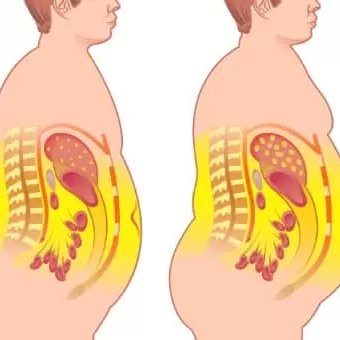
Interesting Tip: Another perk to the probiotic Lactobacillus gasseri yogurt is that it may reduce abdominal fat by as much as 8-9 percent compared to conventional yogurt over a 12-week period.
Lactobacillus gasseri also reduced waist circumference and abdominal fat according to another study especially when using a higher dose (10 billion CFU).
Types of Probiotic Strains That Help Acid Reflux
To summarize, the probiotic strains that help with GERD are:
Lactobacillus gasseri may help to eliminate dyspepsia and reflux symptoms as well as reduce abdominal fat and waist circumference.
Bifidobacterium bifidum may decrease abdominal pain, diarrhea, and constipation.
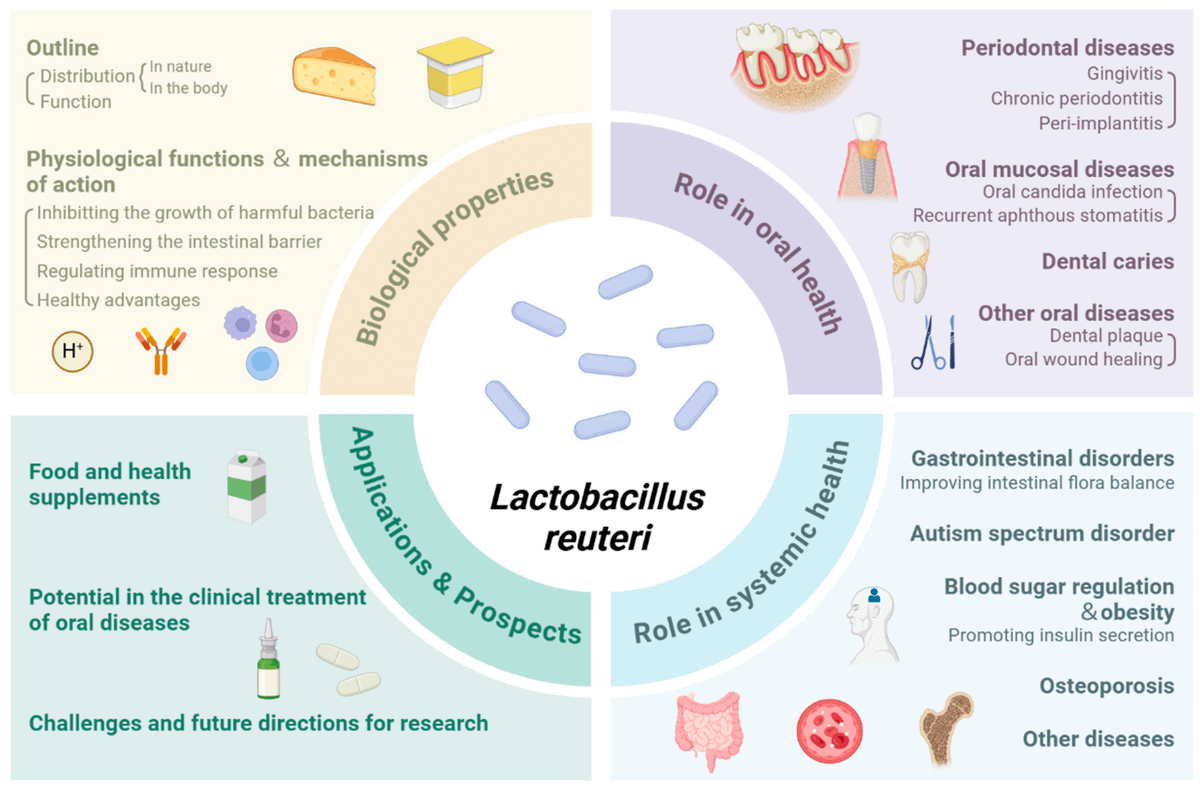
Lactobacillus reuteri may reduce colic, reduce vomiting, and increase bowel movement frequency. Also decreased abdominal pain, distention, nausea, and vomiting.
Lactobacillus rhamnosus GG decreased abdominal pain, distention, nausea, and vomiting.
Bifidobacterium lactis HN019 increased stomach emptying and speeds up transit time, 8 of 9 belly symptoms improved.
Saccharomyces boulardii along with L. reuteri may help reduce colic, and vomiting, and alleviate constipation.
Bacillus subtilis may decrease SIBO and many GI symptoms
E. faecium could be helpful for many aspects of GI health. Not currently available commercially.
The strains of bacteria are important as you can see.
While common probiotic strains like lactobacillus acidophilus may be good for overall digestive function, targeted probiotic strains may be more effective for GERD and heartburn.
Why type of probiotics matter and adding prebiotics could help
Probiotic strains can have different effects on the upper and lower digestive tract.
For example, infants given the probiotic strains called Bifidobacterium infantis M-63, breve M-16V, and B. longum BB536 helped with symptoms of irritable bowel syndrome but did not help with functional dyspepsia symptoms.
Bifidobacterium longum BB536 and Lactobacillus rhamnosus HN001 are useful in functional constipation but haven’t shown benefit for acid reflux disease.
Another possible factor that could improve the effectiveness of all probiotic strains is prebiotics, which are fermentable fibers.
Emerging research shows that using prebiotics along with probiotics may have more benefits than using probiotics alone for acid reflux, but more research is needed.
Until then, eating a diet rich in prebiotics is probably a smart idea.
Probiotics for H. pylori
Probiotics may be helpful in combatting stomach infections like H. pylori too.
Using probiotics plus antibiotics was better than treatment with antibiotics alone in a study of people who had helicobacter pylori infections.
Antibiotics-only treatment eradicated the H.Pylori at 69% while pre-treatment with the probiotic Bifidus infantis for 2 weeks and during antibiotic treatment led to a 91% eradication of H. Pylori.
Fermented yogurts that are rich in probiotics reduce H. Pylori infections as well.
Best probiotics for acid reflux criteria
It is important to find high-quality probiotic brands for the best effectiveness because probiotics are live organisms.
Here are the criteria used for the best probiotic for acid reflux:
➡️Certified Good Manufacturing Practices (cGMP)-meaning that the companies undergo voluntary third-party inspection
➡️Contains targeted GERD probiotic strains supported by research
➡️Rated at least 4.5 stars by over 100 reviewers (most have over 1000 reviews)
➡️Reviews discuss specific acid reflux benefits
➡️Soy Free, Gluten Free, Dairy Free, Egg Free, Nut Free
➡️Shelf-stable for ease of use
Probiotics that are shelf-stable make for ease of use. In my experience, refrigerated probiotics are less likely to be consumed because they are out-of-sight-out-of-mind.
If you are looking for a more all-encompassing probiotic, it is a good idea to get those that contain multiple beneficial probiotic strains. After all, GERD is related to IBS and other digestive conditions that may be helped by other probiotic types.
Just make sure it has some of the GERD-researched strains listed above as well.
For some people, it is best to start with a lower dose, or lower colony-forming unit count (CFU). Other people do much better with a higher CFU. Because of this, I give you a range of doses and strains.
Probiotics are considered safe for most people. However, if you have had an imbalanced microbiome, you may experience some temporary increase in digestive symptoms until your body adapts, generally after 2-3 weeks. In this case, use a smaller dose and increase as tolerated.
People with severely compromised immunity should consult with their doctor before starting probiotics.
Some people respond to different probiotic types better than others. This is because we are all unique. Using probiotics may take some trial and error, or trying different brands to get your best results.
As with anything, check with your doctor or healthcare provider before starting any new supplement or lifestyle routine.
Other Natural Treatments for Heartburn
By eliminating food sensitivities and using safe add-ins like ginger, digestive enzymes, and many other food hacks, you may be on your way to better digestion and reduced heartburn and reflux.
Many people’s acid reflux simply goes away when they eliminate or minimize the big food sensitivities and limit sugar and overly processed foods.
This can be a challenging journey, but well worth it.
For many, adding calming drinks and these herbs can be beneficial to help reduce stress-induced acid reflux.
The following herbal teas or supplements can be used to help with heartburn and reflux symptoms:
➡️Chamomile
➡️Licorice root
➡️Ginger
➡️Marshmallow root
➡️Slippery elm
➡️Fennel seed
Please know that using licorice tea can be soothing for the gut, but should only be in moderate amounts because it can lower your blood potassium levels if taken in large amounts or for prolonged periods of time. Or choose DGL licorice.
Fermented Foods for Heartburn
Fermented foods are great sources of natural probiotics and natural digestive enzymes as well.
The following fermented foods and beverages are potent sources of probiotics:
Sauerkraut
Puerh tea
Kimchi-don't use if sensitive to spicy foods
Fermented vegetables and fermented pickles
Aged cheeses
Kefir
Yogurt
Apple cider vinegar with the mother
Some of these foods, while acidic, can be very soothing for GERD. This is because at the root of some people’s reflux is low stomach acid. These foods can also have very healing effects on the digestive tract.
Just make sure to start with a small amount and use common sense. For example, dilute the vinegar before you use it, or serve it as a condiment rather than drinking it in its concentrated form.
Probiotic supplements are often a great add-in for digestion if you aren’t eating these probiotic foods daily.
Ginger for Heartburn
Ginger reduces symptoms of indigestion, nausea, and vomiting, improves the movement of food through the digestive tract, and increases saliva production.
It also reduces the chances that stomach acid will flow up into the esophagus. For this reason, it is a natural remedy for acid reflux that many people turn to.
You can try ginger tea, ginger candies, fresh ginger in recipes, or ginger capsules.
However, some people find the sensation of ginger to be too warm on the esophagus, especially at first. If this is the case for you, try adding it to recipes where it is diluted down.
Bonus: ginger enhances nutrient absorption in your small intestine.
Digestive Enzymes for Acid Reflux
One area that deserves attention for acid reflux is the use of digestive enzymes.
We need enzymes to digest foods well. Simply put, enzymes help us break down our foods so we can digest them.
We have many places in our digestive tract that make enzymes: in our mouth, stomach, small intestines, and pancreas.
Our small intestines actually produce more digestive enzymes than our pancreas does.
What does this mean for us?
Lack of digestive enzymes due to an imbalanced gut lining could be a silent problem that makes your stomach’s digestion way off. Adding digestive enzymes is safe and can be beneficial in relieving occasional acid reflux and indigestion.
What can make your digestive enzyme production low? Inflammation, food intolerance, and anything that can throw off the gut bacteria (think PPI drugs, antibiotics, and more).
Enzymes are a safe and emerging treatment option for many digestive issues, including Celiac disease. They can be combined with ox bile as well when needed.
Overuse of Stomach Prescriptions
A common way to treat acid reflux is by using stomach acid blockers called proton pump inhibitors (PPIs). The function of these drugs is to block stomach acid.
A recent analysis showed that over 80% of patients given the medicines in the category called proton pump inhibitors had no valid indication for use. The use of these drugs is now linked to an increased risk of serious infections, memory loss, and more.
PPI’s are sometimes needed and beneficial. Keep in mind, that they are only indicated for short-term use.
Yet people stay on them for years, even decades.
Many people recover and feel so much better if they choose to add natural treatments for heartburn such as probiotics whenever possible. They absorb their food better and have more energy as well.
What are PPI Drugs side effects?
Using prescription medications for heartburn isn’t benign. They have common and some serious long-term side effects.
PPI drug side effects include:
➡️Headache
➡️Diarrhea
➡️Constipation
➡️Abdominal pain
➡️Flatulence
➡️Fever
➡️Vomiting
➡️Nausea
➡️Rash
More serious side effects, although uncommon, include:
➡️Serious allergic reactions
➡️Stevens-Johnson syndrome
➡️Toxic epidermal necrolysis
➡️Reduced kidney function
➡️Pancreatitis
➡️Reduced liver function
➡️Erythema multiforme
Types of PPI drugs
There are many types of PPI medications on the market today. Generic names of most PPI drugs include:
Azeloprazole
Dexlansoprazole
Esomeprazole
Ilaprazole
Lansoprazole
Omeprazole
Pantoprazole
Rabeprazole
Revaprazan
Tenatoprazole
Timoprazole
Vonoprazan
Discuss short-term and long-term use of these medications with your doctor as they can bring with you other long-term health issues.
I will describe some nutritional issues that can be due to PPIs that occur below.
Heartburn Drugs Reduce Vitamin B12
What happens if you take a proton pump inhibitor or PPI? This medicine blocks acid production in the stomach. Seems pretty benign, right?
Here’s the story you don’t hear. By blocking acid, they also block the absorption of vitamin B12 and other nutrients like calcium and protein. Stomach acid is key to freeing or liberating B12 for absorption too.
There are many other nutrients that may suffer, due to acid-blocking drugs too, like iron and zinc.
Your healthy gut probiotics also get disrupted by the acid-blocking medications.
Consequences of B12 Deficiency
What’s the big deal about plummeting your B12 absorption due to PPIs?
Vitamin B12 is necessary to make red healthy red blood cell cells and nerve cells. Low B12 can cause PERMANENT nerve damage, memory loss, and mood disorders.
B12 deficiency is now extremely common, and no doubt that heartburn drugs are contributing to these issues.
A deficiency of B12 also interferes with energy production and the liberation of energy from food.
Even the most skeptical nutrition critic probably doesn’t want low energy. I’m pretty confident of this.
It would be still manageable if it was just B12 deficiency. However, there are some other consequences of blocking acid.
Other lesser-known PPI side effects
PPIs interfere with the absorption of calcium, iron, zinc, and chromium to name a few. This means that you aren’t getting nutrients very well from the food you eat.
Stomach acid is also required for proper protein digestion as well. Think about it. You are trying to block acid, but the blocking of acid causes indigestion. Yikes.
Some research suggests these drugs even create small intestinal bacterial overgrowth.
Long-term, this can wreak havoc on health! Research also shows that long-term PPI use increases the risk of cardiovascular disease and dementia.
PPI drugs rob the body of minerals needed for just about every function in the body. These include calcium, iron, magnesium, and likely more.
Sound worse than heartburn to anyone?
You need to carefully consider the risks of this drug versus the benefits. Also, consider that natural treatment for heartburn is within your grasp too.
Consider, perhaps, that you don’t have too MUCH acid. You may have too LITTLE acid as well.
Summary
When looking for the best probiotic supplement for acid reflux, make sure to look for the strains that have been researched for treating GERD or functional dyspepsia.
Also, consider making diet changes like adding fermented foods and eliminating food sensitivities to help with your reflux. Additionally, consider adding in some calming teas and herbs, and find ways to manage your stress.
As with anything, make sure to check with your doctor or healthcare provider before making any changes to your healthcare routine. This post is for informational purposes only and is not intended as medical advice. Make sure to seek the care of your medical doctor or healthcare provider if you are struggling with acid reflux.
Read more: https://t.co/wnPIK6xZ6e
Stop eating glyphosate enriched American garbage gluten and then switch to einkhorn flour and start a basic gut protocol:
- 10-20B CFU S Boulardii
- Sun on the belly daily
- Vigorously block all blue light
- Zinc carnosine
- Digestive bitters with every meal
- Mega dose high quality colostrum with high igG %
- Raw Milk
- Walking after meals
- Modified citrus pectin 5-15G daily
- Consider L Reutri + L Gasseri 36h fermented yoghurt and B Subtilis juice (not for everyone)
"Eat less. Move more."
The most USELESS health advice ever given.
People with destroyed gut bacteria can eat perfectly and still gain weight.
Research shows that lean people and overweight people have fundamentally different gut bacteria compositions.
Your gut bacteria influence how many calories you extract from -
Food
How your body stores fat
How your appetite hormones function
A specific probiotic strain: L. Gasseri -
... has been clinically shown to reduce visceral fat in 12-week trials with no diet or exercise changes.
The problem was never willpower.
It was the microbiome.
Fix the gut. The weight follows.
Did you know that some kinds of probiotic strains have been shown to reduce belly fat?
Lactobacillus gasseri fermented milk reduced belly fat by 8.5 percent and reduced waist girth over a 12 week period compared to regular yogurt https://t.co/cEJnkAabqc
🦠Post Antibiotic Protocol🦠
Sometimes we need proven great traditional medical care. Be it cancer treatment or taking a course of antibiotics or both. I was on prophylactic antibiotics for a while after the melanoma surgery.
My skin was💩
TIme to fix the gut, again.🥛
I've dialed this for me now after several iterations.
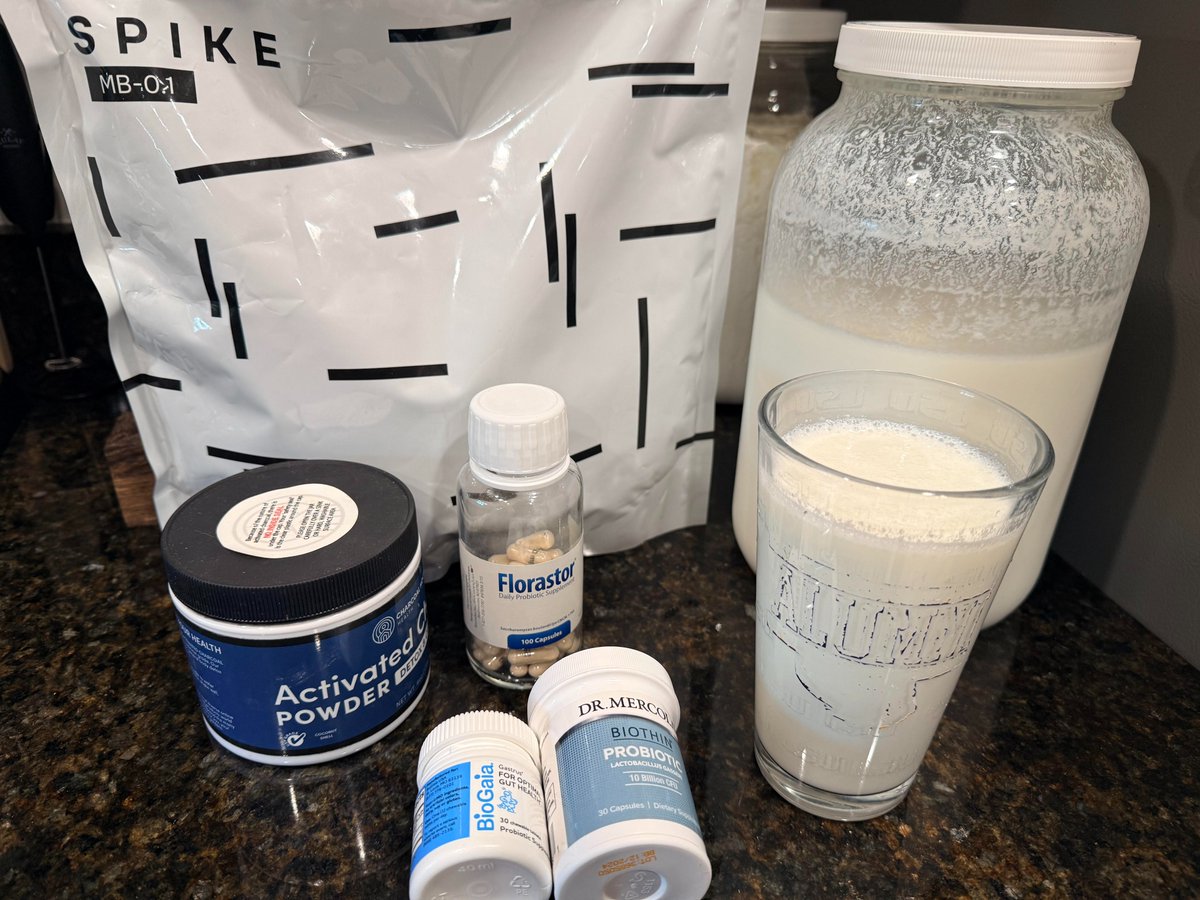
1. Florastor as directed for two-three weeks.
2. BioGia L. Reuteri chewables as directed
3. Dr. Mercola L. Gasseri as directed
4. Lots of homemade kefir
5. Hydration with SPIKE MB.01
6. Binder so often with Activated Charcoal
After about 3-4 weeks my skin has returned to normal. I feel... not inflamed and this protocol hopefully gets you back up and going after an antibiotic run.
‘Now I Am Become Death, the Destroyer of Worlds.’
What world's you aks. You're shitty microbiome world in your stomach.
I 've, after many attempts, created the Super Yogurt.
THE YOGEAR is fortified with L, Reuteri, L Gasseri, L Casei, L Rhamnous, L. Acidophillus.
The 5 incredibly powerful probiotics that will lower your cortisol, do amazing things for you skin/mood stablization, and heal your modern day shit show stomach microbiome.
I'm writing the extensive How To as we speak. It's super easy and ~$20 will make you 4.5 gallons of this super tasty, slightly tart, yet somewhat custard thick & creamy lifechanger. I'll be dropping an article for free.
Must be following me to receive. This is something you do not want to miss.
Let's Geaux!
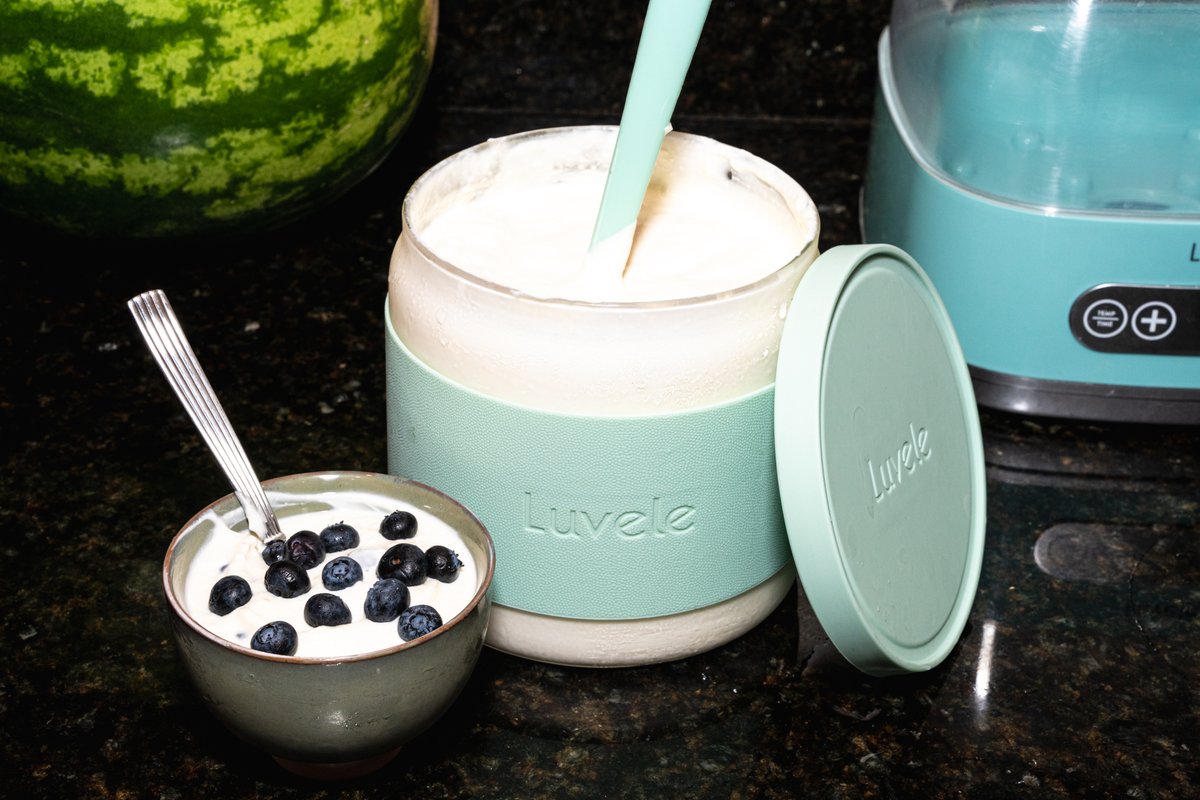
🍦YOGEAR Lite is Here🍦
After many failures, equipment changes, iterations, & angry moments YOGEAR Lite with 2% milk is perfected. A low Kcal version of YOGEAR, it's L. Reuteri based with Bio-K, and L. Gasseri bacteria rounding it off. The true bodybuilders dream yogurt.
What it raises:
⬆️DHT
⬆️Testosterone
⬆️Oxytocin
⬆️Viral/bacterial immunity
⬆️Healthy Gut Microbiome
What it lowers:
⬇️Cortisol
⬇️Systemic inflammation
⬇️Your waist
Top it off with blueberries & it's a super food unlike anything you'll find on health X or anywhere else. No more plebeian yogurt slop from the store. We eat YOGEAR Lite around here.
The article is in the works & will be dropping next week. You don't want to miss this. I've worked tirelessly to perfect the method, tools, and technique. I've mercilessly banged my head into the wall to finally bring y'all the easiest most consistent way to make your own YOGEAR Lite.
Make sure you're following and stay tooned. 🐭
9. The future of probiotics:
• Postbiotics – Beneficial metabolites without live bacteria
• CRISPR-engineered strains – Custom-built for your DNA
•Psychobiotics – Targeting anxiety and depression via the gut
Personalized gut medicine is coming.
8. Probiotic myths to ignore:
• "All probiotics are the same" False
• "More CFU = better". Not true. 1 billion CFU of the right strain beats 100 billion of the wrong one
• "All Probiotics = effective" – Most brands don’t even survive digestion
7. PREbiotics: The fuel
Probiotics are the workers. Prebiotics are their food.
Feed your gut with:
• Resistant starch (green bananas, cold potatoes)
• Inulin (onions, garlic, asparagus)
• Beta-glucan (oats, mushrooms)
Start slow to avoid bloating.
@PeterAttiaMD