The 2024 #NobelPrize in Physiology or Medicine focuses on the discovery of a vital regulatory mechanism used in cells to control gene activity. Genetic information flows from DNA to messenger RNA (mRNA), via a process called transcription, and then on to the cellular machinery for protein production. There, mRNAs are translated so that proteins are made according to the genetic instructions stored in DNA. Since the mid-20th century, several of the most fundamental scientific discoveries have explained how these processes work.
In 1993, this year's Nobel Prize laureates published unexpected findings describing a new level of gene regulation, which turned out to be highly significant and conserved throughout evolution. They discovered microRNA, a new class of tiny RNA molecules that play a crucial role in gene regulation.
Read more: https://t.co/8RwUplwYQA
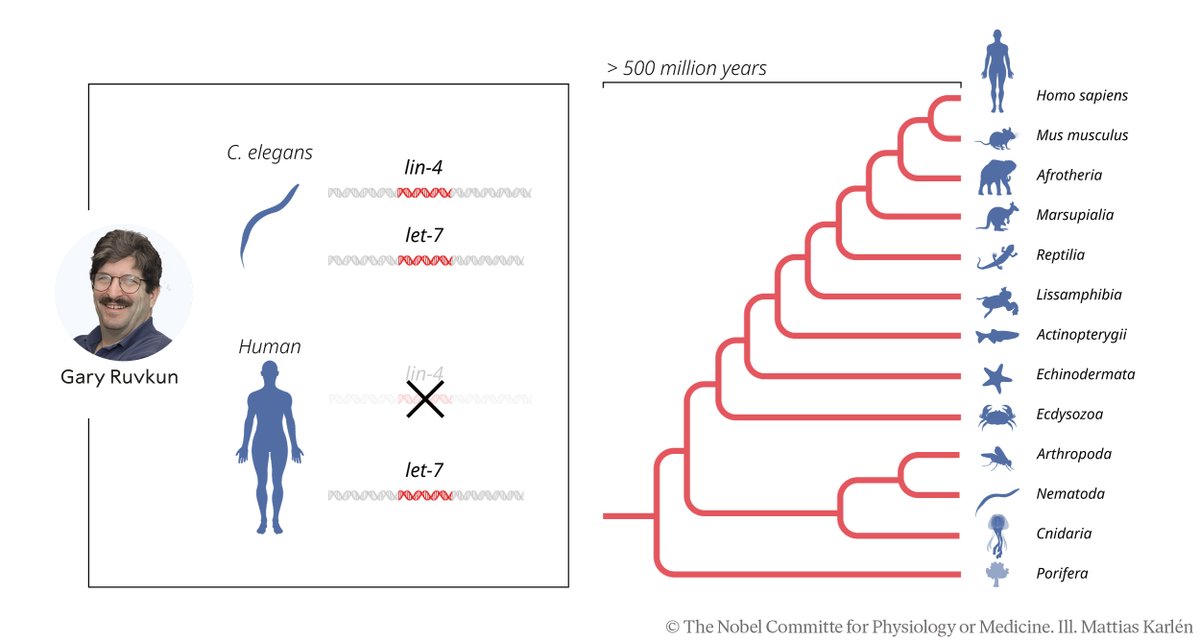
MicroRNA genes have evolved and expanded within the genomes of multicellular organisms for over 500 million years.
Today, we know that there are more than a thousand genes for different microRNAs in humans, and that gene regulation by microRNA – discovered by this year’s medicine laureates – is universal among multicellular organisms.
#NobelPrize
BREAKING NEWS
The 2024 #NobelPrize in Physiology or Medicine has been awarded to Victor Ambros and Gary Ruvkun for the discovery of microRNA and its role in post-transcriptional gene regulation.
A historic milestone for neuroscience! It's been a fantastic journey for the #FlyWire Consortium. This special edition of Nature showcases the power of open science, with nine papers that not only describe the fly connectome, but also make discoveries using it.
https://t.co/8L4CMDNqct
KI and @CAR_Karolinska are organising a symposium on #Alzheimer’s disease, beyond amyloid and Tau! In my lecture I will talk about the role of #mitochondria in this pathology! You are all welcome to attend IRL or online
Chemist Max Perutz (right) mapped the structure of haemoglobin - the protein that allows blood to transport oxygen to the body's muscles. Perutz shared the 1962 chemistry prize with John Kendrew (left), the first person to successfully determine the atomic structure of a protein.
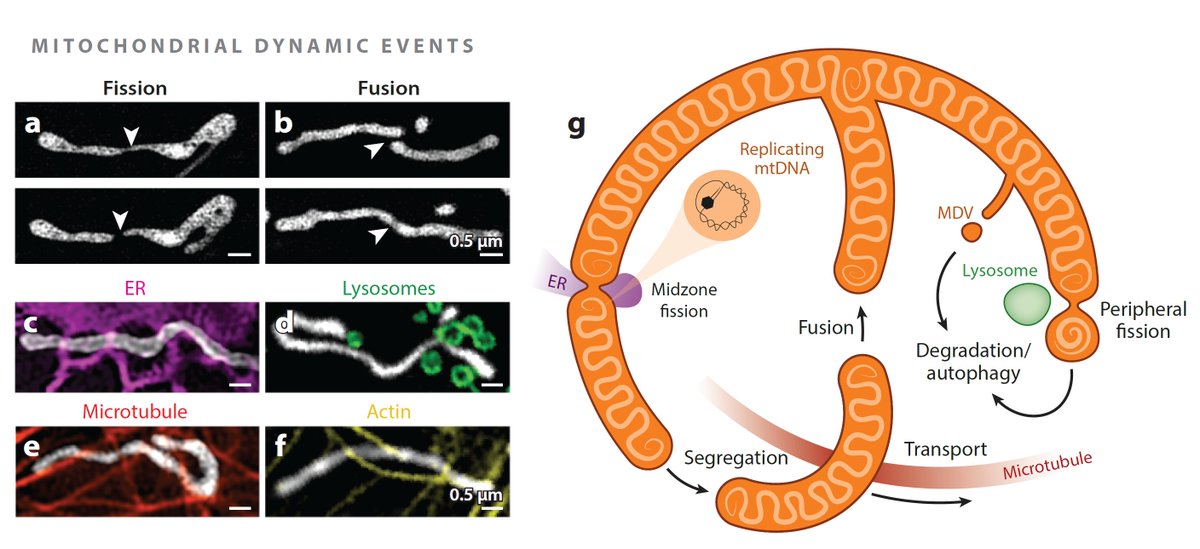
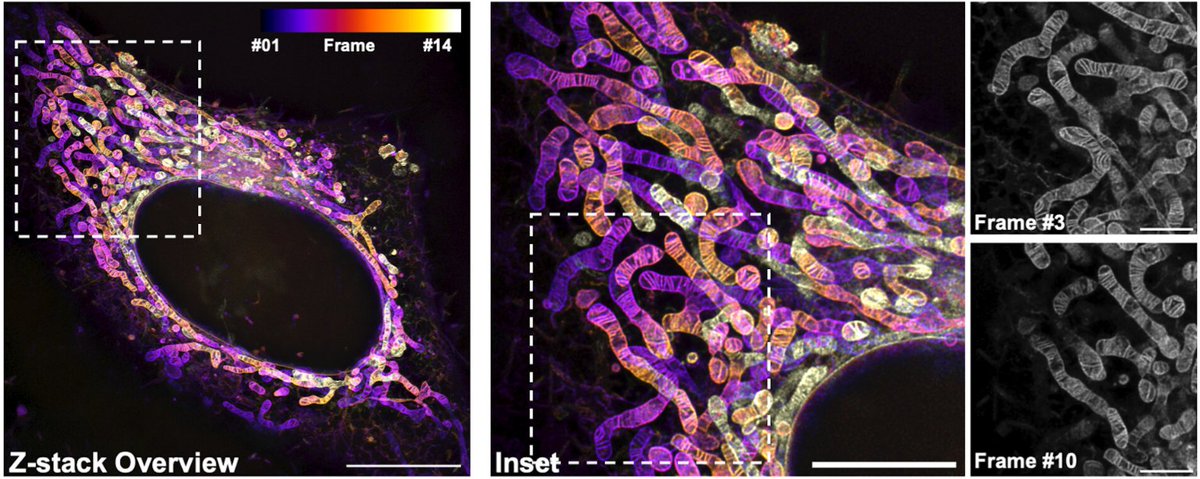
After countless requests, we're thrilled to introduce PK Mito Orange FX - a fixable variant of PKMO. PKMO FX allows immunolabeling and CLEM approaches.
Happy to have contributed to this project led by @ZhixingChen2 and Christian Jüngst.
#mitochondria
https://t.co/nC6gX3LBGt
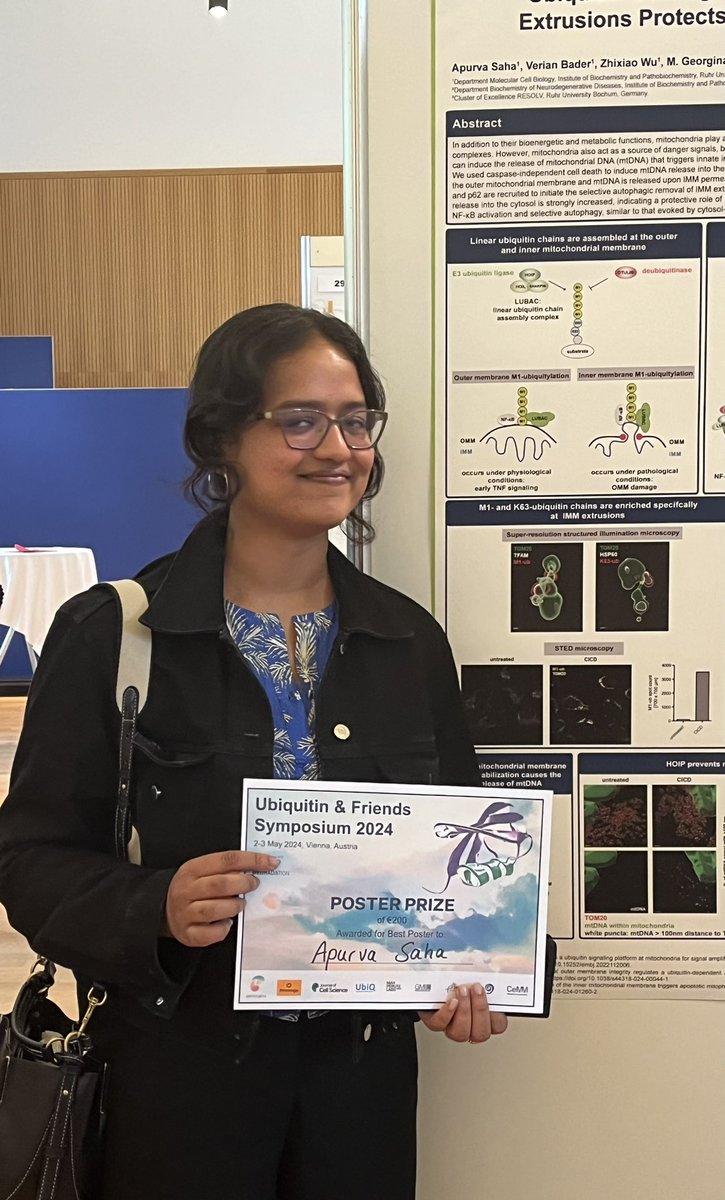
2 days full of great talks, stimulating posters +flash talks, exciting science and lively discussions! One of the best parts: Seeing old friends & making new friends at our #Ubiquitin & Friends Symposium 2024 #ubfriends2024
It's been a pleasure to host this amazing crowd!
📣 application deadline extended: you have time until Sunday 22 October (24:00 Berlin time) to submit your application @IMPRS_LM. Don't miss the chance!
👉https://t.co/q5NC0ybPac
#PhDposition#sciencejob
"When I’m writing well, I have this very clear and distinct feeling that what I’m writing on is already written. It’s somewhere out there. I just have to write it down before it disappears."
- 2023 literature laureate Jon Fosse on his writing
Read more:
https://t.co/G1ihB4wu0v
BREAKING NEWS
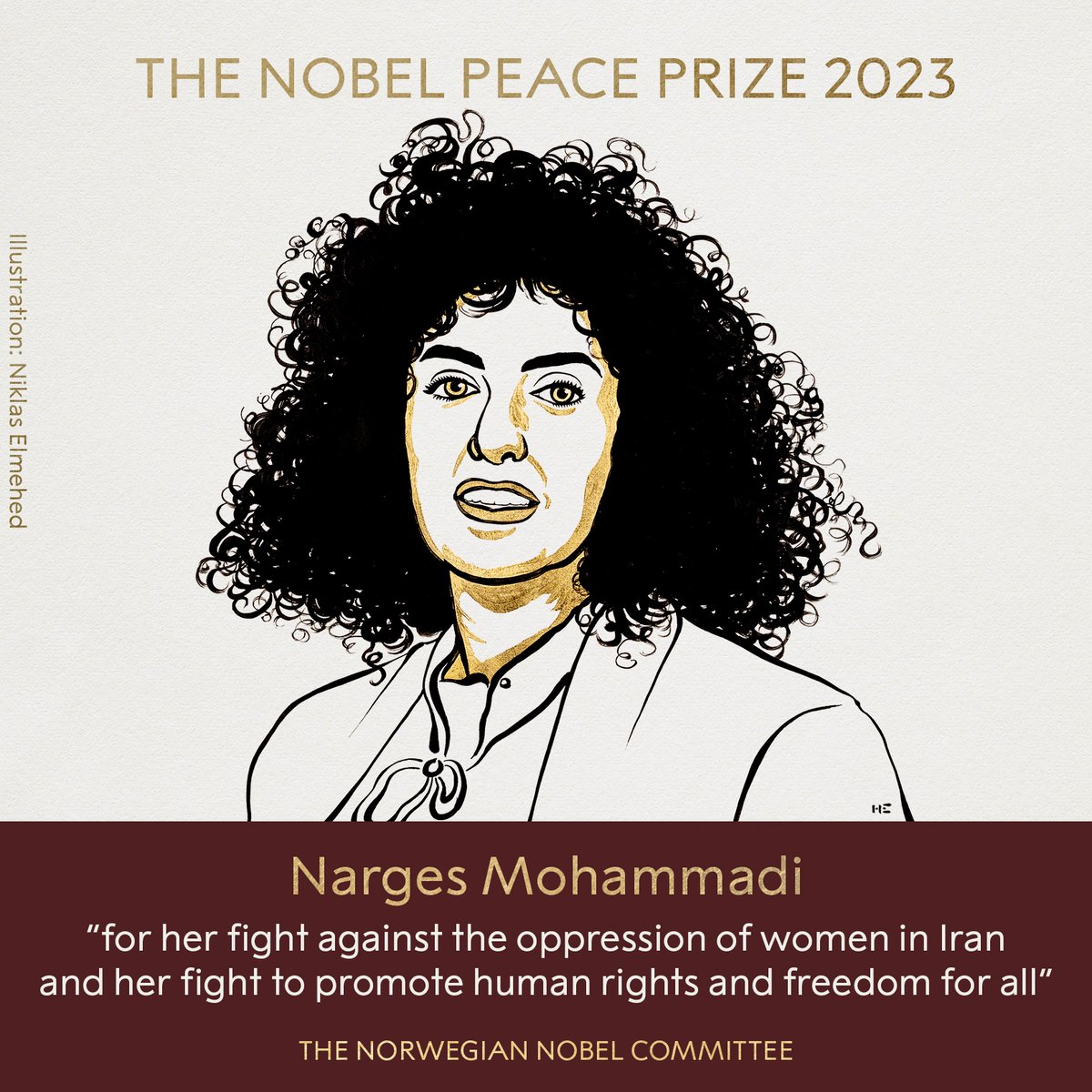
The Norwegian Nobel Committee has decided to award the 2023 #NobelPeacePrize to Narges Mohammadi for her fight against the oppression of women in Iran and her fight to promote human rights and freedom for all.
#NobelPrize
“For the 20 years that we worked together before anybody knew about us or cared it was literally the two of us sitting side by side at a bench and working together.
Usually at 3 or 5am we would be emailing each other with new ideas.”
- 2023 medicine laureate Drew Weissman on his partnership with his co-laureate Katalin Karikó.
Keep an eye out for our telephone interview with Weissman, coming soon!