We built a gallery experience about everything humans have measured about themselves, and the one thing we still don't: (digital work). Oct 7, SOMA, SF.
Part of @Techweek_
https://t.co/4Pwlsitgnw
On Wednesday we turned a SoMa gallery into a walk through of 2,400 years of measuring the human mind and body, from Plato to Whoop.
Thank you to everyone who came. Waitlist is open:
https://t.co/E8f1NRNGCT
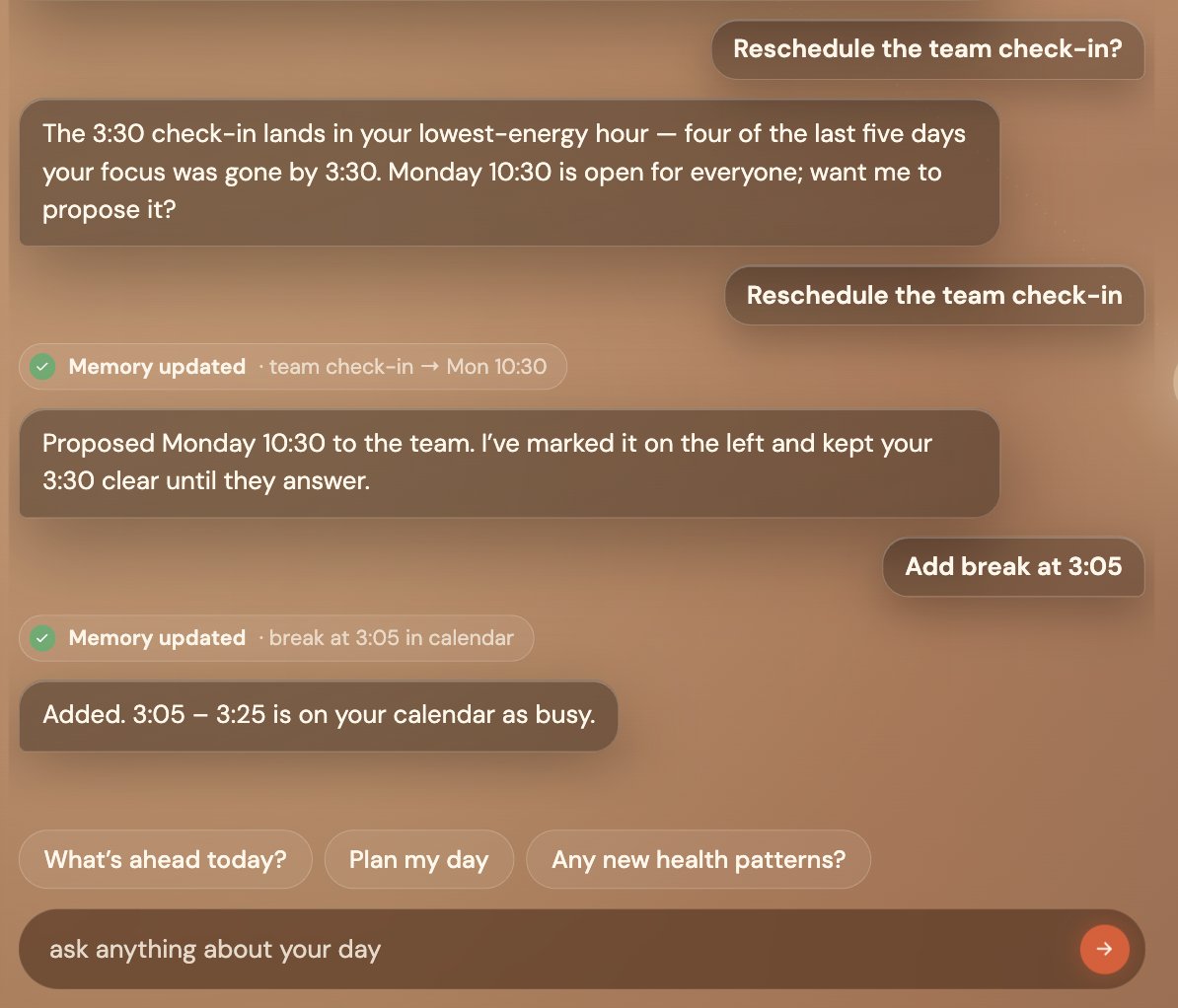
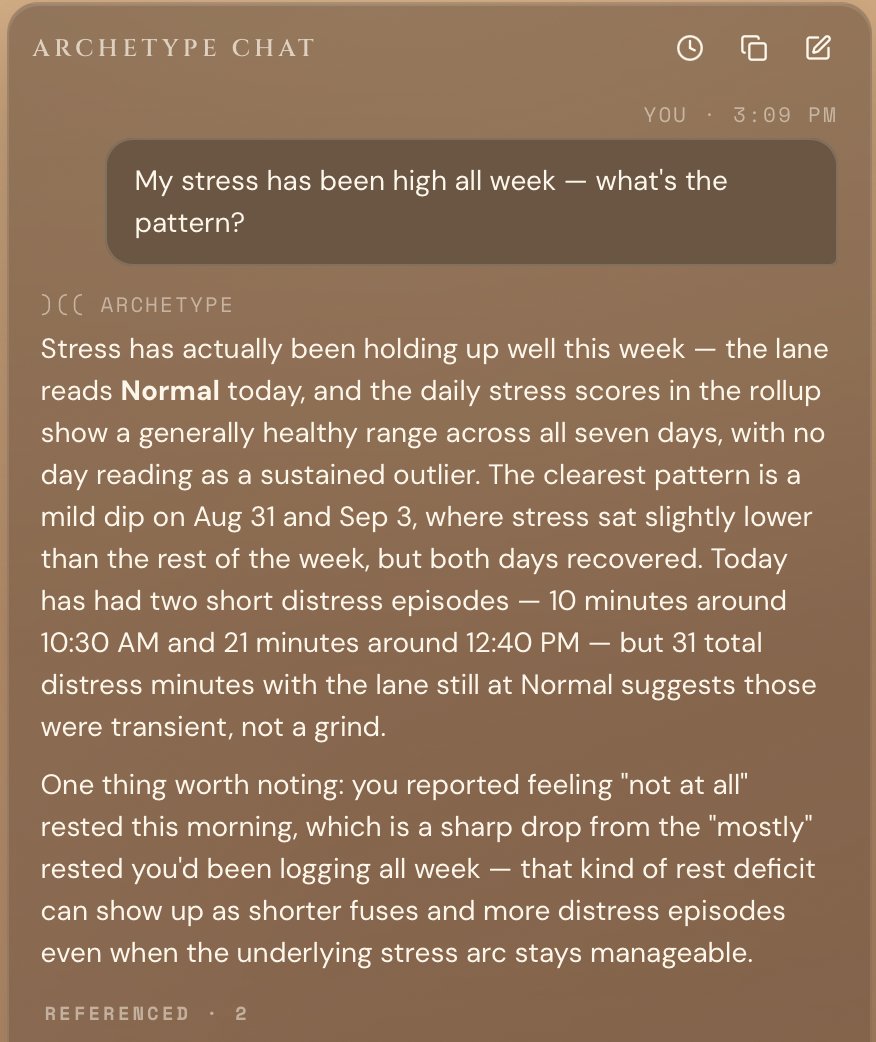
Point 5 is where we spend most of our time at Archetype. The hard part is timing: strain builds before you notice it. So we read the physical signals of desk work (eye strain, posture, sound, air) on-device and turn them into quiet, well-timed guidance.
Study: https://t.co/N1pZfIWPBX
Your brain runs Stone Age hardware on Screen Age inputs.
That's the thesis of neurologist Richard Cytowic's Your Stone Age Brain in the Screen Age. Best known for his work on synesthesia, Cytowic argues the brain evolved for a prehistoric world and runs on a fixed energy budget. Every ping, tab switch and notification draws from the same account.
Core ideas:
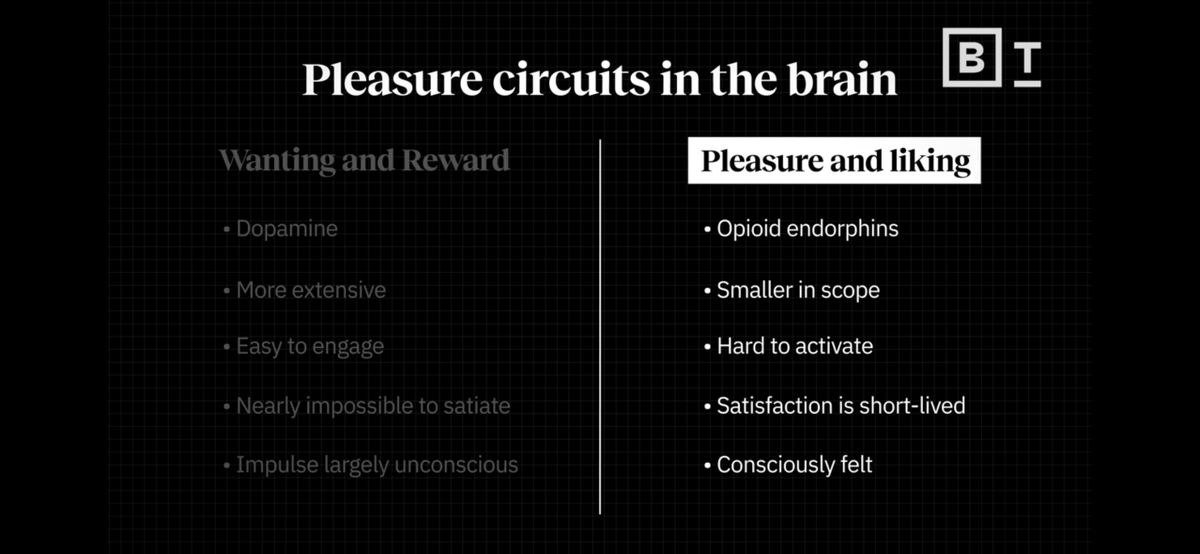
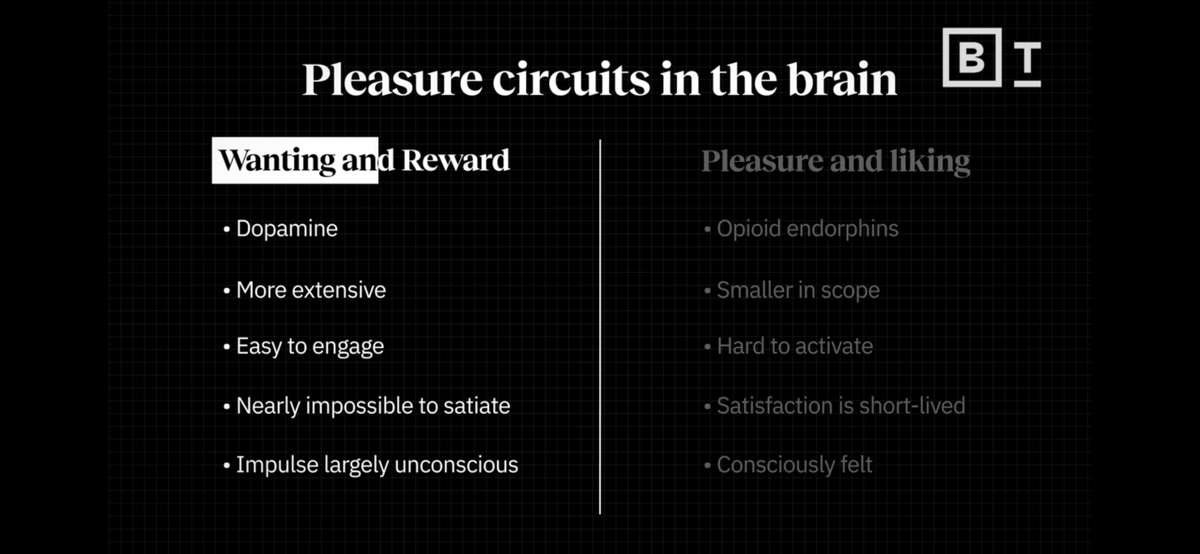
1. Wanting ≠ liking. Dopamine drives wanting: broad, easy to trigger, nearly impossible to satisfy, mostly unconscious. Opioids drive liking: narrower, harder to reach, short-lived, consciously felt. Feeds are built for the first.
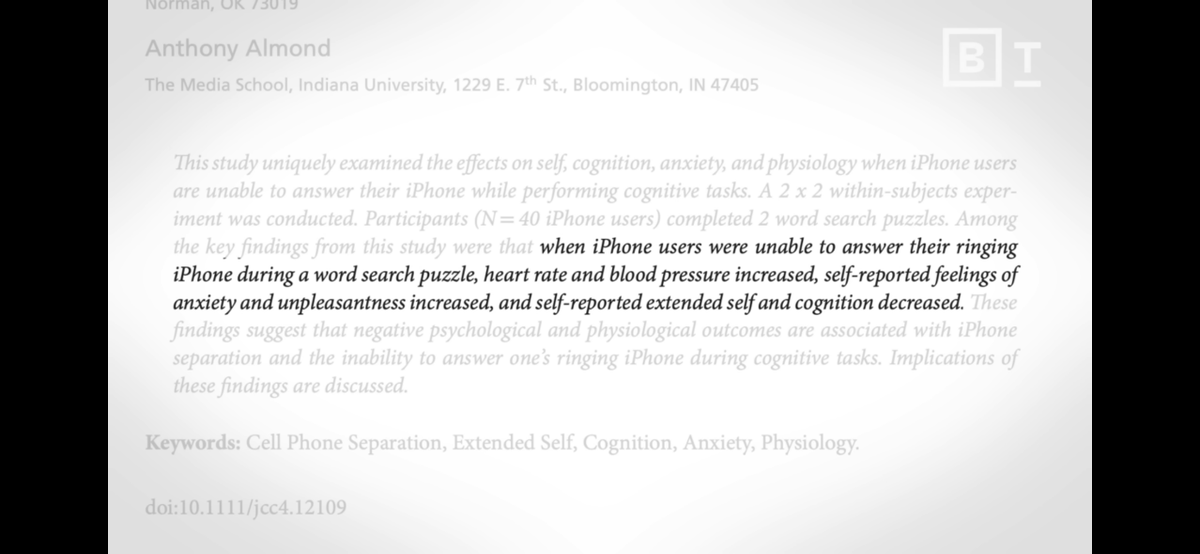
2. Separation has a cost. In a study of 40 iPhone users, being unable to answer a ringing phone mid-task raised heart rate and blood pressure, increased anxiety and lowered cognition (Clayton, Leshner & Almond, 2015).
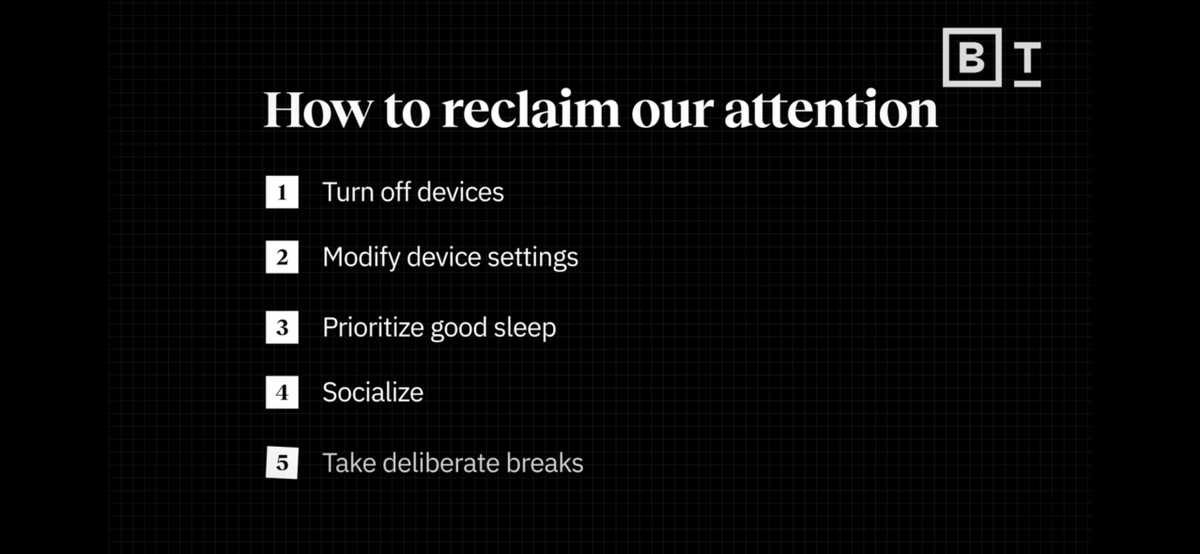
3. The fixes are unglamorous: turn devices off, change their settings, protect sleep, see people, take deliberate breaks.
Full talk: https://t.co/7GpvIX59Z3
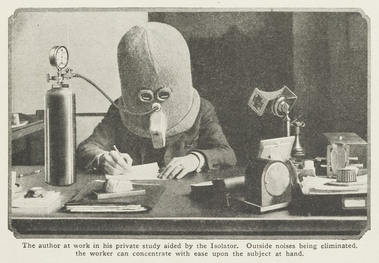
In 1925, Hugo Gernsback built the Isolator: a sealed helmet with an oxygen line, designed to shut out every distraction.
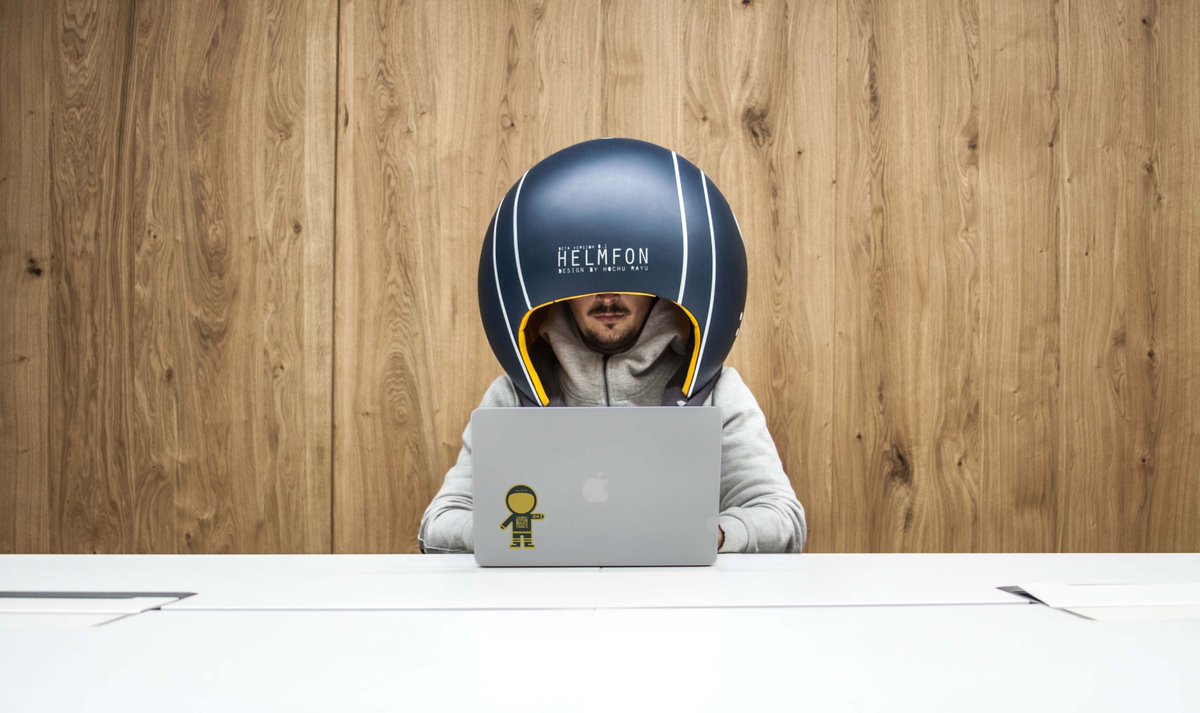
Then came the Helmfon 2017.
Both valid ideas we think, but we hope we can do better. Try them yourself during our @SFTechWeek Showcase!
https://t.co/SkhdAZjtQ2
Apple just tested heart-rate accuracy across 1,254 people in multiple settings. (including during desk work). Heart rate is good to have and seems to be accurate pretty much across wearable devices, yet insights are most valuable if we have activity context around it.
HRV through PPG is the is for most used biomarkers for all existing wrist-worn consumer health devices, yet its scientific grounding is modest at best.
Better academic ground work will help, so will bold companies with new fundamental biometrics…
Your wearable sensor gives you HRV and Readiness/Recovery/Fitness Scores.
What are they? Are they validated? Should you work to get these metrics higher?
https://t.co/Xgp8o2yHJB
@ouraring@Apple@Garmin@WHOOP@eightsleep@googlehealth
Sauna history
Prehistory, before roughly 3000 BCE
Humans were probably using heated stones, steam, pits, tents, and enclosed huts for sweating long before written history.
Ancient Greece, roughly 500 BCE onward
The Greeks developed public bathing facilities and sweat rooms. These became one of the foundations of later Roman bathing culture.
Ancient Roman Empire, roughly 200 BCE to 500 CE
The Romans turned bathing into an enormous civic institution. A large thermae complex could contain exercise areas, gardens, libraries, massage rooms and several thermal environments.
Finnish sauna tradition
In Finland and neighboring northern regions, a separate tradition evolved. Early Finnish saunas were simple structures, sometimes associated with earth pits or primitive huts, in which a fire heated a large mass of stones.
Sauna & Cognitive performance, a thread
Regular sauna use has been associated with substantially lower long term dementia risk, while experimental studies show measurable changes in brain activity after sauna. Evidence for an immediate improvement in cognitive performance, however, remains limited.
Sauna raises core temperature and heart rate, increases peripheral circulation, creates cardiovascular stress similar in some respects to moderate exercise, activates heat shock proteins, and may improve vascular function. Better vascular health is strongly connected to preservation of cerebral function over time.
Heat exposure may also affect inflammatory signaling and cellular stress responses, although these mechanisms have not yet been shown to translate reliably into improved human cognition.
Image: Antonio Joli, attributed, Roman Bath, c. 1745, Städel Museum, Frankfurt
Knekt et al., 2020, Preventive Medicine Reports
Probably the strongest epidemiological sauna and brain study because it followed 13,994 Finnish men and women for up to 39 years.
People using a sauna 9 to 12 times per month had a significantly lower incidence of dementia. During the first 20 years of follow up, dementia risk was about 53% lower compared with people using sauna 0 to 4 times per month. Across the full 39 year follow up, risk remained about 19% lower after adjustment for age, exercise, smoking, alcohol, blood pressure, glucose, BMI, cholesterol and other factors.
https://t.co/bwviJ3qCla
Air quality and environmental factors in general have been proven to impact peak performance.
You need to know your environment in real-time and over longer periods to take action.
Using a HEPA air purifier improved cognitive function by 12% in middle-aged and older adults.
And they only used it for a month!
That's a meaningful improvement in a short amount of time, all from a simple purchase you can make for your home.
… continuous measurement is one of the most underutilized tools in medicine….
This was true for workouts, sleep, glucose and so much more.
It’s still true for digital health markers (eyestrain, posture etc) in our modern lives.
We are here to patch that gap.
3x better at predicting the right cancer treatment when biology is tracked longitudinally. Continuous measurement is one of the most underutilized tools in medicine.