PewDiePie, one of the biggest YouTubers in the world just dropped an important video.
he claims the algorithm is destroying your brain.
a guy once beloved by the algo that made him a millionaire is now going against it.
“the key is intent. if you go around your life not making your own choices, then who the heck are you?”
his secret fix?
> add friction to dopamine apps
> unfollow everyone
> kill reels (important)
> self host everything.
> block at DNS level.
this is a wake up call. no more autopilot scrolling. you either choose what goes in your brain or the algorithm chooses for you.
How to actually focus in 2026
- Delete every attention blackhole app on your phone (tiktok, insta, youtube)
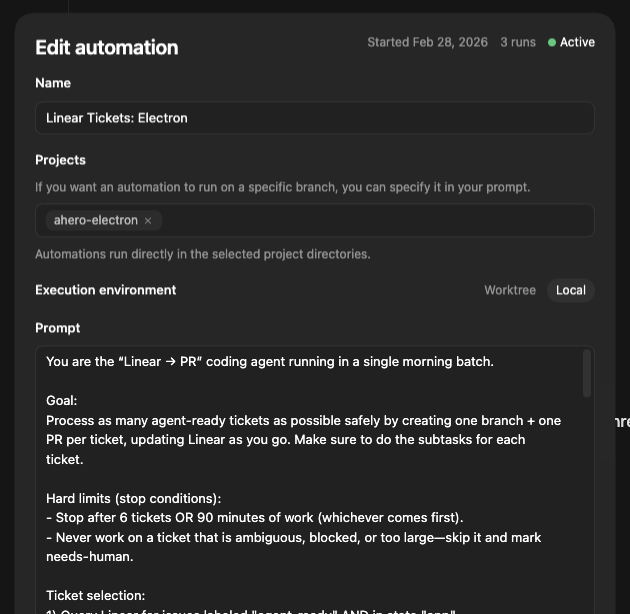
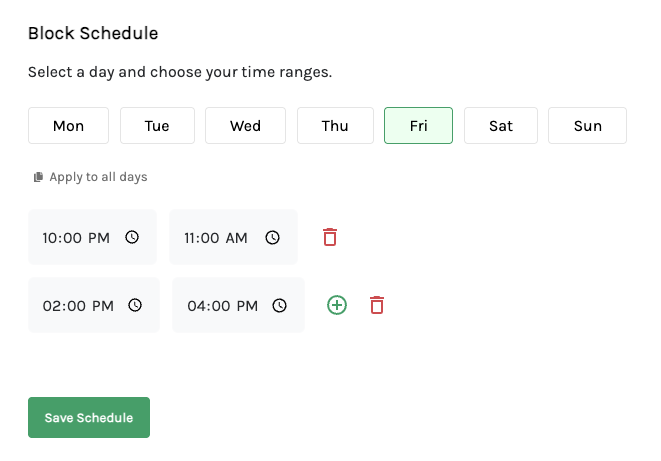
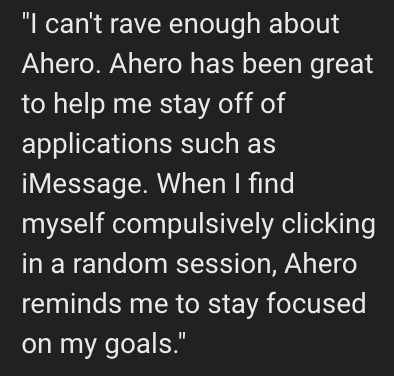
- Use Ahero to block distractions on your computer and phone. Lock these settings.
- Start a deep work session (at least 90min) with a clear task.
I did a 40 hr and then a 70 hr social media fast.
I’ve come to believe that social media is pollution.
Not a vice or guilty pleasure.
It’s closer to water toxins, air pollution and microplastics.
Social media has been on my mind because I can feel how bad it is for me. For my health and agency. I am a professional rejuvenation athlete. For five years, I’ve engineered my life around biological renewal and the elimination of decay. After hundreds of experiments across food, sleep, exercise, therapies, and toxins, I’ve developed both data and intuition about what strengthens or degrades my system.
I can viscerally feel that social media is bad for me. It erodes my autonomy and increases cognitive entropy.
Like other toxins, it accumulates. You can’t unsee or unfeel what you’ve consumed. It settles into mental tissue like heavy metals, producing chronic low-grade inflammation. Evidence suggests even after you stop scrolling, attentional fragmentation and emotional priming persist. Your thoughts begin to mirror the algorithm’s incentives. Independent cognition quietly erodes and you don’t notice the loss.
Time away and getting lost in deep focus is the only remedy.
When something erodes your agency, the rational response is elimination. The problem is, elimination isn’t realistic. “Just put the phone down” is as practical as telling someone in 19th century London to stop breathing coal smoke.
You need to know what’s happening in the world, be in touch with your friends and be part of the tribe.
That necessity is what allows companies to harvest your emotions, intellect and time for their profit. You are their raw material they exploit. Then in an ironic twist, the system gets you to exploit yourself by engineering an environment where it takes more effort to stop than to continue scrolling. Pollution exposure by default.
What specifically makes social media toxic is that value and poison are inseparable by design. You go to hear from friends and you leave an hour later absorbed in outrage that serves no biological interest of yours. The water is real. The lead is in the pipes.
The performance metrics (likes, views, etc.) bleed you of independent thought. They create quantified social proof, triggering ancient hierarchy reflexes. You no longer evaluate signal from noise; the engagement metrics do it for you.
Like all toxins, the damage is cumulative. We live inside the exposure long enough that it feels normal. The 40 and 70 hour social media fasts did that for me. Gave me just enough separation to feel and diagnose the poison. The obviousness of it feels like when I went to India and saw their humanitarian crisis of air pollution which no one sees anymore.
So what do we do?
Neither platforms nor individuals are likely to change on their own. AI may be the countermeasure. An AI layer between you and the feed. Filtering rage, removing vanity metrics and translating sensationalism into calm, factual language. Preserving signal and eliminating noise.
I want social media to become a longevity intervention, not a longevity threat. I never want to see the raw feed. I want an AI agent to read it for me, strip the engagement metrics that hijack my judgment, filter the rage, and return only what I actually came for.
Every generation faces its pollutants. When cholera spread through London's water, the answer wasn't telling people to drink less. It was building filtration. The same logic applies here. Best next move is to design the filter to avoid being the raw material.
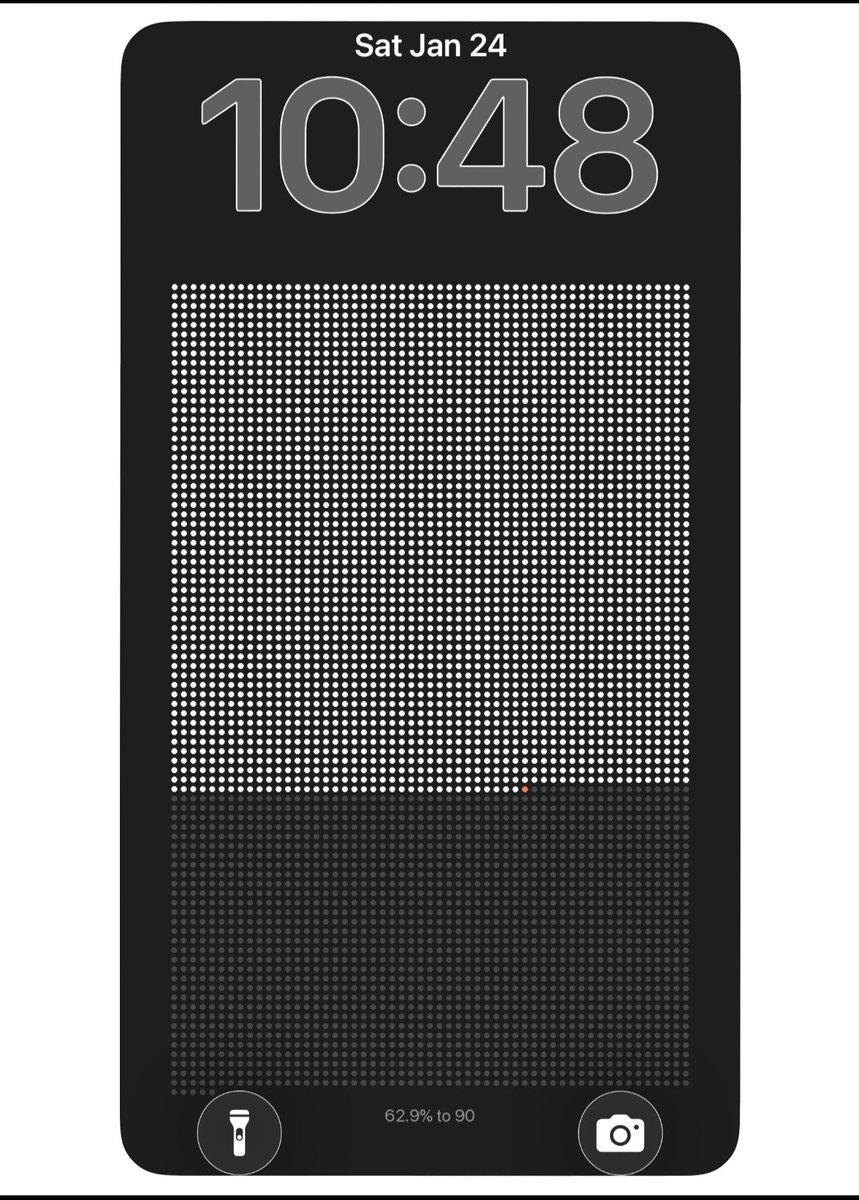
tried everything from deleting apps, putting phone in a lockbox (effective), setting a password I don't know, and using Ahero to block apps
combining multiple efforts works best
also my phone got cracked while cycling so now my screen barely works
proud of my < 1hr screen time
New study in Greece: average time on TikTok is 2.4 hours daily
The most vulnerable age group is 18–19-year-olds, who spend over 2.7 hours a day on the app
55.7% of participants had symptoms of depression, and 31.5% had symptoms of excessive anxiety
https://t.co/EnD0pqSOEA