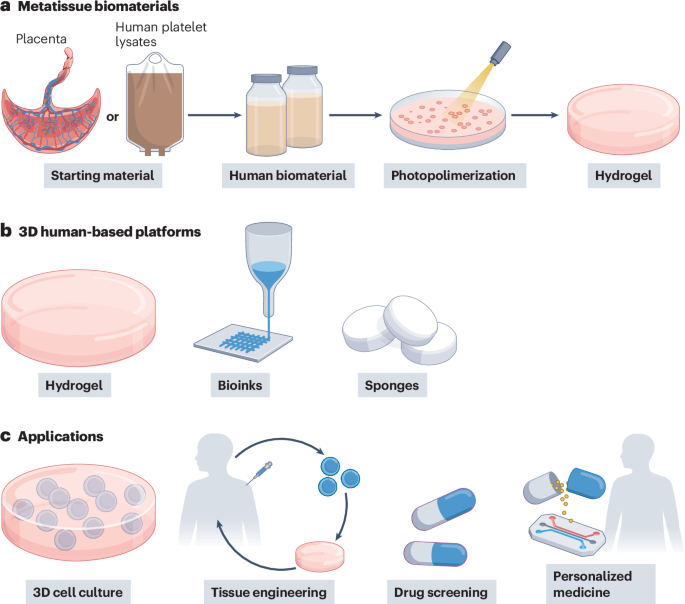
We are hiring: An Exciting Industrial Ph.D. opportunity at the interface of chemistry 🧪, biomaterials🧬, and medical devices 💉 and an opportunity to work in close collaboration between university🏛️, industry🏭, and hospital 🏥.
https://t.co/D4szsai7Dv
Using smartphone facial video clips with AI to passively and accurately get heart rate, across all skin pigmentation groups @nature
"This is the first demonstration that smartphones
can be used to monitor both HR and daily RHR passively during normal personal phone use in the real world."
https://t.co/cYz94D2ZGU
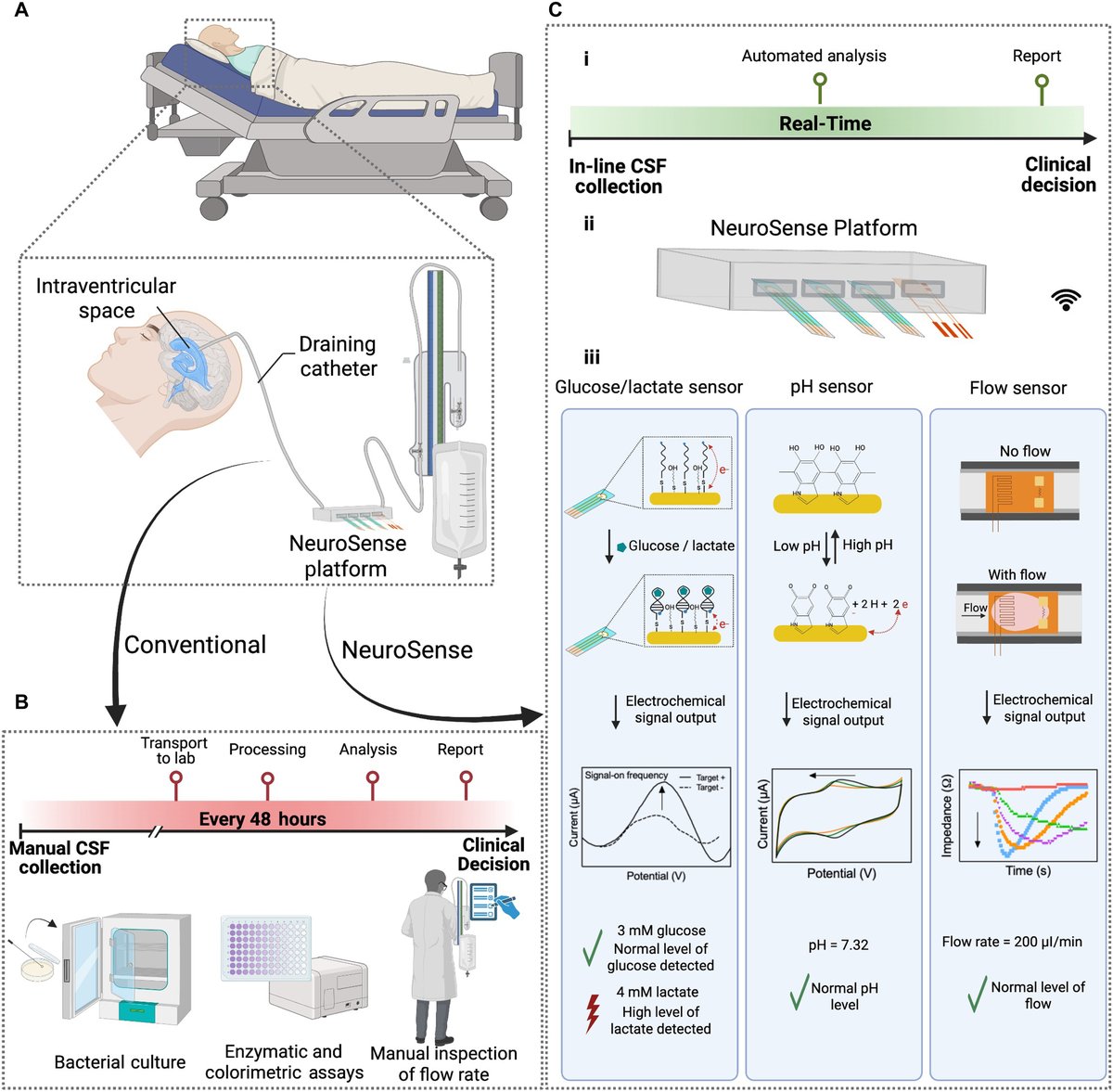
A multiplexed platform named NeuroSense enables near real-time monitoring of CSF biomarkers in patients in the neurological ICU, potentially supporting timelier diagnosis and intervention. @Mahla_Poudineh@ShriyaSrinivas3@jbernstock1@WaterlooENG https://t.co/j4LNCvFvR5
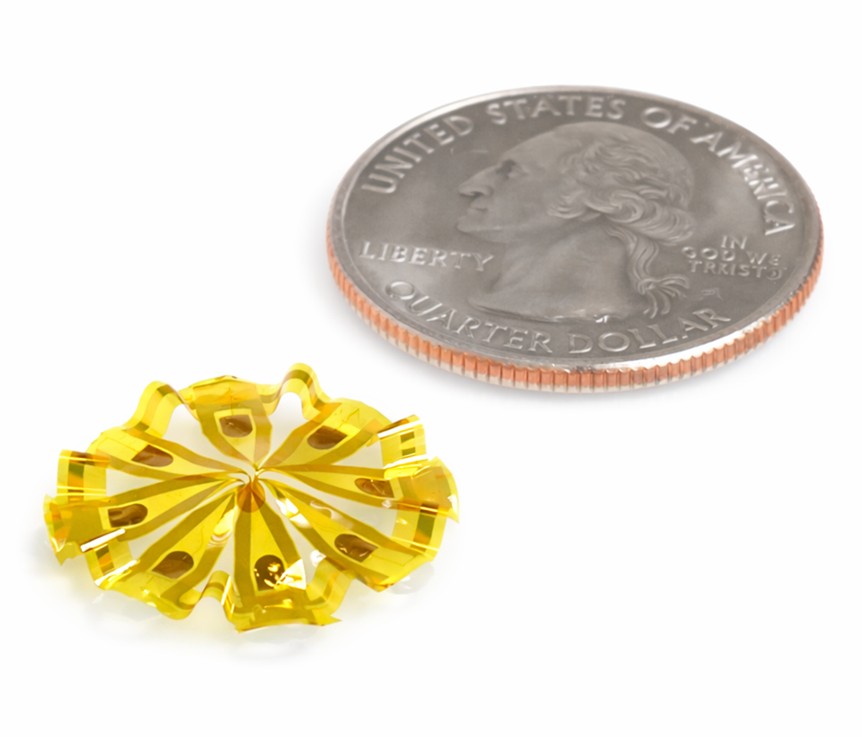
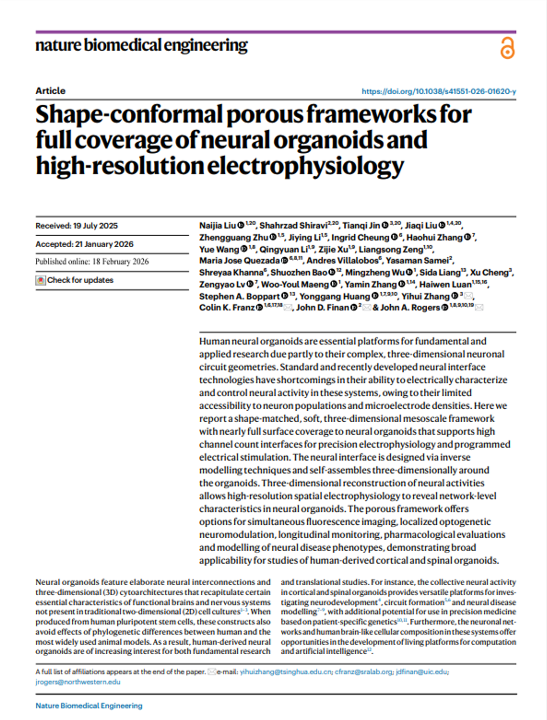
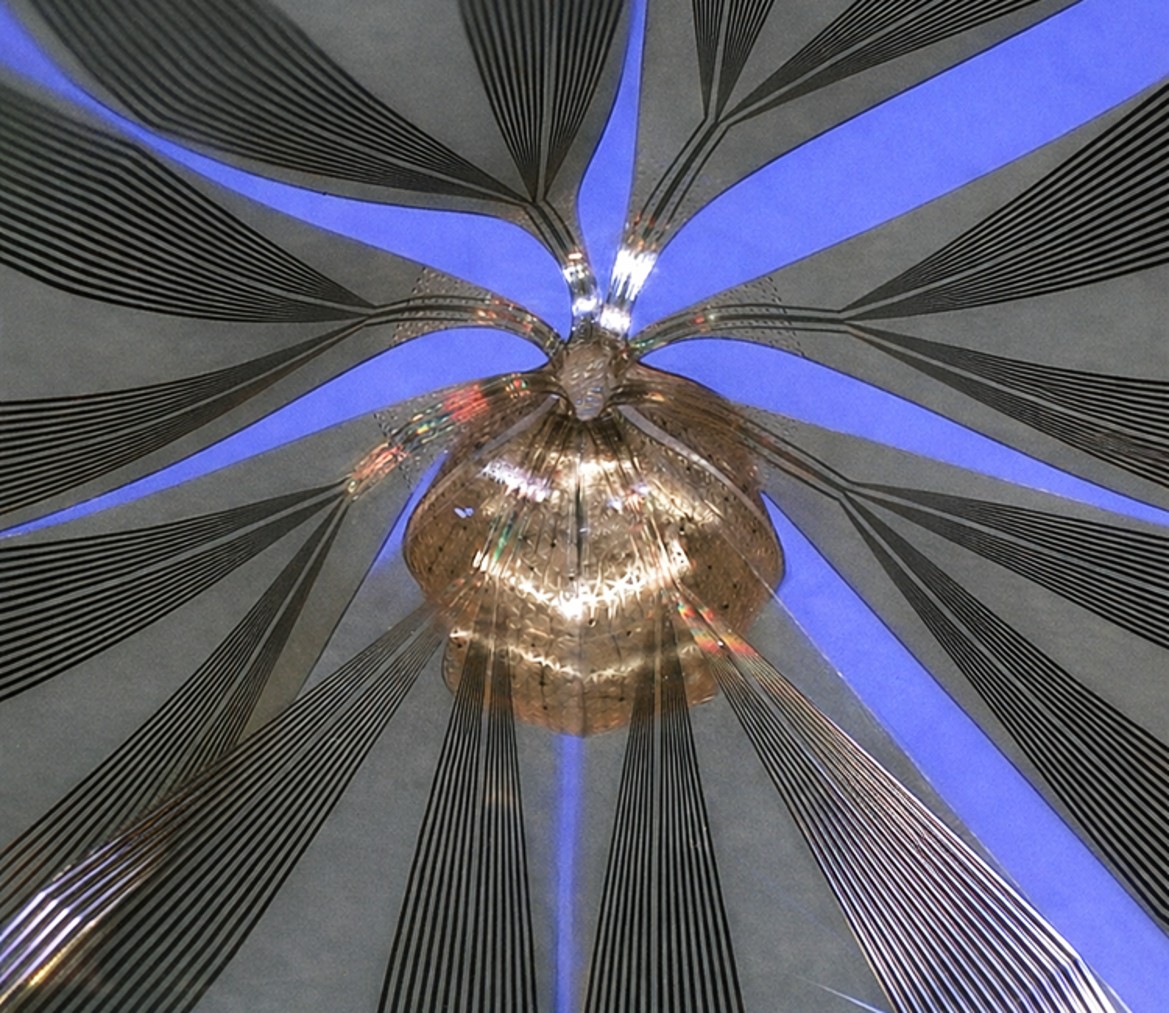
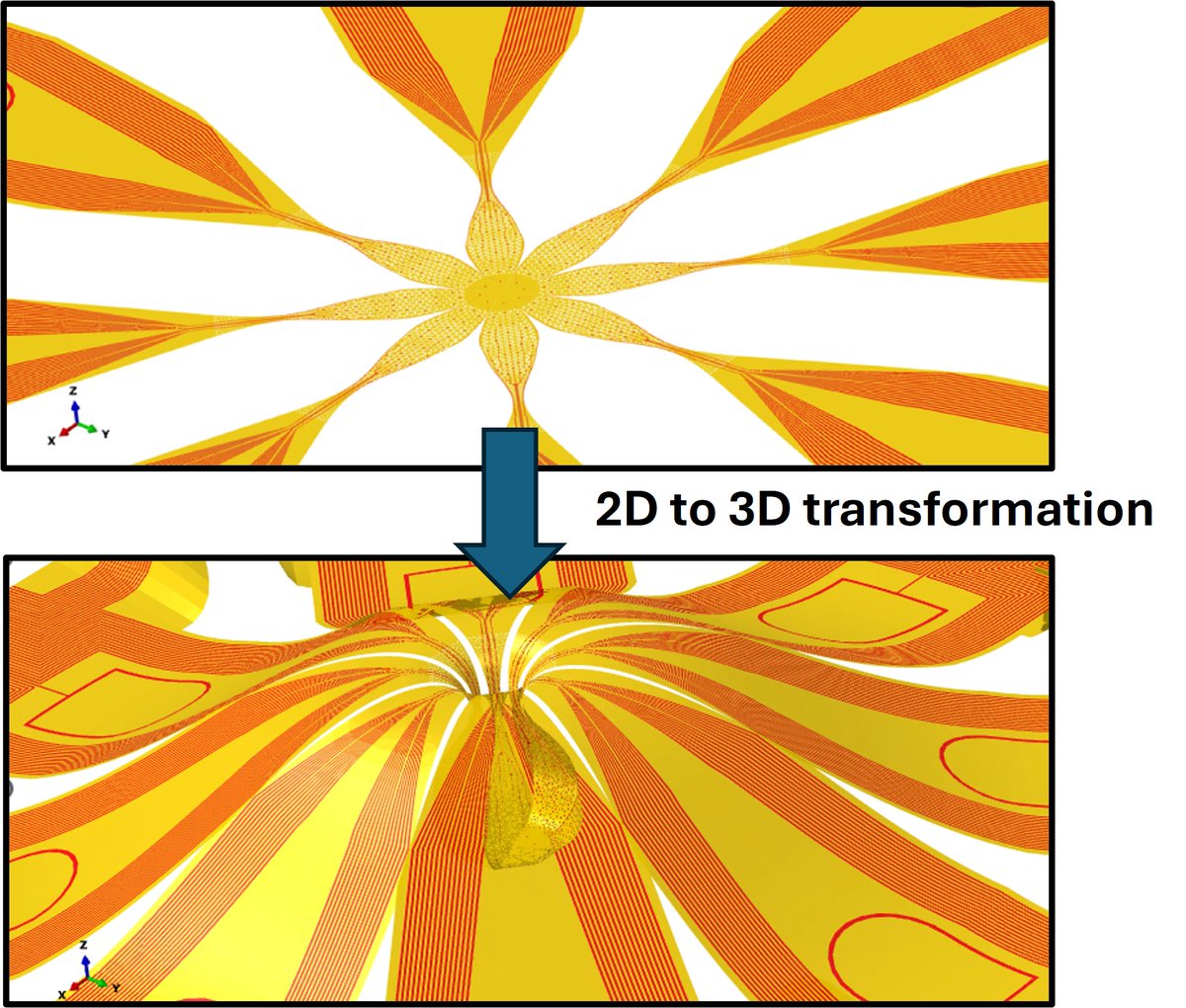
If you’re interested in organoid biology and/or 3D bioelectronics, then check out our paper published today in Nature Biomedical Engineering, titled ‘Shape-conformal porous frameworks for full coverage of neural organoids and high-resolution electrophysiology,’ at https://t.co/Y7MzvRQKTm. This work introduces a technology that enables advanced electrophysiological characterization and modulation of neural activities through shape-matched, soft, 3D mesoscale frameworks with nearly full surface coverage to neural spheroids with millimeter and sub-millimeter diameters. The result provides, for the first time, high channel count interfaces for precision electrophysiology and programmed electrical stimulation in these and related small-scale tissue constructs. Hundreds of individually addressable microelectrodes enable single unit neuronal recording of network-level activity across the entire surfaces of organoids, as well as direct 3D reconstruction of neural activities for spatial electrophysiology, as demonstrated for both human cortical and spinal organoids. The engineering science that underpins these unique features spans across a combination of strategies in deterministic 3D assembly, material architectures through computational inverse modelling, and confined growth techniques. These features, together with capabilities in programmed electrical stimulation, simultaneous fluorescence imaging, and longitudinal recording, are of particular value for broad organoid research, as demonstrated here for pharmacological studies, localized optogenetic stimulation, neural circuit manipulation, and modelling of neural disease phenotypes. Big thanks to Dr. @naijia_liu99833 (a postdoc in our group here at @NorthwesternU) for his essential leadership across all aspects of this project, with important collaborations involving mechanical engineers in the groups of Prof. Yihui Zhang (former joint postdoc with Prof. Yonggang Huang, now on the faculty at @Tsinghua_Uni ), Prof. John D. Finan (at @thisisUIC) and Prof. Yonggang Huang, along with neuroscientists and clinicians in the group of Prof. @colin_franz (at @AbilityLab)! Thanks also to @amanda_mo for a nice write-up on our work for Northwestern News, at https://t.co/v0G8V04byZ.
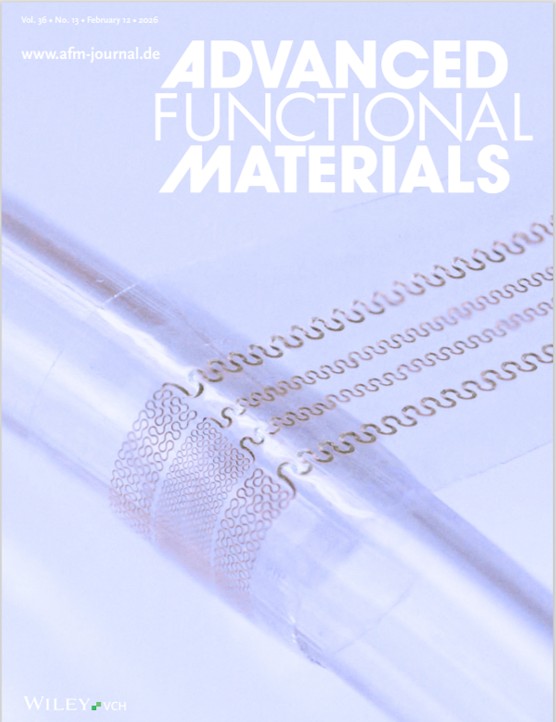
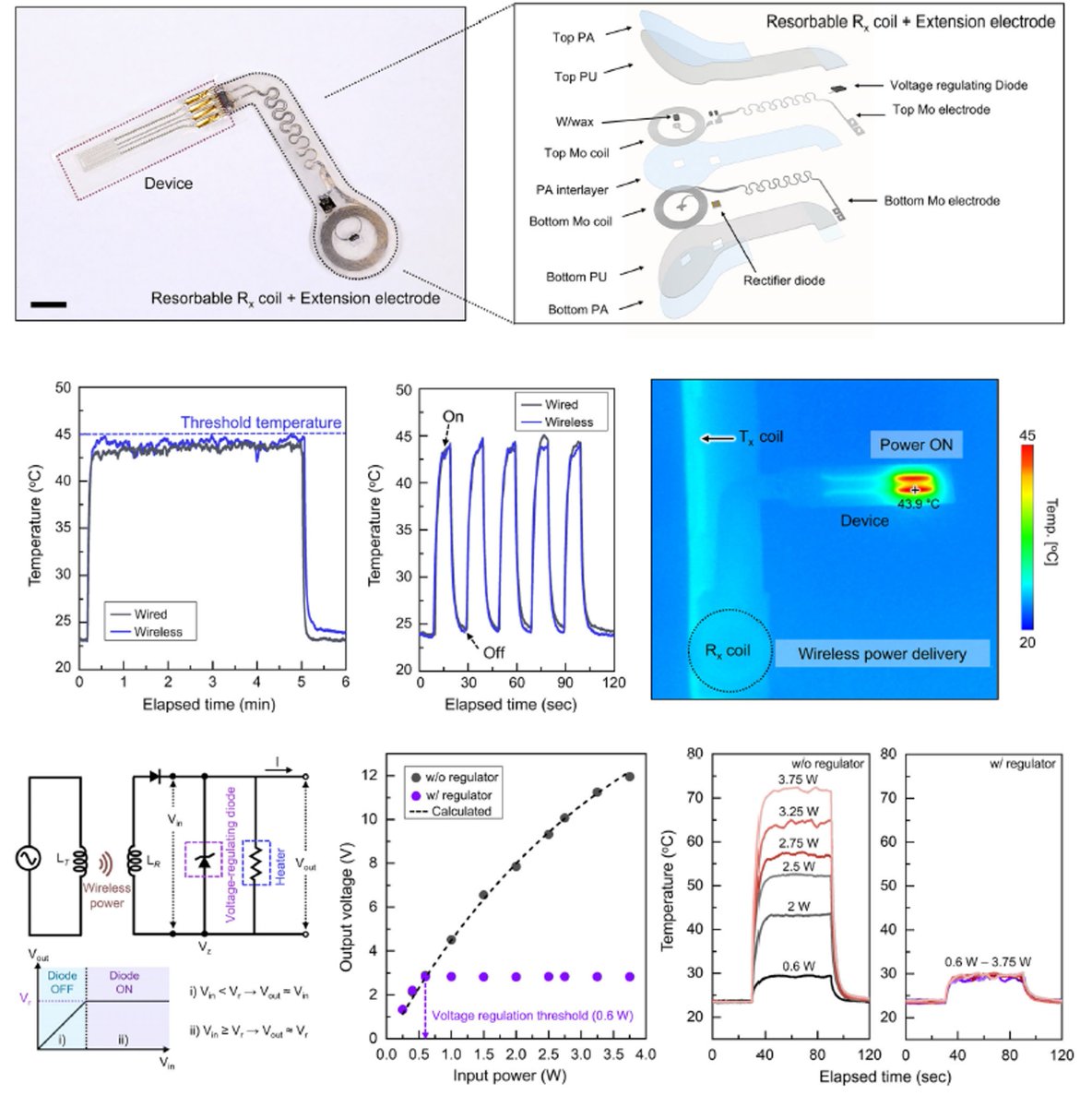
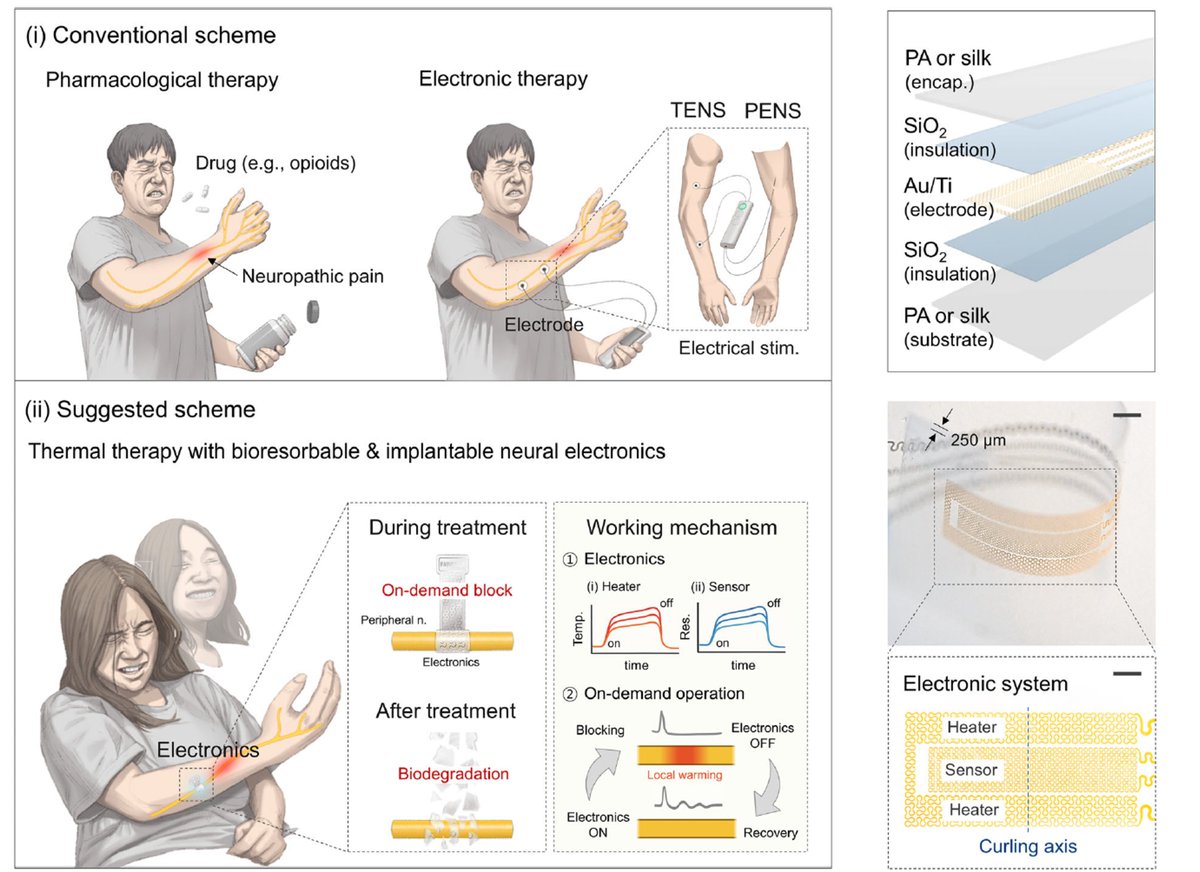
Our latest paper appeared today as a cover (inside front) feature article in Advanced Functional Materials, titled “A Bioresorbable Neural Interface for On-Demand Thermal Pain Block.” The focus is on a bioresorbable, implantable form of neural electronics that supports precisely controlled, reversible thermal modulation to achieve action potential block in peripheral nerves for acute pain management. The integration of a microscale heater–sensor pair in a cuff geometry enables dynamic and on-demand regulation of localized Joule heating with real-time feedback control, maintaining safe therapeutic temperatures. Wireless operation through a resorbable receiving coil with a voltage-regulating component ensures stable power transfer and reliable performance, establishing a practical route toward untethered and clinically deployable operation. The broader significance lies in demonstrating that heat, rather than electricity, can serve as a potentially safe and reversible, non-pharmacological mechanism for neuromodulation, thereby opening new directions for bioresorbable device design in pain control, post-surgical recovery, and other transient therapeutic interventions. As with much of our work in this area, the project involved a highly collaborative effort, in this case originally started by Prof. Geumbee Lee (former postdoc, now on the faculty at Kyungpook National University) and subsequently led by Dr. Jeonghwan Park (postdoc in the group), Dr. @HakYoung_Ahn (postdoc in the group), Prof. Minho Seong (former postdoc, now on the faculty at @PusanUni) and Dr. Taehoon Kim (postdoc in the group) for experimental work; by Yulin Zhou (PhD student with Prof. @AvilaROAD) for modeling efforts; and by Yamen Xu (former MS student in the group, and PhD student with Prof. Matthew MacEwan) for animal model evaluations. Per the full author list, many other people also contributed in important ways. For senior collaborators, we thank Prof. @AvilaROAD (former co-mentored PhD student with Prof. Yonggang Huang, now on the faculty at @RiceUniversity) for modeling and Prof. Matthew MacEwan (Washington University in St. Louis medical school) and Prof. Wilson Z. Ray (Washington University in St. Louis medical school) for medical insights and animal work.
📰 LATEST NEWS❗
🧠 ICN2 ViceDirector & @INBRAINNeuro's CSO, Prof. Jose A. Garrido, featured in Nature Nanotechnology about the spinoff's technology in #BCIs, potentially aiding #Parkinsons & #Epilepsy treatment.
🔍 Find more details & read the article👉 https://t.co/HU2A538gYD
New in @NatureNano, we report enzymatic microbubble robots, a bioresorbable microrobotic platform designed for targeted therapy in vivo. Congratulations to the team! @Caltech Enzymatic microbubble robots | Nature Nanotechnology https://t.co/d4nFpVdACK
Nuclear fusion. People on Mars. Artificial general intelligence. These are just some of the advances that could come by the mid-century mark.
https://t.co/K18FCfddQC
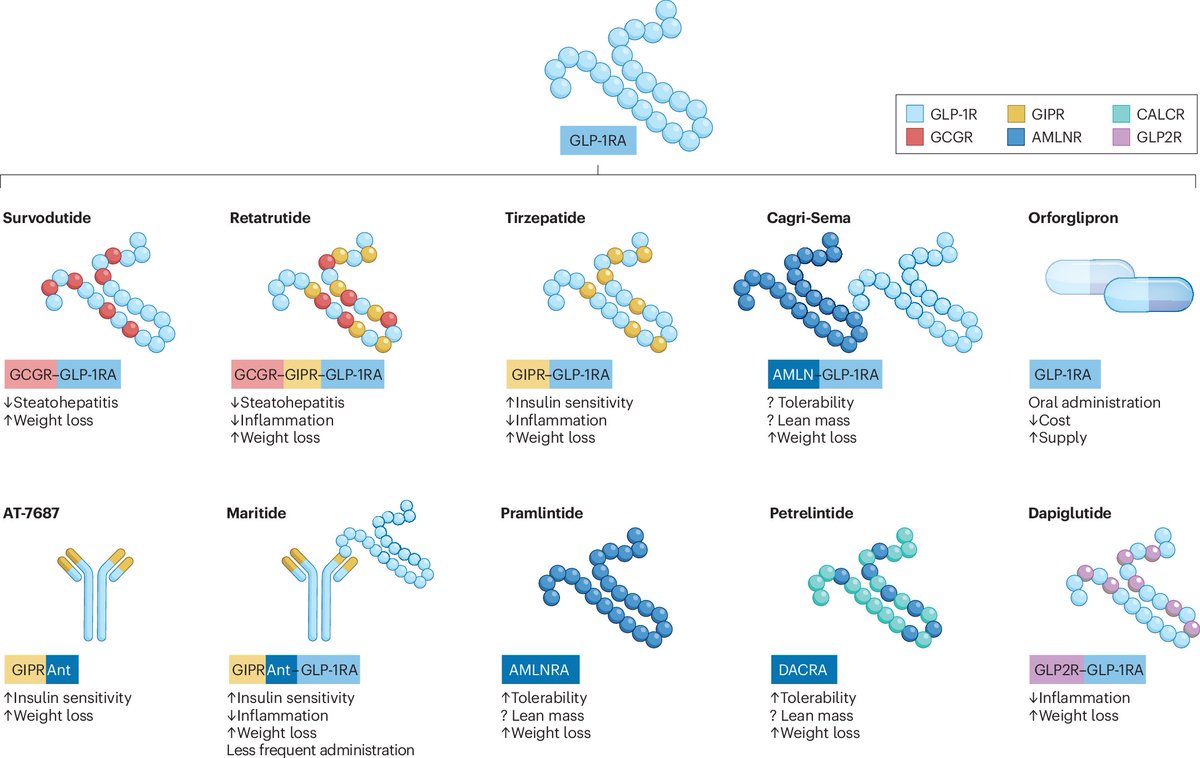
For readers interested in GLP-1-based therapies for metabolic diseases and beyond, here's a recent review
https://t.co/yk9bDSLdvq
https://t.co/X714Dj2BNb
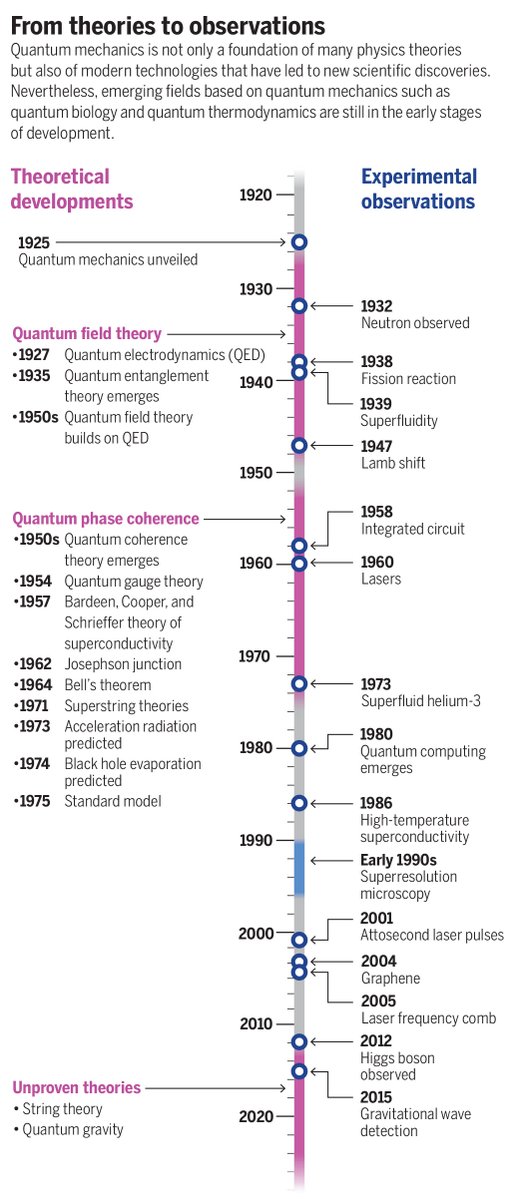
Quantum mechanics has gone from a theory in test to becoming the foundation of new technologies.
Learn more in a new #SciencePerspective that looks at the last 100 years of #QuantumMechanics: https://t.co/dJVd43rqZm
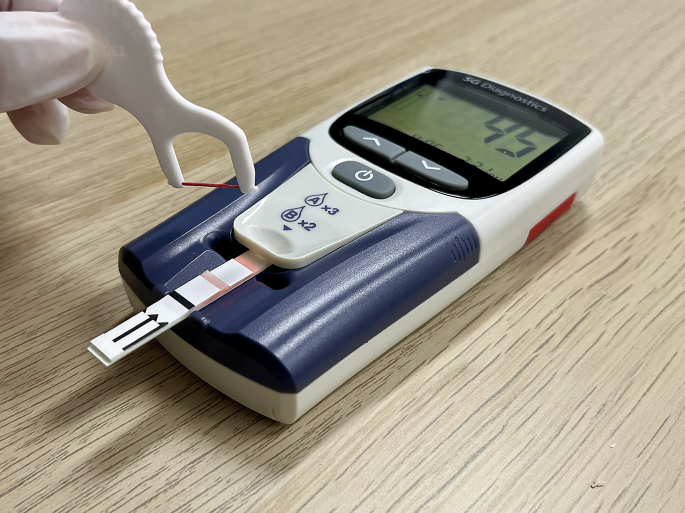
Engineers have shown they can accurately measure blood glucose by shining near-infrared light on the skin. “If we can make a noninvasive glucose monitor with high accuracy, then almost everyone with diabetes will benefit,” says Jeon Woong Kang. https://t.co/93yNTkI0A6