The sci-future I dreamed about as a kid is right here at our doorstep
Did you know you can request the raw photos from the Artemis II mission? There is a lot of information hidden in the RAWs that isn't visible in the jpgs.
Check the next post in this thread for the raw
LE-03 deployment confirmed.
Today's mission with @Arianespace sent another 36 Leo satellites into space–the heaviest commercial payload ever launched–and all spacecraft are in contact and operating nominally on orbit. Three Ariane 6 missions completed in less than five months, bringing our total constellation to 350+ satellites.
Mission updates: https://t.co/kk2WQAdoW0
Leo Europe 3 (LE-03) is targeting Jun 17 at 7:53 a.m. ET/11:53 a.m. UTC for liftoff from Europe's Spaceport in French Guiana. This is our third Ariane 6 mission and our largest Ariane 6 payload to date, with 36 satellites launching using upgraded P160C solid rocket boosters.
With more than 300 satellites already deployed, LE-03 will mark 100 launched with @Arianespace as we continue scaling deployment ahead of an initial service rollout later this year.
Read more about LE-03 here: https://t.co/BpOBHmfphc
Behind the scenes as prep continues for Leo Vulcan 1 (LV-01), the first of 38 Vulcan missions on contract with @ULAlaunch.
Teams have completed integration of the first LEO-optimized Centaur upper stage with Vulcan inside Amazon's dedicated Vertical Integration Facility (VIF-A), allowing ULA to begin the next phase of testing ahead of upcoming Leo Vulcan launches from SLC-41.
Some LC-36 updates. Now that we’ve had access to the pad and integration facility we can share a bit of good news. The propellant farm, oxygen, liquid hydrogen and LNG tanks are all in good shape. This is good luck because these are very long lead items. The water tower is also good. The big support tower is damaged, but it can be repaired in place rather than torn down and replaced. The booster “Never Tell Me The Odds” and the three GS-2s that were onsite in the integration facility also look good.
I’ve seen some speculation that we might move directly to the 9x4 configuration, but we won’t do that. Rate manufacturing of 7x2 is going well, and we’re going to continue that at pace as planned and store the stages for use. In addition, we had already been working for some time on eliminating our transporter-erector in favor of an alternative vertical conop, and we’ll now go directly to that; so we don’t need a new transporter-erector.
We will fly again before the end of this year. Gradatim Ferociter.
🚀 Launch Alert | New Glenn's fourth launch will send 48 @AmazonLeo satellites into low Earth orbit as part of their growing broadband constellation. More details to come soon.
Up next for @BlueOrigin: Leo New Glenn 1 (LN-01).
LN-01 is the first of 24 Leo launches on Blue Origin’s new reusable, heavy-lift rocket, and will be our largest payload yet with 48 Leo satellites on board.
Our four-tier stack is fully encapsulated in New Glenn’s 7-meter fairing and ready for transport to Blue Origin integration facilities at LC-36. More soon.
Official @Arianespace mission patch for Leo Europe 2 (LE-02), our second mission on Ariane 6. The design features in-flight connectivity, just one of the many ways Amazon Leo will deliver fast, reliable internet to customers around the world.
Liftoff of LE-02 is scheduled for April 28 from Europe’s Spaceport in Kourou, French Guiana. Ariane 6’s more powerful four-booster configuration will deploy another 32 Leo satellites within the following window:
• 4:51 a.m. – 5:39 a.m. (D.C.)
• 5:51 a.m. – 6:39 a.m. (Kourou)
• 8:51 a.m. – 9:39 a.m. (UTC)
• 10:51 a.m. – 11:39 a.m. (Paris)
Welcome home Reid, Victor, Christina, and Jeremy! 🫶
The Artemis II astronauts have splashed down at 8:07pm ET (0007 UTC April 11), bringing their historic 10-day mission around the Moon to an end.
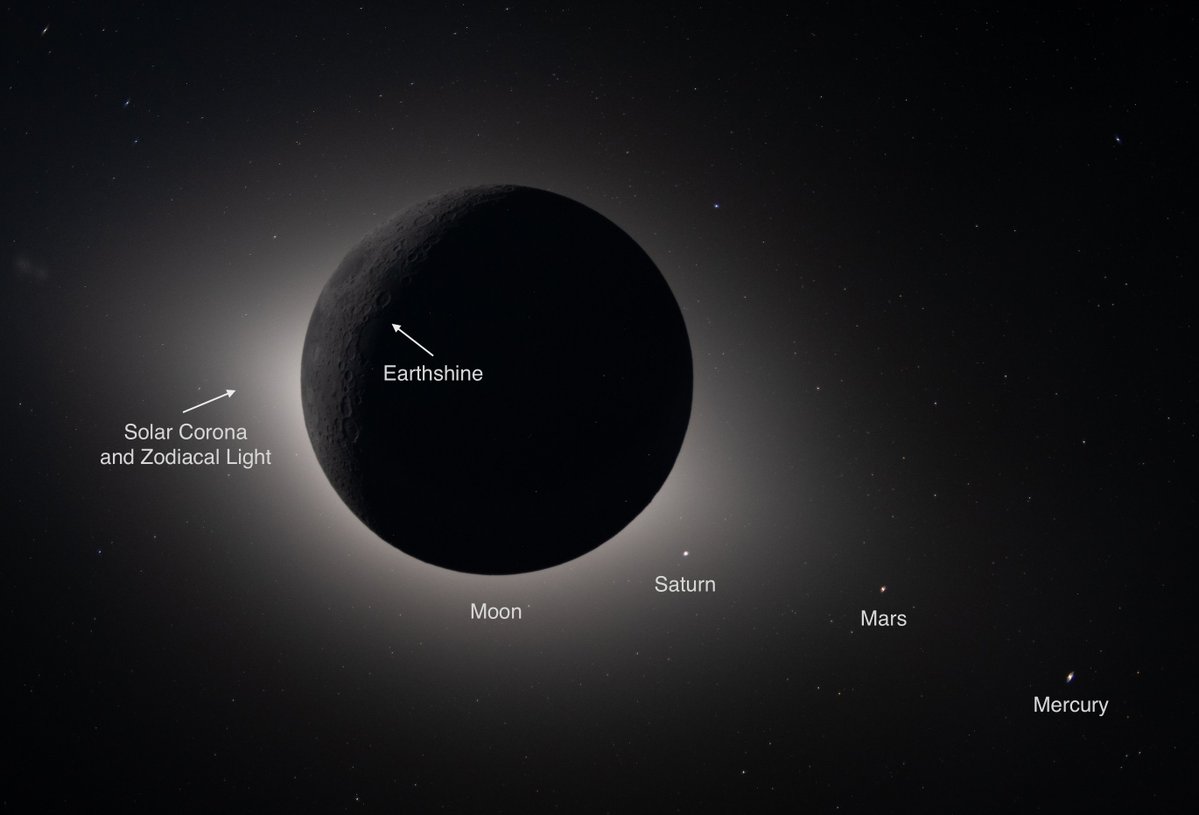
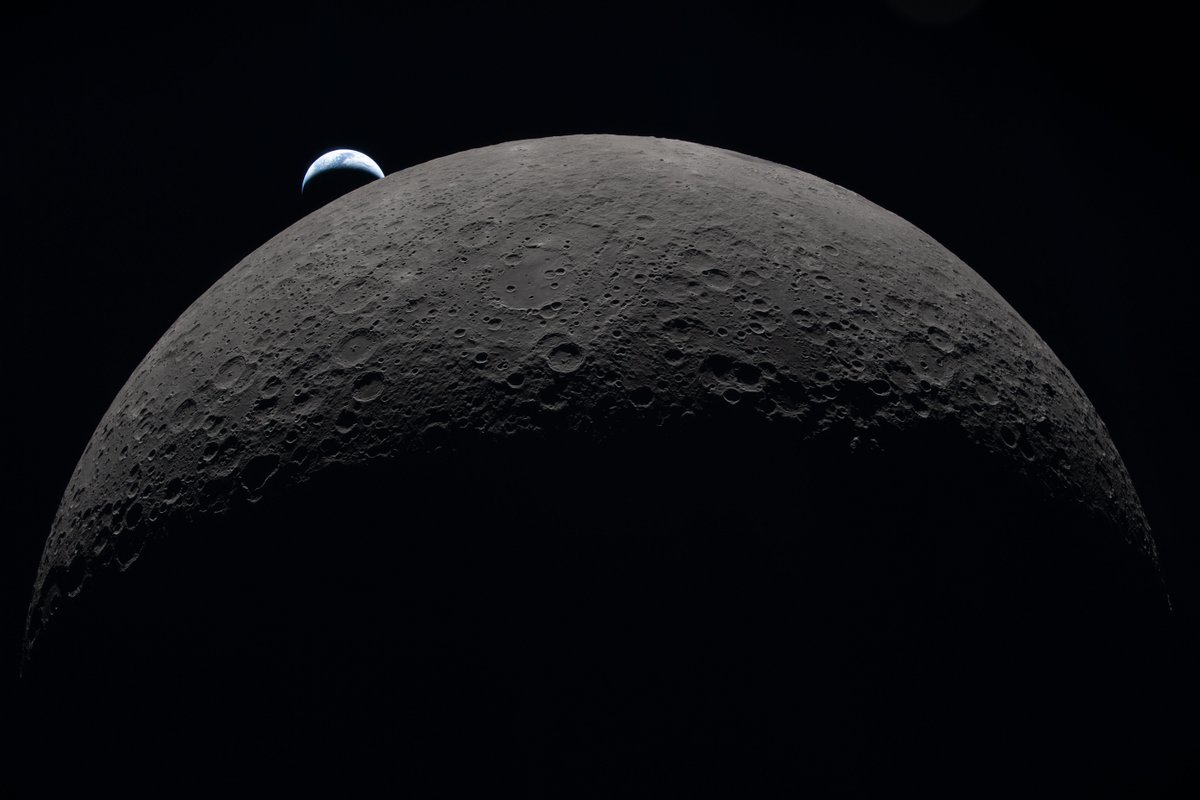
The Moon and light from at least five objects in our solar system appear in this view from the @NASAArtemis II crew: Saturn, Mars, and Mercury, along with reflected sunlight from Earth and the glow of the Sun's corona and/or zodiacal light scattered by interplanetary dust. 1/2
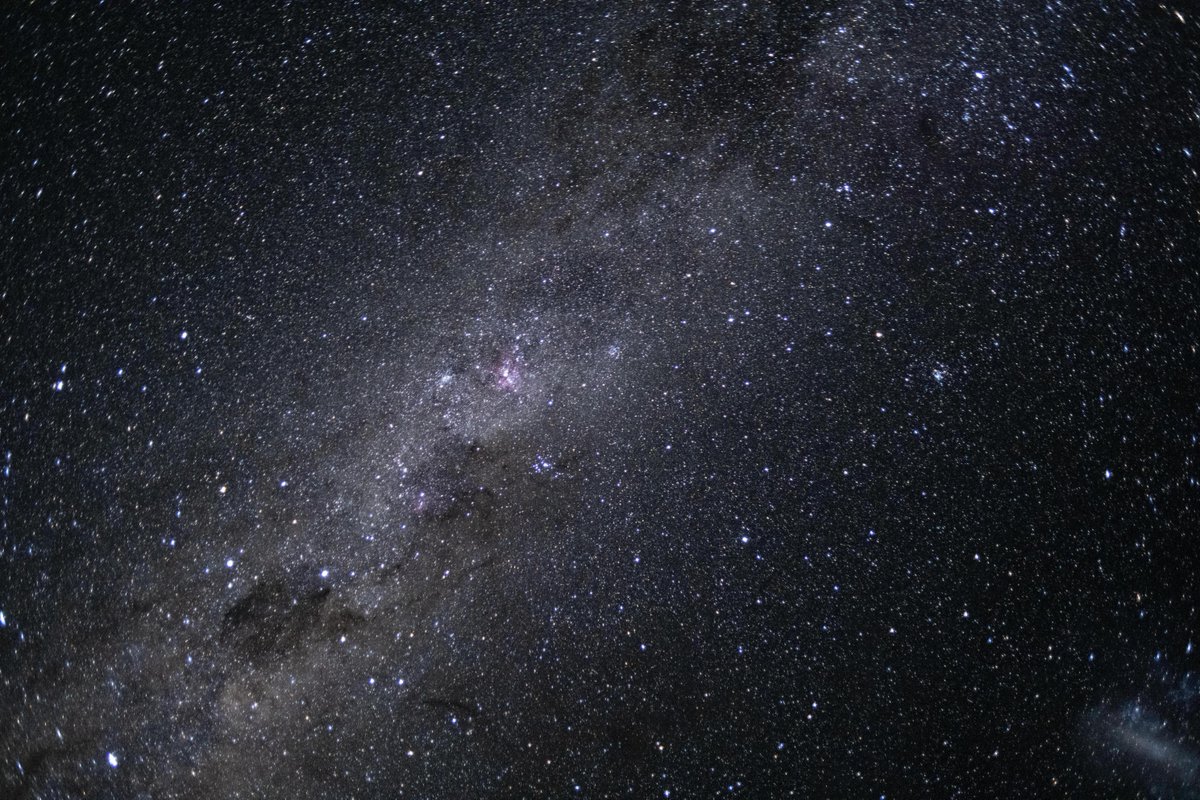
Sky full of stars.
Following a successful lunar flyby, the Artemis II astronauts captured this breathtaking photo of our galaxy, the Milky Way, on April 7, 2026.
Hello, Moon. It’s great to be back.
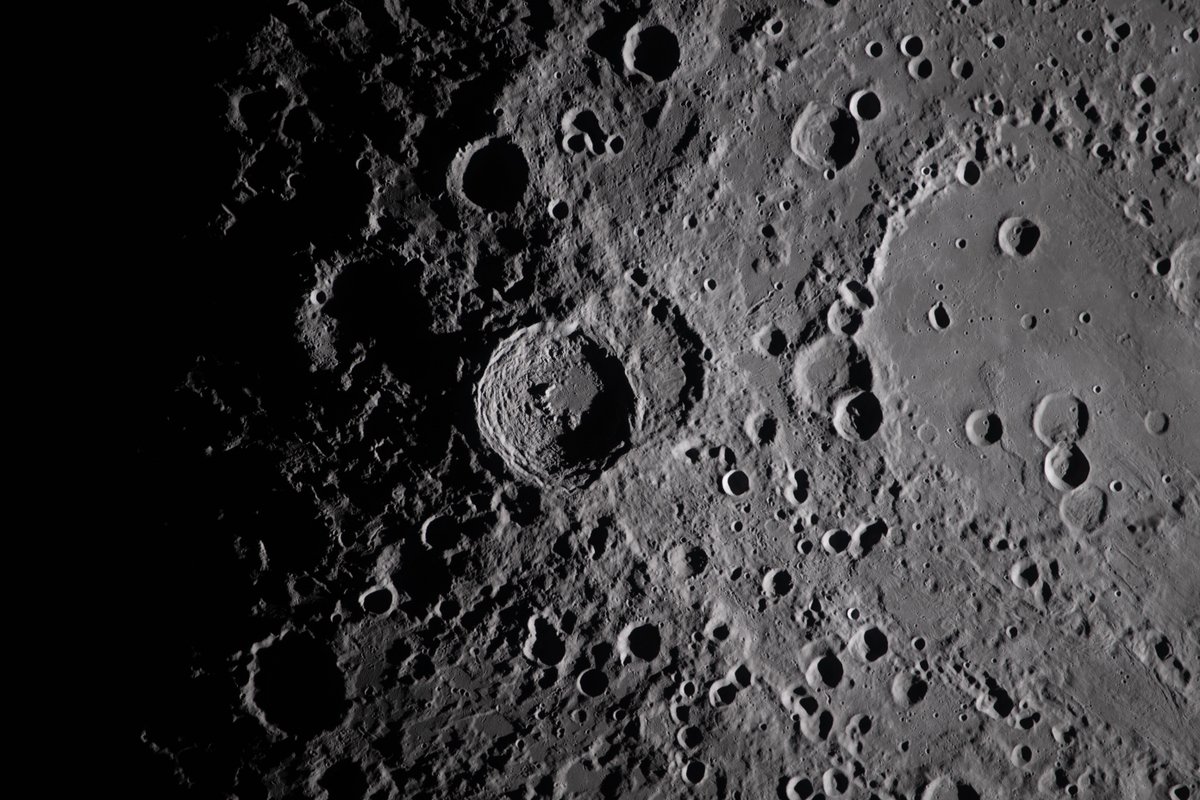
Here’s a taste of what the Artemis II astronauts photographed during their flight around the Moon. Check out more photos from the mission: https://t.co/rzM1P0QbOl
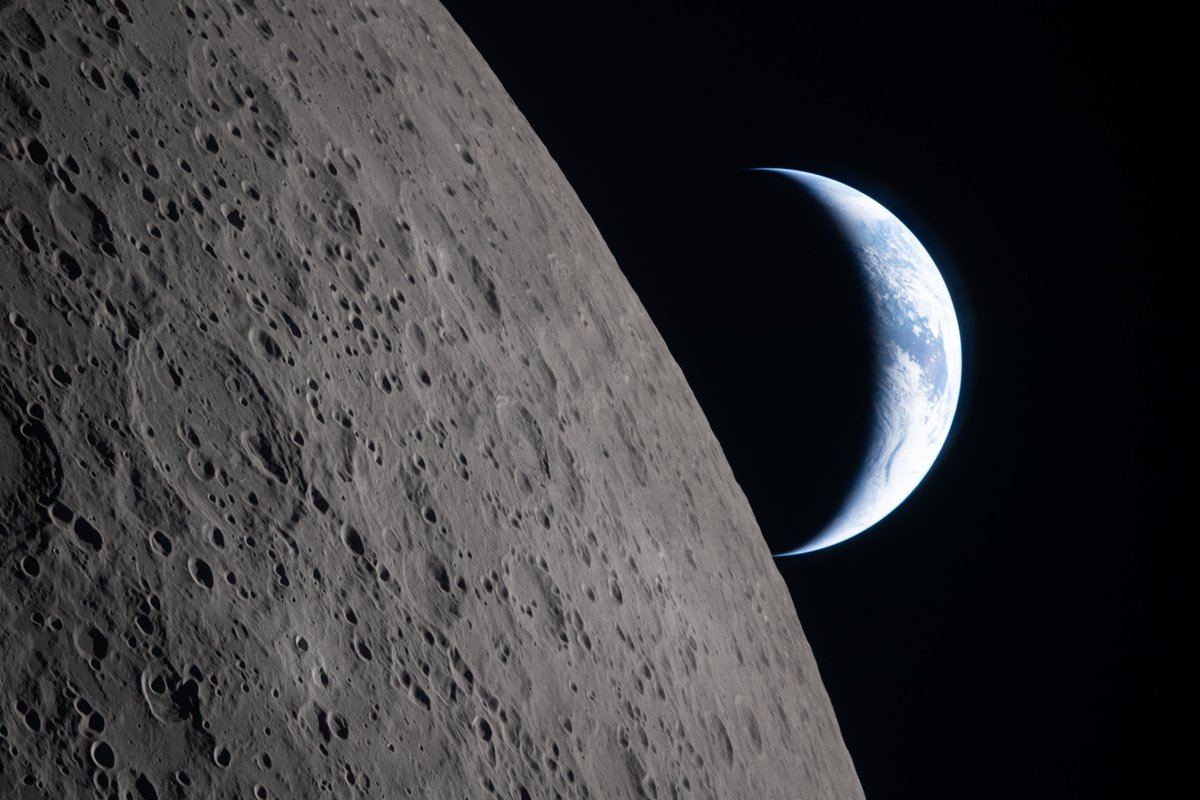
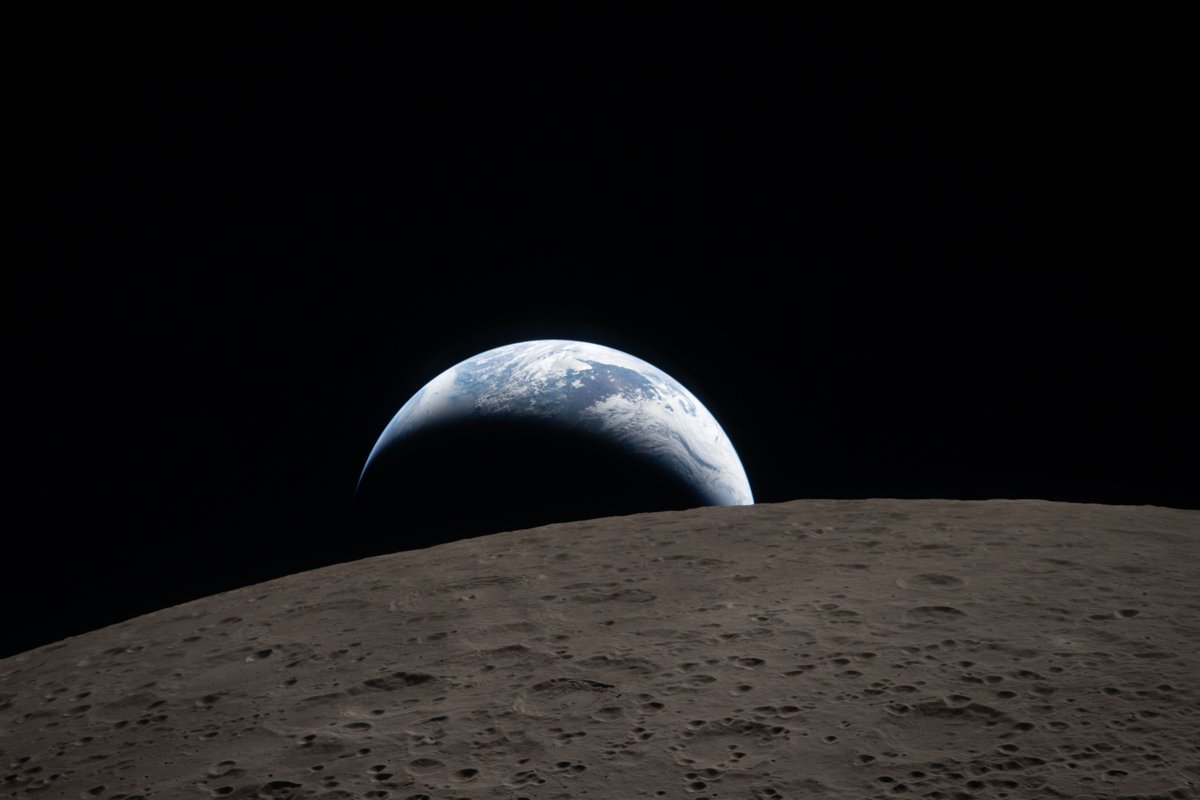
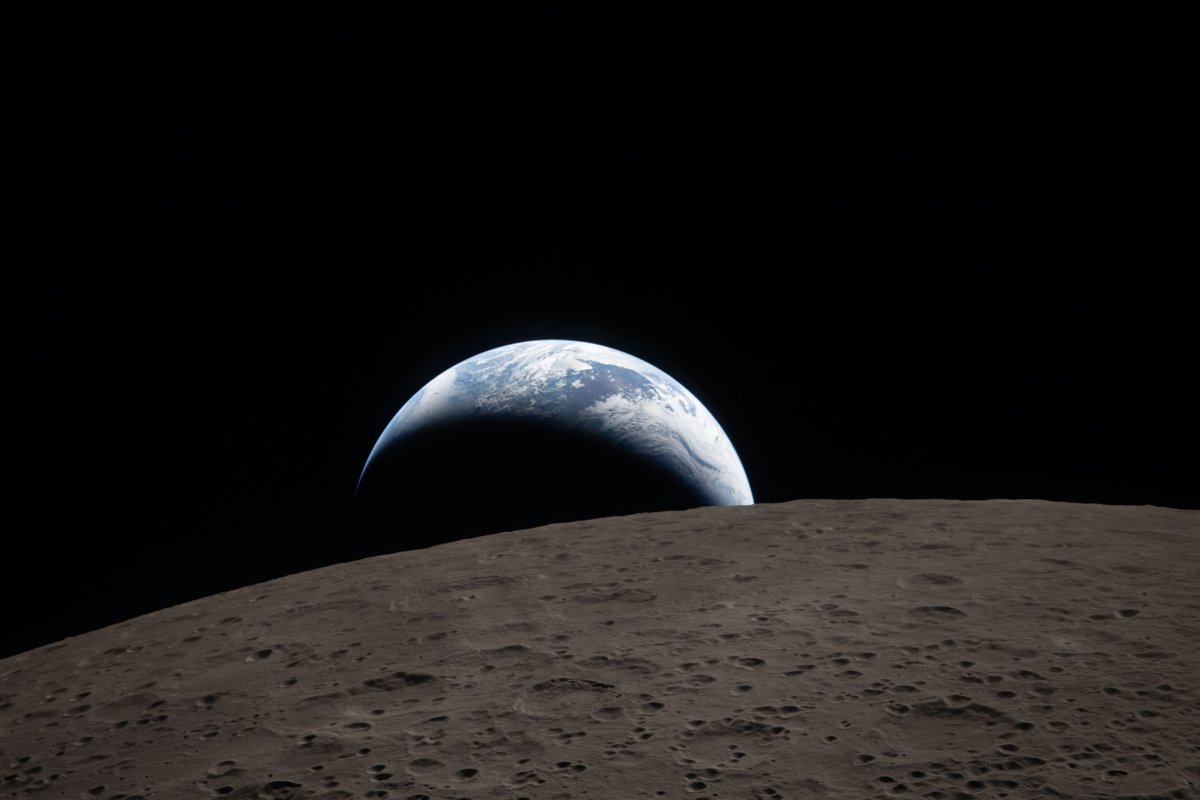
Earthset.
The Artemis II crew captured this view of an Earthset on April 6, 2026, as they flew around the Moon. The image is reminiscent of the iconic Earthrise image taken by astronaut Bill Anders 58 years earlier as the Apollo 8 crew flew around the Moon.
This is just cool to see. @Amazonleo has gone from 27 to 29 sats on Atlas V through hardware optimizations. We’ll see that on LA-05, set for tonight. Then our heavy-lift campaign continues on Ariane 6, plus New Glenn and Vulcan on the horizon. More satellites per launch means we can move faster. Incredible work by the team.