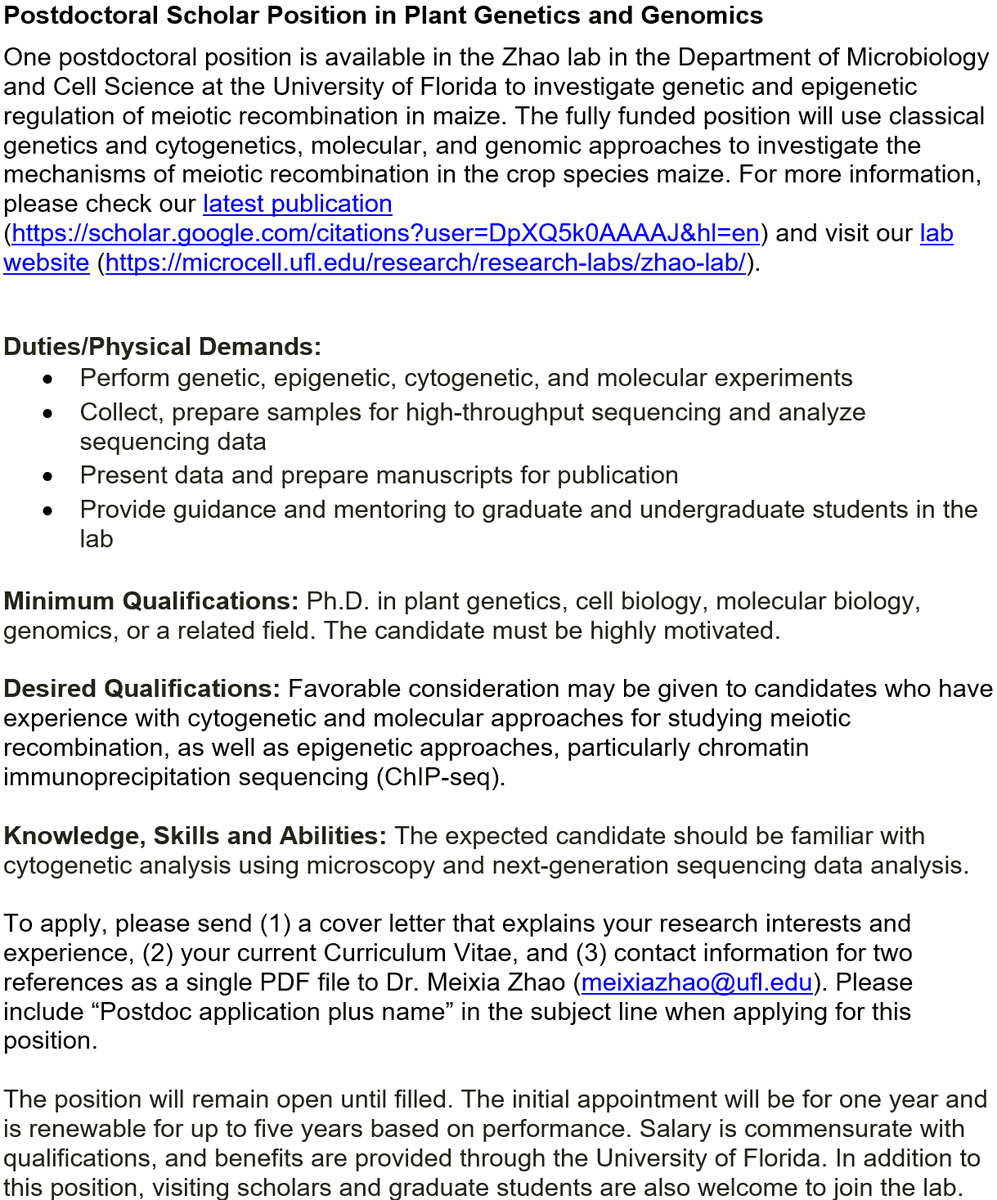
I am seeking a highly motivated postdoctoral researcher to join my lab. If you are interested in genetics and epigenetics, please feel free to contact me at [email protected].
Claude Science is incredible. I gave it some sequencing data, and in 8 hours it did a full analysis, generated figures, wrote a paper, submitted it for publication, got rejected, revised and resubmitted, got rejected again, it is now applying for positions in industry
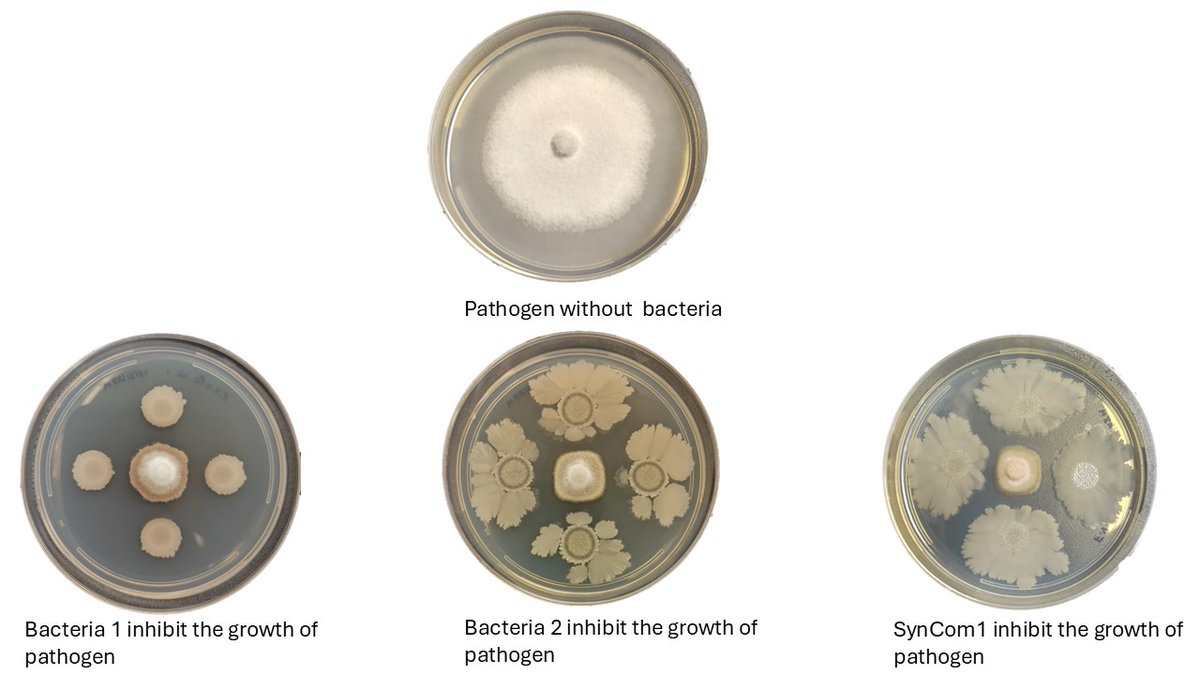
#SoySnippets: Communities collectively can accomplish more — even in the soil. Communities of 5 types of soil bacteria show promise for fighting SDS, says @ArkansasState#SoyResearch led by @asela_1 and funded by Mid-South Soybean Board. https://t.co/zJejsNR33M #SoyCheckoff
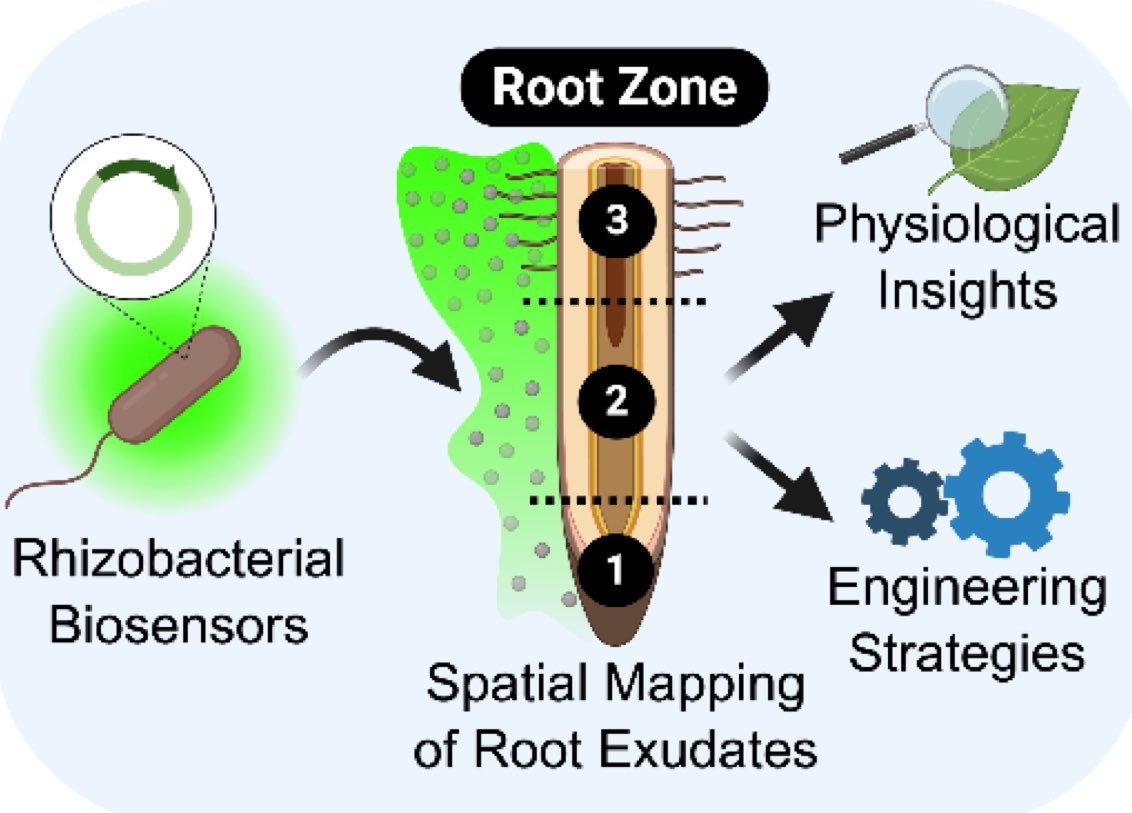
Excited to share our new preprint on rhizobacterial biosensors mapping sucrose exudation 🌱
Work spanning my @TomKatCenter postdoc in @Dinnenylab to my own lab at @uga_plantbio; co-first with my PhD student Gretchen Brinkman: 🧵
https://t.co/xpNFiJbYr8
An exciting foray for my lab into engineering the rhizosphere with sensor microbial strains! Tour de force synbio by Stanford TomKat fellow now UGA Prof @C_M_Dundas and UGA PhD Gretchen Brinkman!
Rhizobacterial Biosensors Spatially Map Sucrose Exudation https://t.co/s4tNa4N4mf
Working together increases success — even for soil microbes. @ArkansasState#SoyResearch led by @asela_1 is creating microbial communities to help soybeans fight SDS, thanks to Mid-South Soybean Board support. #SoyCheckoff https://t.co/zJejsNR33M
New study on honeybee gut microbiota! 🐝
It shows how priority effects allow first-arriving strains to dominate their niche, creating unique microbial profiles even in identical environments.
Cool Study!
@PEngellab
https://t.co/4yja4hGc3h
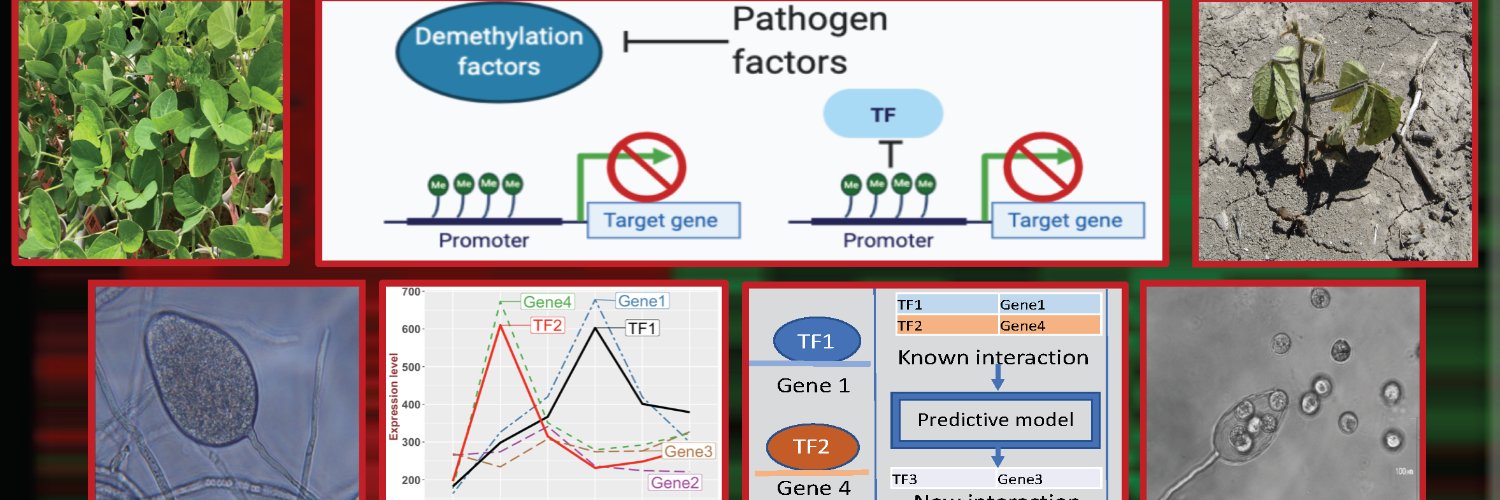
Big things are coming for our clubroot research 🚨
This year, we expect a wave of results across multiple levels:
🧬 Pathogen genomics
🌱 Plant resistance genes
🔬 Single-cell responses during infection
🧪 Virulence factors and effector biology
But as I reflect on all of this progress, I keep running into the same question:
☑️How do we translate these discoveries into real impact for growers?
☑️Why does it take so long for knowledge to move from the lab to the field?
☑️Why can’t we place solutions directly in the hands of producers?
After thinking about this deeply, I’ve concluded:
👉 The next step is to build our own breeding program, and ultimately, a company. A program that allows us to take discoveries, from genomes to genes to mechanisms, and turn them into resilient, field-ready solutions. A company that ensures this happens in a way that is both sustainable and financially responsible for producers.
This is still a vision, a dream. But every meaningful initiative starts somewhere. This year, I’ll be working hard to secure the funding needed to take the first steps. At the same time, I want to start building the team.
🚨 We are looking for:
* A postdoctoral researcher
* PhD students
Ideally, with experience in plant breeding, especially in canola.
If this resonates with you, if you’re excited about bridging fundamental science and real-world impact, and if living in Québec in 2027 sounds like an adventure you’d like to be part of…send us an email to: [email protected]
Let’s build this together 💪
The Programmable Genomics Lab at @UMassGCB
just officially launched our site!
We have a "simple" goal: to develop synthetic regulatory elements that target every cell type in every tissue, and control payload dosage/duration
Check it out!
https://t.co/Ito7awthSF
🔥 New PhD position
Khan's Lab is currently looking for highly motivated student interested in Microbiome Engineering. An MS in microbiology with a special focus on microbial genetic engineering, bioinformatics and data analysis required.
For more https://t.co/ZtHocGGTnC
🚨Hiring! Our group @NCMBMnews seeks a Research Scientist contributing to:
• Reproducible pipelines for large-scale genomics
• cisreg signature analysis in breast cancer
• Continued development of JASPAR
• Cross-disciplinary collaboration
Apply now 👉 https://t.co/SQLZ2ZCe7Y
Meta-analysis of the uncultured gut microbiome across 11,115 global metagenomes reveals a candidate signature of health: Cell Host & Microbe https://t.co/GmVXBJj4sc
Anthropic just released a brand new Claude Code Best Practices Doc.
Instead of reading through 30+ pages, read this one article instead.
I distill the new doc into 50 practical Claude Code tips.
Whether you're a beginner or an advanced user, you'll extract value.
📢 2 PhD Positions - Plant Immune Receptor Bioengineering at Imperial College London
🌱 Start: Oct 2026
📅 Deadline: 10 Feb 2026
🇬🇧 UK/settled status only
💰 Fully funded (48 months)
ℹ️ https://t.co/JEoV7SJ29i
#PlantImmunity#PlantPathology
🙏 Share with interested candidates!
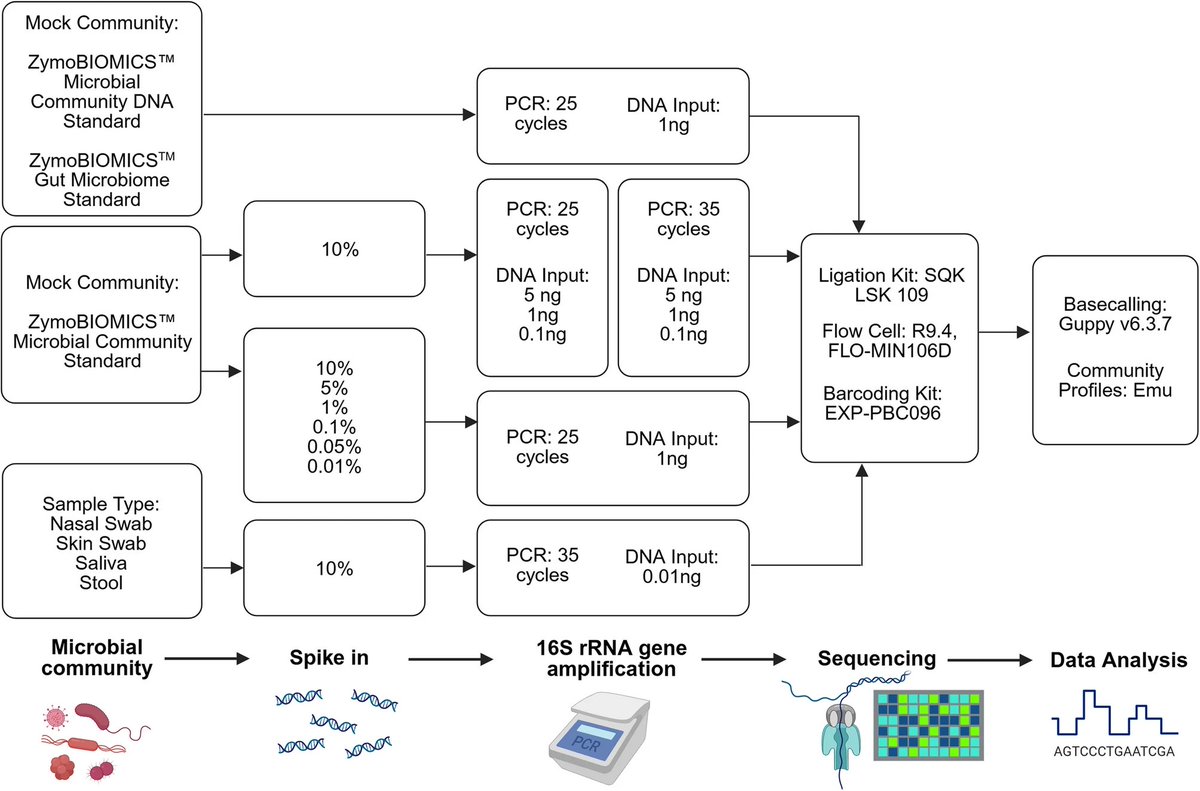
Quantitative profiling of bacterial communities via full length 16S rRNA gene sequencing with internal controls: optimization and validation across diverse human microbiomes. #nanopore#16S https://t.co/NbBXuYnOc1
SPARKI: a tool for the statistical analysis of pathogen identification results https://t.co/8uJBGL9YBw 🧬🖥️🧪
#Rstats code: https://t.co/HxsviHClef
#Nextflow workflow: https://t.co/ytu4YuWo9m