New preprint in which we built and simulated full-length models of α-Synuclein fibrils to reveal how the fuzzy coat mediates selective binding of peptides to amyloid fibrils
Work led by Carlos Pintado-Grima in a nice collaboration with Salvador Ventura's lab
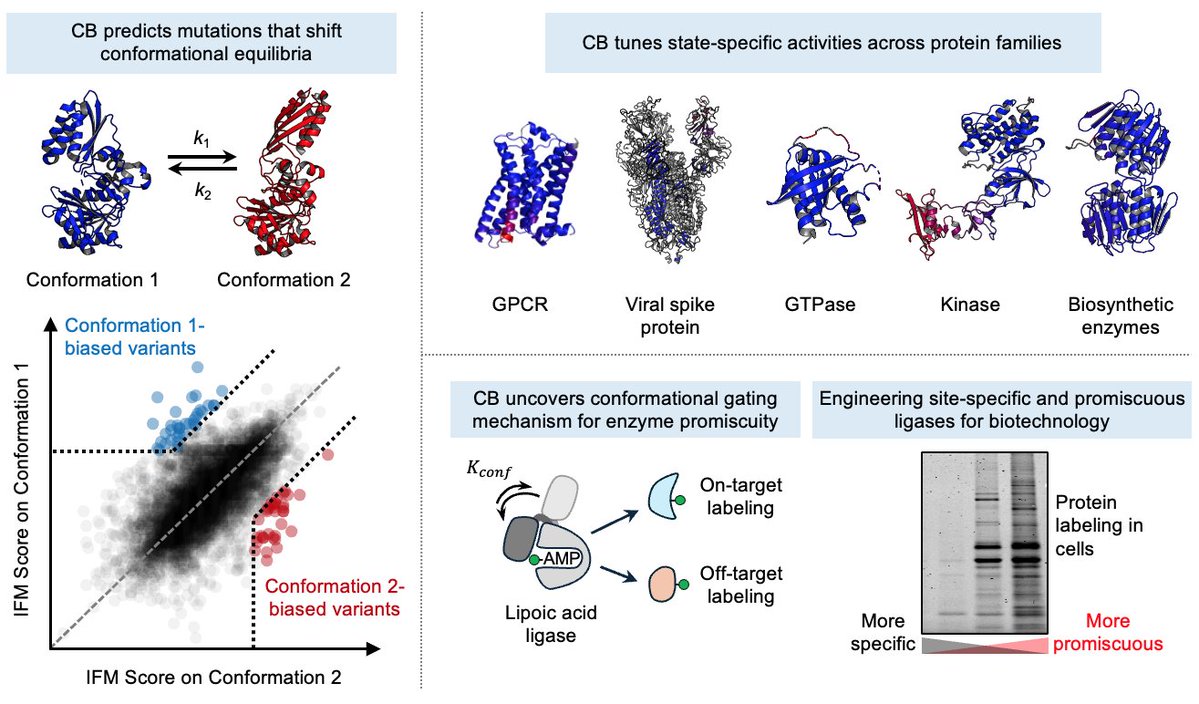
Can we design mutations that predictably bias proteins towards desired conformational states?
Today in @ScienceMagazine, we introduce Conformational Biasing (CB), a simple and scalable computational method that uses contrastive scoring by inverse folding models to identify conformation-biasing mutations.
https://t.co/lbWzHNdMRJ
(Part 1/2) Excited to share that our work, led by PhD student Keerthivasan Muthukumar (@kvasan452) and postdoc Dr. Dinesh S. Devarajan (@Dsundara993), is now published in PNAS (https://t.co/BUp9AEOWDi).
Dystonia-associated Torsins sustain CLCC1 function to promote membrane fusion of the nuclear envelope for NPC biogenesis https://t.co/HAgKYYwEGG #biorxiv_cellbio
I am hiring at the PhD or Postdoc level. I am looking for motivated candidates willing to work on a challenging project at the frontiers of what we understand of protein colloidal stability.
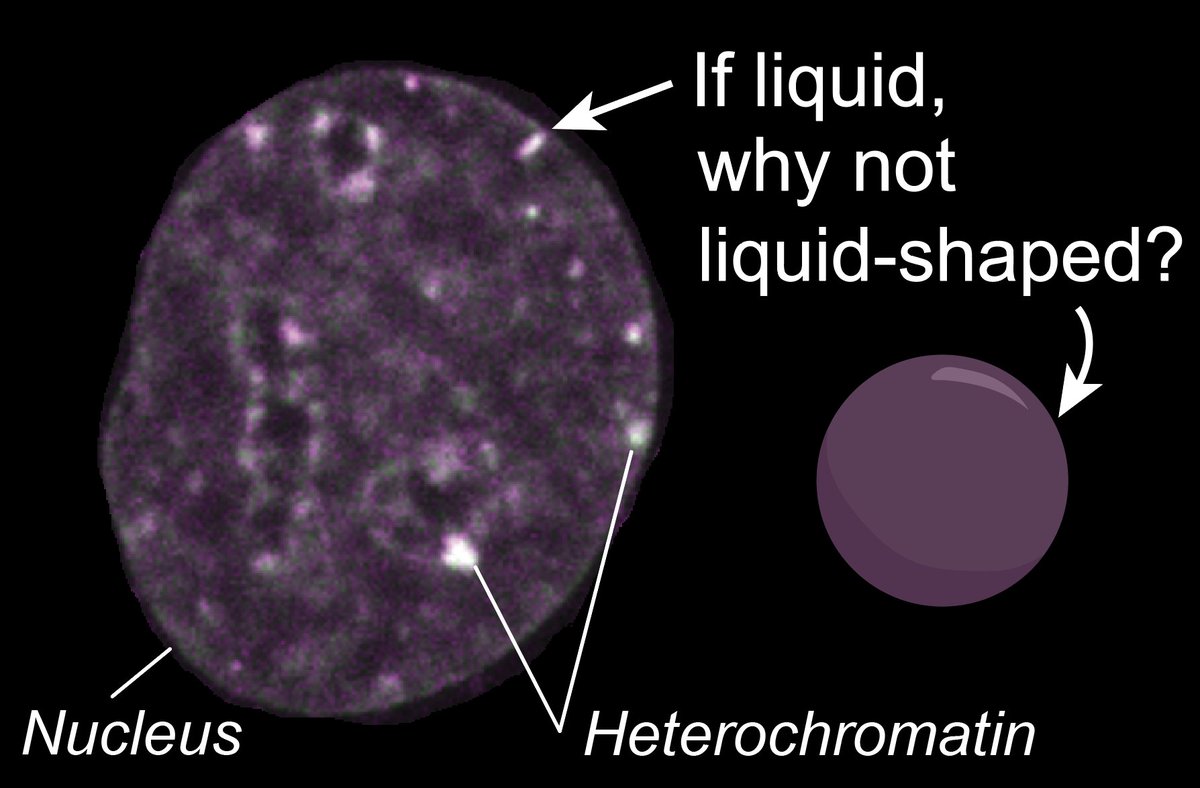
If heterochromatin is really a liquid-like condensate, why is it not spherical?
We investigated whether mechanical interactions between a condensate and a fiber network can explain the variety of morphologies seen in phase-separated nuclear compartments.
https://t.co/5xS4iDmhhA
Excited to share the new work from the Carvalho lab
@Dunn_School! 🎉This was part of my PhD & a collaboration with the @LabVanni
& Ernst labs!
Big thanks to everyone involved! 🙌
Read more: https://t.co/Al4AmM4nnn (1/2)
Join our interdisciplinary team developing computational approaches to understand and engineer biomolecular condensates. We’re looking for a postdoc—please apply or share with interested persons! 👩🏽💻💧🧬 https://t.co/DbCFbr9zZD
ABHD17 enzymes remove fatty acids from #membrane proteins like NRas. New work from Holme, Sapia, @LabVanni, Conibear @UBC et al. show that their activity depends on two mobile regions: an S-acylated N-terminal helix and a loop. https://t.co/thoBpGyYHo
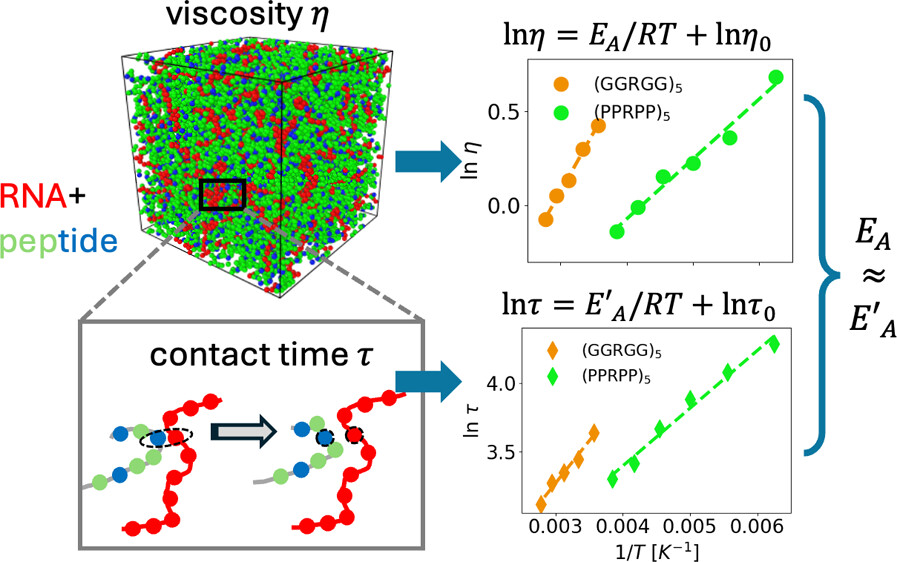
In collaboration with @BanerjeeLab_UB, we dive a little deeper into the microscopic interactions and sequence patterns shaping condensate activation energies https://t.co/A2nBb7TZzh. For more context, see also our prior work https://t.co/tba15pwksw
Super excited to preprint our work on developing a Biomolecular Emulator (BioEmu): Scalable emulation of protein equilibrium ensembles with generative deep learning from @MSFTResearch AI for Science.
#ML#AI#NeuralNetworks#Biology#AI4Science
https://t.co/yzOy6tAoPv
We did this crazy project where we tried to see if proteins could interact with their mirror image ligand. Seems impossible when proteins need to form 3D structures to interact. But what about if the interaction remains disordered???
https://t.co/eo5LKQX2WA
@JiaqiZhuDartmth and I are excited to share our new manuscript characterizing the conformational ensembles of covalent adducts formed by a disordered protein and small molecule drugs
https://t.co/tr4ojqXXNJ
Code + Ensembles:
https://t.co/bMlokI1p9a