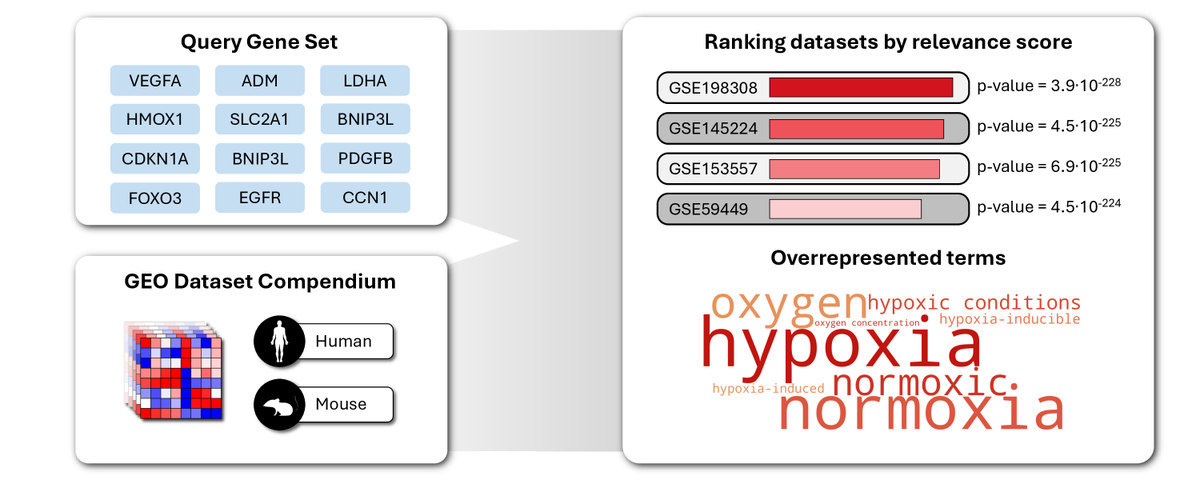
I'm happy to present our new web-tool CORESH https://t.co/r1bswFuZXo for searching public gene expression datasets using gene signature as a query, developed by @vd_sukhov, which was just published in @NAR_open https://t.co/PdDMgQz56a 1/n
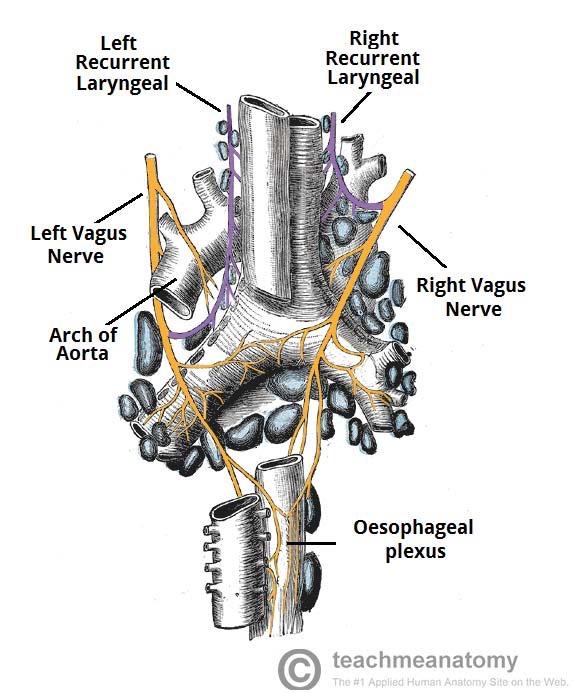
AI is a tinkerer, not an engineer. Writing a complicated piece of code with AI is somewhat like evolution. You can get to a local minima with such a bad architecture that the only way out is to scratch it and start again. Like the unfixable left recurrent laryngeal nerve route.
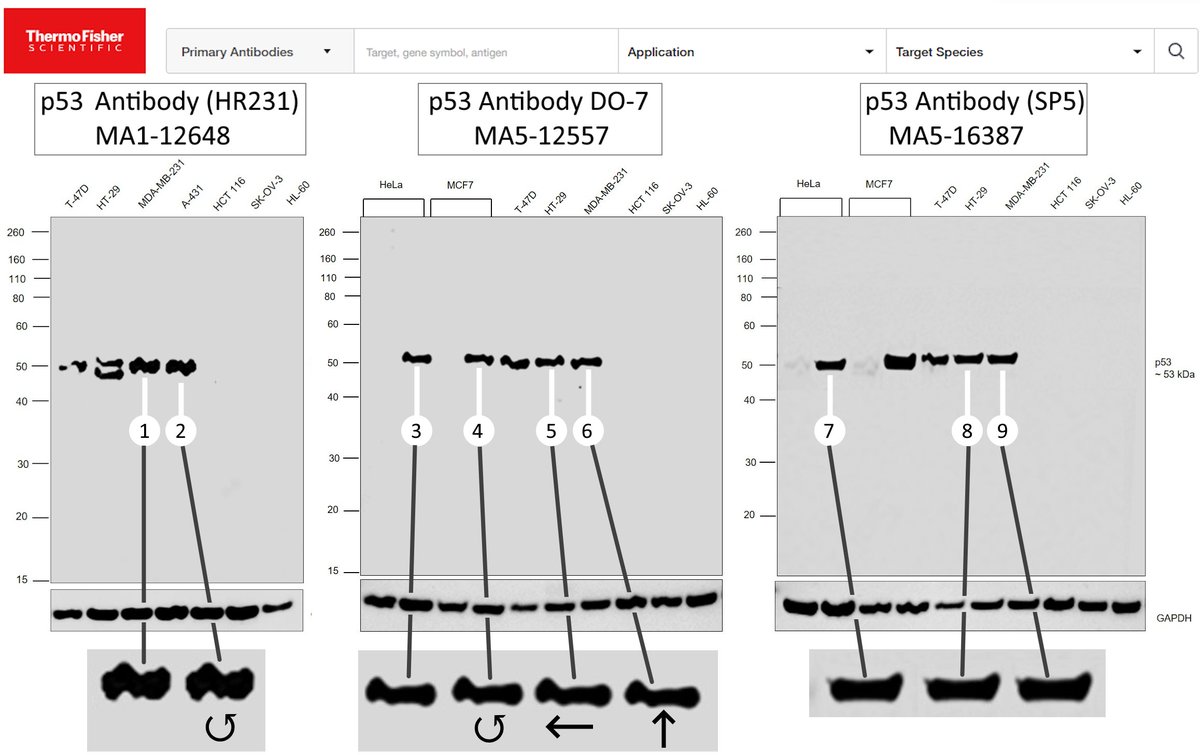
Earlier this week I posted an example of a fake western blot provided by ThermoFisher to demonstrate the validity of a p53 antibody. I considered it an amusing curiosity. In fact ThermoFisher has systematically manipulated antibody validation data. Short Thread... 🧵
Interested in single cell and spatial genomics? Check out the agenda for our 10th Single Cell Genomics Day on Friday 6/12.
Speakers: Aviv Regev @anshulkundaje@junyue_cao@xinjin + many more! All talks are free and live-streamed at https://t.co/KJpeGwWLIr
In 2021 we identified GZMK+ CD8 T cells as Taa - age-associated subset of cells in mice. How they developed remained unclear.
Today, our latest work on the mechanism of development of age-associated GZMK+ CD8 Taa cells in old mice is now out!
https://t.co/4D2FsdxeOL
"Inflammaging in aged tissues drives remodeling of the CD8+ T cell compartment" let by Irina Shchukina and co-supervised by Gwendalyn Randolph with a huge team that helped to make it happen.
We definitively show that:
1. GZMK+ Taa cell development is cell extrinsic and requires antigen exposure in aged tissues.
2. We introduce major new model that accelerates immune aging in CD8 T cells and show that low-grade inflammation accelerates CD8+ T cell aging and Taa cell accumulation.
3. Aged adipose tissue acts as a niche that supports progenitor Taa cells and overall development of these cells.
Not sure how to feel about it, but someone rewrote—I guess with Claude Code or something—fgsea to Rust with Python bindings. Not an endorsement, but I know some people were interested in using it in Python, so here it is: https://t.co/vHkTlQnr3e
@vsbuffalo I wonder when will we get a virus in the form of LLM prompts that's going to hijack people's API codes (or even pay for itself) to copy itself to new machines.
@slavov_n I mean that achieving IMO gold sounds pretty realistic. And I expect it's going to be tested this year in a proper environment, like it was done for ICPC.
Competitive programming is officially joining chess as a sport where computers outperform humans. The only question is how expensive this "experimental reasoning model" was to run. Btw, it makes SPbSU's achievement of solving problem G in just 3 attempts even more impressive.
@lisyarus@shipilev I got this problem frequently with my browser, but then learned that Firefox has an option to not close window with the last tab. Now I can press and hold Ctrl-W to my satisfaction!
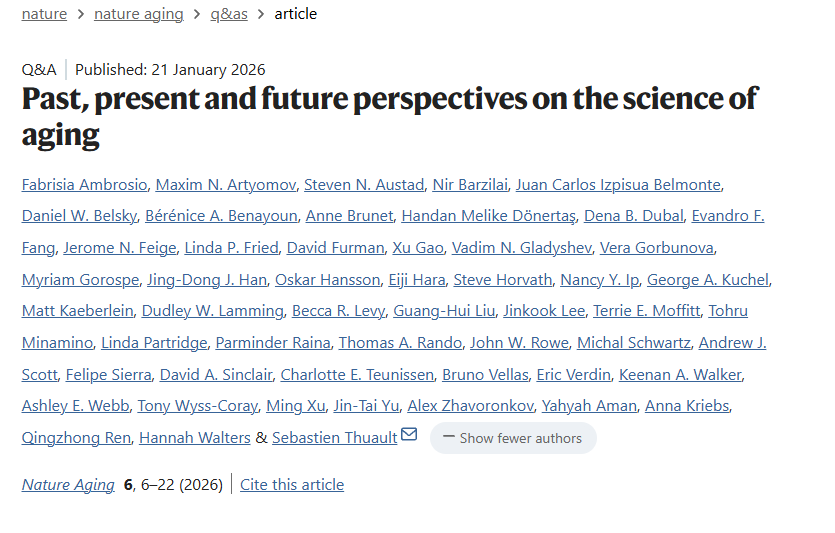
#aging#rejuvenation#outlook#Community@NatureAging just published a very nice piece describing the view on the field of aging from ~30 experts in the field, humbly yours including:
https://t.co/MvSVJvguaE
In addition to reading the key messages that were nicely assembled by Sebastien Thuault and Hannah Walters, i strongly recommend to read supplementary material to that article, where each of the authors more extensively asnwers to these 10 questions - it is incredible source for discussions, debates and raw insights:
1. Is there one advance in aging or age-related disease research from the past 5 to 10 years that changed how you think about the field, and why?
2. What have we learned about translating geroscience from model organisms to humans, and where do the biggest gaps remain?
3. The field of aging is very broad, covering biology, clinical, public health and social sciences. Has your work or thinking been inspired by approaches or findings from separate disciplines?
4. Which single shared resource (e.g. dataset, biobank, model, tool) would most accelerate progress in your field?
5. How should we balance large, collaborative team science efforts and the focus and agility of individual labs to drive research forward? Should there be more big-team science in aging research?
6. Where do you see research on aging and age-related diseases having the biggest impact on clinical care and public health now and in the future?
7. If you could change one funding or regulatory policy to speed up progress, what would it be and why?
8. There is growing public interest in aging and age-related disease research. What can researchers do to ensure that aging science can be trusted and benefits everyone?
9. What advice would you give to researchers entering the field now?
10. Where do you see your field heading in the next 5 to 10 years?