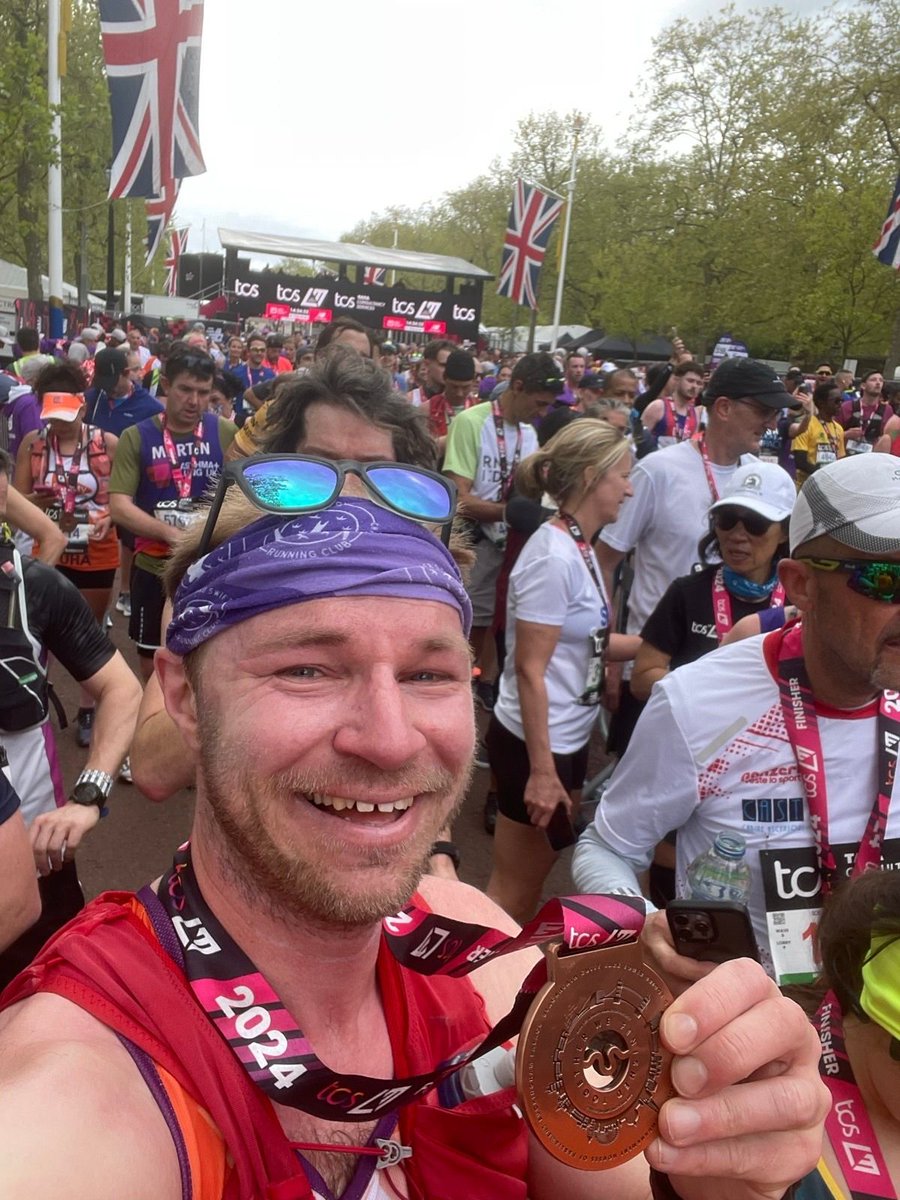
7 marathons, 7 days. Finished off in wild style by asking my legs to speed up at mile 20, and they responded with more than I could imagine. I've learned so much about myself this last week, but mostly I've learned how kind other people are. Thank you. https://t.co/wM3ad6ONPr
@Spacetrombone@jimalkhalili Yes, although we finally are building datasets capable of testing these things -- like the evolving dark energy model that fits the DES and DESI data well!
I’m thrilled to share that I have been awarded a Leverhulme Trust Early Career Fellowship at the Institute of Astronomy, University of Cambridge, to work on “The Local Environments of Supernova Siblings”, starting in September! 🌟Thank you to everyone who has supported me! 🌌
https://t.co/fcgp4upENV
Promise is one thing, funding is another, but even then we need actually to deliver useful schemes instead of putting literal barriers in front of cyclists like @SouthamptonCC did on Glen Eyre Road...
This year's STAG Lecture, on 23/10/24, will be given by Prof Sera Markoff and entitled Observing the unobservable: a multi-messenger view of black holes in the Event Horizon Telescope era. Further information and how to book: https://t.co/krCLm84Zp0
@alz_zyd_ Think there's still massive benefit in being able to communicate your science in ~10-15 mins live (it's also how we get jobs/grants) but this format allowed for deeper detail for people who were interested and shorter overview for those not so keen.
@alz_zyd_ During Covid we hosted a virtual conference on the Hubble constant tension. Each speaker uploaded a 30-min talk, available for 1-week prior to conference. Live conference was 5-minute overviews plus long discussion sections. Worked super well!
@jps_astro Yep! I'm a Dark Energy Survey builder and that plus a few other bits and bobs put me on ~40 so far in 2024. (Our analysis is culminating this year, so this is likely somewhat above average for DES publication rate)
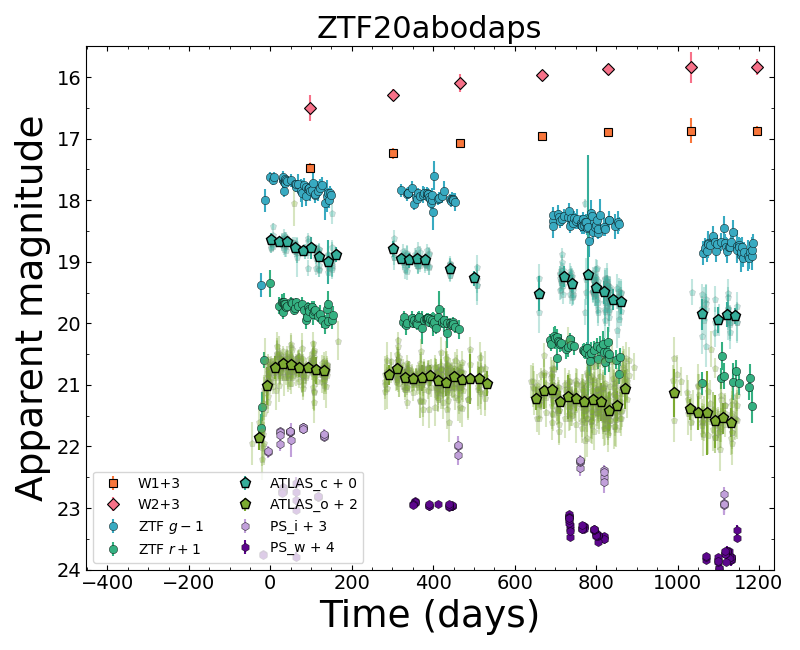
Paper Day: remember that outrageously long-duration, extremely luminous black hole accretion event AT2021lwx? We went searching for similar things in @ztfsurvey. This paper presents what we found!
https://t.co/xDc9IEfGnd
1/n
@LSSTUK@bhagya_subrayan@LMakrygianni which rises to absolute magnitude of brighter than -24 mag in <20 days but takes over 2 years to decline. If anyone has a physical mechanism that can explain this one in particular, please get in touch!
5/n
@PlotAstro For clarification: the light curves presented in the plot (and published in the alphabetical DES Collaboration paper) are released in the Sanchez paper :)
This is a really neat paper. Very distant supernovae appear to explode more slowly because they're moving away from us, and relativity slows time down. We can use this as a probe of cosmology!
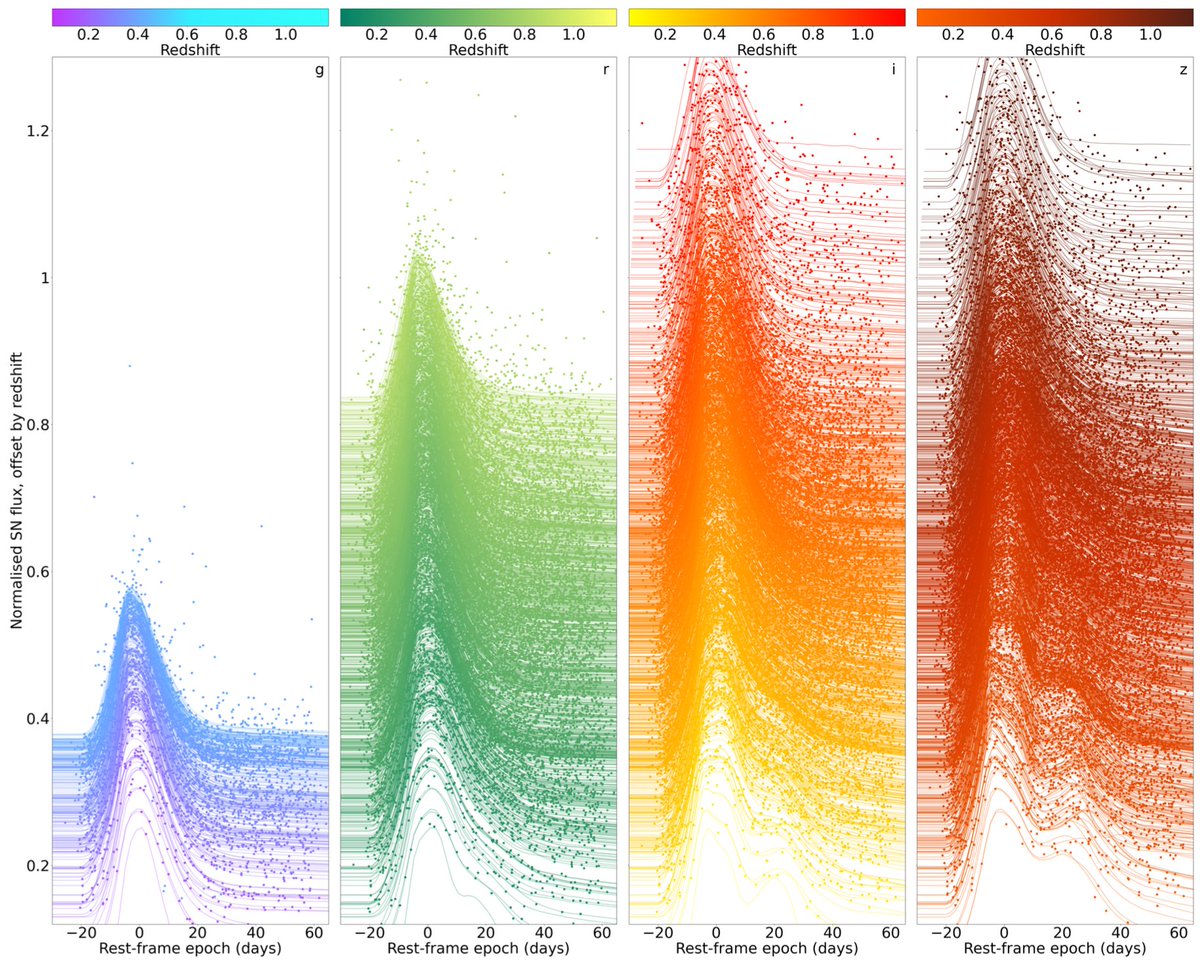
Next we have the light curves and data release paper led by Bruno Sánchez @BrunoSanchez63. All the data are public and we'd love other people to use it! (Image from key paper showing the light curves!) https://t.co/WgTAd59aPA
Next we have the light curves and data release paper led by Bruno Sánchez @BrunoSanchez63. All the data are public and we'd love other people to use it! (Image from key paper showing the light curves!) https://t.co/WgTAd59aPA