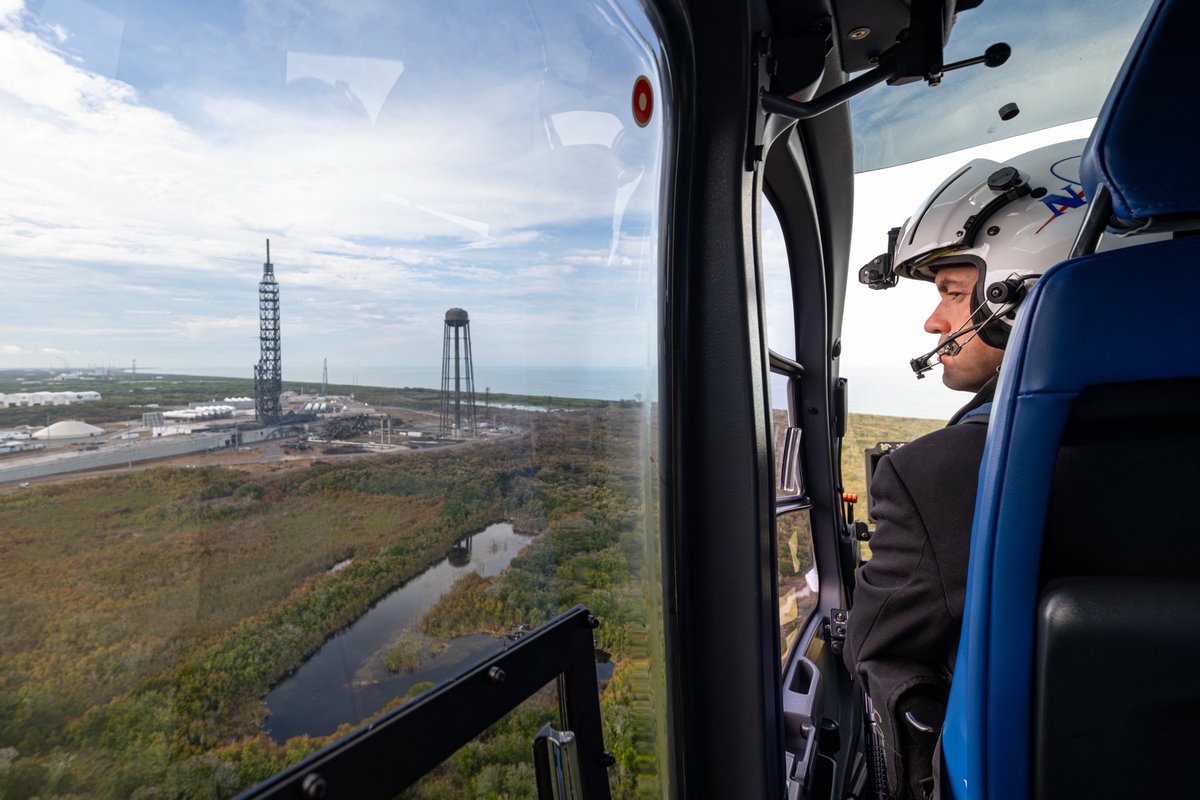
Some LC-36 updates. Now that we’ve had access to the pad and integration facility we can share a bit of good news. The propellant farm, oxygen, liquid hydrogen and LNG tanks are all in good shape. This is good luck because these are very long lead items. The water tower is also good. The big support tower is damaged, but it can be repaired in place rather than torn down and replaced. The booster “Never Tell Me The Odds” and the three GS-2s that were onsite in the integration facility also look good.
I’ve seen some speculation that we might move directly to the 9x4 configuration, but we won’t do that. Rate manufacturing of 7x2 is going well, and we’re going to continue that at pace as planned and store the stages for use. In addition, we had already been working for some time on eliminating our transporter-erector in favor of an alternative vertical conop, and we’ll now go directly to that; so we don’t need a new transporter-erector.
We will fly again before the end of this year. Gradatim Ferociter.
We go where we need to be, and today that was @NASAKennedy.
Some of my senior engineers and I spent time at @blueorigin with @JeffBezos and @davill, speaking with the workforce and seeing the damage at LC-36 firsthand. I appreciated the opportunity to hear directly from those working through the aftermath and better understand the challenges ahead.
There is a lot of work to do, but this is exactly why people choose careers in aerospace, whether at NASA, Blue Origin, or across the industry. The talent in this field thrives under pressure and performs at its best when solving the toughest problems.
We have been saying for months at NASA that we are not going to sit on our hands and wait for the capabilities necessary to achieve the nation’s most pressing objectives. We are going to take an active role alongside our partners, just as we did in the 1960s, to overcome setbacks, remove obstacles, and deliver the intended outcomes.
@NASA is committed to helping the Blue team recover, continue to advance their lunar lander and get New Glenn back to launching as soon as safely possible.
America’s greatest achievements in space were never the result of avoiding setbacks. They came from overcoming them. We have done it before, and we will do it again🇺🇸
We go where we need to be, and today that was @NASAKennedy.
Some of my senior engineers and I spent time at @blueorigin with @JeffBezos and @davill, speaking with the workforce and seeing the damage at LC-36 firsthand. I appreciated the opportunity to hear directly from those working through the aftermath and better understand the challenges ahead.
There is a lot of work to do, but this is exactly why people choose careers in aerospace, whether at NASA, Blue Origin, or across the industry. The talent in this field thrives under pressure and performs at its best when solving the toughest problems.
We have been saying for months at NASA that we are not going to sit on our hands and wait for the capabilities necessary to achieve the nation’s most pressing objectives. We are going to take an active role alongside our partners, just as we did in the 1960s, to overcome setbacks, remove obstacles, and deliver the intended outcomes.
@NASA is committed to helping the Blue team recover, continue to advance their lunar lander and get New Glenn back to launching as soon as safely possible.
America’s greatest achievements in space were never the result of avoiding setbacks. They came from overcoming them. We have done it before, and we will do it again🇺🇸
NASA is aware of the anomaly that occurred tonight at Launch Complex 36 involving Blue Origin’s New Glenn rocket at Cape Canaveral Space Force Station. Spaceflight is unforgiving, and developing new heavy-lift launch capability is extraordinarily difficult. We will work with our partners to support a thorough investigation of this anomaly, assess near-term mission impacts, and get back to launching rockets.
We will provide information on any impacts to the Artemis and Moon Base programs as it becomes available.
All personnel are accounted for and safe. It’s too early to know the root cause but we’re already working to find it. Very rough day, but we’ll rebuild whatever needs rebuilding and get back to flying. It’s worth it.
@NASAMoonBase@blueorigin@NASAAdmin@astrobotic “Congratulations @BlueOrigin and we are looking forward to this partnership to deliver the first lunar terrain vehicle (LTV) as part of @NASAMoonBase program.”
Moon Base program executive Carlos García-Galán congratulates the recipient of the LTV delivery award.
Only one chance in this lifetime…
Like watching sunset at the beach from the most foreign seat in the cosmos, I couldn’t resist a cell phone video of Earthset. You can hear the shutter on the Nikon as @Astro_Christina is hammering away on 3-shot brackets and capturing those exceptional Earthset photos through the 400mm lens. @AstroVicGlover was in window 3 watching with @Astro_Jeremy next to him.
I could barely see the Moon through the docking hatch window but the iPhone was the perfect size to catch the view…this is uncropped, uncut with 8x zoom which is quite comparable to the view of the human eye. Enjoy.
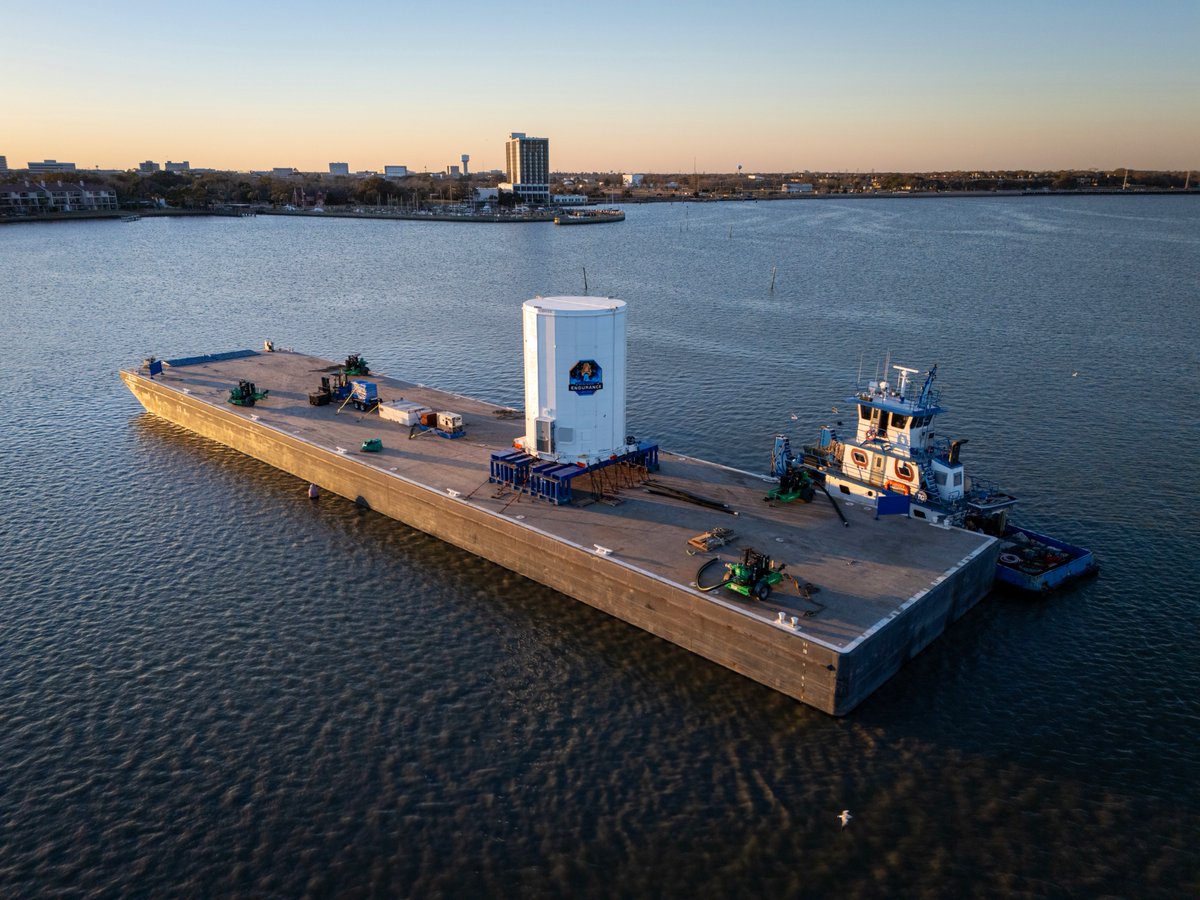
Here's an inside look at one of the many tests we conducted during Endurance's thermal vacuum chamber (TVAC) testing — the first-ever deployment of its high-gain antenna in the demanding temperature- and vacuum-environment of space. This antenna system will provide high-rate telemetry and video during flight and from the Moon's South Pole. Thank you to the team at @NASA_Johnson and throughout @NASA for the collaboration during these tests. Endurance is now arriving to the Space Coast!
Melt. Extract. Fuel. Repeat. 🚀
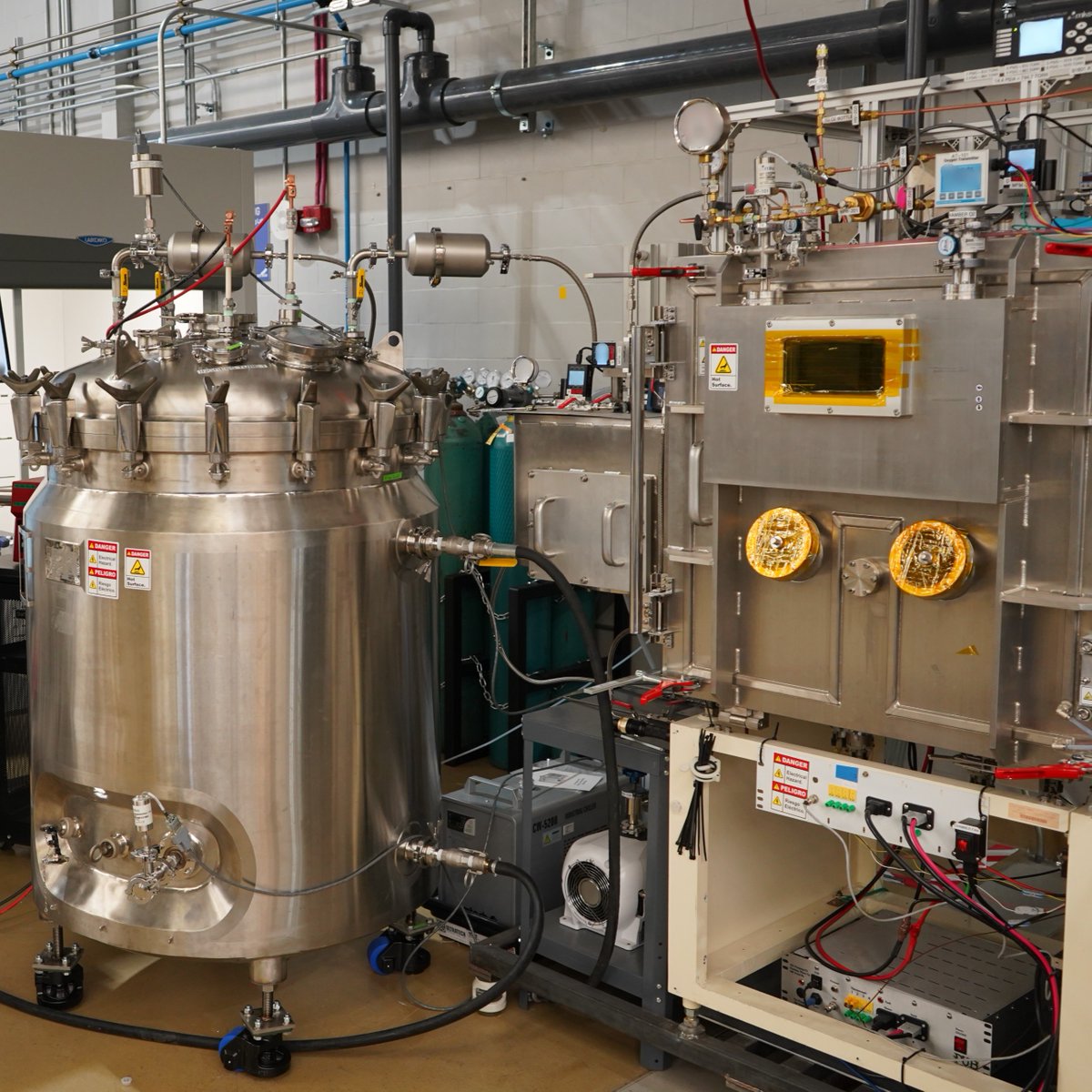
To build an affordable, sustainable presence on the Moon, we must learn to live off the land. Air Pioneer is a scalable, modular system that creates purified oxygen to reduce dependency on supplies from Earth. Using Moon-extracted oxygen for propellant, fuel cells, and breathing reduces our lunar landers’ load by many metric tons of mass. Launching less mass from Earth lowers the cost of our Moon base, fueling a future cislunar economy. 🌕
Hello, Moon. It’s great to be back.
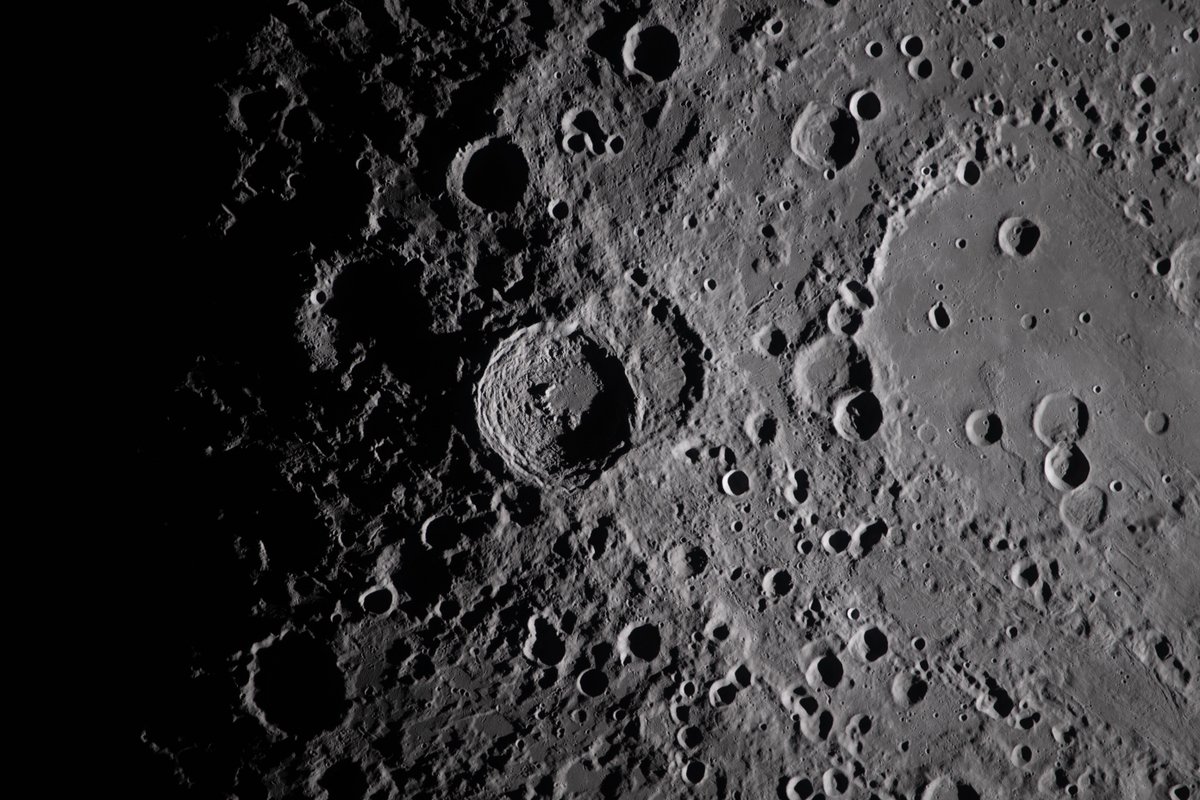
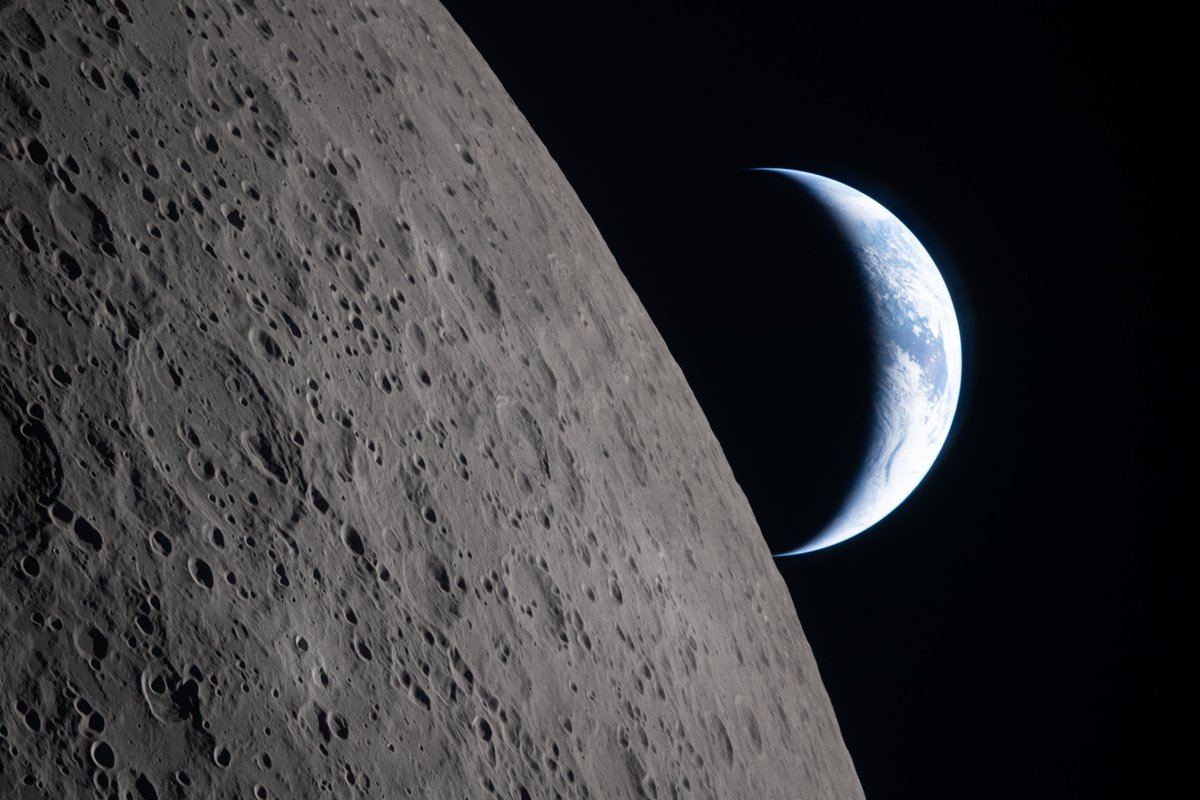
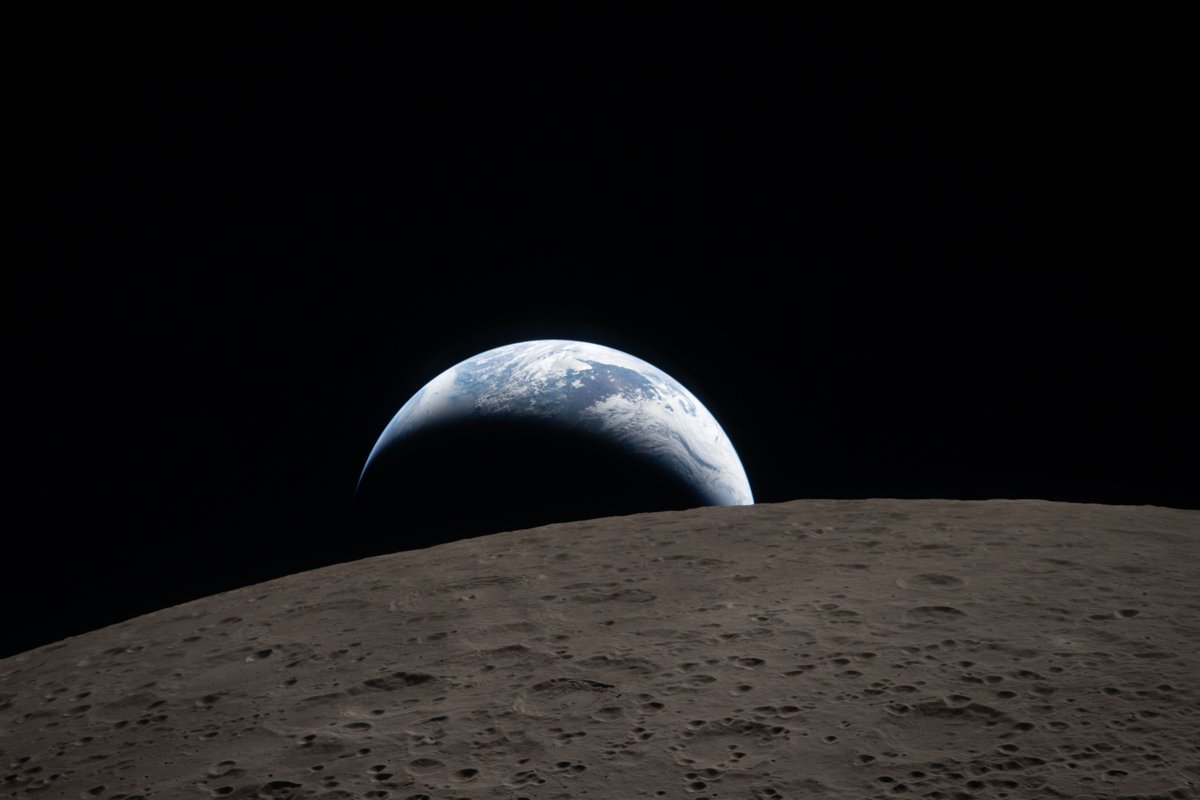
Here’s a taste of what the Artemis II astronauts photographed during their flight around the Moon. Check out more photos from the mission: https://t.co/rzM1P0QbOl
Melt. Extract. Breathe. Repeat. 🧑🚀
From Moon dust to fresh air, our Air Pioneer technology turns lunar regolith into breathable oxygen, ready for astronauts returning to the Moon. At our Space Resources Center of Excellence in LA, we developed a reactor (left) that melts regolith simulant and passes a current through it to release oxygen and other gases. The gases flow into the purification system (right) and emerge as medical- and propellant-grade oxygen. A flight-qualified Air Pioneer at this same scale could provide the first breath of life for a sustainable Moon base. 🌕
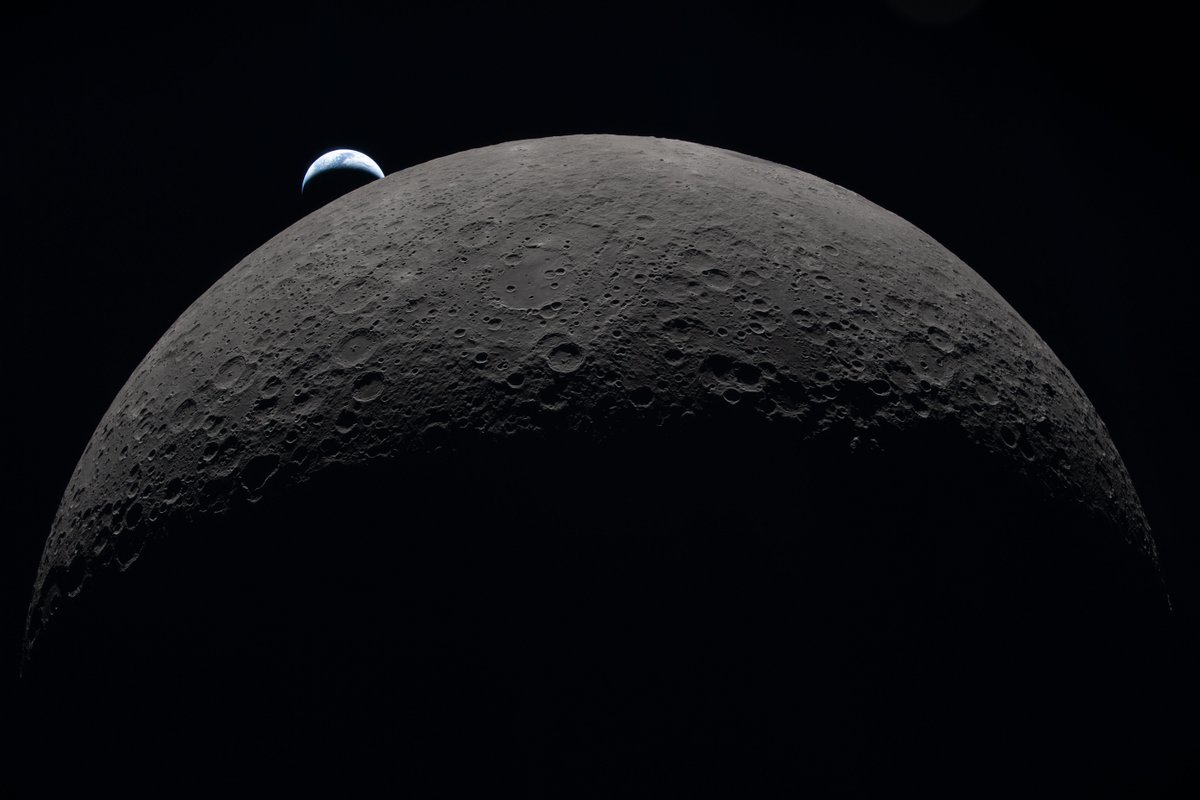
THE ARTEMIS II ECLIPSE.
April 6, 2026.
Totality, beyond Earth. From lunar orbit, the Moon eclipses the Sun, revealing a view few in human history have ever witnessed. Photo: NASA
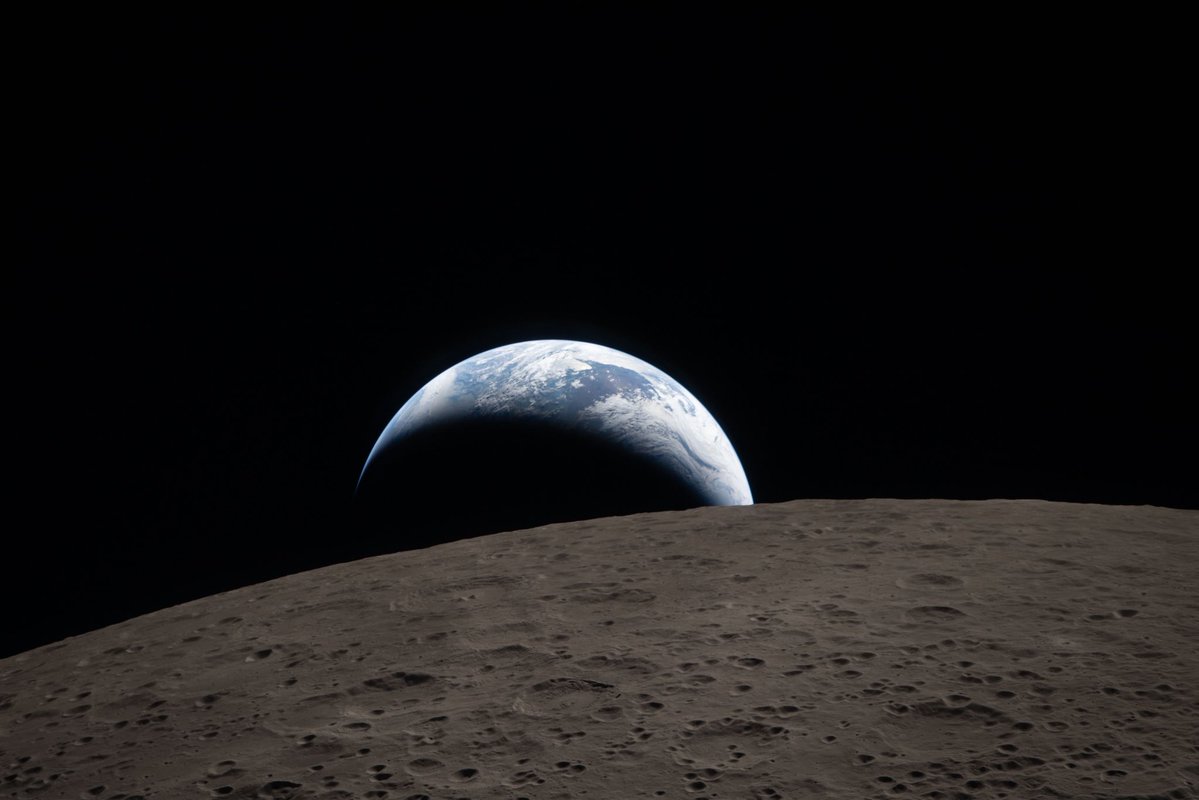
EARTHSET.
April 6, 2026.
Humanity, from the other side. First photo from the far side of the Moon. Captured from Orion as Earth dips beyond the lunar horizon. Photo: NASA
58 years after Apollo 8’s historic trip around the Moon, NASA is heading back. This time, our crew is going farther into space than any human in history.
Commander Reid Wiseman, Pilot Victor Glover, Mission Specialist Christina Koch, and Mission Specialist Jeremy Hansen will embark on a ten-day mission around the Moon, marking America’s grand return to the lunar environment.
Artemis II marks the beginning of the boldest series of missions the world has ever seen. Through the Artemis campaign, we will maintain American superiority in space, land American astronauts on the Moon, and establish a lunar base all before the end of 2028.
Godspeed Artemis II 🇺🇸