Apollo 15 Lunar Rover Footage Upscaled and Interpolated to 60 FPS - Full video in comments
Incredible footage from onboard the Apollo 15 Lunar Rover captured by Jim Irwin using the 16mm DAC camera.
This footage has been upscaled and Interpolated to 60 FPS and synchronised to the mission audio by Moonpans
Original footage source: Apollo Flight Journal
Full video in comments
Some new images came back from Perseverance earlier, & when stitched together & processed they make an absolutely stunning view...
I love the depth of field here, the way the mountains on the horizon are blurred by distance...
Image Credit: NASA/JPL-Caltech/ASU/S Atkinson
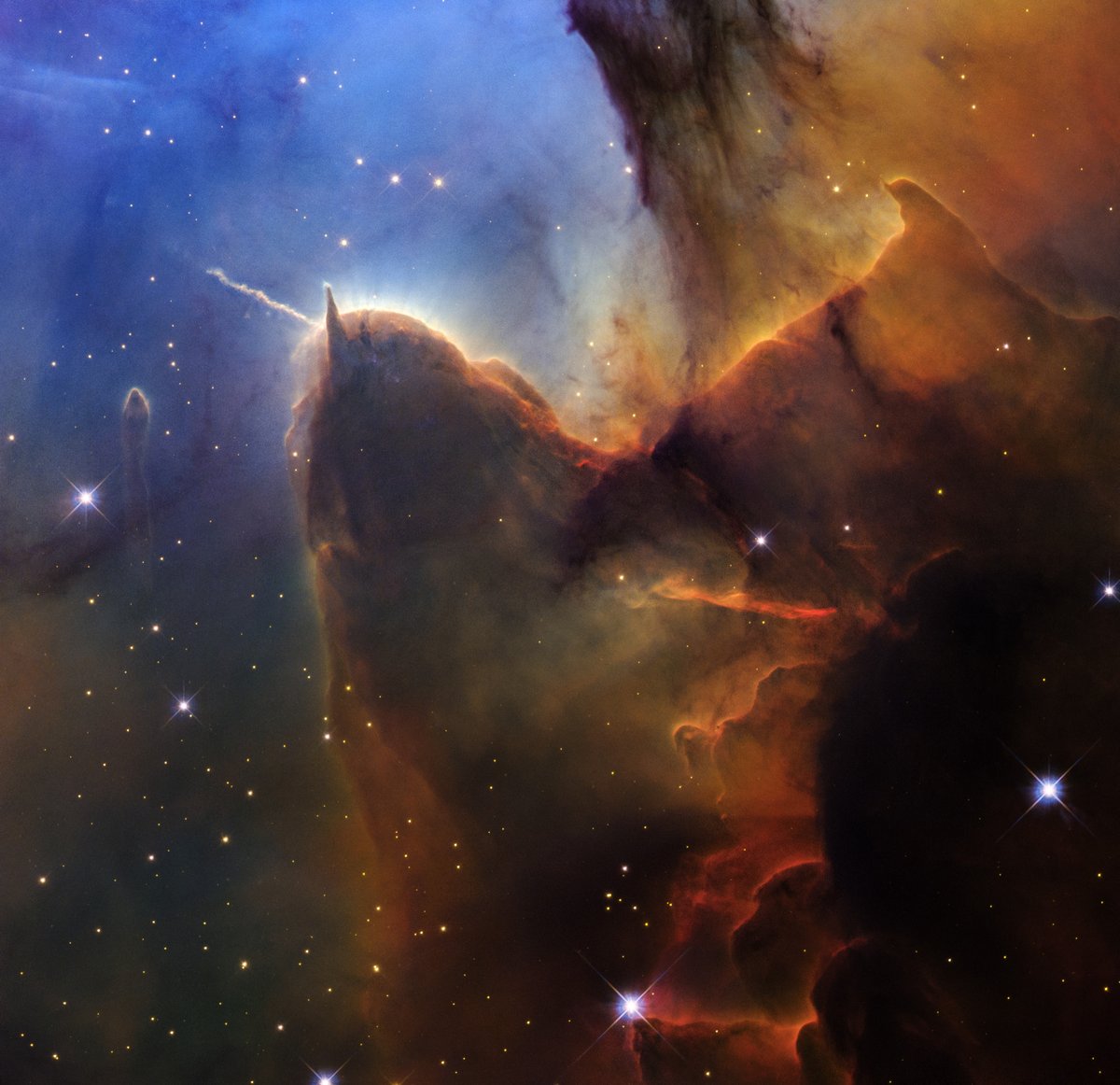
5,000 light-years from Earth, stars are forming in the Trifid Nebula. Our orbiting @NASAHubble telescope is taking a close look: https://t.co/gkoaV8e64M
Only one chance in this lifetime…
Like watching sunset at the beach from the most foreign seat in the cosmos, I couldn’t resist a cell phone video of Earthset. You can hear the shutter on the Nikon as @Astro_Christina is hammering away on 3-shot brackets and capturing those exceptional Earthset photos through the 400mm lens. @AstroVicGlover was in window 3 watching with @Astro_Jeremy next to him.
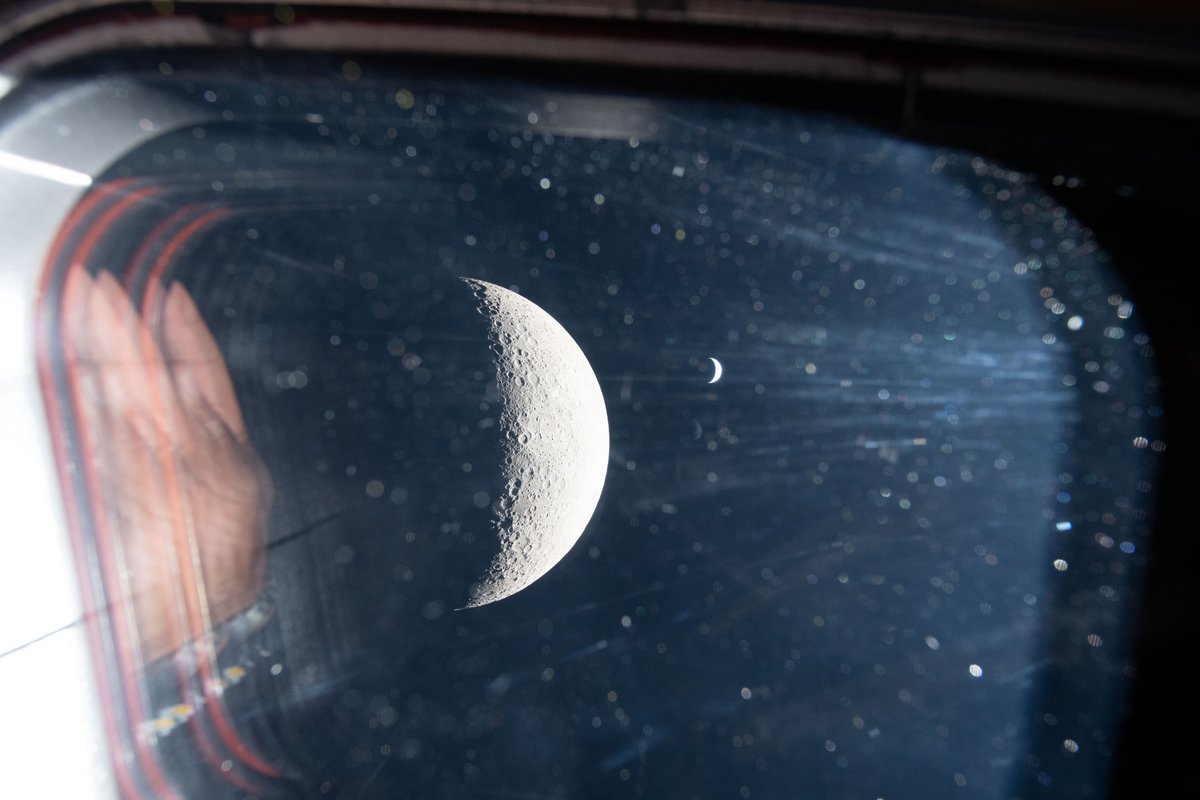
I could barely see the Moon through the docking hatch window but the iPhone was the perfect size to catch the view…this is uncropped, uncut with 8x zoom which is quite comparable to the view of the human eye. Enjoy.
🧵2/4
This close-up coronagraph view from NASA/ESA’s SOHO spacecraft shows comet C/2026 A1 (MAPS) approaching the Sun on April 4.
After the comet passes behind the disk, only a cloud of dust emerges.
Orion’s crew and service module have separated. The crew module continues on its path towards Earth while the service module will harmlessly burn up in Earth’s atmosphere over the Pacific Ocean. The Artemis II return trajectory is designed to ensure any remaining debris does not pose a hazard to land, people, or shipping lanes.
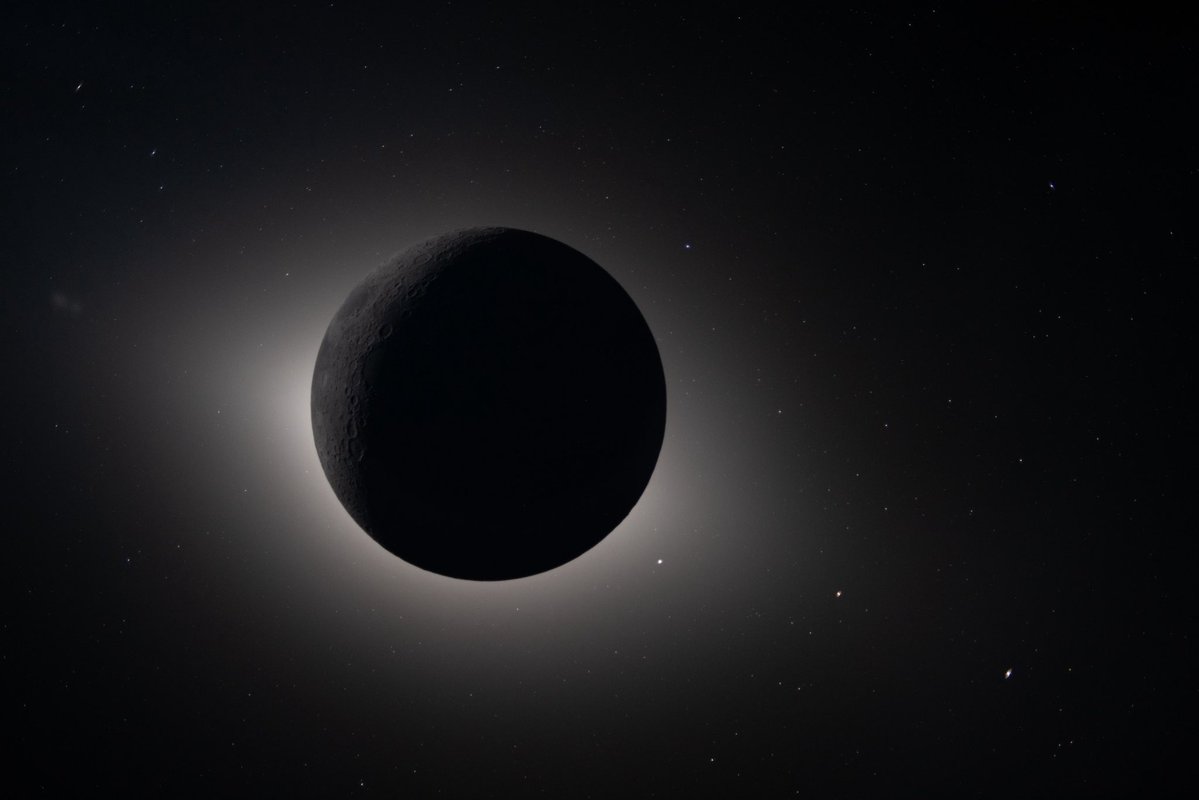
The Artemis II crew had the rare chance to see a solar eclipse from space. 🚀🌘☀️
This video stitches together views from Orion's solar array wing cameras throughout the eclipse, showing the Sun as it disappears behind the Moon, revealing a glowing halo around the lunar disk.
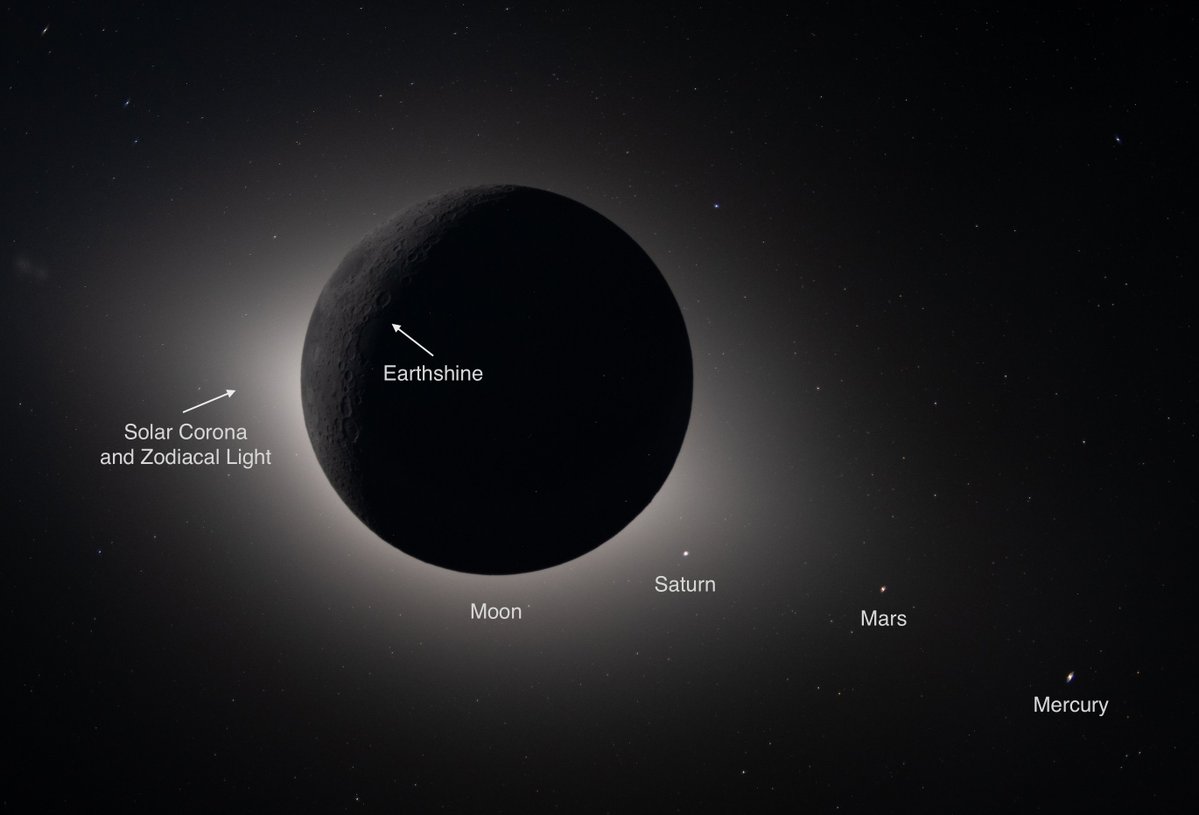
The Moon and light from at least five objects in our solar system appear in this view from the @NASAArtemis II crew: Saturn, Mars, and Mercury, along with reflected sunlight from Earth and the glow of the Sun's corona and/or zodiacal light scattered by interplanetary dust. 1/2
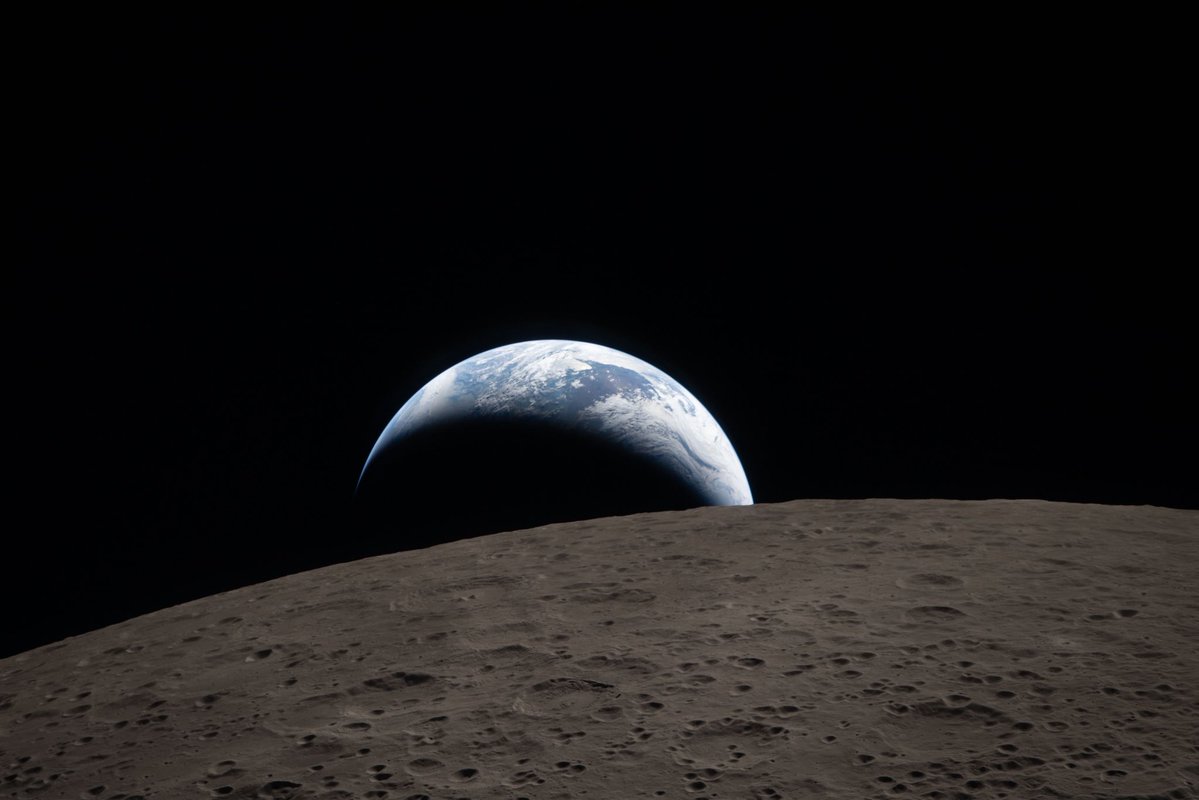
Photo of the Day: Earthset, captured on #GoPro 🌎
@NASA's Orion spacecraft captures the Moon and the Earth in one frame during the Artemis II crew’s deep space journey on the sixth day of the mission. The right side of NASA’s Orion spacecraft is seen lit up by the Sun. A waxing crescent Moon is visible behind it. And then, a crescent Earth, tiny compared to the Moon, is about to set below the Moon’s horizon on the right.
Credit: NASA
#NASA #Artemis #Moon #Space
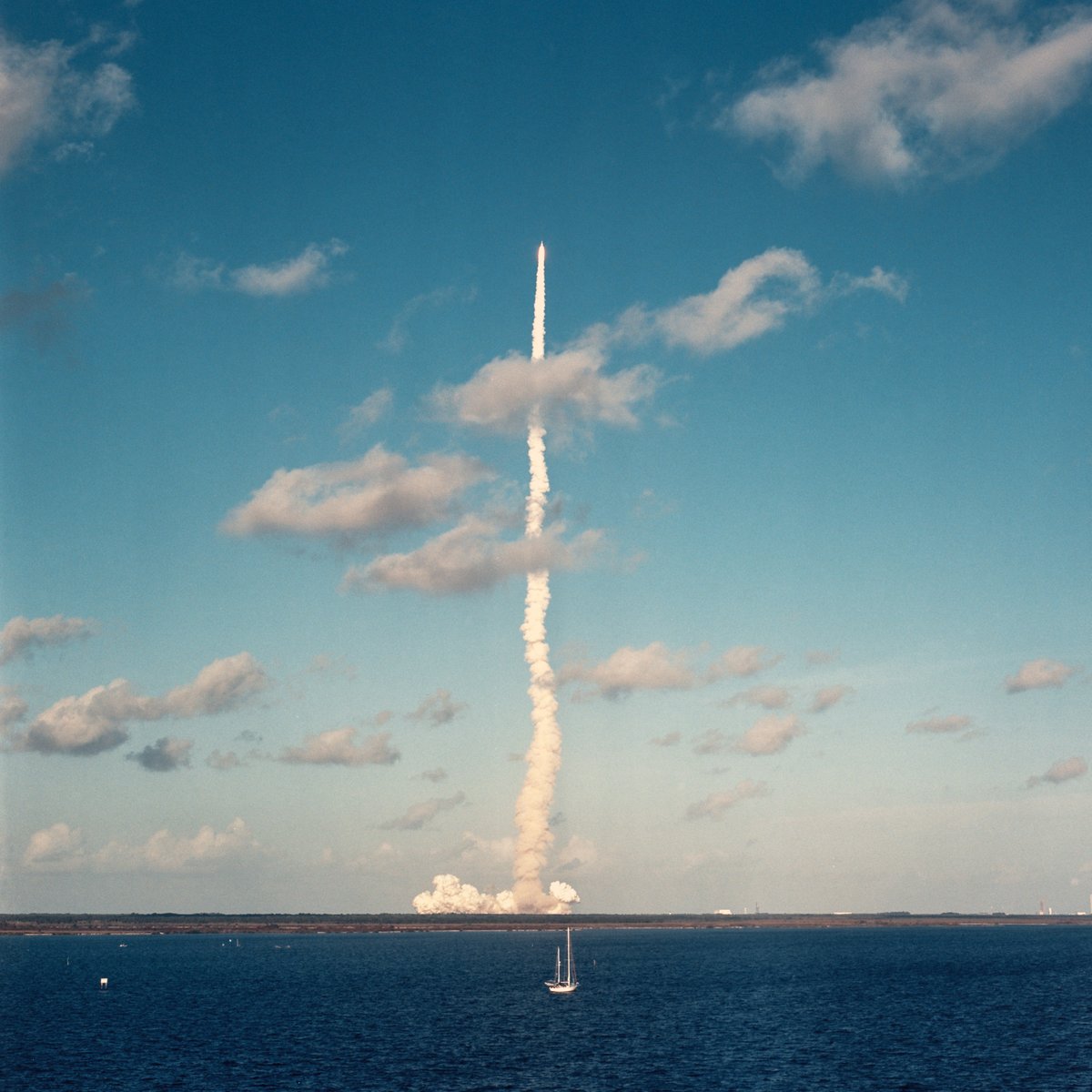
@NASA has just released some EXTRAORDINARY tracking footage from Artemis II's launch just one week ago.
Mesmerizing exhaust flow interaction between all four RS-25's & twin SRB's.
Experience the magic of our Moon mission wherever you go! ✨
Download free, mobile wallpapers and bring your device into the new era of exploration: https://t.co/494ZyUBtve
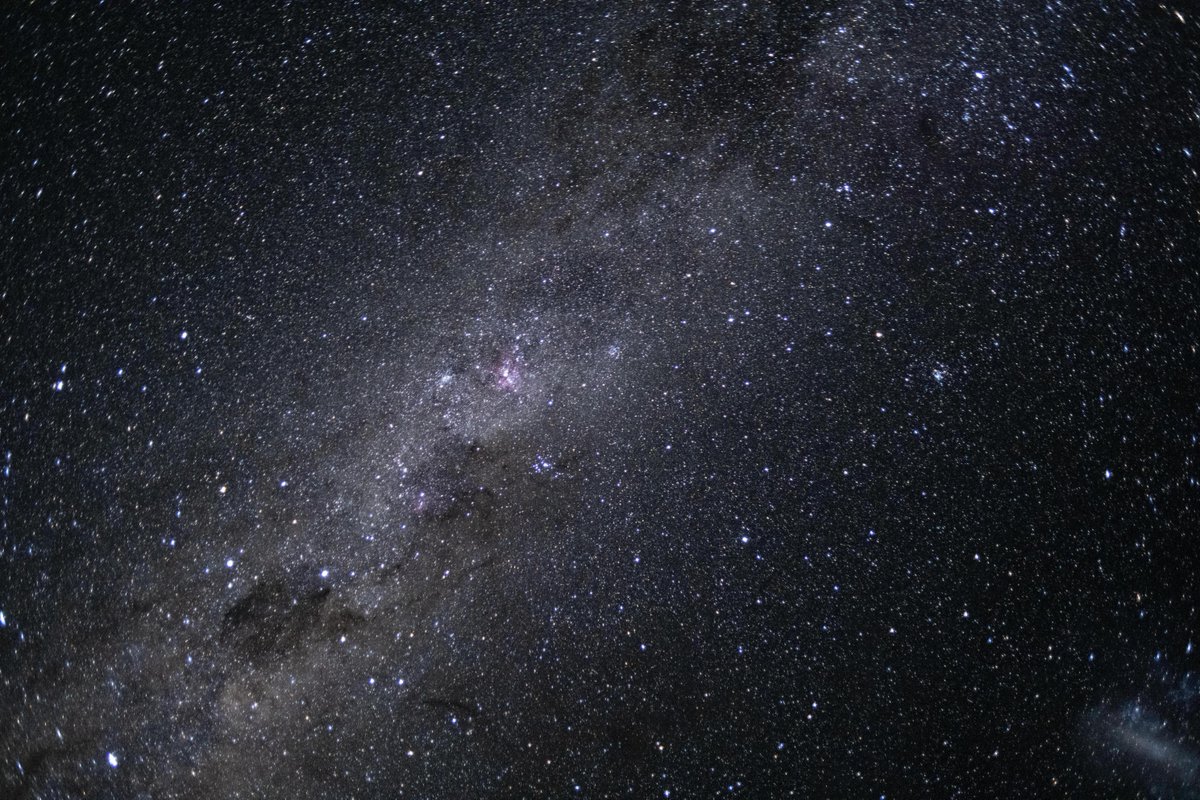
Sky full of stars.
Following a successful lunar flyby, the Artemis II astronauts captured this breathtaking photo of our galaxy, the Milky Way, on April 7, 2026.
✅ #Artemis II update: 'Earthset', 6 April 2026, and 'totality', 7 April, seen from lunar orbit, the Moon eclipses the Sun, a view few humans have ever witnessed (pics: NASA)
🔗https://t.co/ld0YaC0PgO
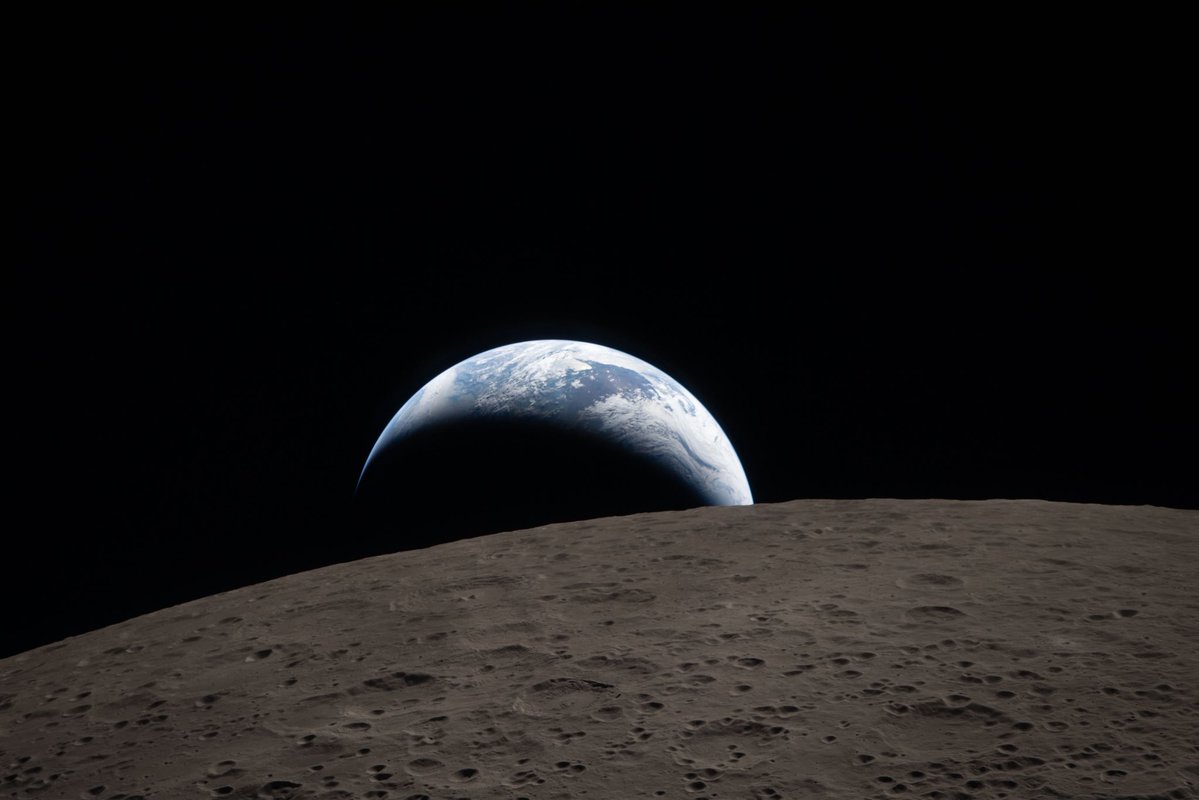
EARTHSET.
April 6, 2026.
Humanity, from the other side. First photo from the far side of the Moon. Captured from Orion as Earth dips beyond the lunar horizon. Photo: NASA
THE ARTEMIS II ECLIPSE.
April 6, 2026.
Totality, beyond Earth. From lunar orbit, the Moon eclipses the Sun, revealing a view few in human history have ever witnessed. Photo: NASA
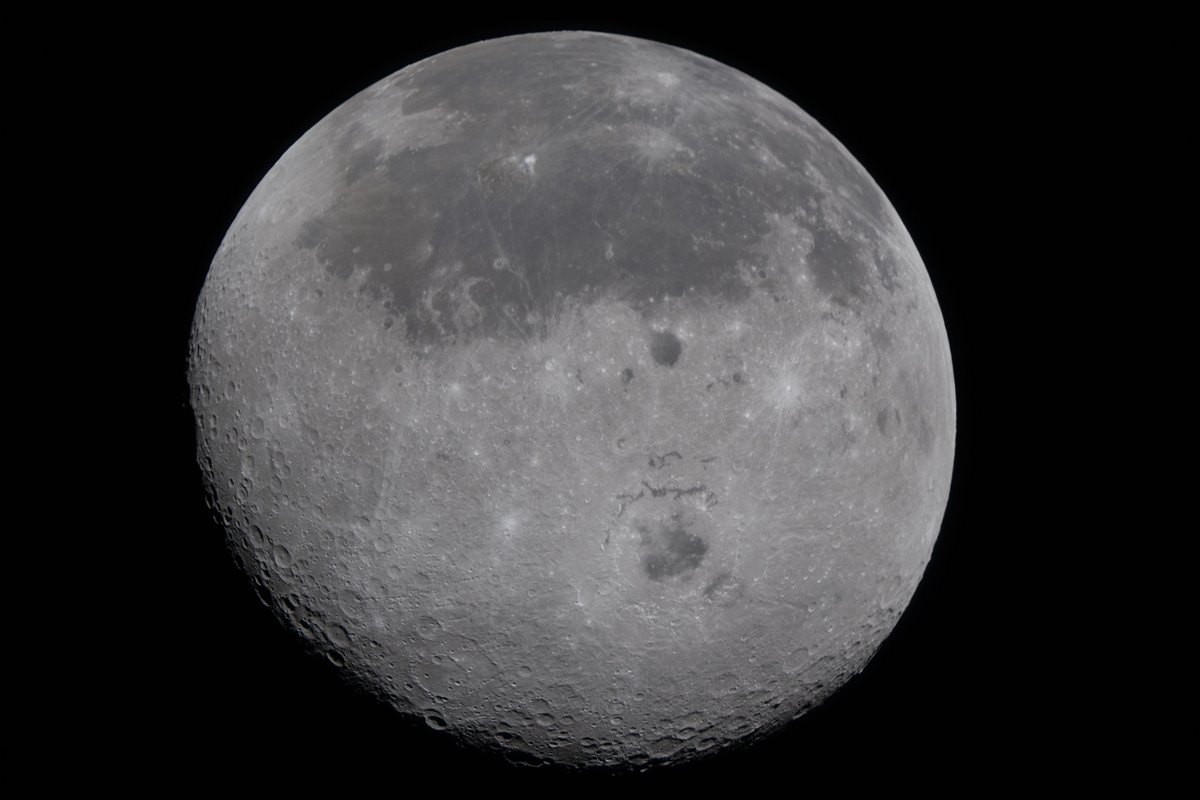
Approaching the near side of the Moon.
The Artemis II astronauts have surpassed the record for the distance from Earth at 1:56 ET (1756 UTC). This record was previously set during the Apollo 13 mission when the astronauts traveled 248,655 miles from Earth. The Moon continues to grow larger and larger in the windows of the Orion spacecraft as the Artemis II mission gears up to observe the far side. The astronauts are predicted to make their closest approach of the Moon around 7:02pm ET (2302 UTC).