KlusterCaller is too expensive for a new lab, so I used AI to write a free alternative. Here is a quick demo to show you how to use the standalone HTML app "KASP cluster" (https://t.co/gcClcmjKIo).
https://t.co/q2SrdnkAxV
Spray-induced gene silencing, an RNA-based method where doubled-stranded RNA molecules are sprayed onto plants to silence important genes in pathogens and reduce disease development may a method for controlling FHB in wheat and barley. https://t.co/uRtzVITRur
Targeted DNA insertion remains a major bottleneck in plant engineering. We developed the R2 retrotransposon as an efficient plant genome editor to precisely insert large DNA payloads at targeted sites:
https://t.co/P0dB1cDn9W
Congratulations to @kimuchenje03 and the team!
🧵👇
GrainGenes update: A searchable version of Wheat Gene Catalogue - 2024 was created. Go ahead and give it a try: https://t.co/faLHtyLPFq
@WheatInitiative@AMBA_Barley
Minibwa is a hybrid of bwa-mem and minimap2 and the successor of bwa-mem for short-read mapping. ~4X/2.5X as fast as bwa-mem/bwa-mem2 for WGS reads at comparable accuracy. Native support of directional bisulfite-seq. Applicable to long reads. Preprint at https://t.co/y5ZTr9btE6
GrainGenes update: we released Panviewer, a new web-based application developed in-house to view wheat, barley, and oat pangenomes
@WheatInitiative@AMBA_Barley@OatNewsletter
https://t.co/mq4QgKYyMT
Jeremy Wang developed rammap, a minimap2 rewrite in Rust. It achieves comparable or better performance than minimap2 and produces identical output to minimap2. During rewrite, Jeremy found two long-existing bugs in minimap2 which are fixed in v2.31. https://t.co/9FNiwgbgqW
The USDA is hiring plant geneticists at 23 research sites across the country. Pay is up to $192k/year. Search closes June 11th. https://t.co/EqafK1wIvB
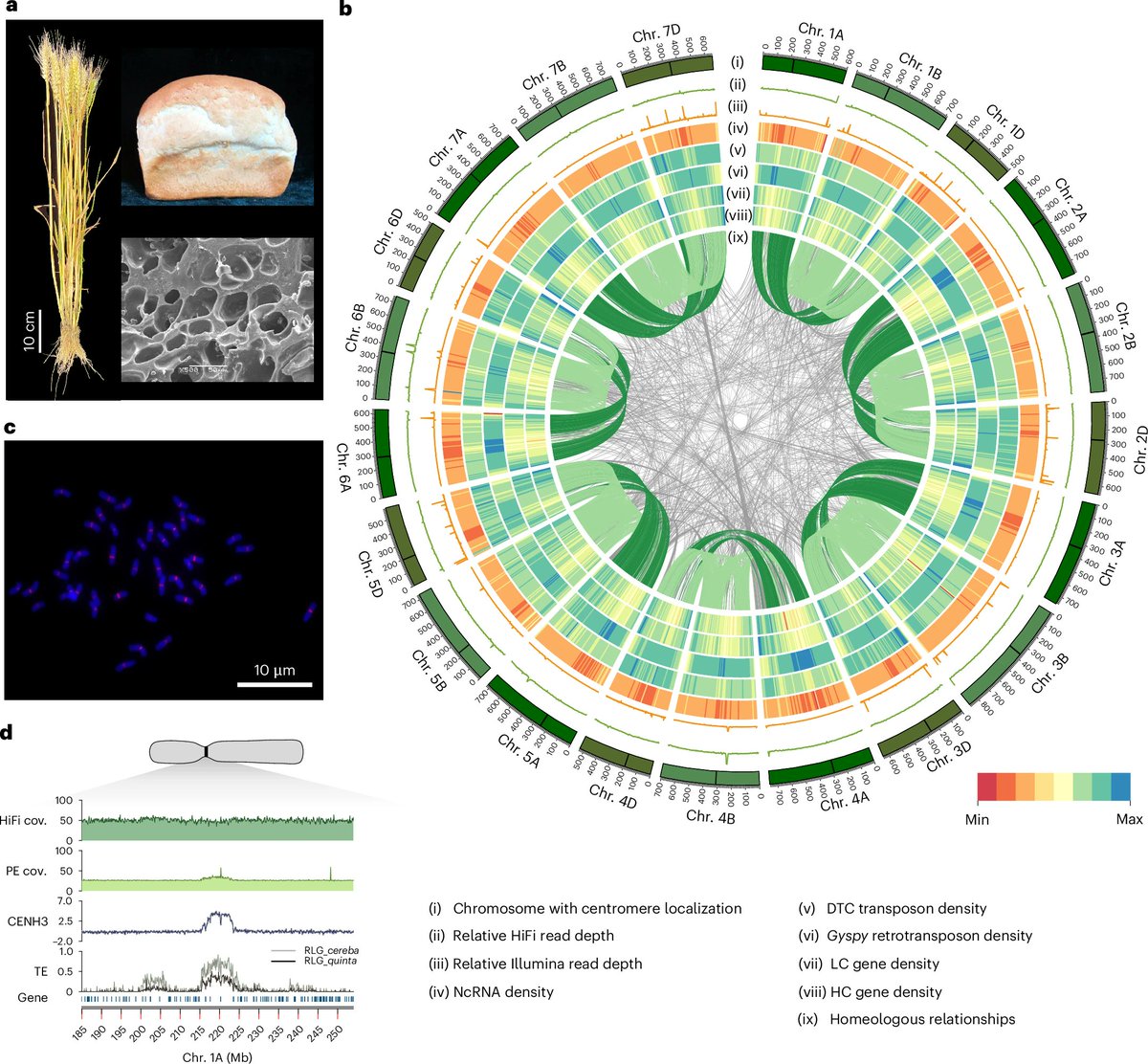
New Article: "A high-quality bread wheat genome unravels the adaptive evolution of wheat end-use quality" https://t.co/EMPh1KNAWW
With Research Briefing: "The assembly of an elite bread wheat genome reveals how wheat end-use quality has evolved" https://t.co/RBuLrRzeDw
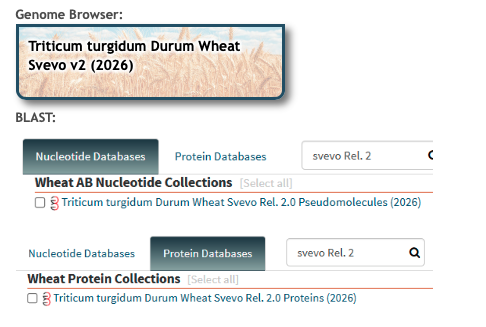
GrainGenes update: Triticum turgidum Durum Svevo 2.0 manuscript was accepted and all dataset and tools are released @luigicattivelli@WheatInitiative https://t.co/6LwfLvQHqX
UC Davis to work with the International Maize and Wheat Improvement Center (CIMMYT) and Bayer U.S. Crop Science on wheat variety that can make its own fertilizer from air @ucdavisCAES https://t.co/pWJ4BYfLVM
New Review: "Cereal protein biofortification at the interface of nutrition, yield and sustainability" https://t.co/VrbR8ieutK
Improve nutrition while maintaining yield and lowering environmental impact with genetics and breeding; enhance protein quality in staple cereals.
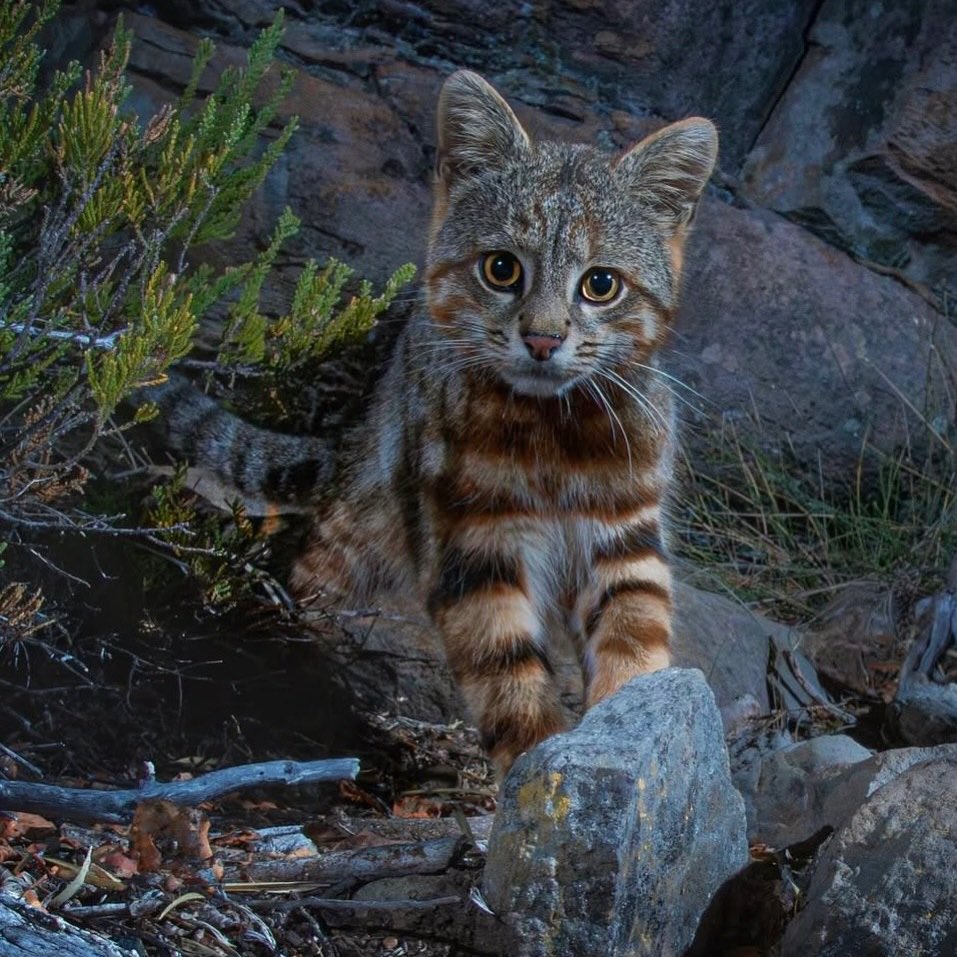
In the dense jungles of Panama’s Barro Colorado Island, a striking cricket stirs. Arota festae, known colloquially as a “bush cricket,” usually sports a deep green coat. But occasionally, what appears to be a hot pink mutant will emerge.
Scientists have long thought this hue was a genetic aberration—an unfortunate variant doomed to be quickly picked off by bats, lizards, and other predators.
But a new study finds the vibrant variant is merely a natural developmental stage, one that makes it all the more remarkable that this bug is able to keep from being picked off.
Learn more: https://t.co/DCCHqkrnpv @NewsfromScience
Researchers at @AgriLife Texas A&M AgriLife High Plains Research and Extension Center are cutting the wheat breeding timeline nearly in half with with new grow rooms. Learn how the new facility is a faster path to better genetics for Texas farmers. https://t.co/y2ohTAQ5B2
📣Our paper is finally out!🤩 We found that local modification of H3K9me3 using CRISPR/dCas9 at hotspots changes crossover activity, bringing us closer to targeted recombination in plants.🌱
Huge thanks to @SzymanskaLejman, Wojtek, Ania, and Karolina!💪
https://t.co/VJ8DHs9yf8