“Talent needs trauma” is a really dangerous phrase to be seeing banded about on Twitter linked to high performance without people understanding how that word is being used.
Most people’s understanding and it’s definition is: “a deeply distressing or disturbing experience”.
Age 5-10, instead of developing a
Rugby player
Gaa player
Soccer player
Basketball player
Tennis player
Can we develop the
Run
Jump
Hop
Throw
Catch
Skip
At this age we're not developing sport specific athletes, we're developing an array of movement patterns through play
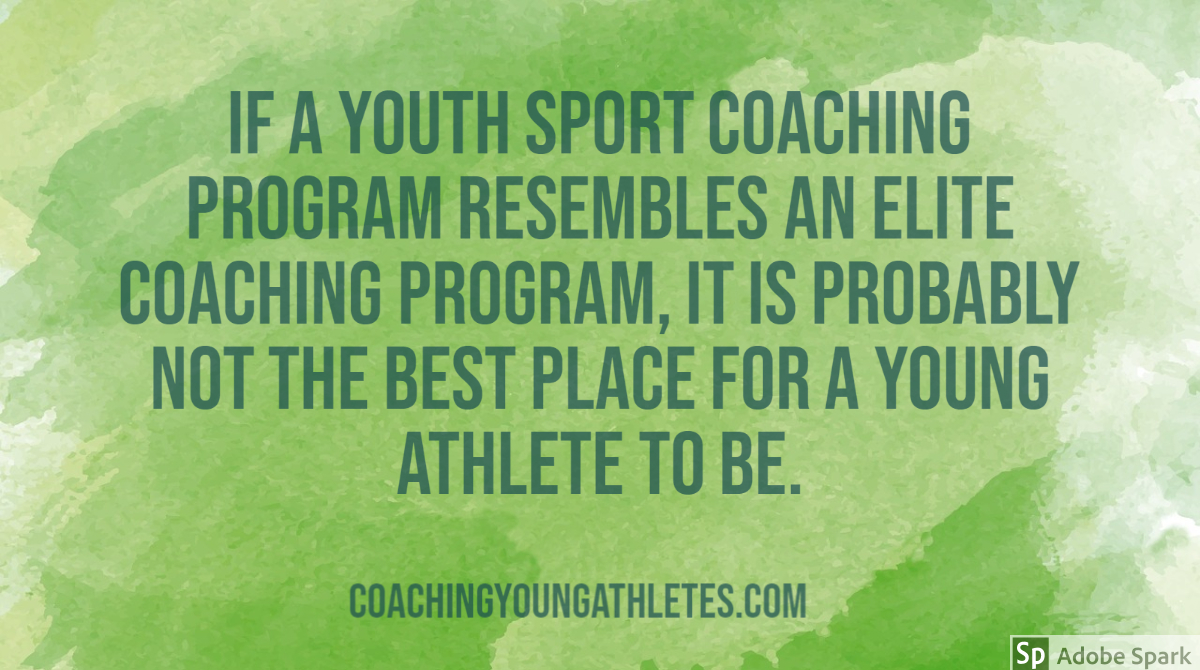
On any competitive youth team there are more players on the roster than can “start”. Often, some kids play more than others. But as a coach, it’s key that every one of your players feel important and know, by your words and actions, how important they are to you—and to the team.
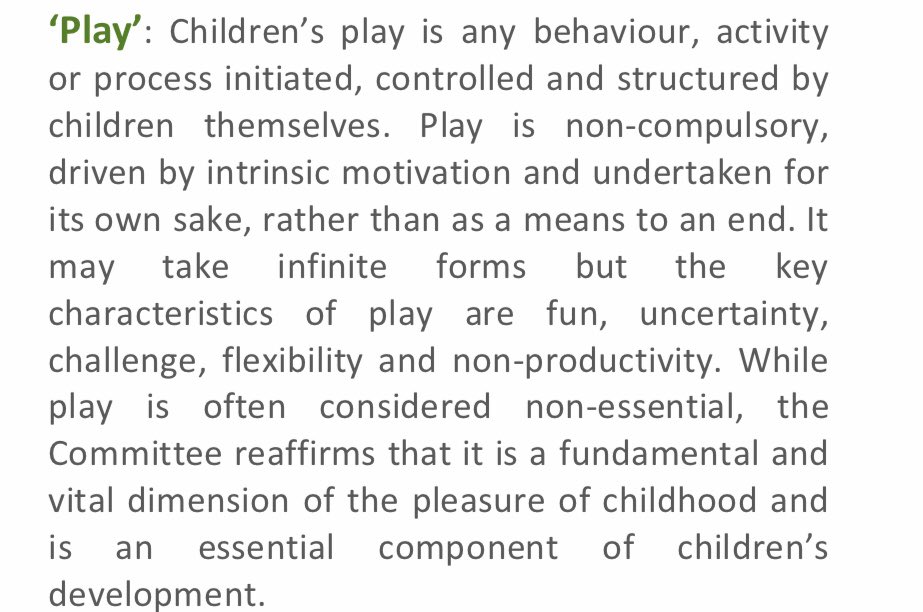
Play is not a tool to be used by adults. Play isn’t something adults can ‘add’ to their sessions. Play is not about adults allowing ‘unstructured time’. ‘Play based’ is not play. Play is an internationally recognised human right. Understand this or misunderstand play.
“...bend your knees, straighten your back, & look up while bouncing the ball,” I said, but my son wasn’t paying attention.
I thought of all the young kids already practicing 🏀 & wondered — how is my child going to make the NBA if he can’t dribble?
https://t.co/wXbNRPDLwU
Some good ideas to make professional sport more engaging. A rethink of youth sport rules and competitive structure should also take place. https://t.co/KBGr8smH89
Youth coaches have different skills. Some inspire or teach fundamentals well. Some can see heart and desire, or under-the-radar potential. Others know how to build confidence in a player who really needs it. Many teach life skills and character. Few do it all. But it all matters.
It doesn’t take a good coach to spot obvious 'talent'. But it often does take a good coach to identify a young player with vision, smarts, inner toughness, drive, work rate, a great attitude, a late-bloomer, a huge heart- in short, a kid with qualities that make any team better…
Individuals’ journeys in sport and physical activity is unique and often vary greatly. Ideally, these pathways will lead the individual to achieving their potential, and then being active for life.
Learn more here: https://t.co/jnSMcdnIKx
"...dramatic play is how kids process what they see in the world around them, how they come to understand it from all sides, and how it can become the foundation for empathy. I also know that forbidden fruit is always the sweetest..."
https://t.co/hT2BOZDFt6
Movement problem solving! Be in a state of perceptual connection (sensitivity or attunement if you prefer) and remain coupled through your movement to the disposition/dynamics of the contextual problem in front of you.
"youth sport settings can be wonderful domains where young people experiment with who it is they want to become as adults. However, this development does not magically happen simply because someone kicks or bounces a ball"
(ht @Jono_A_Byrne)
https://t.co/PuB4ApEukN
9u baseball
3 hour game
93 pitches from the starter
Coaches fighting umpires
Coaches belittling kids
Parents yelling at their kids for making mistakes
And you STILL question why your kid likes Fortnite better than baseball
BE BETTER PEOPLE
ABRACADABRA: My role as a coach and parent was so much easier when I believed learning was linear, oderly, and sequential. Come to find out, darn little ones don’t learn that way. How inconvenient of them. 🤔🤣 #TOVO
There is no medical or psychological data that says equal play impedes child’s athletic development up to an including U10. Just the adults’ egos are bruised. We have done pilot programs up to U13 with complete success and others have sent me data that they have done it up to U18