If you’re at NetSci and want to learn about how we can use social networks to improve choice prediction, come check out my poster! (Research with @austinbenson)
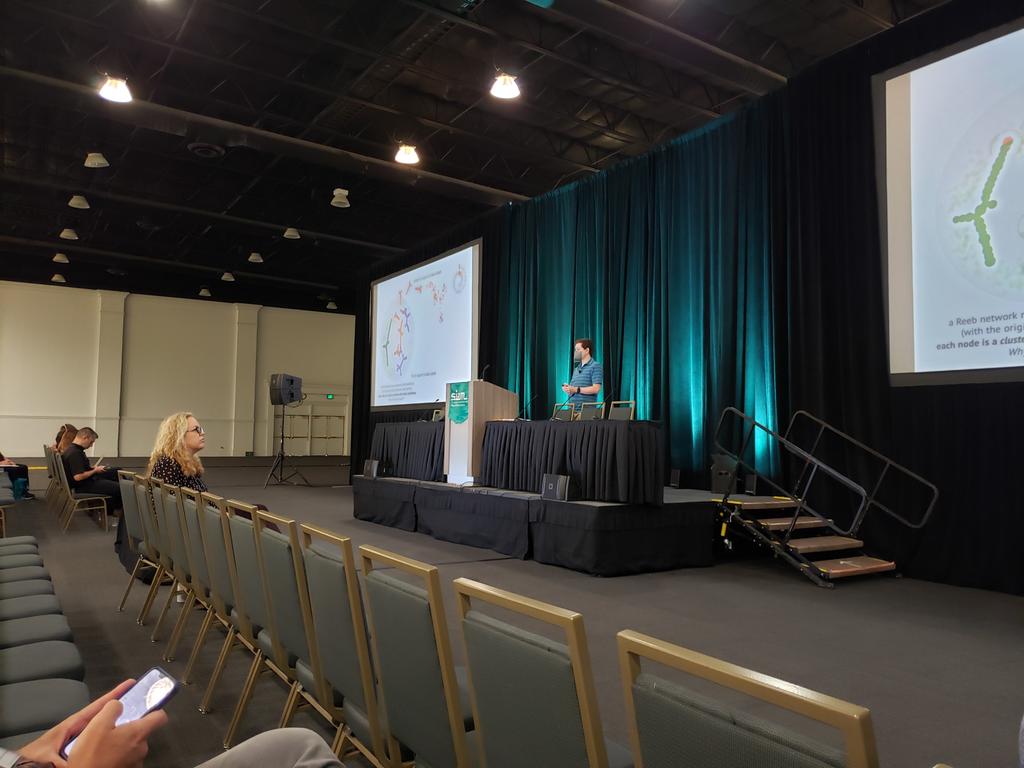
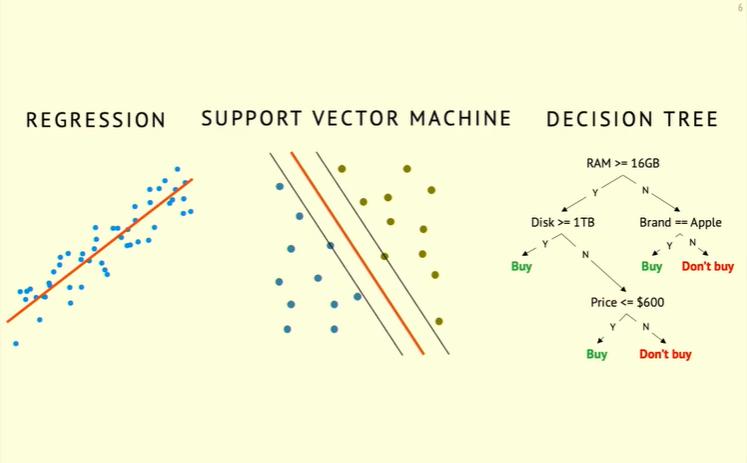
Many models involve numerous parameters that make direct interpretation challenging. At #SIAMMDS22, @dgleich of @Purdue explores the possibilities of using ideas based on #topological analysis methods to understand and evaluate these complex prediction functions.
Latest work out here: https://t.co/Kyiq4KKQ7j led by @arnaudon, with @RobertPeach15 and @ExpertPol. We take a careful look at Kuramoto models on simplicial complexes including frustration, harmonic order parameters and orientations. A thread 1/N
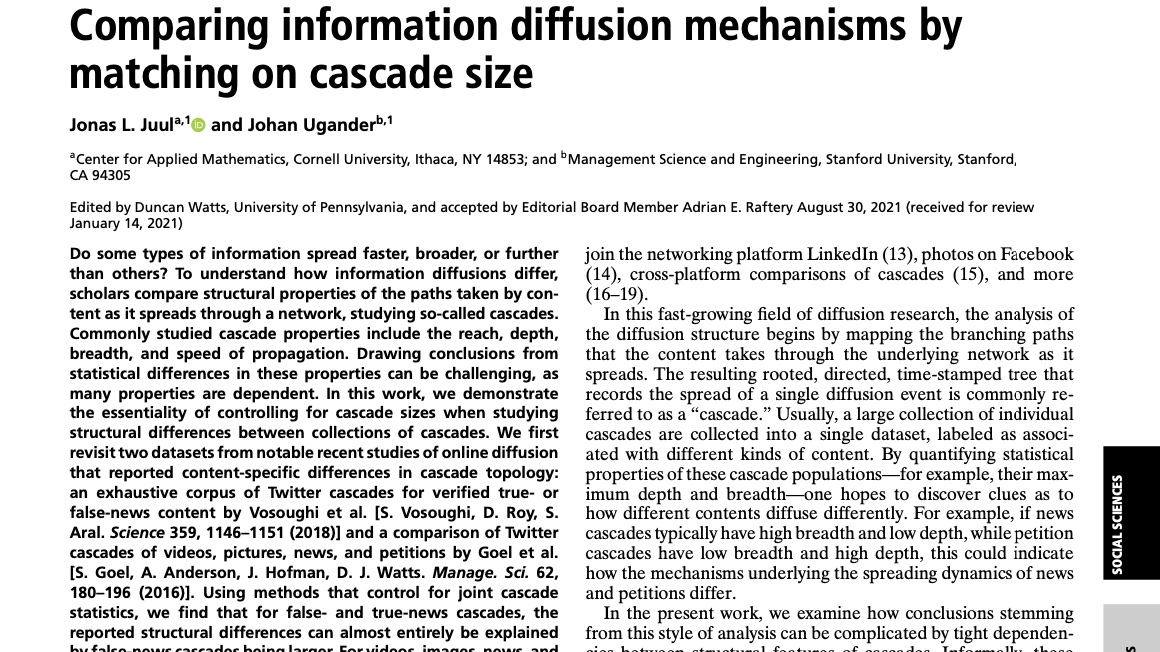
Does false news spread differently than true news online? For example, does false news spread faster or deeper into the Twitter network? How about videos vs. petitions? New paper out in @PNASnews with @jugander https://t.co/9Xl9ERjazY 1/14
📝We are now accepting submissions for the NeurIPS '21 Workshop on Human and Machine Decisions! Submit new and developing research in ML x decision-making; both empirical and theoretical contributions welcome. A partial list of topics and submission link: https://t.co/JTNYrCMjgf
The traditional networks of graph theory aren’t enough to fully map today’s vast pools of data. Researchers are pushing to provide new kinds of network models that can accommodate the embarrassment of riches. @StephenOrnes reports: https://t.co/Nx5DQISbsu
If you're attending KDD and want to learn about some recent discrete choice research, I'm giving a couple of talks tomorrow at 12:30pm CDT during this paper session: https://t.co/YeOn5I84Jz
Need data (networks, hypergraphs, tensors, ML, AI)? Here’s a timestamped and linked digest of Anthony Fauci’s emails https://t.co/4Ude2KaDv4 from @JasonLeopold FOIA request. With @austinbenson and @n_veldt Data and Code https://t.co/0NBMmmOwzD
@bayrameda_ee@emaros96 Ah, I see. In the ZGL algorithm, the iterative solution is independent of initialization. In the Zhou et al. LP, the initialization matters. (In both cases, though, the indicator vector has a different bias, which is why ZGL discuss things like class mass normalization)
@bayrameda_ee@emaros96 I agree that indicator vectors for categorical labels is different. But there are similar issues with implicit data assumptions. Sec 4 of ZGL paper uses class mass normalization (https://t.co/omN0q7L6MT) and Sec 3.3 of https://t.co/mpVOg2esVN has a nice example w/ label imbalance
@bayrameda_ee@emaros96 If the target mean is not zero, then initializing with zero on unlabeled nodes and using algorithms like average-of-neighbors-at-unlabeled-nodes algorithm is not appropriate. For example, if mean is super large, then initializing at zero will bias towards too small predictions.
On June 28, Austin Benson (Cornell University) will kick off the Dynamo satellite with a talk entitled “Triadic data analysis in temporal and higher-order networks”. We are looking forward to hearing @austinbenson’s take on temporal networks, higher-order networks and motifs!